
Leftover rice is one of the great kitchen bargains. It can become tomorrow’s lunch, Friday’s fried rice, or the quiet hero of a very lazy dinner. But rice also has a dramatic reputation online, where it gets treated like a tiny bowl of danger. So what’s the truth? Reheated rice is not automatically unsafe. The real issue is how the rice was cooled, stored, and handled before you warm it back up.
If you know how to store leftover food properly and how to reheat rice the right way, you can keep it both safe and delicious. That means no dried-out rice pebbles, no mystery fridge science, and no “I think it’s still fine” gambles. In this guide, we’ll walk through exactly how to cool rice fast, store it safely, reheat it for the best texture, and avoid the classic mistakes that turn a cheap side dish into a regrettable life choice.
Why leftover rice gets a bad reputation
Rice is a little different from some other leftovers because uncooked rice can contain spores of Bacillus cereus, a bacteria linked to food poisoning. Those spores can survive cooking. The trouble starts when cooked rice sits at room temperature for too long. Warm, damp rice is basically a VIP lounge for bacteria, and if toxins develop, reheating may not fix the problem.
That’s why people sometimes blame the reheating step when the real culprit was the storage step. In other words, the microwave is not the villain in this story. The villain is the bowl of rice that sat out on the counter while everyone watched a full movie, argued about dessert, and forgot it existed.
The good news is that leftover rice can still be part of a safe meal routine. You just need to cool it promptly, refrigerate it quickly, keep it cold, and reheat only what you plan to eat.
How to store cooked rice the right way
1. Don’t let it loiter at room temperature
Once the meal is over, rice should not hang out on the counter for long. As a general rule, get it into the refrigerator within 2 hours. If the room is especially hot, such as during summer weather, outdoor dining, or a sweltering kitchen, move even faster. Rice should not spend extra time in the temperature danger zone.
2. Cool it quickly
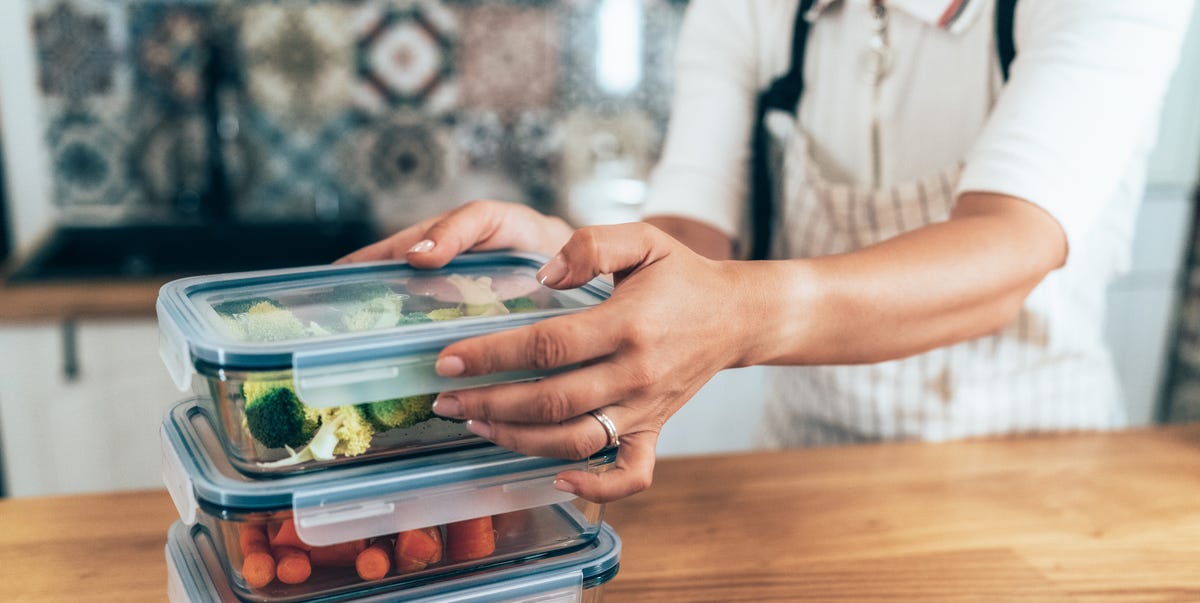
If you made a huge pot of rice, don’t shove the whole steaming pot into the refrigerator and call it strategy. Large amounts cool too slowly. Instead, spread the rice out or divide it into smaller portions so the heat can escape faster. Shallow containers are your best friend here. They help the rice cool more evenly and reduce the time it spends warm enough for bacteria to multiply.
3. Use clean, airtight containers
Once the rice has stopped steaming heavily, transfer it to clean containers with lids. Airtight storage helps preserve texture, prevents the rice from drying out, and keeps it from absorbing yesterday’s onion smell and tomorrow’s garlic ambition from the fridge.
4. Label it like a civilized person
It takes five seconds to write the date on a container, and it saves you from the classic leftover guessing game later. If you meal prep often, labeling is especially useful because white rice, brown rice, quinoa, couscous, and “what even is this?” all start looking suspiciously similar after two days in cold storage.
5. Refrigerate for the short term, freeze for the long term
Refrigerated leftover rice is best eaten within 3 to 4 days. If you know you won’t use it soon, freeze it instead. Freezing is a smart move for busy households because rice reheats surprisingly well when portioned properly. A freezer-safe bag or container with flattened portions makes quick meals much easier later.
How to tell whether leftover rice should be tossed
There is no award for bravery in leftover management. If rice sat out too long, throw it away. If you lost track of how old it is, throw it away. If the power went out and your refrigerator was warm for hours, be cautious. If the rice smells off, looks odd, feels slimy, or shows visible mold, it has already made its decision for you.
People often make the mistake of trusting only their nose. Unfortunately, harmful bacteria do not always send a scented warning card. When in doubt, toss it out. Rice is inexpensive. Stomach misery is not.
How to reheat rice safely
The main goal is simple: reheat the rice until it is steaming hot all the way through. A food thermometer is the most accurate tool, and leftovers should reach 165°F. Just as important, only reheat the amount you plan to eat. Repeated heating and cooling can hurt both safety and texture.
How to reheat rice in the microwave
The microwave is the fastest and easiest method for most people, and yes, it can produce fluffy rice instead of chewy sadness.
- Place the rice in a microwave-safe bowl.
- Break up any clumps with a fork.
- Add a splash of water, usually about 1 to 2 tablespoons per cup of rice.
- Cover the bowl with a microwave-safe lid, plate, or damp paper towel.
- Heat in short bursts, stirring between rounds for even heating.
- Check that the rice is steaming hot throughout before serving.
The added moisture creates steam, which helps revive the rice rather than dry it out. If you have ever microwaved rice uncovered until it resembled tiny drywall pellets, this is the part that changes your life.
How to reheat rice on the stovetop
This is a great method if you want better texture or you’re reheating a larger portion.
- Add the rice to a skillet or saucepan.
- Splash in a little water or broth.
- Cover with a lid.
- Heat on low to medium-low, stirring occasionally.
- Cook until the rice is hot and the moisture is absorbed.
The stovetop gives you more control and works especially well for jasmine rice, basmati, and brown rice. It is also handy when the microwave is busy doing its other important work, like melting butter or waking up coffee that never asked to be revived.
How to reheat rice in the oven
The oven is best for large batches.
- Preheat the oven to a moderate temperature.
- Spread the rice in a baking dish.
- Add a few spoonfuls of water or broth.
- Cover tightly with foil.
- Bake until hot all the way through.
This method takes longer, but it’s useful when reheating rice for a family meal, potluck, or meal prep session.
How to reheat frozen rice
Frozen rice is one of the best kitchen shortcuts around. In many cases, you can reheat it straight from frozen. Break apart the portion if needed, add a bit of water, and heat it until steaming hot. Small portions work especially well in the microwave, while bigger ones may be easier on the stovetop.
How to reheat rice without drying it out
Food safety matters, but so does texture. Nobody is dreaming about a bowl of hot, safe gravel. These tips help your reheated rice stay pleasant:
- Add moisture before reheating. Water works, but broth can add more flavor.
- Cover the rice so steam stays trapped.
- Break up clumps before heating for more even results.
- Stir midway through reheating.
- Do not overheat it just because you walked away to answer a text.
If the rice is still a little dry after reheating, turn it into something forgiving. Add it to soup, stir it into eggs, fold it into a burrito bowl, or toss it into a skillet with vegetables and sauce. Rice that is less than perfect still has career options.
Can you eat leftover rice cold?
Yes, cold rice can be eaten if it was cooled quickly, refrigerated promptly, and stored safely. Rice salads, sushi-style bowls, and packed lunches often use chilled cooked rice. The key is that the rice must have been handled correctly from the start. Cold rice is not dangerous just because it is cold. Unsafe rice is dangerous because it was left warm for too long before it ever got cold.
Common mistakes people make with leftover rice
Leaving the rice pot on the stove
This is the classic mistake. Dinner ends, dishes pile up, everyone gets distracted, and the rice stays out. By the time someone remembers it, the safe window may be gone.
Refrigerating a giant, hot pot
Big containers cool slowly. That delays safe chilling and can also warm up nearby foods in the refrigerator. Divide rice into smaller shallow containers instead.
Reheating the whole batch over and over
It is better to portion rice before reheating. Take out what you need, heat that portion, and leave the rest cold. This keeps the remaining rice in better shape and reduces repeated temperature swings.
Skipping moisture
Rice loses water in the fridge. Reheating it without adding moisture is the fastest path to dry, hard grains.
Trusting luck instead of a timeline
“I think I made this Monday?” is not a food safety plan. Label the container and save yourself from guesswork.
Best ways to use leftover rice
One reason leftover rice is worth storing properly is that it is incredibly versatile. Once you know how to reheat rice, you suddenly have the foundation for dozens of fast meals.
- Fried rice: Day-old rice is actually great for this because it is a little drier and fries well.
- Grain bowls: Add protein, vegetables, herbs, and sauce for an easy lunch.
- Soup bulk-up: Stir rice into broth-based soups right before serving.
- Rice and beans: Simple, affordable, filling, and endlessly adaptable.
- Breakfast rice bowls: Warm rice with eggs, avocado, or sautéed greens.
- Rice pudding: A sweet second act for plain cooked rice.
The smartest kitchen habit is not just reheating rice well. It is planning for leftover rice on purpose. Cook once, eat twice, and make tomorrow easier.
A quick step-by-step routine for safe leftover rice
- Cook the rice as usual.
- Serve what you need.
- Within 2 hours, transfer leftovers into shallow containers.
- Refrigerate promptly.
- Label with the date.
- Use within 3 to 4 days, or freeze sooner.
- When ready to eat, reheat only the portion you need until steaming hot throughout.
That’s it. No drama. No fear. Just solid leftover food storage and a warm bowl of rice that tastes like you know what you’re doing.
Conclusion
Storing leftover food safely is mostly about timing and temperature, and rice is the perfect example. The safest reheated rice starts with fast cooling, shallow storage, prompt refrigeration, and a little respect for the calendar. Once that part is handled, reheating rice is easy. Add a bit of moisture, heat it thoroughly, and choose the method that works best for your portion size and schedule.
So the next time you make too much rice, don’t treat it like a kitchen emergency. Treat it like tomorrow’s head start. Store it well, reheat it smartly, and enjoy the fact that one humble side dish can save time, money, and dinner.
Real-life experiences with storing leftover food and reheating rice
One of the most common experiences people have with leftover rice starts with takeout. You order enough food for two meals, swear you’ll pack it away right after dinner, and then somehow end up leaving the rice container on the table while watching TV. The next morning, you stare at it and do that deeply human thing where you try to negotiate with food safety. “It looks fine” becomes the opening statement. But leftover rice is one of those foods where good intentions are not enough. Once people learn that the real risk is the time spent sitting out, not the reheating itself, their habits usually change fast. Suddenly the rice gets packed up before the opening credits even roll.
Meal preppers have a different relationship with rice. For them, rice is almost a weekly employee. It shows up on Sunday, works hard through Wednesday, and then should probably retire before becoming suspicious. People who meal prep regularly often learn that portioning rice into smaller containers makes everything easier. The rice cools faster, reheats more evenly, and fits naturally into lunch bowls. It also helps with texture. Instead of pulling one giant block of cold rice from the fridge and attacking it with a spoon like an archaeologist, you get neat portions that are ready to revive with a splash of water and a cover.
Families with kids tend to discover another truth: rice disappears in weirdly unpredictable amounts. One night everyone wants seconds. The next night a whole serving sits untouched because someone has decided they “don’t like white foods today.” In those households, leftover rice becomes a small act of kitchen flexibility. Parents use it in soup, stir it into scrambled eggs, or reheat it with beans and cheese for a five-minute lunch that saves the day between school pickups and meetings. The key lesson many families learn from experience is that rice reheats best when you don’t blast it into oblivion. Moisture and patience beat microwave aggression every time.
College students and first-apartment cooks often have the funniest rice stories because they usually learn by accident. Almost everyone has produced at least one bowl of reheated rice that felt like chewing on packing peanuts. That experience teaches an unforgettable lesson: cover the rice and add water. Many also learn that storing rice in the cooking pot is not ideal, especially when roommates are playing refrigerator Tetris with leftover pizza, sauce packets, and an emotional support energy drink. A sealed container wins every time.
Then there are the home cooks who intentionally make extra rice because they know day-old rice is perfect for fried rice. That is a happy, practical kitchen habit. The rice is cooked, cooled, refrigerated, and transformed the next day into something even better. It is one of those rare leftover success stories where planning ahead improves both convenience and flavor. People who do this often say the trick is treating leftover rice like an ingredient, not just a reheated side dish.
Across all these experiences, the same lesson keeps showing up: leftover rice is easy to manage when you build a simple routine. Cool it fast, store it cold, label it, and reheat it with a little moisture. Once you get that down, rice stops being the leftover people argue about and becomes the one everyone is glad to find in the fridge.