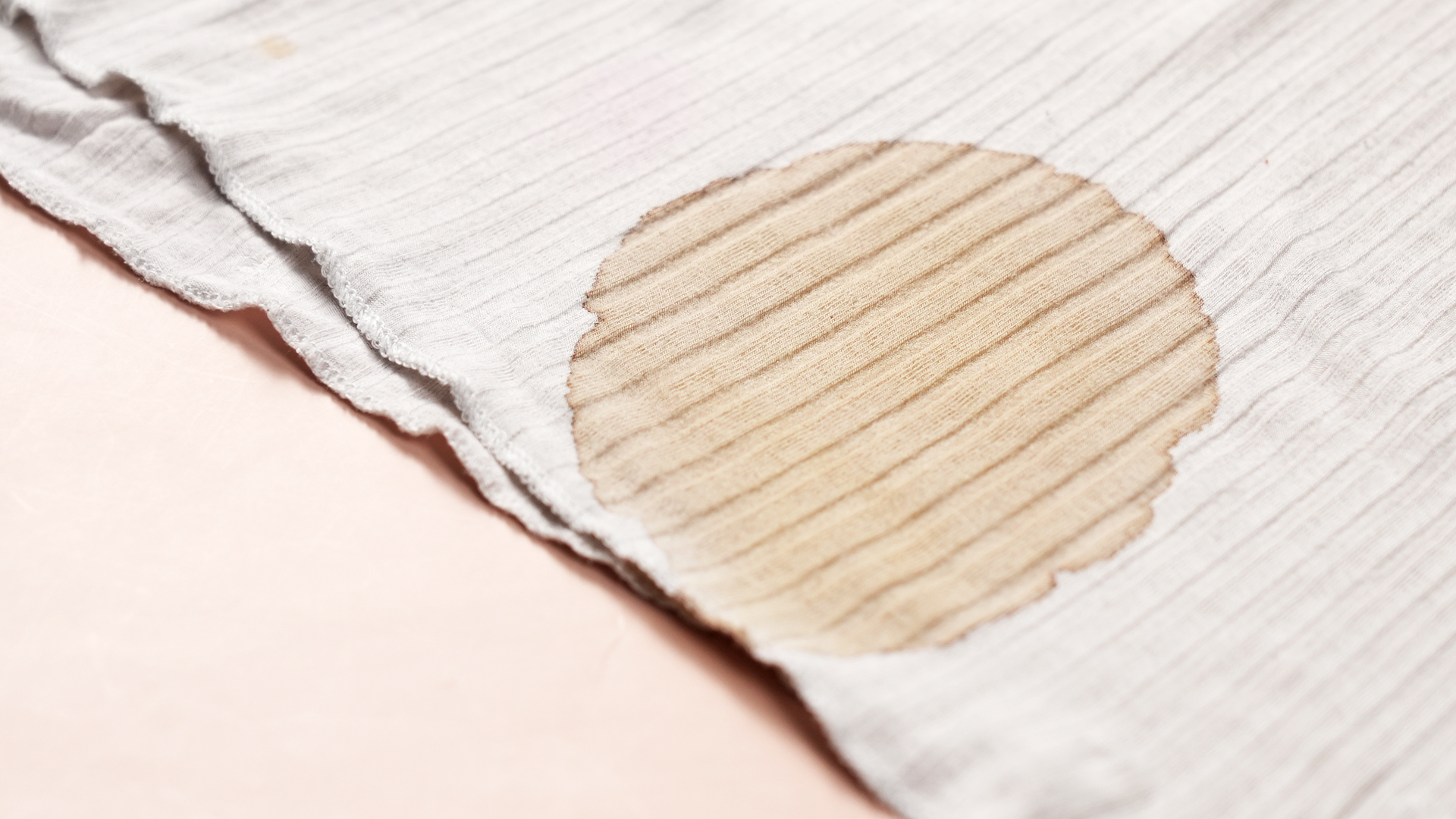

A white shirt and a full cup of coffee make a surprisingly dramatic pair. One confident sip, one unexpected elbow movement, and suddenly your clean outfit looks like it lost an argument with a cappuccino.
Fortunately, most coffee stains are removable, especially when you act before the garment reaches the dryer. Coffee contains natural pigments and tannins that can cling to fabric fibers, but water, detergent, oxygen-based stain removers, and a little patience can usually break that grip. The most important rules are simple: blot instead of rubbing, rinse from the back, follow the care label, and never apply dryer heat until the mark has disappeared.
This guide explains how to get coffee stains out of a white shirt using practical methods for fresh spills, dried marks, milky coffee, delicate materials, and even shirts that have already survived an unfortunate trip through the dryer.
Why Coffee Stains White Shirts So Easily
Coffee is mostly water, which is good news because a fresh spill can often be flushed out. The trouble comes from its dark plant-based compounds, particularly tannins. These colored substances settle into the tiny spaces between fabric fibers as the liquid dries.
A plain black coffee stain is primarily a beverage or tannin stain. A latte, mocha, or sweetened iced coffee is more complicated. Milk adds protein and fat, flavored creamer adds oils, and syrup contributes sugar and artificial coloring. In other words, your caramel macchiato may require more negotiation than your morning meeting.
Heat and time make matters worse. As moisture evaporates, the remaining material becomes more concentrated. Dryer heat can further fix the discoloration into the garment, which is why professional cleaning guidance consistently recommends checking a stain before tumble-drying.
What You May Need
You will not need every item listed below. Begin with the mildest treatment suitable for the shirt, then move to a stronger option only if the stain remains.
- Clean white cloths or plain paper towels
- Cool running water
- Clear liquid dish soap
- Heavy-duty liquid laundry detergent
- Commercial prewash stain remover
- Distilled white vinegar
- Oxygen-based bleach
- Chlorine bleach for eligible white garments only
- A soft-bristled toothbrush
- A clean basin, sink, or bucket
Before using vinegar, peroxide, bleach, or a commercial treatment, test it on a hidden seam. More importantly, read the care label. A shirt being white does not automatically mean it can handle chlorine bleach. White garments may contain spandex, decorative stitching, special finishes, wool, silk, or synthetic fibers that require gentler treatment.
How to Remove a Fresh Coffee Stain from a White Shirt
A fresh spill gives you the best chance of restoring the shirt completely. Try to begin treatment while the coffee is still damp.
Step 1: Blot the Excess Coffee
Place a clean white cloth or paper towel against the stain and press gently. Continue with clean sections of the towel until little additional liquid transfers.
Do not scrub. Aggressive rubbing can spread the coffee, force it farther into the fibers, and roughen delicate fabric. Think of blotting as quietly escorting the coffee out rather than starting a wrestling match.
Step 2: Rinse from the Back with Cool Water
Turn the shirt inside out or position the stained section with its reverse side facing the faucet. Run cool water through the back of the stain. This helps push the coffee outward along the path it entered instead of driving it deeper into the garment.
Cold or cool water is the safest starting point, particularly when the drink contained milk or creamer. Hot water can make protein-containing stains more difficult to remove.
Step 3: Pretreat with Liquid Detergent
Apply a small amount of liquid laundry detergent directly to the damp stain. Gently work it into the fabric with clean fingers or a soft brush. Allow it to remain for approximately 5 to 15 minutes, but do not let the detergent dry on the shirt.
A clear liquid dish soap can be used when laundry detergent is unavailable. Dish soap is particularly useful for coffee containing cream because it helps loosen oily residue. Rinse dish soap thoroughly before placing the garment in a washing machine, since excessive suds can create problems in high-efficiency machines.
Step 4: Wash According to the Care Label
Launder the shirt using a quality detergent and the warmest water permitted by its care instructions. Do not automatically choose the hottest cycle. Fabric type and care-label guidance should determine the temperature.
Step 5: Inspect and Air-Dry
Examine the stained area while the shirt is still wet. Damp fabric can temporarily hide a faint tan shadow, so check it under bright light. If any discoloration remains, repeat the treatment or use one of the stronger methods below.
Let the shirt air-dry until you are certain the stain is gone. Do not iron or machine-dry the affected area yet. Heat is a one-way door you do not need to walk through.
How to Remove a Dried Coffee Stain
An old coffee stain requires more soaking time, but “dried” does not necessarily mean “permanent.” Start by rehydrating the stain so the cleaning ingredients can reach the material trapped in the fibers.
- Soak the stained section in cool or lukewarm water for 15 to 30 minutes.
- Apply liquid laundry detergent and work it gently into both sides of the fabric.
- Allow the detergent to sit for 10 to 15 minutes.
- Rinse thoroughly and inspect the area.
- If the stain remains, presoak the shirt with oxygen bleach according to the product label.
- Wash normally, inspect again, and air-dry.
Oxygen-based bleach is often a useful next step for washable white shirts because it targets colored organic stains without the same fabric restrictions associated with chlorine bleach. Follow the package measurements rather than assuming that an extra scoop will produce an extra miracle. More product can be wasteful and may leave residue.
Easy Coffee-Stain Removal Methods
Method 1: Liquid Laundry Detergent
This is the best first treatment for most washable cotton, polyester, and cotton-blend shirts.
- Flush the stain with cool water.
- Cover it with a small amount of liquid detergent.
- Massage gently from the outer edge toward the center.
- Wait 5 to 15 minutes.
- Rinse and wash according to the label.
Working inward helps prevent the stain from expanding into a larger coffee-colored continent.
Method 2: Dish Soap for Coffee with Milk or Cream
Use clear dish soap when the drink contained milk, half-and-half, butter-based flavoring, or oily nondairy creamer.
- Rinse the shirt with cool water.
- Add one or two drops of clear dish soap.
- Gently work it through the stained fibers.
- Wait about 5 minutes.
- Rinse until no soap remains, then apply laundry detergent and wash.
Avoid hot water during the initial treatment because dairy protein can respond poorly to heat.
Method 3: White Vinegar Soak
Distilled white vinegar can help loosen lingering coffee discoloration on many washable fabrics. One commonly recommended approach is to combine approximately 1 quart of lukewarm water, 1 tablespoon of white vinegar, and a small amount of liquid dishwashing detergent. Soak the stained area for about 15 minutes, rinse thoroughly, and wash normally.
Do not pour vinegar into a container holding chlorine bleach, and do not apply the two products without fully rinsing the garment between treatments. Combining acids with chlorine bleach can release dangerous gas.
Method 4: Oxygen Bleach Presoak
For a stubborn brown shadow, dissolve an oxygen-based laundry bleach in water according to its label. Submerge the washable shirt for the recommended time, then wash it with detergent.
Oxygen bleach is generally more versatile than chlorine bleach, but “gentler” does not mean universally safe. Test first and avoid using it on materials excluded by the product or garment label.
Method 5: Chlorine Bleach for Bleach-Safe Whites
Chlorine bleach should be treated as a final option, not the opening act. Use it only when the care label permits chlorine bleach and the shirt is made from a compatible material.
Do not use chlorine bleach on wool, silk, leather, mohair, or garments containing significant amounts of spandex. It can damage elastic fibers and may cause yellowing or weakening when used incorrectly. Always dilute and dispense it exactly as directed; never pour concentrated bleach directly onto a shirt.
Method 6: Commercial Stain Remover
A prewash spray, gel, or stain-removing stick is convenient for large spills and old marks. Saturate the stain as directed, allow the product the recommended working time, and wash the shirt before the treatment dries.
Enzyme-containing products can be especially helpful when coffee includes dairy ingredients. Oxygen-based formulas are useful for the visible brown portion of the stain.
Does Baking Soda Remove Coffee Stains?
Baking soda is frequently promoted as a universal laundry hero, but it is not always the best first choice for coffee. A paste may absorb moisture or provide mild abrasion on durable fabric, yet excessive rubbing can damage the shirt’s surface.
Baking soda can also alter wash-water pH and may reduce detergent performance against certain acidic stains when the products are used together incorrectly. It should therefore be considered an optional follow-up treatment, not a guaranteed substitute for detergent or oxygen bleach.
Do not mix baking soda and vinegar in a container expecting a super-cleaner. The impressive fizz is mostly an acid-base reaction that neutralizes much of both ingredients. It may entertain the kitchen, but it is not necessarily improving your laundry chemistry.
What to Do When the Shirt Has Already Been Dried
A dryer-set stain is more difficult, but another cleaning attempt may still work.
- Soak the shirt in cool water to rehydrate the stain.
- Pretreat it with heavy-duty liquid detergent.
- Presoak it with fabric-safe oxygen bleach.
- Wash it using the care-label temperature.
- Inspect and repeat before applying any more heat.
Several treatment cycles may be necessary. Avoid harsh scrubbing between cycles because fabric damage will not make the remaining stain look any less noticeable.
Special Instructions for Different White Fabrics
Cotton and Linen
Most washable white cotton and linen shirts tolerate detergent, stain removers, and oxygen bleach well. They may also tolerate chlorine bleach when the label explicitly allows it. Repeated concentrated bleach treatments, however, can weaken fibers.
Polyester and Blended Fabrics
Begin with cool water, liquid detergent, and oxygen bleach. Check for spandex or elastane before considering chlorine bleach. Avoid boiling-water tricks because high heat can distort or damage some synthetic materials.
Silk, Wool, Cashmere, and Structured Garments
Blot the spill without rubbing, check the label, and use only a cleaner designed for that fiber. Dry-clean-only shirts, lined garments, tailored pieces, and valuable vintage clothing should be taken to a professional cleaner. Tell the cleaner what was spilled and which home treatments, if any, were attempted.
Common Mistakes That Make Coffee Stains Worse
- Rubbing immediately: This spreads the liquid and pushes it deeper into the weave.
- Using hot water on a milky drink: Heat can complicate protein-based residue.
- Drying too soon: Dryer heat can make the remaining mark significantly harder to remove.
- Ignoring the care label: White does not automatically mean bleach-safe.
- Combining cleaning chemicals: Never mix chlorine bleach with vinegar, ammonia, or other household cleaners.
- Applying too much product: Excess detergent or stain remover may be difficult to rinse away.
- Using colored soap: A strongly dyed cleaning product can leave a new mark while removing the old one.
- Scrubbing delicate fibers: A stain-free shirt with a fuzzy, stretched patch is not a complete victory.
Quick Coffee-Stain Treatment When You Are Away from Home
At a restaurant, office, airport, or hotel, your objective is not necessarily to finish the job. It is to remove excess coffee and keep the stain from drying until you can wash the shirt properly.
- Blot the spill with a white napkin or clean paper towel.
- Dampen another towel with cool water.
- Blot from the outside edge toward the center.
- Place a dry towel behind the fabric to absorb transferred liquid.
- Let the area air-dry and pretreat it properly as soon as possible.
Club soda can be used for dilution when plain water is unavailable, but it is not mandatory. Avoid lemon wedges, hand sanitizer, colored hand soap, and mysterious restroom products unless you are willing to trade one stain for an exciting new problem.
Practical Experiences and Lessons from Everyday Coffee Spills
The following representative experiences show how stain-removal principles work in realistic situations. They are composite examples based on common laundry mishaps rather than claims about one specific person or garment.
The Five-Minute Office Rescue
Imagine arriving at work in a crisp white cotton shirt and spilling black coffee before the first meeting. The immediate temptation is to rub the spot furiously with a dry paper towel. That usually spreads the coffee into a larger, paler ring.
A better response is to blot the liquid, visit the restroom, and rinse the stain from the back with cool water. Pressing the damp area between clean paper towels removes additional coffee. When the shirt is later pretreated with liquid detergent and washed, the stain often disappears in one cycle.
The lesson is not that office restrooms are glamorous laundry studios. It is that removing as much coffee as possible before it dries dramatically reduces the work required at home.
The Latte That Looked Gone but Came Back
A latte spill can appear to vanish after a quick rinse, only to leave a pale yellow-brown patch once the shirt dries. That happens because the visible coffee was diluted while milk fat and protein remained in the fibers.
In this situation, a small amount of clear dish soap can loosen the oily component. After rinsing out the dish soap, liquid laundry detergent or an enzyme stain remover can address the remaining organic residue. The garment should then be washed and air-dried for inspection.
The practical lesson is to identify the entire drink, not just its coffee content. Black coffee, sweet cold brew, mocha, and an oat-milk caramel latte may all land with the same dramatic splash, but they do not leave identical laundry problems.
The Forgotten Shirt at the Bottom of the Hamper
Sometimes a stained shirt does not receive immediate attention. It gets folded inward, dropped in the hamper, and rediscovered several days later like an unpleasant archaeological artifact.
For this dried stain, a quick wash may not be enough. Rehydrating the area in cool water, applying liquid detergent, and then using an oxygen-bleach presoak gives the cleaning ingredients more time to penetrate. The first treatment may fade the stain considerably, while a second cycle removes the final shadow.
The main lesson is patience. An old coffee stain often responds better to soaking and repetition than to aggressive brushing. Laundry is occasionally less about force and more about politely exhausting the stain until it leaves.
The Dryer Surprise
One of the most frustrating experiences occurs when a clean-looking shirt enters the dryer and emerges with a faint tan mark. The stain may have been nearly invisible while the fabric was wet, but heat made the remaining residue more noticeable and difficult to remove.
All is not necessarily lost. A long cool-water soak followed by heavy-duty detergent and a fabric-safe oxygen-bleach treatment may still work. More than one cycle may be needed, and the shirt should be air-dried between attempts.
This scenario teaches the most valuable coffee-stain habit: inspect before drying. Hold the wet shirt near a window or under bright light. Five seconds of inspection can prevent an hour of stain-removal negotiations later.
The “White Means Bleachable” Mistake
A white stretch shirt may look like a perfect candidate for chlorine bleach, yet its care label can tell a different story. Shirts containing spandex may lose elasticity or develop discoloration after chlorine exposure. Decorative thread, printed labels, buttons, and fabric finishes can also react unexpectedly.
A safer experience begins with detergent and oxygen bleach, followed by air-drying. Chlorine bleach should enter the process only when the label clearly permits it.
The lesson is wonderfully unexciting but important: read the tag. Laundry labels may be tiny, cryptic, and positioned exactly where they scratch your neck, but they can save the entire garment.
The Expensive Shirt Decision
When coffee lands on a silk blouse, wool shirt, vintage piece, or tailored dry-clean-only garment, enthusiasm for home chemistry should take a day off. Blotting gently and taking the item to a professional is often less expensive than replacing it after a failed experiment.
Bring the garment to the cleaner as soon as practical and explain whether the drink contained milk, sugar, syrup, or alcohol. Also disclose any water, soap, vinegar, or stain remover already applied. Accurate information helps the cleaner select an appropriate treatment.
The final lesson is knowing when not to improvise. Saving a basic cotton tee in the kitchen sink is satisfying. Testing six internet remedies on an heirloom silk shirt is simply a complicated way to shop for a new silk shirt.
Conclusion
The easiest way to get coffee stains out of a white shirt is to act quickly: blot the spill, flush it from the reverse side with cool water, pretreat it with liquid detergent, and wash according to the care label. Inspect the shirt before using a dryer.
For dried or stubborn stains, extend the treatment with a detergent soak, distilled white vinegar, a commercial stain remover, or fabric-safe oxygen bleach. Reserve chlorine bleach for truly bleach-safe white garments, and never combine it with vinegar, ammonia, or other cleaners.
Most importantly, match the treatment to both the fabric and the drink. A black coffee spill is simpler than a creamy mocha, and a washable cotton shirt is much more forgiving than silk or wool. With a calm response and the right sequence, your white shirt can return to work while the coffee goes back to its proper location: inside the cup.
Note: The instructions in this article synthesize current guidance from the American Cleaning Institute, Tide, Clorox, Whirlpool, Martha Stewart, Good Housekeeping, Better Homes & Gardens, Real Simple, The Spruce, Southern Living, OxiClean, Persil, and Seventh Generation. Always follow the garment care label and product safety directions.