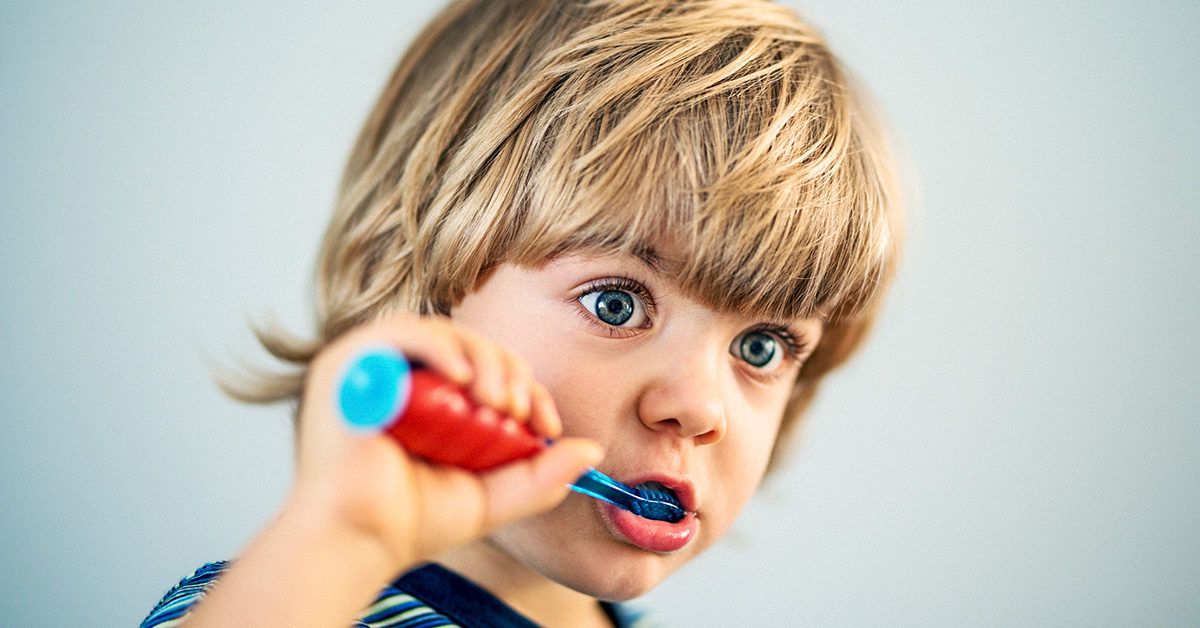

Few things in parenting and self-care spark more drama than a toothbrush. Babies clamp their lips shut like tiny bank vaults. Toddlers treat toothpaste like dessert paste. Adults buy “natural” tubes, whitening tubes, sensitive-teeth tubes, and occasionally the mystery tube that promises everything except filing your taxes. So it is fair to ask: is fluoride toothpaste actually safe for babies, toddlers, children, and adults?
The reassuring answer is yes, fluoride toothpaste is considered safe and effective when it is used in the right amount for the right age. In fact, it remains one of the simplest and most proven tools for preventing cavities. The trick is not avoiding fluoride toothpaste altogether. The trick is using it correctly, especially for young children who have not yet mastered the very grown-up skill of spitting instead of swallowing.
This guide breaks down what fluoride does, how much toothpaste each age group should use, what the real safety concerns are, and how families can make smarter choices without turning the bathroom into a courtroom drama.
What Fluoride Toothpaste Actually Does
Fluoride is a mineral that helps protect teeth from decay. It strengthens enamel, the hard outer layer of teeth, and helps repair early weak spots before they become full-blown cavities. Think of it as a small but hardworking security guard for your smile. It does not wear sunglasses, but it does a lot of quiet prevention.
That matters because tooth decay is common in both kids and adults. Baby teeth are not “practice teeth” that can be ignored until the permanent set arrives. They help children chew, speak, and hold space for adult teeth. In adults, cavities can still develop around fillings, along the gumline, and on exposed roots. Fluoride toothpaste supports cavity prevention across the lifespan, which is exactly why so many U.S. dental and medical organizations continue to recommend it.
Is Fluoride Toothpaste Safe by Age Group?
Babies: Safe When the First Tooth Appears
Once a baby’s first tooth erupts, fluoride toothpaste can be used in a very small amount. The recommended amount is a thin smear, roughly the size of a grain of rice. Yes, that is tiny. We are talking “blink and you missed it” tiny.
The reason for the small amount is simple: babies do not spit. A tiny smear helps deliver the cavity-fighting benefit of fluoride while limiting how much toothpaste is swallowed. For babies, brushing is usually done by a parent or caregiver with a soft infant toothbrush. The goal is consistency, not perfection. One good brush in the morning and one at night is a lot more useful than owning six adorable toothbrushes and using none of them.
Toddlers: Still Safe, Still Small, Still Supervised
Toddlers can continue using fluoride toothpaste safely, but the amount should still stay in the smear-or-rice-grain zone until age 3. This is the stage when children become deeply confident and wildly inaccurate at the same time. They want to brush “all by myself,” which is charming until they suck the toothpaste off the brush like it is strawberry frosting.
Parents should apply the toothpaste themselves and supervise brushing closely. Keep the tube out of easy reach between uses. The goal is to build the brushing habit without letting toothpaste turn into a snack. Most small, accidental tastes are not a serious emergency, but repeated swallowing over time is not a good routine.
Children Ages 3 to 6: Pea-Sized, Not Toothpaste Mountain-Sized
Once a child turns 3, the usual recommendation is a pea-sized amount of fluoride toothpaste. Not a large ribbon across the whole brush like a commercial. Not a foamy masterpiece worthy of an art grant. A pea-sized dot.
This is also the age when supervision remains important. Children under 6 often need help with both technique and portion control. They should be encouraged to spit out the toothpaste after brushing instead of swallowing it. Many kids also do better when adults model the routine: brush for two minutes, spit, smile, move on with life.
Why the caution? Because young children are still developing their permanent teeth beneath the gums. Repeatedly swallowing too much fluoride over time can contribute to dental fluorosis, a condition that usually causes faint white streaks or specks on teeth. In most mild cases, fluorosis is cosmetic rather than dangerous, but it is still something families would rather avoid if possible.
Older Children and Teens: More Independence, Same Basic Rules
Once children are old enough to spit reliably and brush well, fluoride toothpaste remains a smart daily standard. Older kids and teens may not need someone physically guiding the brush, but many still benefit from reminders about brushing twice a day, especially when life gets busy, braces happen, or midnight snacks start auditioning for a permanent role.
For this age group, fluoride toothpaste continues to help prevent cavities, especially in the grooves of back teeth and around orthodontic brackets. If a child has frequent cavities, a dentist may recommend stronger preventive options, but that decision should be personalized rather than copied from a social media comment section.
Adults: Yes, Fluoride Still Matters
Adults benefit from fluoride toothpaste too. In fact, stopping fluoride once you become old enough to complain about mortgage rates would be a strange plot twist. Adults can still get cavities, and risk may increase with dry mouth, gum recession, frequent snacking, acidic drinks, certain medications, or a history of dental work.
For most adults, a standard fluoride toothpaste is an easy, everyday choice. Some adults may also need specialty toothpaste for sensitivity, prescription-strength fluoride, or additional preventive care if they are at higher risk for decay. That does not mean everyone needs the strongest product on the shelf. It means adults should match their toothpaste to their actual dental needs, not just to whatever packaging looks the most dramatic.
How Much Fluoride Toothpaste Should You Use?
- Babies and children under 3: a smear the size of a grain of rice.
- Children ages 3 to 6: a pea-sized amount.
- Older children, teens, and adults: a regular amount suitable for effective brushing, usually a small ribbon, without excessive overloading.
Those age-based amounts sound simple, but they matter. One of the biggest real-world mistakes is using far too much toothpaste for young children. A little bit protects teeth. A giant blob mostly creates foam, mess, and the occasional minty meltdown.
The Real Safety Issue: Swallowing Too Much Too Often
When people worry about fluoride toothpaste safety, the main issue is usually not normal brushing. It is excessive ingestion. Small incidental swallowing during brushing is common in young children. That is why the recommended amount is so small in the early years.
The bigger concern is repeated overexposure during the years when permanent teeth are still forming. That can increase the risk of fluorosis. Again, mild fluorosis is often subtle, showing up as faint white marks. It is not the same thing as acute poisoning, and it does not mean a child’s overall health is in danger. Still, it is a useful reminder that more is not better.
If a child swallows a large amount of toothpaste at once, stomach upset can happen. In that situation, parents should check the product label and contact Poison Control or seek urgent medical advice based on the amount and the child’s age and symptoms. That is not the everyday scenario for typical brushing, but it is one reason toothpaste should be stored like any other household product rather than treated like bathroom candy.
What About Fluoride-Free Toothpaste?
Fluoride-free toothpastes exist, and some people choose them because they prefer certain ingredients, flavors, or marketing claims. But when cavity prevention is the goal, fluoride is the ingredient that earns the spotlight. Without it, toothpaste can still help remove debris and freshen breath, but it generally does less to actively prevent tooth decay.
For adults with very low cavity risk and strong preferences, a fluoride-free option may feel appealing. For children, especially those at normal or increased risk for cavities, skipping fluoride is usually not the stronger preventive choice. In other words, toothpaste without fluoride can clean teeth, but it is missing the part that does the heavy lifting against decay.
How to Choose a Good Fluoride Toothpaste
Look for Cavity Protection First
The best toothpaste is not always the fanciest one. For most families, the first priority should be fluoride and cavity protection. Whitening claims, charcoal drama, glittery gels, herbal legends, and packaging that looks like it belongs in a luxury perfume aisle are all secondary.
Pick a Flavor Your Family Will Actually Use
Mint is classic, but not everyone wants their mouth to feel like it just survived a snowstorm. Some children tolerate milder flavors better. A toothpaste that gets used consistently is more helpful than the ideal tube that sits untouched because everyone hates the taste.
Ask a Dentist About Special Needs
Some people need more targeted help. Examples include children with early cavities, teens with braces, adults with dry mouth, people with sensitive teeth, or older adults with exposed roots. In these cases, a dentist may suggest a specific formula or even prescription-strength fluoride toothpaste.
Common Myths About Fluoride Toothpaste
“If a little is good, a lot is better.”
Nope. This is true for pizza toppings only to a point, and it is definitely not true for toothpaste. The recommended amount matters, especially for little kids.
“Baby teeth do not matter because they fall out anyway.”
They matter a lot. Healthy baby teeth support nutrition, speech, comfort, and healthy development. Cavities in baby teeth are not harmless placeholders. They can be painful, expensive, and disruptive.
“Adults do not need fluoride if they brush well.”
Good brushing technique matters, but fluoride adds real protective value. Cleaning teeth is one job. Strengthening enamel is another. Fluoride toothpaste helps do both.
“Swallowing a tiny bit during brushing means fluoride toothpaste is unsafe.”
Not at all. Tiny incidental swallowing is expected in young kids, which is why guidance focuses on using very small amounts and supervising brushing. The issue is repeated excess, not normal use.
Practical Tips for Parents and Caregivers
- Start brushing when the first tooth comes in.
- Use a smear under age 3 and a pea-sized amount from ages 3 to 6.
- Put the toothpaste on the brush yourself.
- Supervise brushing until your child can brush well and spit reliably.
- Store toothpaste out of reach when not in use.
- Make brushing routine, not negotiable, like seat belts and bedtime.
It also helps to remember that children do not develop excellent brushing skills overnight. Fine motor control takes time. Many kids need help longer than parents expect. Independence is nice, but clean teeth are nicer.
Experiences, Routines, and Real-Life Lessons From Families and Adults
In real life, the fluoride toothpaste conversation rarely starts in a dental office. It usually starts in a kitchen, a pharmacy aisle, or a bathroom where a child has just painted the sink, mirror, and their own shirt with bubblegum toothpaste. Families often worry because the recommendations sound oddly specific. A grain-of-rice smear? A pea-sized amount? It can feel like oral hygiene has entered a precision engineering phase.
Many parents describe the same learning curve. At first, they assume more toothpaste means better cleaning because commercials have trained everyone to think a toothbrush should wear a dramatic stripe like it is headed to a toothpaste fashion show. Then a pediatrician or dentist explains that tiny amounts are correct for little kids, mostly because children swallow far more than adults realize. That one shift in understanding usually changes the routine fast.
Another common experience is the “my child loves toothpaste a little too much” phase. Some toddlers are not interested in brushing at all. Others are suspiciously enthusiastic because they enjoy the flavor and would happily request seconds. In those homes, caregivers often learn to keep the tube put away, apply the toothpaste themselves, and treat brushing like a structured activity instead of open-buffet mint time.
Families also notice that fluoride toothpaste becomes less controversial when it becomes boring. That may sound unromantic, but boring is a triumph. Once a child expects the same routine every morning and night, there is less debate. Pajamas, brushing, story, bed. Repeat. The power of a predictable routine should never be underestimated. It is not glamorous, but neither is paying for preventable dental work.
Adults have their own experiences with fluoride toothpaste too. Some people return to it after a cavity, tooth sensitivity, dry mouth, or expensive dental treatment reminds them that enamel is not self-healing magic armor. Others only start paying attention when gum recession exposes sensitive root surfaces and suddenly cold water feels personal. For many adults, the best toothpaste turns out not to be the trendiest one, but the one that keeps their mouth comfortable and their dentist pleasantly unexcited.
There is also the experience of information overload. One search online can turn a simple question into a three-hour spiral involving minerals, conspiracies, ingredient labels, and a stranger on the internet who appears to believe coconut oil can solve civilization. That is why evidence-based guidance matters. Most people do not need a dramatic reinvention of dental care. They need a practical routine they can actually follow.
In everyday terms, the safest and smartest experience is usually the least flashy one: use the right amount, brush twice a day, supervise kids, spit instead of swallow, and get personalized advice when cavity risk is high. It is not a viral wellness hack. It is just good sense with a toothbrush.
Final Takeaway
Fluoride toothpaste is generally safe for babies, toddlers, children, and adults when used as directed. The biggest mistake is not using fluoride toothpaste; it is using too much of it for young children or letting them swallow it regularly. A smear for children under 3, a pea-sized amount for ages 3 to 6, and steady supervision go a long way toward safe, effective brushing.
For adults, fluoride toothpaste remains one of the easiest ways to help prevent cavities and protect enamel over time. For families, the best strategy is refreshingly simple: start early, use the correct amount, keep expectations realistic, and do not let toothpaste commercials bully you into building a foam mountain on the brush.