
Editor’s Note: This article is written for web publication and based on synthesized design, organizing, and kitchen-care research from reputable U.S. home and lifestyle sources.
A Tiny Kitchen Detail With Main Character Energy
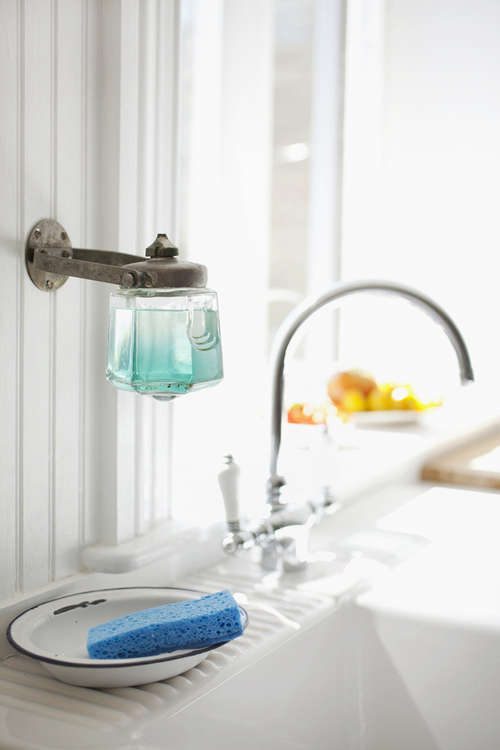
Some kitchen upgrades announce themselves with a sledgehammer. New marble counters. A farmhouse sink deep enough to bathe a golden retriever. Brass hardware that whispers, “Yes, I have a Pinterest board and a label maker.” Then there are the quieter design movesthe ones that make guests pause and say, “Wait, where did you find that?” A vintage soap dispenser as dish soap holder belongs firmly in that second category.
The idea is beautifully simple: instead of leaving a bright plastic bottle of dish soap sulking beside the sink, decant the soap into a vintage-style dispenserglass, ceramic, enamel, brass, stoneware, or an old apothecary-inspired bottle with a pump. Suddenly, the most ordinary chore in the kitchen looks intentional. Washing a skillet becomes slightly less tragic. The sponge still exists, unfortunately, but at least it has better company.
This “Design Sleuth” moment is not about turning your sink area into a museum. It is about spotting potential in an everyday object and giving it a better job. A vintage soap dispenser can bring warmth, patina, and personality to the kitchen while keeping dish soap within easy reach. It is part styling trick, part organization strategy, and part small domestic rebellion against ugly packaging.
Why a Vintage Soap Dispenser Works So Well in the Kitchen
The sink is one of the hardest-working areas in any home. It handles dirty dishes, vegetable rinsing, handwashing, flower trimming, paintbrush cleaning, and the occasional mysterious cup someone “was still using.” Because it is so functional, people often forget it can also be beautiful. A vintage dish soap holder solves one of the most common kitchen design problems: useful items that look visually noisy.
Modern dish soap bottles are practical, but they are rarely charming. Most are designed to shout from a grocery shelf, not blend into a well-styled kitchen. Their colors, labels, and plastic shapes can interrupt the visual calm of stone counters, wood cabinets, tile backsplashes, and carefully chosen hardware. Decanting dish soap into a refillable vintage dispenser creates a cleaner, more cohesive look.
It Adds Character Without Remodeling
A vintage soap dispenser offers the kind of detail that makes a kitchen feel collected rather than copied. A ribbed glass bottle feels classic and slightly apothecary. A ceramic pump with a crazed glaze adds cottage charm. An amber glass dispenser works beautifully in warm, rustic, or modern organic kitchens. A silver-toned or brass pump can echo cabinet pulls, faucets, or lighting fixtures.
Best of all, this is not a renovation. No contractor, no dust, no “we found something behind the wall” moment. It is a small, affordable change that can shift the mood of the sink area in five minutes.
It Makes the Counter Look Less Cluttered
Designers and professional organizers often repeat the same idea because it works: visible surfaces should feel intentional. When everything on the counter looks accidental, the kitchen feels cluttered even when it is technically clean. A refillable dish soap dispenser turns a necessary item into part of the design plan.
This is especially helpful in small kitchens, where every square inch must earn its keep. If your sink ledge holds dish soap, hand soap, a scrub brush, a sponge, a towel, and possibly a tiny ceramic frog your aunt gave you, the area can quickly become chaotic. A vintage dispenser gives the eye one attractive focal point and helps the space feel calmer.
What Counts as a Vintage Soap Dispenser?
“Vintage” can mean a true antique or simply a piece with old-world character. You do not need to track down a dispenser from a 1920s barbershop unless that sounds like your weekend sport. For kitchen use, the most practical options usually fall into a few categories.
Glass Apothecary Bottles
Glass apothecary-style bottles are among the easiest choices for a dish soap holder. Clear glass looks crisp and clean, while amber or green glass adds warmth and helps hide soap color variations. A ribbed or faceted glass bottle can catch light beautifully near a window and pair well with traditional, farmhouse, or transitional kitchens.
Ceramic and Stoneware Dispensers
Ceramic dispensers bring softness and texture. White ceramic feels fresh and classic. Speckled stoneware leans handmade and modern rustic. Blue-and-white ceramic can give a kitchen a collected, vintage European feel. If your kitchen already has handmade tile, open shelving, or pottery accents, a ceramic dish soap dispenser can tie the look together.
Metal or Enamel-Inspired Pumps
Metal details are useful when you want the dispenser to coordinate with your faucet or cabinet hardware. Brass looks warm and old-world. Polished nickel feels traditional and elegant. Matte black adds contrast in a modern farmhouse or industrial kitchen. Enamel-style dispensers can feel nostalgic, especially in cottage or country kitchens.
Repurposed Vintage Finds
The most interesting version may be a repurposed piece: an old lotion bottle, a vintage syrup bottle, a lab-style container, or a small glass decanter fitted with a modern pump. This approach gives the sink area a one-of-a-kind feel. The key is function. The container must be stable, washable, and compatible with a pump top that dispenses dish soap smoothly.
How to Choose the Right Vintage Dish Soap Holder
Beauty matters, but dish soap is not perfume sitting politely on a vanity tray. It is used constantly. A good dispenser must survive wet hands, slippery counters, hurried cooking, and the person in the household who presses the pump like they are testing a fire alarm.
Look for a Stable Base
A narrow, top-heavy dispenser may look elegant but tip over easily. Choose a bottle with enough weight at the bottom to stay put. Ceramic, stoneware, and thick glass are usually more stable than thin plastic or lightweight metal. If the dispenser will sit near the sink edge, stability is not optional. It is the difference between “charming kitchen detail” and “soap lands in your shoe.”
Pick the Right Pump
The pump should be smooth, sturdy, and easy to press with one hand. Dish soap is thicker than hand soap, so a flimsy pump may clog or dispense too little. Stainless steel, brass-finish, or high-quality plastic pumps often perform better than decorative pumps that were made only to look cute in product photos.
Choose a Practical Capacity
A tiny bottle may look adorable, but refilling it every two days gets old fast. For most kitchens, a dispenser that holds around 10 to 16 ounces is practical. It keeps the counter looking neat while reducing refill frequency. If you cook daily or have a large household, lean larger.
Match the Finish to Your Kitchen
A vintage soap dispenser should feel like it belongs. Match the pump finish to your faucet or cabinet hardware for a polished look. If your kitchen mixes metals, choose one finish already present in the room. For example, an amber glass bottle with a black pump can complement black window frames, while a clear glass dispenser with a brass pump can echo warm brass pulls.
Styling a Vintage Soap Dispenser Beside the Sink
The fastest way to make a dish soap holder look intentional is to give it a small “home.” That does not mean building a shrine to dishwashing, although after Thanksgiving dinner, maybe it deserves one. A simple tray, saucer, or stone slab can visually anchor the dispenser and protect the counter from drips.
Use a Tray to Create a Sink Station
Place the vintage dispenser on a small tray with a scrub brush and a folded dishcloth. Choose materials that can handle moisture: marble, ceramic, metal, sealed wood, resin, or glass. A tray keeps items grouped, which makes the counter look organized even when the kitchen is busy.
Pair It With Natural Textures
Vintage pieces look especially good with natural materials. Try a wooden dish brush, a linen towel, a small stoneware dish for a sponge, or a tiny potted herb nearby. The combination of aged glass, ceramic, wood, and fabric creates a layered look that feels warm rather than staged.
Keep the Area Edited
The goal is not to move every cleaning tool onto the counter because now everything is “styled.” Keep only what you use daily. Store backup soap, extra sponges, dishwasher pods, and specialty cleaners under the sink or in a nearby cabinet. The vintage dispenser should simplify the scene, not invite a supporting cast of clutter.
Vintage Soap Dispenser Ideas by Kitchen Style
Farmhouse Kitchen
For a farmhouse kitchen, choose clear glass, white ceramic, or enamel-inspired dispensers. Pair the dispenser with a wood-handled brush and a small ceramic sponge dish. A simple label reading “Dish Soap” can work, but avoid overly fussy typography if you want the look to feel current rather than craft-fair dramatic.
Modern Kitchen
In a modern kitchen, keep the shape simple. Try a cylindrical amber glass bottle, matte black pump, or smooth stoneware dispenser. Let the vintage reference come through in the material rather than ornate decoration. The result feels warm but still clean-lined.
Cottage Kitchen
Cottage kitchens love personality. A floral ceramic dispenser, blue-and-white pottery, or an old-fashioned ribbed glass bottle can look right at home. Add a gingham towel or a small tray with scalloped edges if you enjoy a little sweetness. Just stop before the sink starts looking like it is auditioning for a jam label.
Industrial Kitchen
For an industrial kitchen, consider amber glass, dark metal pumps, or vintage lab-inspired bottles. Pair with stainless steel, concrete, soapstone, or black accents. A minimalist label can enhance the utility-room mood without making the counter feel too decorative.
Traditional Kitchen
A traditional kitchen pairs beautifully with polished nickel, brass, porcelain, or cut-glass details. Look for a dispenser that feels refined but not fragile. A classic glass bottle with a metal pump can echo bridge faucets, marble counters, and inset cabinetry.
Why Refillable Dispensers Are a Smart Everyday Upgrade
Using a refillable dish soap holder can reduce the number of disposable plastic bottles you keep on the counter and buy over time. It also allows you to purchase larger refill containers, which can be more convenient for busy households. Beyond the environmental angle, refillable dispensers help create consistency. Your sink area looks the same no matter which brand of soap you prefer that month.
There is also a behavioral benefit: when an everyday item looks good and works well, people are more likely to keep the area tidy. A beautiful dispenser will not wash the dishes for yourude, franklybut it may make the sink feel less like a punishment zone.
How to Clean and Maintain a Vintage Dish Soap Dispenser
A dish soap dispenser lives in a wet, busy area, so maintenance matters. Rinse the outside regularly to remove soap residue. Wipe the pump and neck of the bottle, where drips often collect. If the pump begins to stick, remove it and run warm water through the tube. For thicker dish soaps, adding a small amount of water can help the pump work more smoothly, but do not over-dilute the soap unless the manufacturer recommends it.
If you are using a true vintage container, inspect it carefully before filling. Avoid bottles with cracks, flaking interior finishes, rust inside the cap area, or unstable bases. Decorative antiques are not always food-safe or water-safe, even if they look sturdy. When in doubt, use the vintage piece as a decorative outer holder and place a modern refillable bottle inside or nearby.
Common Mistakes to Avoid
Choosing Form Over Function
The prettiest dispenser in the world is not helpful if it clogs, leaks, rusts, or topples into the sink. Test the pump, check the weight, and make sure the opening is wide enough for easy refilling. A beautiful object should make the kitchen better, not add another tiny domestic problem to your Tuesday.
Using Too Many Matching Accessories
A matching hand soap, dish soap, lotion, sponge holder, brush cup, and tray can look tidy, but it can also feel overly manufactured. Vintage style works best when it has a little looseness. Mix one or two coordinated pieces with natural textures for a more relaxed, collected look.
Forgetting About Drips
Dish soap drips happen. Place the dispenser on a washable tray or saucer to protect wood counters, porous stone, or grout lines. This small step keeps the styling practical and prevents cloudy rings or sticky residue.
Where to Find Vintage-Inspired Soap Dispensers
Good candidates can appear in many places: antique shops, flea markets, estate sales, online vintage marketplaces, home stores, kitchen boutiques, and artisan ceramic shops. Search for terms such as “vintage glass soap dispenser,” “amber dish soap dispenser,” “ceramic soap pump,” “apothecary soap bottle,” “brass pump dispenser,” and “stoneware kitchen soap dispenser.”
If you want authenticity, look for real age: slight irregularities in glass, worn metal, old markings, or handmade ceramic texture. If you want convenience, choose a new vintage-inspired dispenser with modern pump parts. There is no shame in reproduction pieces. The dish soap does not check provenance.
DIY: Turn a Vintage Bottle Into a Dish Soap Holder
For a simple DIY version, start with a clean glass bottle that has a sturdy base and a neck compatible with a pump. Many pump tops fit standard bottle openings, but measuring first saves frustration. Wash the bottle thoroughly, remove old residue, and let it dry completely. Add dish soap with a funnel, screw on the pump, and test the flow.
If the bottle needs a label, choose a waterproof label or keep it blank for a cleaner look. A blank bottle often feels more elevated, especially if the shape and material are already attractive. For safety, avoid mystery vintage containers that once held chemicals or unknown liquids. Cute is good. Unknown residue is not cute.
Real-Life Experience: What It’s Like to Use a Vintage Soap Dispenser Every Day
After living with a vintage-style dish soap holder, the biggest surprise is how quickly it disappears into the rhythm of the kitchenin the best way. At first, it feels like a styling decision. You notice the glass catching light, the pump matching the faucet, the little tray making the sink look more finished. Then, after a few days, it simply becomes how the kitchen works.
The first practical benefit is visual calm. A sink area can look messy even when it has only three things on it, especially if those things are colorful plastic bottles with large labels. Replacing one of those bottles with a vintage dispenser makes the whole counter feel quieter. It is the same dish soap, doing the same job, but it no longer looks like it escaped from a supermarket aisle.
The second benefit is convenience. A good pump makes dishwashing easier because you can dispense soap with one hand while holding a pan, sponge, or plate in the other. This matters more than expected. When cooking gets chaotic, small efficiencies feel luxurious. Press, scrub, rinse, done. No flipping open a cap with wet fingers. No slippery bottle sliding toward the sink like it has chosen freedom.
There are a few lessons, though. The pump quality matters more than the bottle. A gorgeous dispenser with a weak pump will become annoying fast. Thick dish soap can clog narrow tubes, and cheap metal finishes may spot or rust if they stay wet. The best setup is a sturdy bottle with a replaceable pump. That way, if the pump wears out, the whole piece does not become useless.
Another lesson is to use a tray. Even the neatest person will eventually leave a drip of soap near the base. A small ceramic tray or stone saucer catches residue and makes cleaning easier. Once a week, lift the dispenser, rinse the tray, wipe the counter, and everything looks fresh again. This tiny maintenance habit prevents the “beautiful but sticky” problem that haunts many styled kitchen corners.
The dispenser also changes how people treat the sink area. When the soap bottle looks intentional, it becomes easier to keep the surrounding space intentional too. You may find yourself putting the sponge in a proper dish, folding the towel, or clearing the random bottle of counter spray that wandered in from another room. One attractive object can create a small ripple effect. It gently suggests, “We are adults here,” even if dinner is cereal.
For families or shared kitchens, labeling can help. If you keep both hand soap and dish soap near the sink, two similar dispensers may confuse people. A subtle waterproof label, different bottle shapes, or different pump finishes can solve the problem. Clear communication saves someone from washing a greasy skillet with lavender hand soap and calling it “basically the same.”
The best part is that the upgrade feels personal. Unlike a standard built-in dispenser, a vintage dish soap holder can be changed with the season, the kitchen style, or your mood. Amber glass in fall, white ceramic in spring, green glass in a cottage kitchen, brass pump for a warmer looksmall swaps can refresh the sink without buying new appliances or repainting cabinets.
In daily life, the vintage soap dispenser proves that useful objects deserve good design. Not every beautiful kitchen detail has to be expensive or dramatic. Sometimes the most satisfying upgrade is the one you touch ten times a day without thinking. It makes an ordinary task smoother, reduces visual clutter, and adds a little charm to the place where real life happens: right between the dirty plates and the clean ones.
Conclusion: A Small Detail That Makes the Kitchen Feel Collected
A vintage soap dispenser as dish soap holder is a small design move with an outsized effect. It hides unattractive packaging, supports a refillable routine, adds character to the sink, and makes everyday dishwashing feel a little more considered. Whether you choose amber glass, white ceramic, brass, stoneware, or a repurposed flea-market find, the best dispenser is one that balances beauty with function.
In a world of giant kitchen renovations, this is a refresh anyone can try. No demolition. No design degree. No emergency call to a plumber. Just a better-looking bottle, a reliable pump, and a sink area that finally feels like it belongs in the room. The dishes will still be there, of course. But at least now they can admire the view.