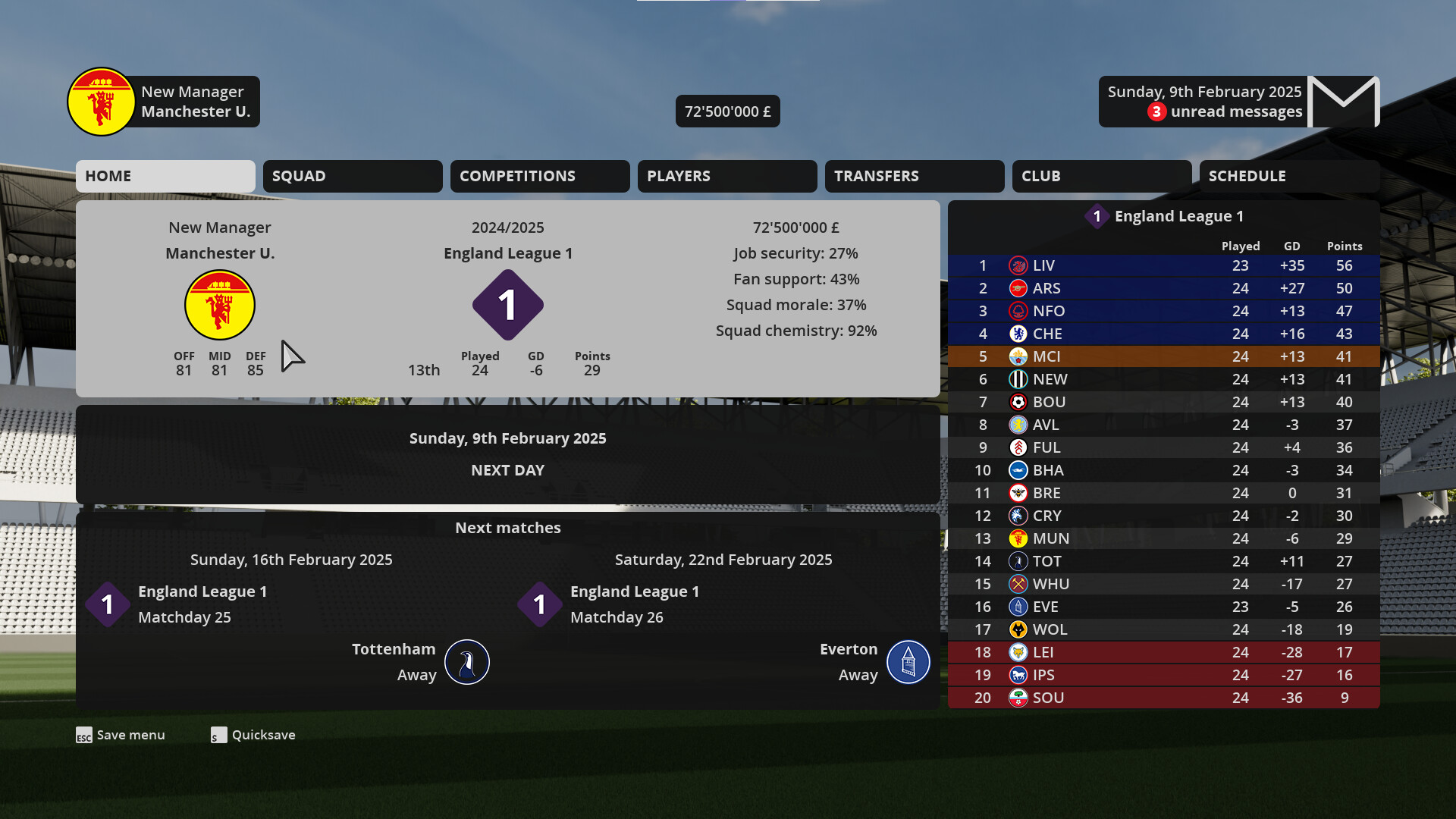
Whether you are managing a global football powerhouse or building a legendary basketball dynasty, success rarely comes down to talent alone. Team formation sports games challenge your ability to think like a general manager, requiring a precise blend of scouting, financial planning, and tactical acumen to build a winning roster. These titles offer more than just gameplay; they serve as digital playgrounds for testing your understanding of athlete valuation and competitive balance. If you are looking to elevate your virtual franchise, you must look beyond top-tier player ratings and start considering the intricate variables that turn a collection of individuals into a cohesive championship contender.
In this guide, we will break down the essential pillars of roster construction, from mastering salary cap constraints to developing high-level managerial sports strategies. You will learn how to optimize your squad through data-driven decisions, chemistry-focused scouting, and dynamic tactical adjustments that give you an edge in every simulation. Whether you are aiming for short-term glory or long-term dominance, these insights will help you construct a team capable of reaching the top of any digital leaderboard.
1. Mastering the Fundamentals of Team Formation Sports Games
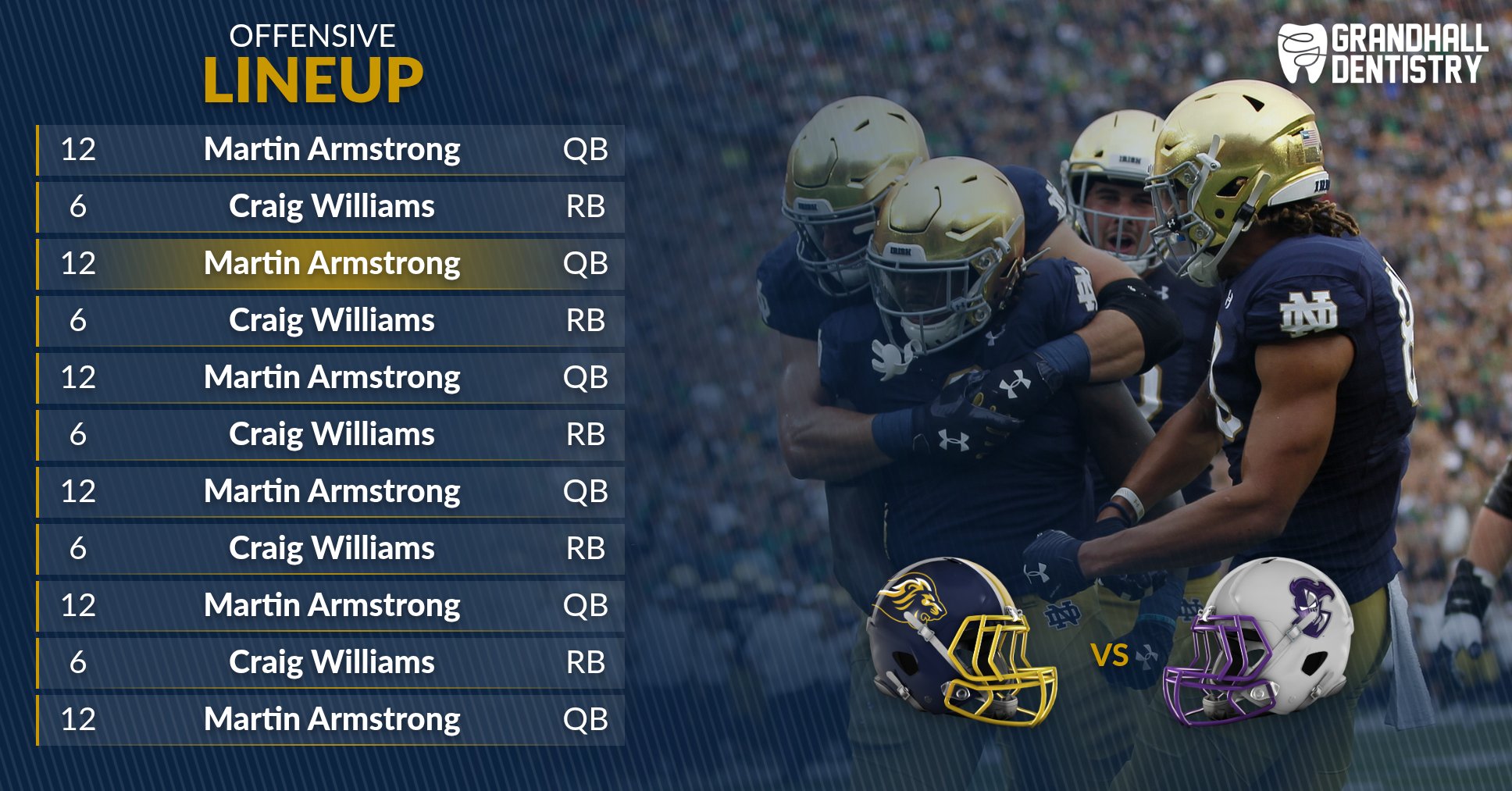
At the heart of every successful digital franchise lies a well-constructed roster. Whether you are managing a global football powerhouse or building a bespoke squad from the ground up, team formation sports games require a delicate balance of analytical foresight and intuitive decision-making. If you want to elevate your play, you must move beyond simply picking your favorite athletes and instead focus on how individual traits interact within a collective system.
1.1 Deciphering Core Roster Construction Mechanics
Effective roster building begins with understanding the engine under the hood of your game. Every player comes with a unique set of variables that determine their value on the field, court, or track.
1.1.1 Evaluating Player Archetypes and Skill Distributions
Stop looking solely at overall ratings; they are often a hollow metric that hides functional weaknesses. Instead, break down every player into specific archetypes. Are you drafting a defensive specialist who lacks offensive utility, or a versatile playmaker who can adapt to changing game states? Success in team formation sports games often comes from recognizing which stats are non-negotiable for a specific role. A striker with elite finishing but poor positioning will often ghost through matches, while a mid-tier midfielder with high vision stats can elevate your entire attack through superior distribution.
1.1.2 Balancing Salary Caps versus Draft Budget Constraints
Your roster is ultimately limited by the game’s economic framework. Learning to balance your budget is perhaps the most critical skill for long-term survival. Avoid the temptation to blow your entire draft budget on one superstar. A balanced team—where resources are distributed across starters, high-potential prospects, and reliable depth—will almost always outperform a top-heavy squad that collapses the moment a key player suffers an injury or faces a fatigue penalty. Master these managerial sports strategies by prioritizing “value buys” who provide high-level output relative to their salary cost.
1.2 The Science of Team Chemistry and Tactical Synergy
Great teams are rarely just collections of individual stars; they are cohesive units that function as more than the sum of their parts. Achieving true tactical synergy requires deep attention to how your players relate to one another on the pitch.
1.2.1 Identifying Hidden Stat Modifiers in Squad Links
Most modern sports simulations feature hidden chemistry mechanics. These often manifest as stat boosts when players share the same club, nationality, or league. Before finalizing a formation, check for these hidden multipliers. Placing two players with a high “link” rating side-by-side can significantly improve their positioning and pass completion rates. Always prioritize building these connections, as they provide a passive performance floor that keeps your team competitive even when individual player form dips.
1.2.2 Leveraging Positional Versatility to Enhance System Compatibility
Rigidity is the enemy of progress. Look for players who can function in multiple slots. This flexibility is invaluable during mid-game tactical shifts or when rotation is necessary to manage match fitness. A player who can slide from wing-back to defensive midfield allows you to change your formation without burning a substitution, giving you a massive tactical advantage over an opponent stuck in a one-dimensional system.
1.3 Selecting a Winning Playstyle Philosophy
Before you scout your first player, define your identity. Are you looking to dictate the flow through possession, or do you prefer to absorb pressure and strike on the counter-attack?
1.3.1 Defining High-Tempo Offensive Frameworks
If you choose an aggressive, high-tempo philosophy, your roster must be built for endurance and high work rates. You will need players with superior stamina and acceleration. This approach demands a high line of engagement, meaning your defenders must possess the recovery speed to handle counter-attacks, while your attacking unit must excel at quick, one-touch passing to break down defenses before they settle.
1.3.2 Constructing Lockdown Defensive Structures
Alternatively, a defensive-first philosophy focuses on shape, discipline, and physicality. Here, you prioritize strength, tackling attributes, and aerial dominance. Your roster construction should center on a holding midfielder capable of shielding the backline and central defenders who can win individual duels. While this style is less flashy, it is incredibly effective for tournament play where preventing goals is just as vital as scoring them.
2. Advanced Strategies for Team Formation Sports Games Success
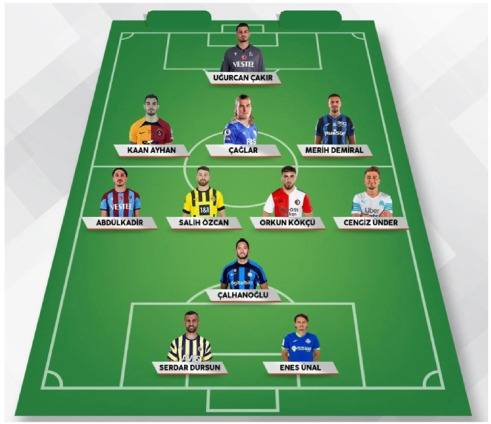
Moving beyond the basics of roster construction requires a shift toward a more analytical mindset. Achieving consistent success in team formation sports games is rarely about picking the highest-rated individual players; it is about how those assets function as a cohesive unit within a specific system. By refining your approach to data, tactical flexibility, and long-term planning, you can gain a significant competitive edge.
2.1 Utilizing Data and Analytics for Roster Optimization
Successful managers often treat their roster like a dynamic portfolio. Rather than relying on gut instinct, you should use available performance metrics to identify players who provide high value relative to their cost. By scrutinizing hidden stats—such as positioning awareness or specific play-type efficiency—you can often uncover “moneyball” assets that outperform their market price, allowing you to allocate your budget toward other key positions.
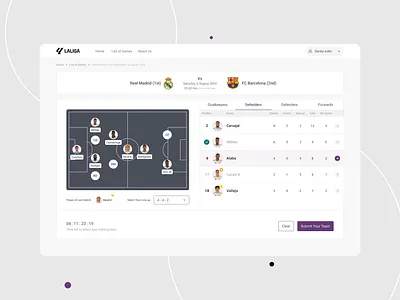
Visualizing your team’s architecture is just as critical as the data itself. Leveraging digital lineup builders can help you identify tactical gaps that aren’t immediately obvious on a spreadsheet. These tools allow you to simulate how your current lineup performs against various common archetypes, ensuring your squad isn’t overly vulnerable to specific offensive or defensive schemes.
2.2 Mid-Game Management and Dynamic Tactical Adjustments
A static formation is a losing formation. Advanced players understand that real-time adjustments are the hallmark of high-level managerial sports strategies. When the opponent’s AI shifts its approach, you must be ready to counter. This might involve changing your defensive pressure, adjusting your offensive tempo, or rotating personnel to exploit a mismatch that has developed during the course of the match.
Effective management also requires careful monitoring of player condition. Fatigue and injury risk are silent killers in long-term campaigns. By maintaining an active rotation, you ensure that your key players are performing at peak capacity when it matters most. Using your substitutes effectively is not just about keeping legs fresh; it is about deploying specific tactical specialists during high-leverage moments to swing the momentum of the game in your favor.
2.3 Long-Term Franchise Development and Asset Management
Sustainability is the cornerstone of any great dynasty. Building a winning team for the long haul requires a clear vision for the future, which means you must constantly scout for talent in upcoming draft cycles. You should always aim to balance your current roster’s immediate production with the long-term development of rookie prospects, ensuring you have a pipeline of talent ready to step up when veterans inevitably regress.
Managing the financial lifecycle of your players is equally vital. Avoid the trap of over-committing cap space to aging stars who are entering their decline phase. Instead, prioritize contract efficiency by cycling out veterans as they hit their regression curves and re-investing those resources into younger, rising stars. This proactive approach to asset management prevents your franchise from stagnating and keeps your team competitive year after year.
Mastering the art of team formation sports games is about more than just picking your favorite athletes; it is a delicate balance of analytical foresight and tactical intuition. By focusing on chemistry, understanding the nuances of salary caps, and leaning into data-driven roster construction, you transform from a casual player into a true general manager capable of sustaining long-term success. Whether you are navigating the complexities of championship career modes or testing your squad through rigorous tournament bracket simulations, the principles of synergy and value remain your most potent tools.
Remember that even the most talented rosters can falter without the right management strategy to back them up. Consistency in performance often comes down to how well you adapt to mid-game challenges and how effectively you manage your team’s development over multiple seasons. If you want to refine your approach further, you can explore more managerial sports strategies to help sharpen your decision-making on and off the field. Building a winning roster is an ongoing journey of experimentation and adjustment, so stay patient, keep analyzing your metrics, and enjoy the process of crafting your ultimate sports dynasty.