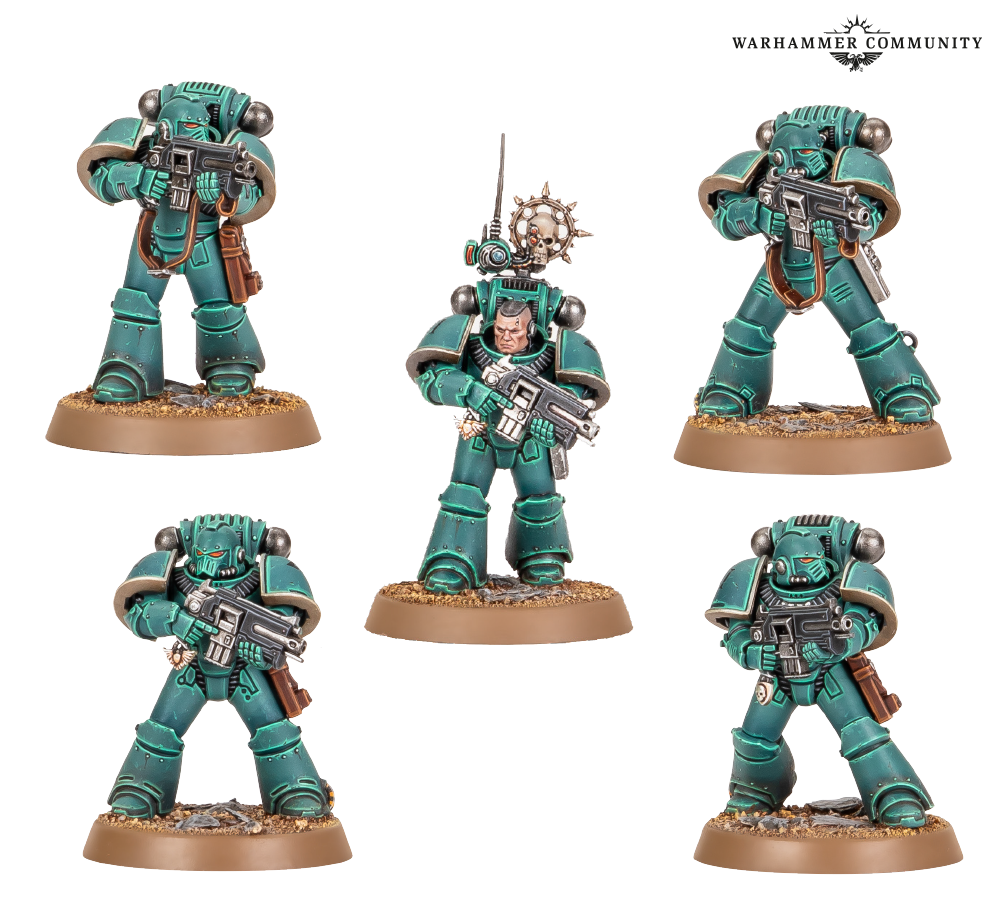
In the fast-paced world of competitive gaming, mastering arena projectile combat is often the difference between securing a victory and facing an early respawn. Unlike hitscan weapons that offer instantaneous impact, projectile-based armaments require players to account for travel time, environmental factors, and enemy movement patterns. Whether you are navigating intense cover-based tactical firefights or attempting to land a perfect long-range shot, success relies on a blend of mechanical skill and deep spatial awareness. In this guide, we will explore the essential tactics, weapon customization paths, and movement strategies required to dominate the arena. By refining your understanding of ballistics and optimizing your loadout, you will elevate your gameplay from reactive skirmishing to calculated, high-level dominance. Get ready to break down the core mechanics of precision aiming and learn how to maintain the upper hand in even the most chaotic digital battlegrounds.

1. Mastering Arena Projectile Combat Mechanics and Tactical Loadouts

Arena projectile combat is rarely just about raw reflexes; it is an intricate dance of physics, timing, and environmental awareness. Unlike hitscan weapons that deal damage instantly, projectile-based gameplay forces you to account for travel time, making every shot a prediction rather than a reaction. To dominate these high-intensity environments, you must internalize the ballistic properties of your armory and integrate them into your broader tactical approach.
1.1 Understanding Ballistic Physics for Precision Aiming
1.1.1 Calculating Velocity and Travel Time for Moving Targets
The core of mastering projectile weaponry lies in your ability to lead targets. You are not aiming at where the enemy is, but where they will be by the time your projectile reaches them. Analyze the travel speed of your current weapon; slower projectiles require significant lead distance. If you are struggling with accuracy, try to observe the movement patterns of your opponents. Most players move in predictable arcs or favor specific directions, allowing you to establish a rhythm of fire that intercepts their path rather than chasing their silhouette.
1.1.2 Compensating for Gravity and Vertical Projectile Drop
Many arena titles simulate real-world physics, meaning your shots will lose altitude over long distances. Familiarize yourself with the drop-off rate of your preferred equipment. When engaging targets at extreme ranges, you must aim slightly higher than your target’s hitbox. Practicing on fixed targets at varying distances is essential, as this helps you develop the muscle memory needed to intuitively adjust your reticle without conscious thought during the chaos of a match.
1.1.3 Determining Optimal Engagement Distances for Projectile Weapons
Every weapon has an ideal range where its projectile speed and damage drop-off are balanced for maximum efficiency. Pushing your weapon beyond its effective limit often results in wasted ammunition and missed opportunities. Learn to recognize the “sweet spot” for your loadout. If you find your shots are consistently falling short or failing to secure eliminations, you may be engaging too far from your target or attempting to use a close-quarters tool in a long-range scenario.
1.2 Strategic Weapon Selection and Upgrade Priorities
1.2.1 Evaluating Projectile Speed versus Raw Damage Output
When selecting your gear, prioritize projectile speed if you are playing a highly mobile role, as it simplifies target tracking and reduces the margin for error. Conversely, if your playstyle relies on punishing static targets or clearing groups, prioritize raw damage output. You can find detailed guides on optimizing your gear setup by visiting our squad based tactical assault overview to see how team roles influence weapon choice.
1.2.2 Building Synergistic Loadouts for Diverse Map Environments
A successful loadout is flexible. Ensure your primary weapon covers your main engagement range, while your secondary provides a contingency, such as high-fire-rate capabilities for emergencies. Consider the map layout; tight corridors favor high-impact, short-range projectiles, while open arenas necessitate weapons with flatter trajectories. Creating synergy between your weapons and map knowledge allows you to maintain pressure regardless of the terrain.
1.2.3 Maximizing Resource Allocation for Mid-Game Gear Progression
Mid-game success is dictated by how you distribute resources. Invest your points or upgrade slots into weapon modifications that mitigate your projectile’s weaknesses. For example, if your weapon suffers from low velocity, invest in muzzle attachments that boost speed. Do not hoard resources; proactive upgrades provide the incremental edge needed to outgun opponents who are still relying on base-level equipment.
1.3 Essential Movement Fundamentals for Projectile Users
1.3.1 Utilizing Strafing and Crouch-Sliding to Disrupt Enemy Aim
Since your opponents are also dealing with projectile travel time, you must make yourself a difficult target to lead. Incorporate erratic strafing patterns and weave in crouch-slides to shift your vertical profile suddenly. By changing your speed and altitude unpredictably, you force your enemies to constantly re-adjust their aim, significantly increasing their chances of missing you.
1.3.2 Managing Corner Peaking and Tight Cover Positioning
Never fully expose yourself in an open space. Utilize “slicing the pie” techniques to clear corners, exposing only as much of your character as necessary to get a clean shot. This minimizes your silhouette and provides an immediate retreat path. Mastering corner peeking allows you to dictate the tempo of the engagement, giving you the first-strike advantage in most firefights.
1.3.3 Navigating Map Geometry to Control Lines of Sight
Control the engagement by moving between points of cover that restrict enemy lines of sight. Use elevated positions to force opponents to aim upward, which often makes their tracking more difficult due to camera limitations. By effectively navigating the map’s geometry, you can maneuver into flanking positions that render the enemy’s defensive setup obsolete.
2. Advanced Arena Projectile Combat Strategies and Optimization

2.1 High-Level Tactical Maneuvers and Defensive Play
2.1.1 Baiting Enemy Cooldowns and Forcing Ammunition Waste
Effective arena projectile combat is rarely about raw aim; it is about psychological warfare and resource management. Professional players often rely on baiting to create windows of opportunity. By peeking into a lane with minimal movement or firing a single non-lethal warning shot, you can trick an opponent into burning their defensive cooldowns or unleashing a full magazine into a wall. Once they are mid-reload or restricted by a cooling ability, you can capitalize on their vulnerability. Forcing an opponent to waste ammunition is a powerful defensive tool, turning their aggression into a liability while you maintain your own supply of offensive resources.
2.1.2 Exploiting Splash Damage to Neutralize Entrenched Opponents
When dealing with targets locked behind solid cover, direct shots are often ineffective. Instead, prioritize projectiles with area-of-effect (AoE) properties. By aiming at the floor or wall directly adjacent to an opponent’s position, you can bypass their defensive angle. Even if the damage is reduced, it disrupts their rhythm and forces them to relocate. If you are struggling against these types of defensive positions, mastering cover-based tactical firefights is essential to understanding how to turn these standoffs in your favor.
2.1.3 Coordinating Team Volleys to Overwhelm Defensive Barriers
In squad-based scenarios, individual fire is easily absorbed by shields or barriers. To break these defenses, coordinate a simultaneous volley with your teammates. By timing your projectile arrivals to hit a barrier at the exact same moment, you can force the defensive cooldown to break instantly or exceed its absorption threshold. This requires tight communication but turns a stalled lane into an immediate opening for a push.
2.2 Analyzing Gameplay for Continuous Improvement
2.2.1 Identifying Patterns in Enemy Movement via HUD Interpretation
Your heads-up display (HUD) provides more than just health and ammo data; it is a source of movement intelligence. Watch for red pings or teammate markers that vanish in specific patterns, which often signal enemy flanking routes or common sniping spots. Understanding these visual cues allows you to anticipate where opponents will appear, enabling you to pre-fire or position yourself before they even step into view.
2.2.2 Conducting Post-Match Reviews to Spot Tactical Errors
The best way to refine your skills is through objective post-match review. During these sessions, look past your missed shots and focus on your decision-making. Did you push when you were outnumbered? Did you fail to monitor your peripheral vision? Recognizing these errors outside the heat of the moment helps solidify the “muscle memory” required to make better split-second decisions during live matches.
2.2.3 Adapting to Meta Shifts through Iterative Loadout Testing
The combat landscape is constantly evolving as developers adjust weapon balance and environmental hazards. Successful players do not cling to a single loadout indefinitely. Instead, perform iterative testing—swap one component of your gear at a time and observe how it affects your performance in different map zones. Staying adaptable ensures you remain competitive as the game’s balance fluctuates.
2.3 Addressing Common Combat Pitfalls and Troubleshooting
2.3.1 Avoiding Over-Commitment in High-Intensity Firefights
A common mistake in projectile shooters is the urge to secure the kill at all costs. Over-committing—chasing a target into a dangerous crossfire or staying in the open too long—is a frequent cause of death. Learn to recognize when a fight is turning against you. Disengaging early allows you to reset, recover health, and wait for a more advantageous engagement, preserving your team’s momentum.
2.3.2 Maintaining Peripheral Awareness to Detect Stealth Flankers
In intense projectile avoidance shooters, it is easy to fixate on the target directly in front of you. However, high-level survival depends on maintaining awareness of your flanks. Use sound cues and brief camera sweeps to check your sides. If you suspect a flanker, throw a projectile into the suspected path; the mere presence of a hazard is often enough to deter an aggressive push.
2.3.3 Implementing Efficient Ammunition and Resource Conservation
Emptying your clip into a target that is already behind cover is a waste of vital resources. Practice trigger discipline by pacing your shots. Only commit to a full volley when you have a clear sightline or a high probability of success. Conserving ammunition not only keeps you ready for immediate counter-attacks but also minimizes the time you spend vulnerable during reloading sequences.
Mastering the complexities of arena projectile combat is a journey of constant iteration, balancing raw reflexes with calculated tactical decision-making. By refining your understanding of ballistic physics, prioritizing the right gear upgrades, and staying agile within the map’s geometry, you transform from a reactive player into a dominant force on the battlefield. Success in these high-stakes environments rarely comes down to a single skill; rather, it is the synergy of precise movement, environmental awareness, and smart loadout management that consistently tilts the odds in your favor.
As you continue to hone your craft, remember that the meta is always shifting. What works in one match may require adjustment in the next, so remain flexible and committed to analyzing your post-match performance to identify areas for growth. Whether you are leaning into projectile avoidance shooters to perfect your evasion or perfecting your aim with specialized projectile weaponry, the path to mastery is built through practice and strategic observation. Keep experimenting with new loadouts, study your opponents, and stay focused on the fundamentals. The arena is yours to command—now go out there, apply these strategies, and start climbing the ranks.