Whether you are an aspiring esports athlete looking to gain a competitive edge or simply someone interested in sharpening your cognitive focus, reaction speed test games offer an accessible and effective way to measure your neural processing power. These engaging tools transform the science of reflexes into interactive experiences, allowing you to track your millisecond-by-millisecond progress over time. In today’s digital age, the demand for free online games that serve a dual purpose—providing quick entertainment while training the brain—has surged, making these tests a staple in many daily routines.
In this guide, we will explore the mechanics behind these fun web games, helping you understand how human physiology interacts with digital stimulus. You will learn how to analyze your own performance data, discover the best free HTML5 games for reflex training, and establish a sustainable practice regimen. By integrating these online mini games into your schedule, you can develop better hand-eye coordination and spatial awareness, effectively turning your browser into a powerful tool for cognitive optimization. If you are ready to see how fast your brain can truly process information, let’s dive into the science of speed.
1. Understanding the Science and Mechanics of Reaction Speed Test Games
1.1 The Cognitive Biology of Human Reflexes
1.1.1 Defining Simple versus Choice Reaction Time
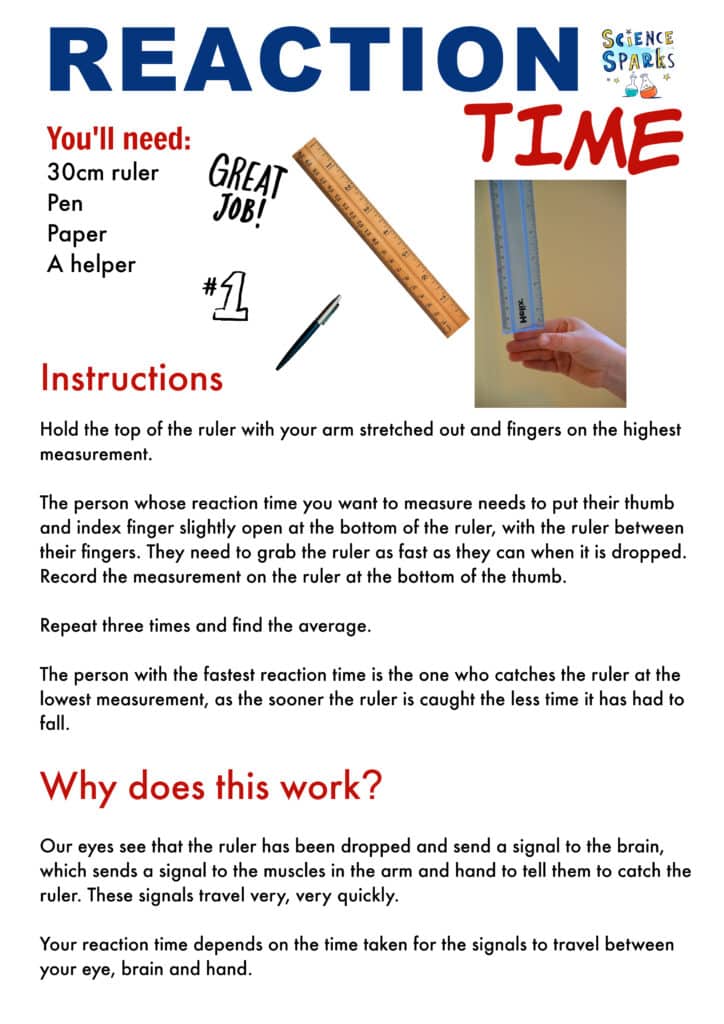
To master reaction speed test games, it is vital to distinguish between two distinct neurological processes. Simple reaction time refers to the interval between the appearance of a single stimulus—like a light turning green—and your physical response, such as clicking a mouse. In contrast, choice reaction time requires the brain to process multiple signals and decide which action to take. For instance, you might be tasked with clicking only when a specific color appears while ignoring others. Understanding this distinction is key to improving your overall responsiveness in fast-paced gaming environments.
1.1.2 Neurological Pathways from Stimulus to Motor Response
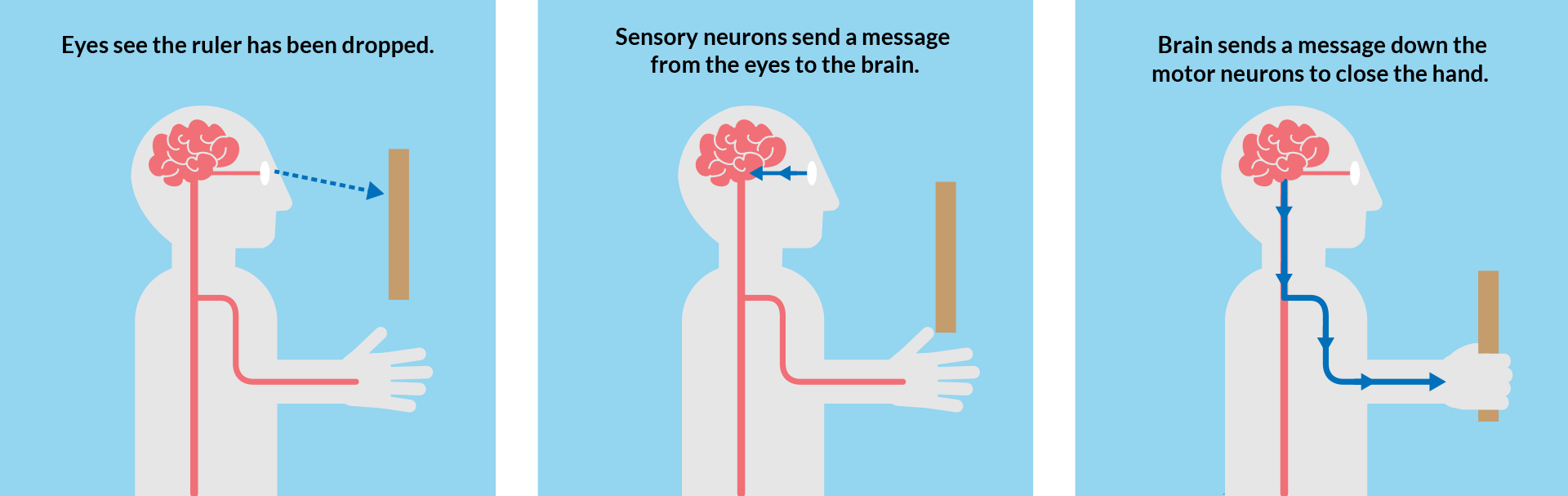
When you participate in free online games that test your reflexes, you are essentially training your neural pathways. The process begins when sensory receptors—typically your eyes—detect a stimulus. This data travels via the nervous system to the brain, specifically the sensory cortex. The brain processes this information and sends a command down the spinal cord to your motor neurons, which then trigger the muscles in your finger to click. Consistent practice helps refine these pathways, potentially reducing the latency between stimulus and movement through a process known as neural adaptation.
1.1.3 How External Factors Like Sleep and Nutrition Influence Millisecond Performance
Even the most dedicated player will see a performance dip if basic biological needs are unmet. Sleep deprivation significantly impairs cognitive function, slowing the synaptic speed required for split-second decisions. Similarly, hydration and blood sugar levels play a crucial role in maintaining focus. Relying on caffeine might provide a temporary spike in alertness, but long-term gains in speed are better achieved through consistent rest and a balanced diet. Many competitive players find that tracking these lifestyle variables alongside their in-game stats leads to more sustainable progress.
1.2 Analyzing Key Metrics in Reflex Testing
1.2.1 Interpreting Average Response Times and Consistency Percentiles
When using free HTML5 games to benchmark your speed, looking at your raw millisecond count is only the beginning. True progress is measured by your consistency. A player who consistently hits 200ms is often more valuable in a competitive setting than one who fluctuates between 150ms and 300ms. Consistency percentiles help you understand how you stack up against the general gaming population, allowing you to identify whether your training should focus on pure speed or stabilizing your rhythm.
1.2.2 The Correlation Between Hand-Eye Coordination and Neuroplasticity
Engaging with fun web games that demand high-precision motor control can actually promote neuroplasticity—the brain’s ability to reorganize itself by forming new neural connections. As you repeatedly practice complex hand-eye coordination tasks, your brain becomes more efficient at translating visual input into precise physical actions. This cognitive “flexing” does more than just improve your high score; it enhances your brain’s adaptability, which can be beneficial in other areas of life requiring rapid focus and decision-making.
1.3 Essential Tools for Assessing Your Baseline
1.3.1 Web-Based Benchmarking Tools for Instant Feedback
Browser-based tools are the most accessible way to start your training journey. These simple applications provide an objective measure of your current status, typically through visual or auditory cues. Because they are often built using lightweight technologies, they load quickly and require no installation, making them perfect for quick daily assessments. Regular testing establishes a clear baseline, helping you measure the efficacy of your training routine over time.
1.3.2 Specialized Aim Trainers for Precision and Accuracy Training
Once you have a baseline, you might transition to more comprehensive platforms. Specialized aim trainers are popular because they bridge the gap between simple reflexes and game-specific accuracy. These tools allow you to practice tracking moving targets, flicking to precise points, and maintaining rhythm. For those looking to master specific titles, practicing boss fight combat training within specialized environments can help refine the exact movements you need to dominate competitive leaderboards.
1.3.3 Mobile Applications for On-the-Go Reflex Drills
Modern mobile apps offer a portable solution for those who want to practice throughout the day. These online mini games are designed for short, high-intensity bursts, allowing you to train your reflexes during a commute or a short break. While they may not replace a high-end desktop setup for competitive gaming, they are excellent for maintaining neural engagement and keeping your reaction times sharp regardless of your physical location.
2. Optimizing Your Reflexes Through Specialized Training Regimens
2.1 Best Game Genres for Improving Response Speed
2.1.1 High-Intensity First-Person Shooters for Target Acquisition
First-person shooters (FPS) are the gold standard for training neurological response times. These games demand constant, high-speed flick shots and tracking, which force your brain to process visual stimuli and execute motor commands in milliseconds. By practicing in these environments, you improve your target acquisition, effectively reducing the latency between seeing an enemy and reacting.
2.1.2 Rhythm Games for Pattern Recognition and Timing
Rhythm games are excellent for developing internal timing and cognitive synchronization. Because these titles require you to hit inputs in perfect harmony with auditory and visual cues, they sharpen your ability to anticipate events before they happen. This predictive processing is a critical component of high-level reaction speed, allowing for smoother, more deliberate movements rather than panicked inputs.
2.1.3 Precision Platformers for Motor Control and Spatial Awareness
Precision platformers force you to master fine motor control under pressure. Navigating complex obstacle courses requires intense focus and rapid adjustments to spatial information. This genre helps bridge the gap between pure reflex and calculated accuracy, ensuring your reaction speed is functional rather than just impulsive. For those looking to see how these physics-based mechanics apply across genres, learning to manage physics based object manipulation can significantly refine your overall coordination.
2.2 Developing a Sustainable Training Schedule
2.2.1 Establishing Frequency and Consistency for Neural Adaptation
Like any muscle, your nervous system requires consistent stimulation to adapt. Aim for short, focused sessions—15 to 20 minutes daily—rather than multi-hour marathons. This keeps your focus sharp and prevents the cognitive fatigue that slows down response times.
2.2.2 Effective Techniques for Tracking Progress and Identifying Plateaus
Keep a log of your performance in reaction speed test games. If your average response time stagnates, introduce a new stimulus or change the game genre to challenge your brain in a different way. Plateaus often occur when your brain becomes too efficient at a specific task; variety is the key to continued improvement.
2.2.3 Managing Ergonomics and Digital Eye Strain During Long Sessions
Physical comfort is directly tied to performance. Maintain proper posture, ensure your monitor is at eye level, and follow the 20-20-20 rule to reduce digital eye strain. A tired body or strained eyes will inevitably lead to slower reflexes.
2.3 Advanced Lifestyle Integrations for Peak Cognitive Performance
2.3.1 Peripheral Vision Training Techniques
Reacting quickly often depends on seeing the danger before it enters your direct line of sight. Practice exercises that force you to track targets in your peripheral vision without moving your eyes, broadening your effective field of awareness.
2.3.2 Incorporating Off-Screen Physical Reaction Drills
Supplement your screen time with physical activities like catching a tennis ball or practicing rapid table tennis serves. These real-world drills translate digital gaming skills into physical coordination, reinforcing the neural pathways used in free HTML5 games.
2.3.3 Nutritional Support for Optimal Neurotransmitter Health
Hydration and consistent blood sugar levels are vital for sustained cognitive function. Omega-3 fatty acids and antioxidants support neurotransmitter health, ensuring the chemical signals between your brain and fingers fire as quickly as possible.
2.4 Frequently Asked Questions
2.4.1 What Constitutes an Above-Average Reaction Time in Milliseconds?
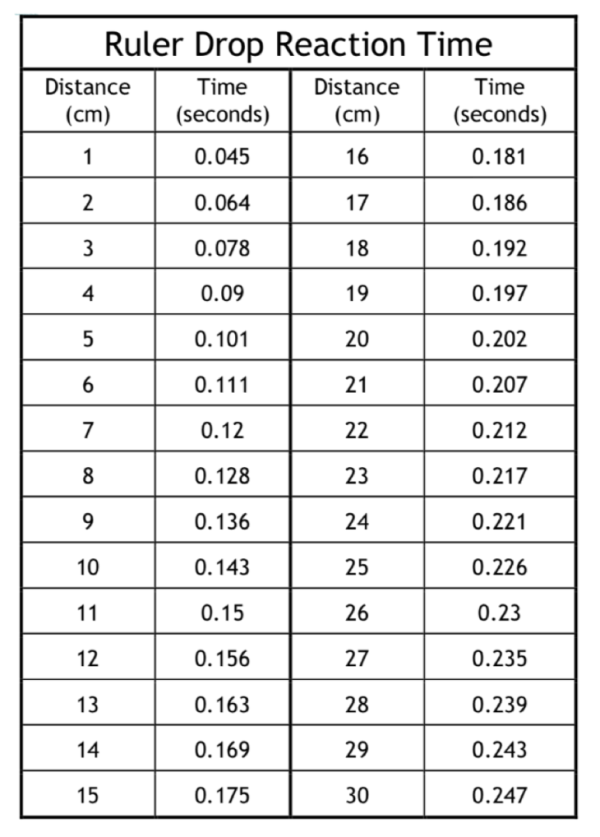
The average human reaction time to visual stimuli is roughly 250 milliseconds. Consistent performers in competitive fun web games often strive to reach the 150 to 200-millisecond range, which is considered highly competitive.
2.4.2 Can Digital Reflex Training Enhance Real-World Athletic Performance?
Yes. While digital tests measure hand-eye coordination, the underlying neural pathways for processing information and initiating movement are transferable to sports requiring rapid decision-making.
2.4.3 Is There an Age-Related Decline in Reflex Speed That Can Be Mitigated?
While natural decline is biological, engaging in cognitive training through online mini games helps maintain neural plasticity, effectively slowing the rate of decline and keeping reflexes sharper for longer.
2.4.4 How Do Reaction Tests Relate to Focus and Executive Function?
Reaction tests require sustained attention. Regular practice improves your ability to filter out distractions, which enhances executive function and decision-making capabilities both inside and outside of gaming.
Improving your mental agility isn’t just about spending hours in front of a screen; it is about understanding how your brain processes stimuli and consistently refining those pathways. By integrating regular reaction speed test games into your routine, you are essentially engaging in a form of neurological strength training. Whether you use these tools to sharpen your target acquisition for competitive play or simply to maintain cognitive sharpness as you age, the combination of consistent benchmarking and deliberate practice is key to seeing measurable results.
Remember that the best results come from a holistic approach. While you continue to hone your reflexes, don’t overlook the importance of rest, proper nutrition, and physical exercise in supporting your overall brain health. Consistency remains your greatest asset; short, focused sessions are significantly more effective than sporadic, marathon-length gaming marathons. If you enjoy the challenge of pushing your limits, you might also find that mastering reflex-based obstacle dodging provides a fantastic way to apply these improved reaction times to dynamic, real-world gaming scenarios. Keep testing, stay curious, and enjoy the process of unlocking your full cognitive potential.