Staying updated with the latest developer studio announcements is more than just keeping tabs on release dates; it is about understanding the shifting landscape of the gaming industry. Whether you are tracking a massive triple-A project or a burgeoning indie passion, navigating the noise of marketing trailers and corporate press releases can be a full-time job. With the rapid evolution of technology and changing studio business models, players need a more discerning eye to distinguish between genuine innovation and mere hype. In this guide, we break down how to effectively monitor the development pipeline and evaluate the credibility of the studios behind your most anticipated titles. By focusing on primary sources, roadmaps, and technical insights, you can better anticipate new game releases and make more informed decisions about which projects to support. We will also explore how to leverage game developer interviews and industry data to identify trends that are shaping the future of interactive entertainment, ensuring you stay ahead of the curve as you monitor video game industry news and discover your next favorite experience.

1. Mastering Developer Studio Announcements and Emerging Gaming Trends
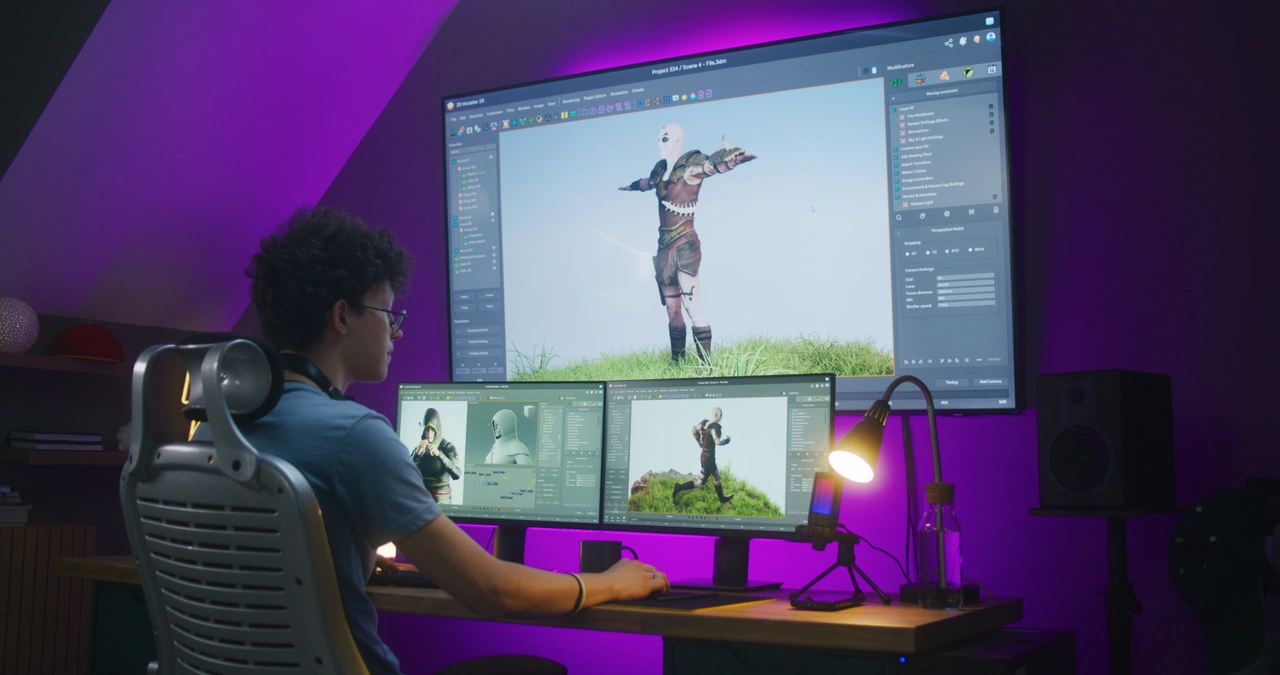
Navigating the complex landscape of developer studio announcements requires more than just passive observation; it demands a critical eye to distinguish between genuine industry milestones and polished marketing rhetoric. As the gaming market continues to evolve, staying informed about upcoming titles means understanding how studios communicate their progress and, more importantly, how they shape the expectations of their player base.
1.1 Understanding the Lifecycle of Major Studio Announcements
The journey from an initial project reveal to a final product is rarely linear. Decoding the stages of production helps players manage their anticipation for new game releases. Initially, developers often drop teaser trailers to gauge interest before any tangible assets are ready. As development progresses, the focus shifts to technical showcases, such as vertical slices—small, self-contained segments of the game that represent the intended final quality. Understanding these markers helps you avoid over-investing in projects that may still be in the earliest conceptual phases.
1.2 The Strategic Importance of Early Access and Beta Testing Phases
Modern game development has increasingly leaned on community involvement through Early Access and public beta testing. While these phases are vital for bug identification and mechanical balancing, they serve a secondary purpose: building a community feedback loop. For the player, participating in these sessions offers a rare look at the iterative process of game design. It transforms the experience from a standard purchase into a collaborative effort, often providing insights into gaming industry development reports that explain why certain features succeed or fail during the polish phase.
1.3 Distinguishing Between Cinematic Hype and In-Engine Gameplay Footage
Marketing departments are experts at crafting atmospheric trailers, but it is essential to distinguish between pre-rendered cinematic hype and actual in-engine gameplay. Cinematic trailers are designed to sell the “vibe” or story, while in-engine footage provides a realistic look at lighting, physics, and user interface elements. Savvy enthusiasts prioritize announcements that feature raw, unedited gameplay, as these offer the most reliable indicator of how a final product will actually perform on hardware.
1.4 Analyzing Current Trends in Modern Game Development
The industry is currently undergoing a structural shift. We are seeing a move away from bloated live-service models that prioritize endless engagement in favor of more focused, curated indie experiences. Furthermore, studios are increasingly utilizing AI-assisted asset generation to streamline background elements, allowing teams to focus their creative energy on core mechanics and narrative depth. Perhaps most importantly, there is a growing, much-needed industry focus on project sustainability to prevent burnout and ensure development is conducted at a pace that protects team well-being.
1.5 Evaluating the Credibility of Development Studios
Before buying into the hype of upcoming game previews, take a moment to investigate the studio behind the screen. Start by looking at the track records of key creative leads and founders, as their previous projects often hint at their design philosophies and management styles. Additionally, consider the source of funding. Publisher-backed projects often have more security, whereas self-published indie games may offer more artistic freedom but carry higher project risks. For the most grounded view, bypass PR press releases and seek out technical developer blogs, which provide a candid look at the challenges and triumphs of the production cycle.
2. Strategies for Following New Game Releases and Industry News

2.1 Creating a Reliable Workflow for Gaming News Consumption
Staying ahead of the curve in a fast-paced industry requires more than just checking social media. To effectively track developer studio announcements and filter out noise, you need a structured approach that prioritizes high-quality information sources.
2.1.1 Optimizing Your Feed with Primary Sources and Developer-Led Roadmaps
The most accurate updates come directly from the source. Instead of relying solely on third-party aggregators, subscribe to official studio newsletters, follow lead developers on professional platforms, and bookmark the specific developer-led roadmaps that outline long-term content plans. This strategy ensures you receive firsthand news about project milestones and delays before they are diluted by clickbait headlines.
2.1.2 Leveraging Discord Communities for Direct Developer Feedback Loops
Many modern studios now host community Discord servers, which serve as essential hubs for direct interaction. By participating in these spaces, you can gain insights into upcoming game releases through candid developer discussions and early feedback loops. This is often the best place to find information about technical bug fixes or minor quality-of-life adjustments that never make it into official press releases.
2.1.3 Identifying High-Value Industry Events and Digital Showcases
Major gaming showcases are the backbone of the industry calendar. Whether it is a digital event or a physical trade show, these gatherings are where studios unveil their most critical progress. Keep a calendar of these events to ensure you don’t miss the initial announcements that set the stage for upcoming game previews throughout the fiscal year.
2.2 Navigating the Future of Player-Developer Transparency
The relationship between players and studios is evolving, with a growing emphasis on radical honesty. As gamers become more discerning, studios are moving toward open-development models where transparency is a core feature, not an afterthought.
2.2.1 The Growing Demand for Behind-the-Scenes Development Insights
Players today crave more than just trailers. They want to see the iteration process, the abandoned mechanics, and the challenges faced during development. Consuming gaming industry development reports helps contextualize these insights, offering a deeper understanding of why certain titles succeed while others struggle to make an impact.
2.2.2 Predicting Technical Hurdles for Next-Gen Gaming Hardware
By following developer blogs and technical post-mortems, you can learn to identify the specific hardware limitations that studios are currently battling. Understanding these bottlenecks allows you to predict which upcoming games might face optimization issues on launch day versus those that are built to push current architecture to its limits.
2.2.3 Developing Criteria to Identify Hidden Gems Before Mainstream Adoption
To spot a sleeper hit, look for studios that demonstrate consistent communication and a clear grasp of their own scope. High-quality indie titles are often hidden in plain sight on community forums and niche gaming blogs long before they reach mainstream retail success. Focus on projects where the developers are actively listening to community requests and iterate based on tangible feedback rather than trends.
2.3 Frequently Asked Questions About Studio Updates
2.3.1 How to Verify Legitimacy Before Backing Crowdfunded Game Projects
Always investigate the previous track record of the founders. Look for evidence of a playable prototype or a vertical slice rather than just concept art. If a project lacks a transparent budget breakdown or a clear development timeline, proceed with extreme caution.
2.3.2 Determining the Difference Between Prototypes and Polished Vertical Slices
A prototype is a functional proof-of-concept meant to test mechanics, often featuring placeholder assets. A vertical slice, however, is a polished, small-scale representation of the final product’s quality, including final art styles and audio. If a studio claims a trailer is “in-engine,” verify whether those assets represent the final look or merely a vertical slice environment.
2.3.3 Finding Primary Source Updates for Indie Studios Without Dedicated PR Teams
When a studio lacks a formal PR department, their best updates are usually found on their official Twitter/X feeds, Steam community hubs, or direct dev-blogs. These channels provide the rawest form of industry news and are less likely to be filtered through marketing spin.
2.3.4 Analyzing How Engine Provider Reports Influence Future Game Development
Pay attention to updates from engine providers like Epic or Unity. When these companies release new tools or support documentation for specific technologies, it often signals a shift in the industry’s capabilities, allowing you to anticipate what types of mechanics or visual fidelities will become common in the next cycle of game development.
Staying informed about developer studio announcements is more than just keeping up with marketing hype; it is about understanding the evolving landscape of the gaming world. By tracking the lifecycle of new game releases—from early technical prototypes to final polished builds—you gain a clearer perspective on the pressures and triumphs that shape your favorite titles. Whether you are analyzing emerging AI development trends or participating in community-led beta testing, your ability to filter through industry noise directly impacts how you choose to spend your time and investment.
As you continue to refine your workflow for tracking industry updates, remember that the most authentic insights often come from primary sources, such as developer blogs and direct feedback loops within Discord communities. Developing a critical eye for studio transparency will help you distinguish between sustainable projects and over-promised visions. For those looking to broaden their understanding of the current market, explore our guide on gaming industry development reports to see how these localized studio announcements fit into the global economic and creative picture. Ultimately, being an engaged and informed player ensures that you are always ready for the next wave of innovation in the gaming industry.