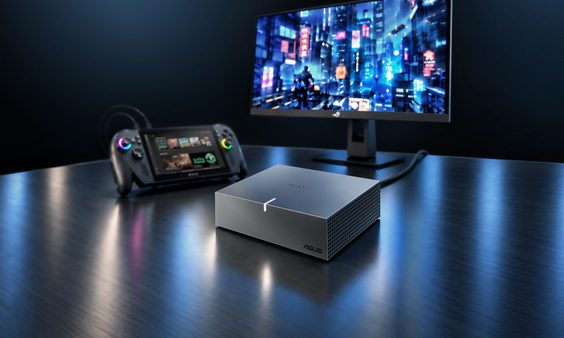
The landscape of the gaming hardware market has shifted dramatically this year, driven by a race for higher fidelity, faster processing, and smarter integration. For enthusiasts and casual players alike, staying updated with the latest gaming technology hardware news is essential to understanding how today’s high-end rigs translate raw specs into immersive experiences. Whether you are looking to squeeze every frame out of a competitive shooter or aiming for breathtaking visuals in open-world titles, the hardware you choose—from neural-processing GPUs to precision-tuned peripherals—defines the boundaries of your play. As the industry pushes forward, these advancements are not just about raw power; they are about efficiency and intelligent performance. In this guide, we will explore the critical trends shaping the current generation of components. We will break down how these innovations impact your setup, provide actionable strategies for future-proofing your gear, and help you navigate the evolving standards of the video game industry news as it relates to your personal desktop or handheld system.
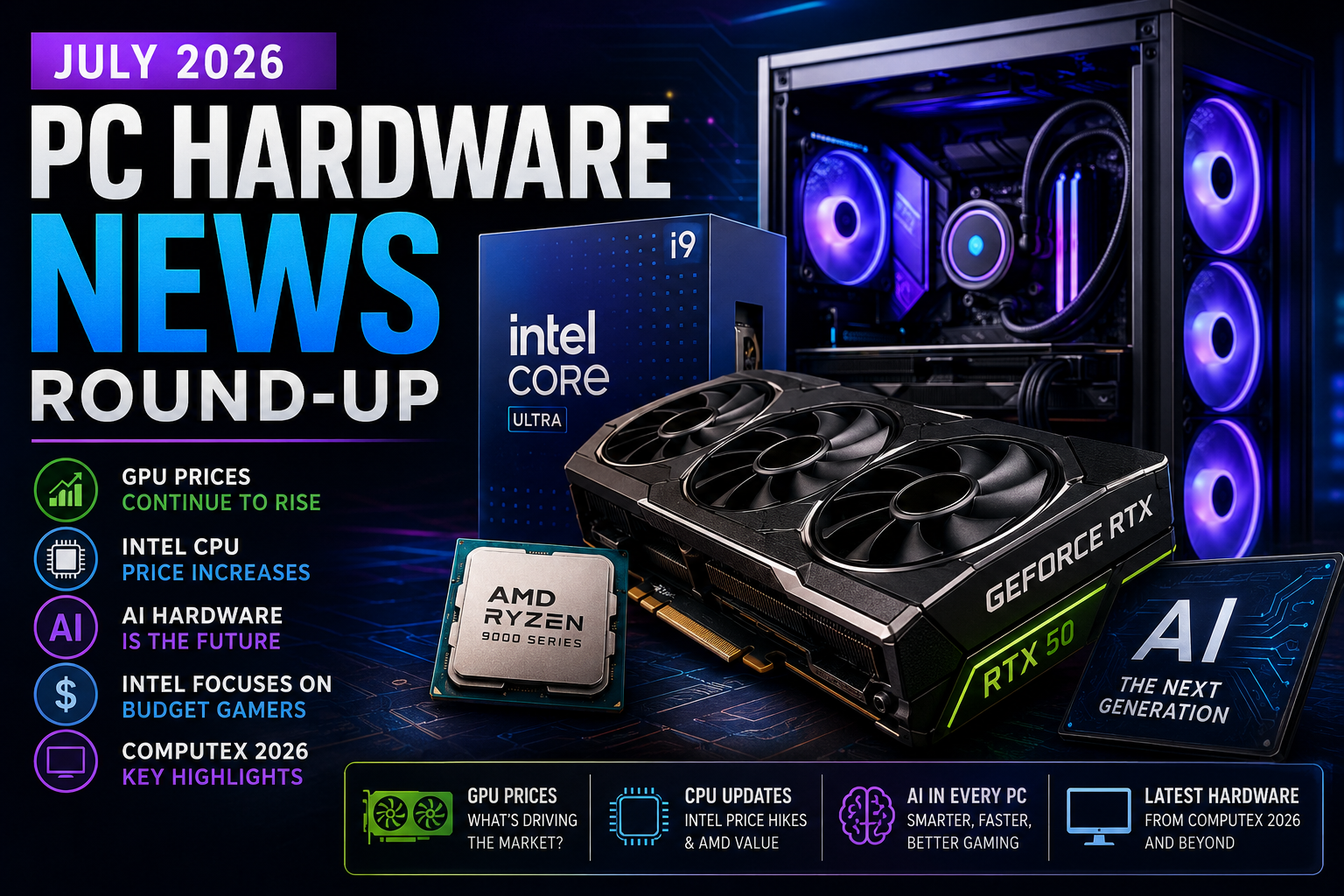
Advanced Gaming Technology Hardware News and AI Integration Trends

The Role of AI and Neural Processing in Modern Gaming
Evolution of DLSS, FSR, and XeSS Upscaling Architectures
Artificial Intelligence has moved from a marketing buzzword to the backbone of modern graphics performance. Upscaling architectures—NVIDIA’s DLSS, AMD’s FSR, and Intel’s XeSS—have transformed how we view resolution. By rendering frames at lower native counts and utilizing dedicated tensor cores or advanced spatial algorithms to reconstruct the image, these technologies allow players to hit high frame rates without sacrificing visual fidelity. As these models evolve, they are increasingly capable of generating entire frames via frame generation, significantly smoothing out the visual experience in demanding AAA titles.
Real-time System Optimization through AI-Managed Thermal and Power States
Beyond frame rates, AI now manages the physical health and efficiency of your rig. Modern motherboards and GPU controllers use neural processing to monitor thermal loads and power consumption in real-time. By predicting spikes in demand before they fully saturate the CPU or GPU, these systems dynamically adjust voltage and fan curves. This prevents thermal throttling and ensures a stable, quiet gaming session, effectively extending the lifespan of your components by maintaining optimal operating temperatures.
The Evolution of Next-Generation Desktop Components
Analysis of GPU Ray Tracing Performance and VRAM Requirements for AAA Gaming
The latest GPU releases highlight a clear shift toward ray tracing-heavy environments. While real-time lighting and reflection physics create stunning visuals, they are demanding. High-end cards now require significantly more VRAM to handle high-resolution texture caches and complex light-path calculations. As noted in recent gaming industry development reports, developers are increasingly leveraging this hardware overhead to push graphical boundaries, making a robust memory buffer essential for long-term gaming performance.
Efficiency Shifts in High-End CPU Architectures and Thermal Design
CPU design has pivoted toward hybrid architectures, blending high-performance cores for gaming with efficiency cores for background tasks. This shift helps manage power draw during heavy multi-threaded workloads. Thermal design has also become more sophisticated, with advanced heat spreader technology and liquid cooling integration becoming standard for top-tier desktop processors to maintain boost clocks under sustained load.
Performance Gains and Practicality of NVMe Gen5 Storage Solutions
NVMe Gen5 drives are officially entering the mainstream, offering theoretical read/write speeds that dwarf their predecessors. While the raw throughput is massive, the real-world gaming benefit lies in reducing load times for massive open-world titles and streamlining asset streaming. However, the requirement for dedicated cooling solutions due to high operating temperatures makes these drives a niche upgrade for users seeking the absolute peak of system responsiveness.
Essential Peripherals and Immersive Technology Breakthroughs
Innovations in Spatial Audio and High-Fidelity Gaming Soundscapes
Modern gaming audio is shifting toward object-based spatial sound. By processing soundscapes in 3D space rather than traditional channels, hardware is providing a clearer sense of directionality and depth. This high-fidelity approach allows gamers to track audio cues—such as footsteps or environmental shifts—with surgical precision, creating a more cohesive immersive experience.
Mechanical Switch Evolution and the Precision of Hall-Effect Sensors
The keyboard market is seeing a massive transition to Hall-effect magnetic switches. Unlike traditional mechanical contact switches, these use magnets to measure exact travel distance, allowing for features like rapid trigger and adjustable actuation points. This level of precision is a game-changer for competitive titles where millisecond reaction times and consistent inputs define success.
Advancements in Display Technology Including Dual-Mode OLED Panels
Display technology is rapidly maturing with the introduction of dual-mode OLED panels. These screens solve the long-standing dilemma of choosing between high resolution and high refresh rate. With the simple toggle of a software switch, users can prioritize 4K for cinematic single-player campaigns or switch to a high-refresh-rate 1080p mode for competitive shooters, all on the same high-contrast, deep-black OLED canvas.
2. Strategic Hardware Buying Guide and Industry Sustainability
2.1 Practical Framework for Upgrading and Future-Proofing Rigs
Navigating the modern landscape of gaming technology hardware news requires a strategic approach to avoid costly, redundant purchases. Before spending on the latest components, start with a methodical bottleneck analysis. Use monitoring software to track CPU and GPU utilization during your most demanding gaming sessions. If your GPU hits 99% usage while your CPU remains under 50%, you are GPU-bound and should prioritize a graphics card upgrade; conversely, high CPU temperatures and low utilization suggest a platform or cooling bottleneck.
2.1.2 Comparative Analysis of Building Custom PCs Versus Purchasing Pre-Built Systems
Building a custom rig remains the gold standard for long-term value, as it allows you to select specific components with higher longevity, such as quality power supply units and modular cases. Pre-built systems offer convenience and often include warranties that cover the entire unit, but they frequently utilize proprietary motherboards or under-powered thermal solutions that limit future upgrades. For those entering the gaming industry development reports ecosystem, custom building ensures you aren’t paying for bloatware and allows for intentional component choices that suit your specific resolution and refresh rate goals.
2.1.3 Selecting Long-Term Value Components for Future-Proofing
To truly future-proof, invest in a robust power supply with headroom for next-generation power spikes and a motherboard platform that supports multiple processor generations. Prioritizing high-quality, NVMe Gen5-ready storage and memory kits with lower latency timings ensures your system remains responsive even as software demands evolve.
2.2 The Rise of Handheld Gaming Performance
The market for Windows-based handhelds has shifted from niche experiments to viable, high-performance portable gaming solutions. Achieving consistent performance requires an understanding of custom APU efficiency. Many users now utilize TDP-limiting tools to find the “sweet spot” where performance remains stable without inducing thermal throttling, which is essential for maximizing battery longevity during intense gameplay.
2.2.2 Comparing Display Technologies: OLED Versus High-Refresh-Rate LCD
Display choice is a trade-off between visual fidelity and motion clarity. OLED panels offer infinite contrast ratios and near-instant response times, making them the preferred choice for atmospheric titles. High-refresh-rate LCD panels, however, are often better suited for competitive titles where raw motion clarity and peak brightness are prioritized over deep blacks.
2.2.3 Managing Battery Lifespan Through Optimized Power Profiles
Users can significantly extend the lifecycle of their handheld devices by creating custom power profiles. Limiting frame rates to 30 or 40 FPS, reducing screen brightness, and capping the maximum TDP can prevent premature battery degradation caused by high heat cycles.
2.3 The Impact of Sustainability and Repairability on Gaming Hardware
Sustainability is becoming a core pillar of the hardware sector. The push for modularity in gaming laptops and desktop components is not just about environmental consciousness; it is about protecting your investment. Repairable devices allow users to replace thermal paste, clean fans, or swap out failing batteries without requiring a full system replacement.
2.3.2 Implications of Right-to-Repair Legislation for Hardware Longevity
Right-to-repair legislation is beginning to force manufacturers to provide better documentation and parts availability. This shift empowers the consumer to perform basic maintenance—such as replacing a failing SSD or upgrading RAM—that was previously restricted by proprietary designs. This increased transparency is a vital development for anyone looking to extend the functional lifecycle of their gear.
2.3.3 Tips for Extending the Lifecycle of Gaming Components
Regular maintenance is the most effective way to protect your hardware. Clean your air intakes every few months to prevent dust buildup, ensure your cable management provides adequate airflow, and keep your software drivers updated to take advantage of power-saving optimizations released by manufacturers.
As we navigate through 2024, it is clear that the landscape of gaming technology hardware is undergoing a fundamental transformation. From the integration of AI-driven upscaling and thermal management to the rise of portable powerhouses, the industry is prioritizing efficiency and immersion like never before. These advancements do more than just push frame rates; they redefine how we interact with digital worlds, making high-fidelity gaming more accessible and sustainable for everyone. Whether you are building a custom enthusiast rig or exploring the potential of the latest handheld devices, the focus has shifted toward long-term value, modularity, and smart power consumption.
Staying informed about the latest trends is essential for making savvy purchasing decisions that stand the test of time. As you look to upgrade your setup or dive deeper into the latest innovations, we invite you to explore our expert insights from the game developer interviews featured on our site to better understand how these hardware shifts directly impact your favorite titles. By balancing current performance needs with future-proofing strategies, you can ensure your gaming experience remains top-tier well into the future. Keep experimenting, stay curious, and continue to refine your gear for the best possible play sessions.