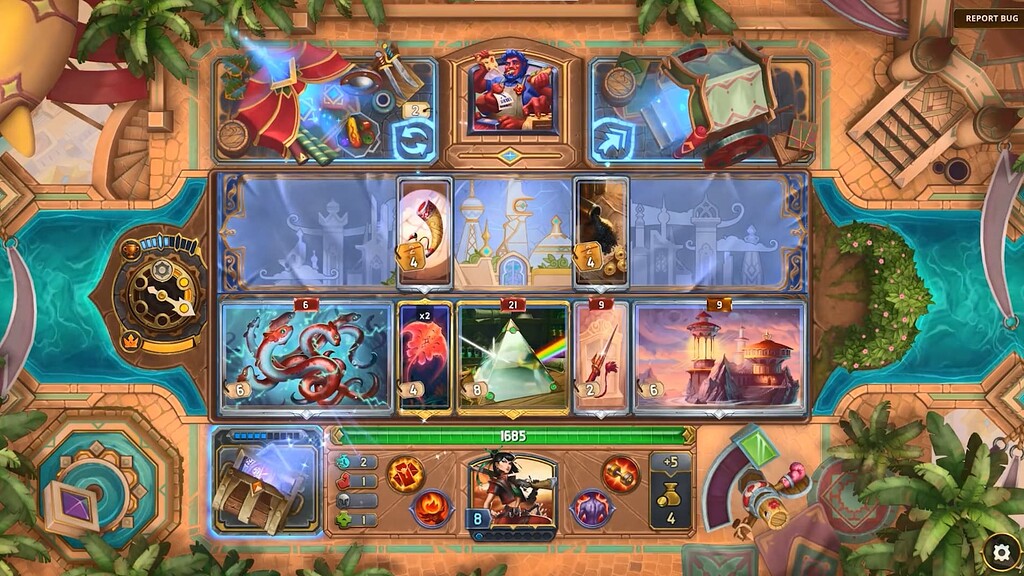
In a gaming landscape dominated by high-pressure, real-time sessions, asynchronous multiplayer games offer a refreshing alternative for players who value strategy over twitch reflexes. Unlike fast-paced experiences that demand total, immediate immersion, these games allow participants to engage at their own pace, making them a perfect fit for busy schedules. Whether you are coordinating a long-term campaign with friends across different time zones or competing for a top spot on competitive ranking leaderboards, the asynchronous format removes the stress of needing to be online at the exact same moment as your opponents.
In this guide, we will explore the core mechanics that make this genre so compelling, from the psychology of delayed decision-making to the logistical benefits of turn-based design. We will also help you navigate how to select the right titles for your social circle, ensuring that your next gaming session is as convenient as it is tactical. Prepare to master the art of thoughtful, persistent play.
1. The Mechanics and Psychology of Asynchronous Multiplayer Games
1.1 Defining Asynchronous Gameplay and Its Growing Popularity
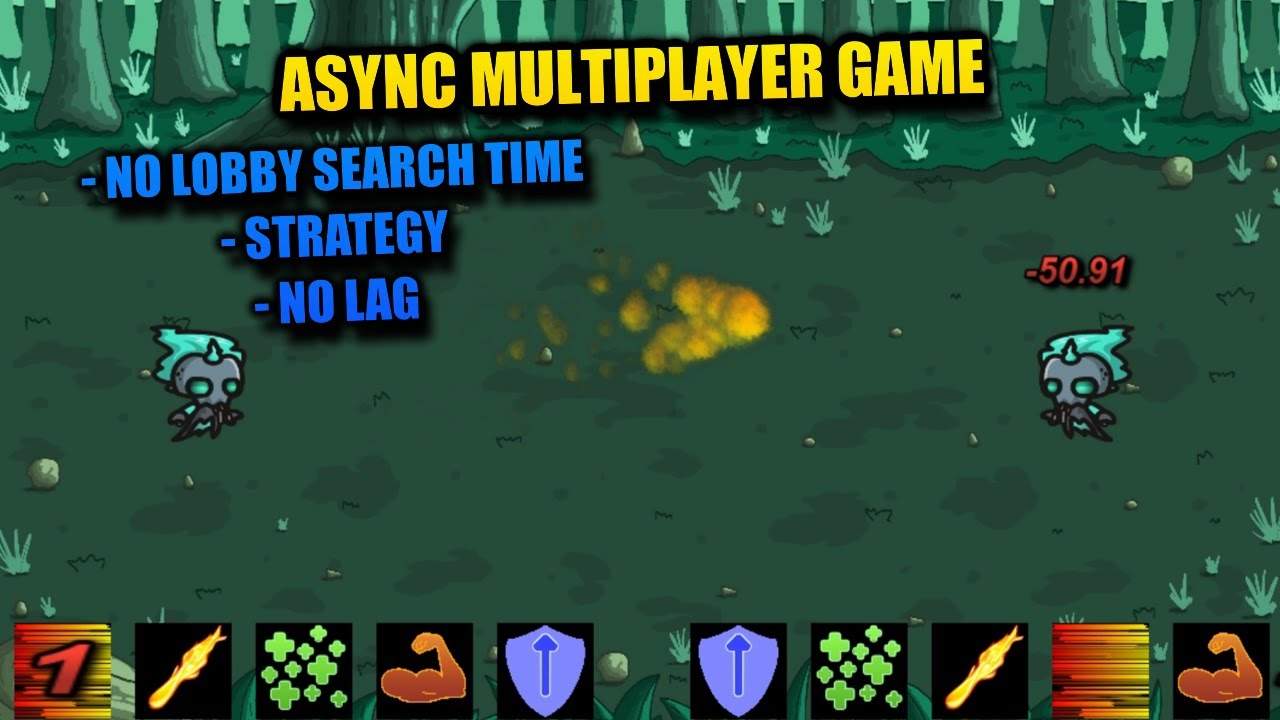
Asynchronous multiplayer games represent a departure from the high-pressure environment of synchronized play. Instead of requiring all participants to be online at the exact same moment, these games allow players to engage with the world and make moves whenever it suits their individual schedules. This flexibility is the defining feature of the genre, transforming the gaming experience from a scheduled event into a fluid, ongoing conversation between participants.
1.1.1 Distinguishing between real-time competition and turn-based flexibility
In traditional real-time titles, success often depends on reaction speed and constant availability. By contrast, asynchronous play prioritizes thoughtful deliberation. While real-time games demand a dedicated session, asynchronous titles operate on a turn-based or delayed-response architecture. This removes the “live” barrier, allowing games to span hours, days, or even weeks without feeling like a burden.
1.1.2 Why modern players prefer asynchronous designs over demanding live sessions
Modern players often juggle complex professional and personal lives, making it difficult to commit to long, uninterrupted gaming sessions. Asynchronous designs cater to this reality, removing the friction of finding a mutually compatible time window. Whether through mobile-first apps or web-based platforms, these games respect the user’s time, proving that high-quality engagement does not always require a real-time presence.
1.1.3 The psychological shift from session-based pressure to mindful engagement
The absence of a ticking clock alters the player’s psychological state. Without the stress of immediate execution, players transition into a mindset focused on long-term strategy rather than reflexive reactions. This promotes a more mindful approach to gameplay, where the enjoyment stems from the quality of the decision rather than the speed of the output.
1.2 Strategic Benefits of Delayed Decision Making
1.2.1 How asynchronous play encourages deeper analytical thinking
Delayed decision-making provides the luxury of time, allowing for deeper analytical thinking. Players can simulate various outcomes and review the board state without the looming threat of an opponent’s immediate retaliation. This environment is perfect for those who enjoy exploring complex clan based strategy games where every move requires careful calculation.
1.2.2 Reducing cognitive fatigue by removing real-time execution stress
Real-time gaming can quickly lead to burnout due to the relentless demand for attention. Asynchronous formats mitigate this by segmenting the experience into bite-sized interactions. This reduction in cognitive load makes even the most intricate strategy titles feel accessible, keeping players engaged over longer periods without the exhaustion typical of intense, session-based matches.
1.2.3 The impact of long-form strategy on player memory and long-term planning
Long-form strategy forces players to keep the “bigger picture” in mind. Because matches progress slowly, the ability to track an opponent’s tendencies and recall past maneuvers becomes a primary skill. This fosters a different kind of memory and planning, rewarding patience and consistency over the twitch-based reactions found in other multiplayer genres.
1.3 Essential Features for a Seamless Experience
1.3.1 Notification systems for efficient turn management
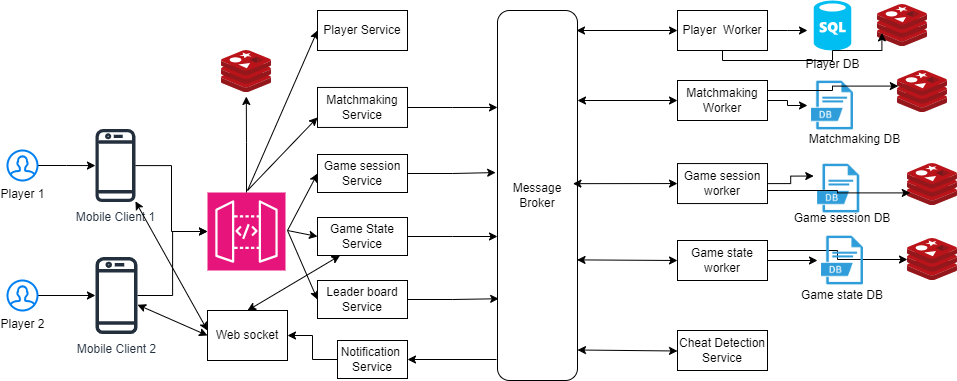
A successful asynchronous game hinges on a robust notification system. Because players spend significant time away from the app, timely alerts ensure that the momentum of the game is maintained. Efficient push notifications keep the social loop active, letting players know exactly when it is their turn to engage.
1.3.2 Cross-platform synchronization across desktop and mobile devices
The ability to pick up exactly where you left off, regardless of the device, is crucial. High-quality multiplayer browser games often include seamless cloud-saving, ensuring that a turn started on a mobile device during a commute can be finished on a desktop at home. This parity is essential for sustaining long-term interest.
1.3.3 Replay logs and game history trackers for tactical review
To improve, players need to understand their past errors. Replay logs and detailed history trackers allow users to review turn sequences, analyze critical mistakes, and learn from their opponents’ strategies. By providing a clear record of the match, these tools transform every completed game into a learning opportunity, deepening the overall strategic experience.
2. Categorizing and Selecting the Best Asynchronous Multiplayer Games
2.1 Exploring Diverse Genres and Play Styles
The beauty of asynchronous design is its versatility. Because players do not need to be online at the exact same moment, game developers have been able to port and adapt complex tabletop experiences that would otherwise be impossible in a high-pressure, real-time environment.
2.1.1 Digital board games and tabletop adaptations like Wingspan and Root
Digital adaptations of physical board games have become the gold standard for asynchronous play. Titles like Wingspan and Root thrive because they prioritize deep mechanics and decision-making over twitch reflexes. Players can analyze their hand and board state at their own pace, making them perfect for “play-by-post” style interactions where turns are taken over hours or days.
2.1.2 4X strategy titles for persistent, long-term empire building
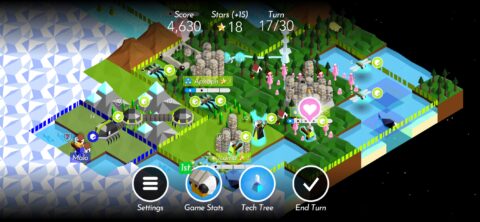
4X games—Explore, Expand, Exploit, and Exterminate—are naturally suited for this format. Because these games often span dozens of hours, an asynchronous structure allows you to manage your economy and move your fleets without the stress of a ticking clock, fostering the kind of long-term planning required for true empire building.
2.1.3 Tactical turn-based combat for competitive, high-stakes encounters
For those who love to climb competitive ranking leaderboards, asynchronous tactical games offer a unique challenge. You are rarely pressured by real-time execution, meaning the focus shifts entirely to unit placement, ability synergy, and predicting your opponent’s next move. It is a true test of strategic foresight.
2.1.4 Mobile-first titles designed for quick, asynchronous turn exchanges
Many multiplayer browser games and mobile apps utilize a “turn-exchange” loop. These games are designed for high frequency, where you might take three or four turns throughout a busy workday, ensuring the game momentum never stalls.
2.2 Choosing the Right Experience for Your Friend Group
Selecting the right game is often less about the genre and more about the rhythm of your friend group. If your group consists of busy professionals, prioritize games with low-frequency requirements. If you have a highly active social circle, you may prefer titles with shorter turn timers to keep the excitement constant.
Complexity is another major factor. A group of seasoned strategy gamers will find joy in deep, menu-heavy titles, while a casual group may prefer something more intuitive. Always consider the social aspect; using third-party communication tools, such as private messaging channels, can provide a space for friendly banter or intense negotiations that the game client itself might not facilitate.
2.3 Etiquette and Best Practices for Long-Term Campaigns
Maintaining a persistent world requires a level of commitment that differs from “drop-in, drop-out” titles. Start by setting clear expectations regarding turn frequency. It is perfectly acceptable to establish a “no-penalty” rule for occasional delays, but if a player goes entirely inactive, the group should have a plan for a temporary substitute or an auto-move feature to ensure the game doesn’t stall for everyone else.
Consistency is key to a healthy social loop. Create a dedicated chat thread to share game updates, discuss specific turns, or simply hype up upcoming moves. If players start to drop off, treat it as a natural part of the lifecycle of long-form strategy, and be ready to invite new members to keep your campaign thriving.
Ultimately, asynchronous multiplayer games offer a refreshing alternative to the high-pressure environment of real-time gaming, providing a space where strategy and thoughtful decision-making take center stage. By decoupling social interaction from the immediate need for constant availability, these games allow you to engage with friends and rivals on your own terms. Whether you are climbing the ranks through competitive ranking leaderboards or building long-term alliances, the inherent flexibility of turn-based or delayed-response mechanics ensures that gaming fits seamlessly into a busy lifestyle. The reduced cognitive load of asynchronous play not only helps prevent burnout but also fosters a deeper, more analytical connection to the game’s core systems.
As you explore this genre, remember that the true value lies in the social loop—maintaining that consistent rhythm of communication and shared progress is what keeps campaigns alive for months or even years. If you are ready to shift your focus from frantic reflex-based matches to rewarding, long-form tactical engagements, start by experimenting with a few different titles to see which pacing suits your group’s unique dynamic. Embrace the convenience of the turn-based experience, and you will find that great gaming doesn’t always have to be an all-consuming, real-time commitment.