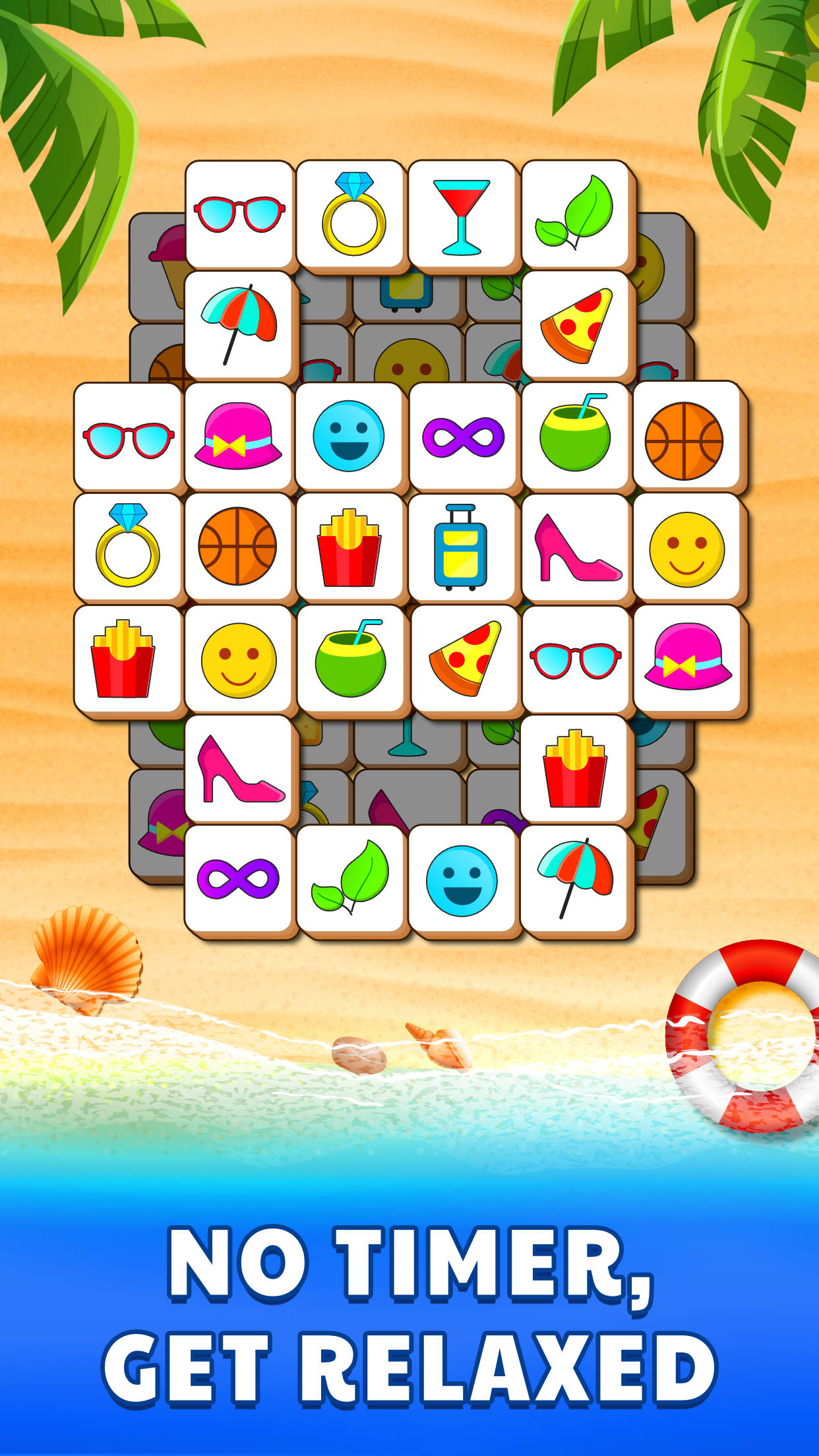
In our fast-paced world, finding a moment of genuine calm can feel like a challenge. That is where relaxing tile matching puzzles come into play, offering a gentle, meditative escape that fits right in your pocket. Unlike high-stakes competitive gaming, these digital experiences prioritize tranquility and mental clarity, allowing players to unwind through the simple, repetitive joy of clearing boards and aligning patterns. Whether you are unwinding after a long day or simply need a brief mental break, these games provide a structured way to settle your thoughts.
In this guide, we will explore the psychology behind why these games are so effective at lowering stress and how to curate a library that suits your personal aesthetic. You will also learn practical strategies for mindful play, including how to integrate these digital sessions into a healthy daily ritual. From the structural satisfaction of a hexagonal tile jigsaw to the soothing nature of modern puzzle design, we will help you transform your screen time into a true zen experience.
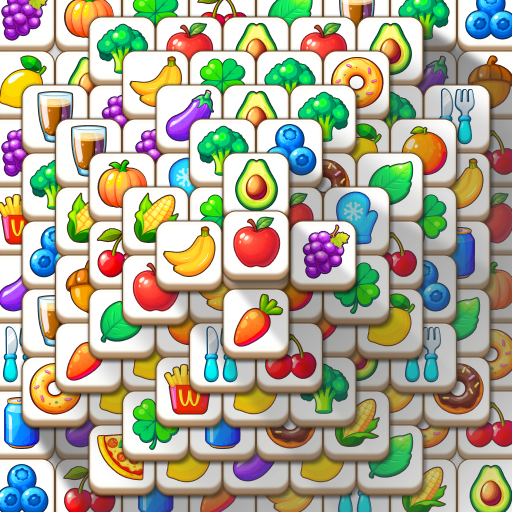
1. Understanding the Appeal of Relaxing Tile Matching Puzzles
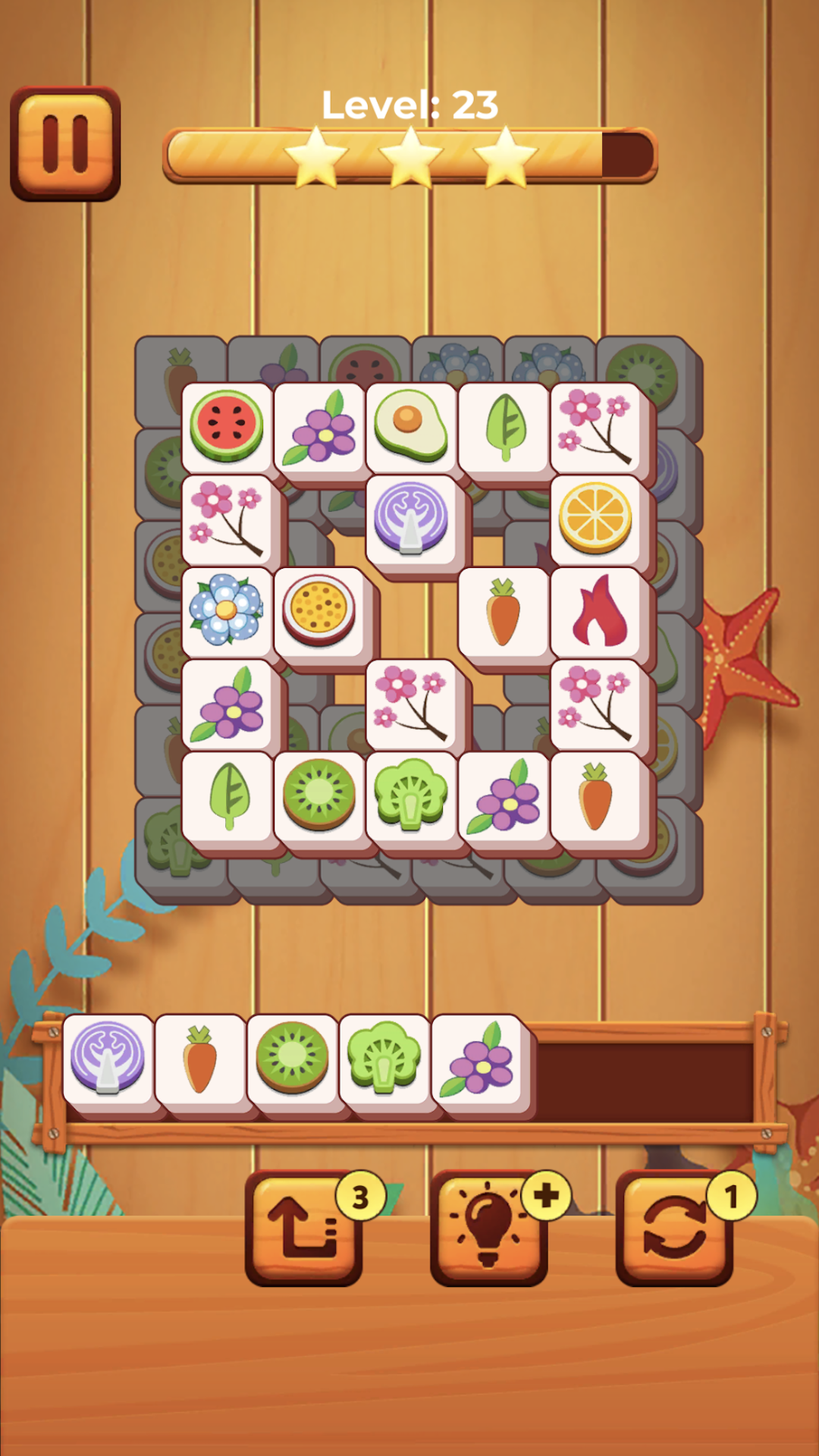
1.1 The Psychological Benefits of Zen Gaming
Engaging with relaxing tile matching puzzles offers more than just a way to kill time; it provides a necessary mental reset. In our fast-paced lives, these games function as a digital sanctuary, helping to regulate our internal emotional states through structured, predictable gameplay.
1.1.1 How Repetitive Patterns Induce a Flow State
The core of these puzzles lies in pattern recognition. When you focus on identifying matching sets, your brain enters a “flow state”—a psychological zone where you become fully immersed in a task. This rhythmic repetition quiets the chatter of daily anxieties, allowing your mind to rest while still remaining engaged in a low-stakes challenge.
1.1.2 Reducing Cortisol Through Low Stakes Gameplay
Unlike high-pressure competitive games that trigger an adrenaline response, zen-style puzzles are designed to lower cortisol levels. By removing strict penalties, they create a safe environment where progress is celebrated. This gentle feedback loop encourages relaxation, signaling to your body that it is time to shift from a “fight or flight” mode to a calm, restorative state.
1.1.3 The Impact of Visual Harmony on Cognitive Load
Visual clutter is a silent contributor to stress. Modern puzzle games often utilize clean, uncluttered interfaces that minimize cognitive load. By presenting information clearly, the game allows your brain to process the challenge without becoming overwhelmed, creating a soothing experience that helps you feel centered after a long day.
1.2 Identifying Essential Design Elements for Stress Relief
Not all puzzle games are created equal when it comes to relaxation. To cultivate a true zen experience, developers rely on specific sensory design choices that promote calm.
1.2.1 The Importance of Soothing Color Palettes and Aesthetics
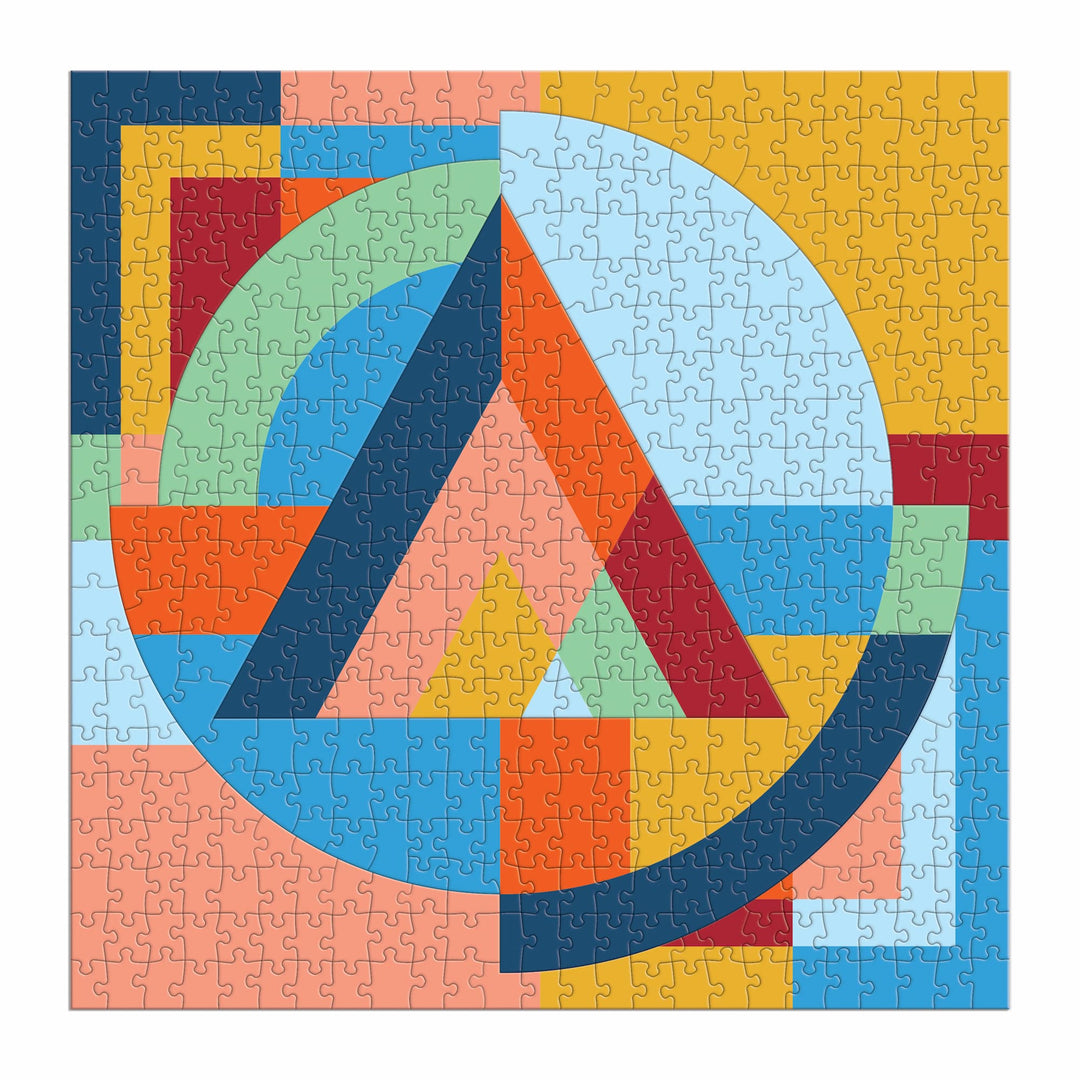
The visual language of a game sets the tone for your interaction. Soft, muted color palettes and high-quality, minimalist art jigsaw aesthetics prevent sensory overload. These elements are chosen to reduce eye strain and provide a pleasant, harmonious environment that feels inviting rather than chaotic.
1.2.2 Why Ambient Soundscapes and Lo-Fi Audio Matter
Auditory input is crucial for maintaining a relaxed state. High-quality games pair their visuals with ambient soundscapes, nature sounds, or soft, instrumental beats. This lo-fi audio acts as a sonic anchor, drowning out disruptive background noises and helping you maintain a consistent level of calm during your session.
1.2.3 Prioritizing Non-Punitive Mechanics Like No Timers or Move Limits
The hallmark of a truly relaxing game is the absence of pressure. Mechanics that feature no timers or move limits allow players to explore at their own pace. This freedom is essential; it ensures that the experience remains focused on the joy of solving rather than the frustration of potential failure.
1.3 Curating Your Personal Library of Relaxing Tile Matching Puzzles
Building a collection of games tailored to your preferences can enhance the quality of your downtime. Understanding the nuance between different puzzle types ensures you always have the right game for your mood.
1.3.1 Comparing Classic Mahjong Variations Versus Modern Zen Games
Classic Mahjong remains a staple for its structured complexity, while modern zen variations often introduce innovative mechanics like a hexagonal tile jigsaw layout to provide a fresh take on classic matching. While Mahjong relies on traditional tile sets, modern games often prioritize thematic consistency, ensuring that every board feels like a cohesive, meditative journey.
1.3.2 Selecting Games Based on Narrative Depth and Theme
Some players find comfort in simple mechanics, while others prefer a light narrative thread. Choosing a game that features a peaceful story or a calming theme—such as nature, space, or soft architecture—adds a layer of emotional resonance to your gameplay, making the act of matching tiles feel purposeful and immersive.
1.3.3 Evaluating Offline Capability and Ad-Free Experiences
True relaxation is often interrupted by intrusive ads or connectivity requirements. When curating your library, prioritize games that offer offline play. An ad-free environment allows for uninterrupted flow, ensuring that your precious moments of mindfulness remain focused on the game rather than on external marketing interruptions.
2. Strategies and Rituals for Mindful Digital Play

2.1 Mastering Gameplay Without Stress
The beauty of relaxing tile matching puzzles lies in the absence of high-pressure demands. However, even in low-stakes environments, players often feel a self-imposed urge to rush. To truly master these games as a mindfulness tool, you must shift your focus from rapid completion to the process itself.
2.1.1 Techniques for Recognizing Patterns and Board Management
Success in tile games often comes down to scanning the board for symmetry. Instead of darting your eyes around, try to maintain a soft, peripheral gaze. This allows you to spot matching pairs or groups more naturally. If you are engaging with a hexagonal tile jigsaw, focus on the clusters in the center of the grid before working your way to the edges to maintain a sense of structural balance.
2.1.2 Strategies for Clearing Tiles Without Hurried Decision Making
Modern puzzle games often include features that encourage speed, but you can choose to ignore these cues. Practice deliberate play by pausing between each move. Take a slow, deep breath and observe the resulting changes on the board. When you encounter rotating block puzzles, resist the temptation to spin rapidly; instead, visualize the rotation before making your move to ensure it serves your long-term board layout.
2.1.3 Using Tile Matching as a Daily Transitional Ritual
Integrating these games into your daily life can help delineate your professional time from your personal time. Try playing for ten minutes as a “commute” ritual after work or during your morning coffee. By setting a fixed, short duration, you treat the game as a deliberate decompression exercise rather than a mindless time-sink.
2.2 Optimizing Your Environment for Maximum Relaxation
Your physical setup significantly impacts your ability to relax. When playing, treat the experience with the same care you would apply to a meditation session.
2.2.1 Reducing Eye Strain and Improving Ergonomics During Play
Digital eye strain is common with mobile gaming. Ensure your screen brightness is adjusted to match the ambient lighting of the room, and use a blue-light filter if your device supports it. Keep your wrists supported and your phone at eye level to prevent “tech neck” during longer sessions.
2.2.2 Optimal Lighting and Posture Tips for Longer Sessions
Avoid playing in complete darkness, which forces your eyes to work harder to process contrast. Instead, opt for soft, warm indirect lighting. If you find yourself hunched over, make a conscious effort to drop your shoulders and un-clench your jaw every time you complete a level.
2.2.3 Integrating Gameplay into Mindfulness and Meditation Practices
Use the visual harmony of a minimalist art jigsaw as a focal point for active meditation. Rather than letting your mind wander, track the flow of your movements. Synchronize your taps or swipes with your breath, turning the puzzle into a rhythmic, meditative feedback loop.
2.3 Maintaining a Healthy Digital Detox Balance
While relaxing games are a wonderful way to unwind, moderation remains the key to ensuring they stay helpful rather than hindering your wellbeing.
2.3.1 Setting Time-Based Boundaries to Prevent Fatigue
Use built-in timer features on your phone or set a physical alarm to cap your session. Once the timer rings, close the app immediately. This boundary prevents the “just one more level” syndrome that often leads to mental fatigue rather than the intended stress relief.
2.3.2 Distinguishing Between Productive Distraction and Addictive Habit
Ask yourself why you are reaching for your phone. If you are using the game to mindfully transition away from a stressful task, it is a productive distraction. If you find yourself playing out of boredom or a compulsive need to keep the screen moving, it may be time to step away and engage in a tactile, non-digital activity.
2.3.3 Understanding the Cognitive Benefits for Aging Brains
Engaging regularly with puzzles provides a gentle, low-stress workout for the brain. Research suggests that keeping the mind active through patterns and spatial reasoning can support cognitive maintenance. Approach these games not just as play, but as a form of “mental yoga” that keeps your brain flexible, engaged, and resilient.
Finding a moment of true calm in our hyper-connected world can be a challenge, but incorporating relaxing tile matching puzzles into your daily routine offers a simple, accessible way to hit the reset button. By focusing on soothing visuals, non-punitive mechanics, and mindful engagement, these games serve as more than just a distraction; they act as a gentle bridge between a hectic day and a restorative evening. Whether you are arranging shapes in a hexagonal tile jigsaw or finding your rhythm with minimalist patterns, the key is to embrace the process rather than fixate on the goal. Remember that these digital experiences are meant to lower your cognitive load, not add to your to-do list. We encourage you to curate your library with intention, prioritize games that align with your aesthetic preferences, and use these quiet sessions to practice genuine digital mindfulness. As you master these gentle patterns, you will likely find that the quiet satisfaction of a solved puzzle lingers long after you have put your device away.