There is a unique satisfaction that comes from clicking the final piece into a complex puzzle, but few designs test your patience and visual perception quite like a geometric pattern jigsaw. Unlike landscape scenes or character-driven images that offer recognizable landmarks, these puzzles rely on precise lines, repetitive shapes, and subtle color shifts that can turn a relaxing hobby into an intense logic challenge. Whether you are drawn to the aesthetic appeal of minimalist art jigsaw designs or simply looking for a way to sharpen your focus, mastering these grids requires a shift in strategy.
In this guide, we will move beyond standard edge-building tactics. You will learn how to break down complex color gradients, identify subtle variations in line weight, and navigate the tricky landscape of identical piece cuts. By refining your assembly framework, you can transform these intimidating designs into rewarding projects that provide genuine stress relief and mental clarity.
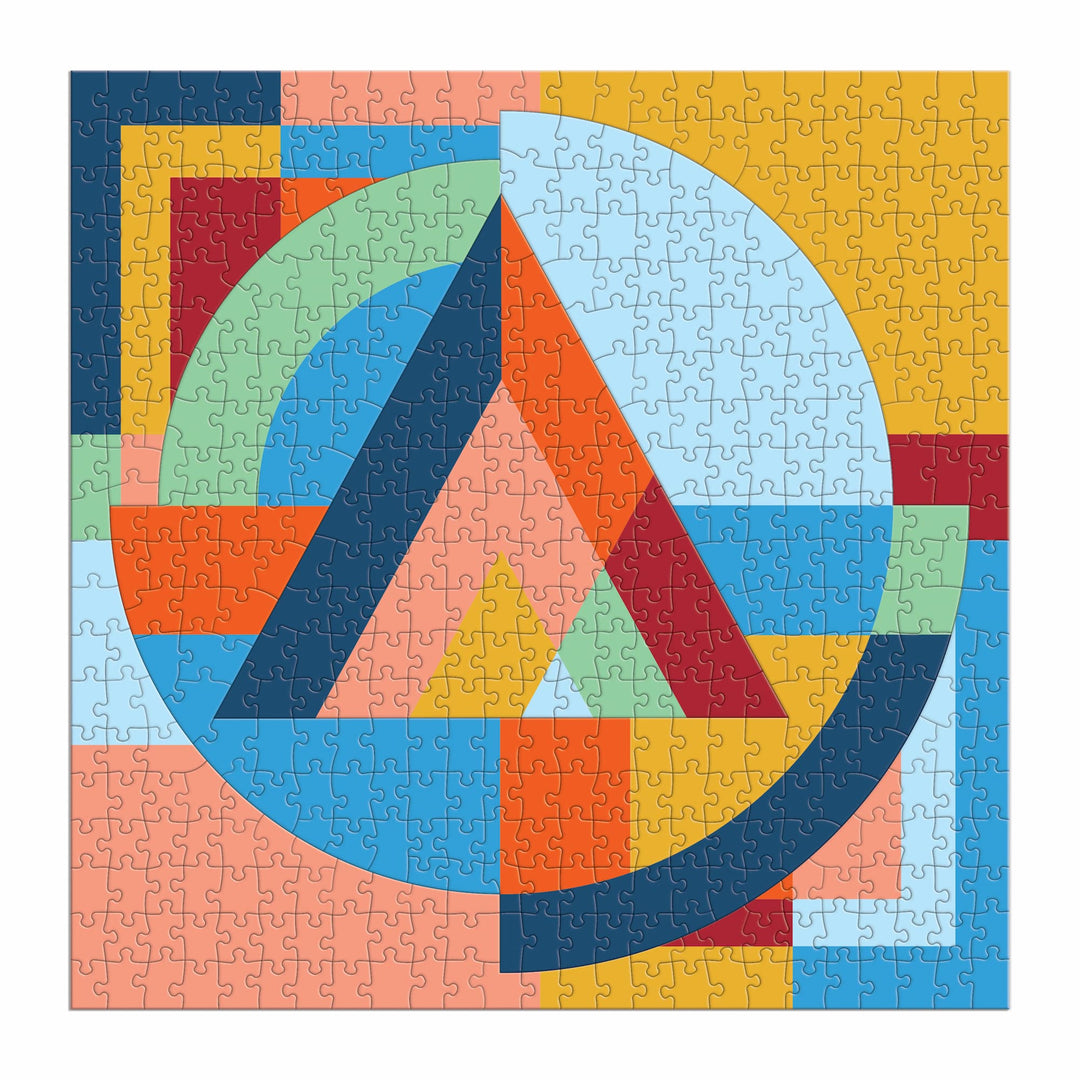
1. Strategic Foundations for Completing a Geometric Pattern Jigsaw
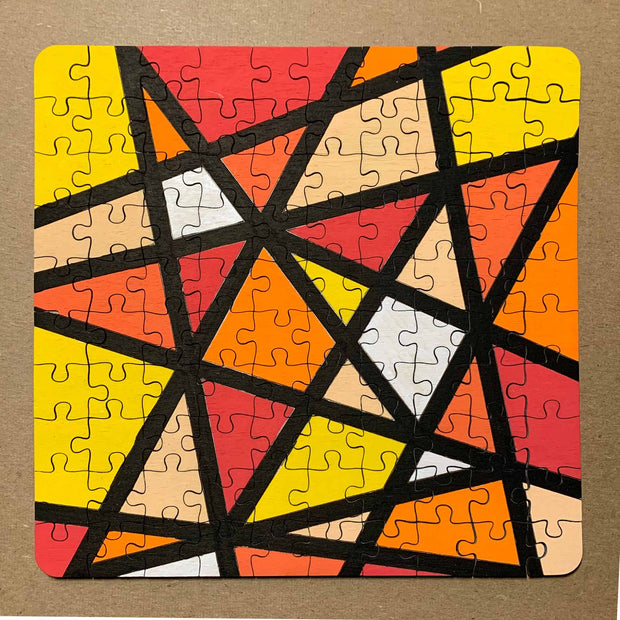
Approaching a complex geometric pattern jigsaw requires a shift in mindset from standard image-based puzzles. Because these designs often rely on repetition, symmetry, and subtle color shifts, traditional methods of building from the edges inward can lead to frustration. Instead, you must treat your workspace as a laboratory for logical assembly.
1.1 Workspace Architecture and Tooling Requirements
1.1.1 Optimizing Lighting Environments to Neutralize Glare on Geometric Finishes
Geometric puzzles, especially those featuring bold, high-contrast designs or metallic finishes, are notoriously prone to glare. Overhead lighting often creates distracting hotspots on glossy surfaces, obscuring the fine lines and textures essential for identifying piece connectivity. To mitigate this, utilize indirect, diffused LED lighting or a positionable desk lamp equipped with a neutral-temperature bulb. Positioning your light source at an angle rather than directly above your puzzle will help reveal the depth of the cut, allowing the natural contours of the pieces to become visible even in minimalist art jigsaw designs.
1.1.2 Essential Sorting Equipment and Surface Selection for Precision Assembly
Precision assembly starts with a dedicated, stable surface. Avoid high-pile carpets or unstable folding tables; a flat, non-slip board or specialized puzzle mat provides the necessary friction to keep modular sections from shifting. For sorting, utilize a multi-tray system that allows you to isolate pieces by distinct criteria. Sorting trays act as your visual index, preventing the cognitive overload that occurs when all pieces are scattered across one surface.
1.2 Sophisticated Sorting Methodologies for Repetitive Designs
1.2.1 Categorizing by Line Weight, Color Saturation, and Gradient Transitions
When patterns repeat, sorting by color alone is rarely sufficient. You must train your eyes to categorize pieces by line weight and pattern density. Look for consistent stroke widths or shapes that suggest a transition from a saturated area to a gradient fade. By isolating pieces with unique line intersections, you create smaller, manageable buckets that allow you to piece together linear paths before attempting to bridge the gaps between them.
1.2.2 Utilizing Geometric Anchors to Identify Unique Intersections and Pivot Points
Geometric anchors are the focal points of a puzzle where lines intersect or change direction. In a complex grid, these pivots represent the most reliable structural markers. Start your assembly by identifying these high-contrast junctions. Once these anchors are locked into place, the surrounding pieces—even those with similar colors—become easier to position as they must conform to the established geometry of the intersection.
1.3 Managing Common Obstacles in Complex Puzzles
1.3.1 Identifying and Mitigating False Fits in Symmetrical Repeat Patterns
False fits are the primary challenge in geometric puzzles, where two pieces may appear to lock together despite not belonging in that location. To verify a connection, look for “visual continuity.” If the line weight or color edge appears slightly misaligned, or if the fit requires undue force, trust your instincts that it is a false fit. Gently lift the surrounding area to check for gaps in the pattern’s rhythm.
1.3.2 Addressing Identical Edge Pieces Through Shape and Cut Analysis
In highly repetitive puzzles, the physical cut—the “knob and hole” configuration—is your greatest tool. When visual cues fail, rely on shape analysis. Observe the unique silhouette of each piece; some may have elongated knobs or unconventional neck shapes that clearly distinguish them from others in the same color block. By classifying pieces by their specific cut, you can systematically test their placement without relying solely on the printed design.
2. Advanced Techniques for Mastering High-Complexity Geometric Puzzles
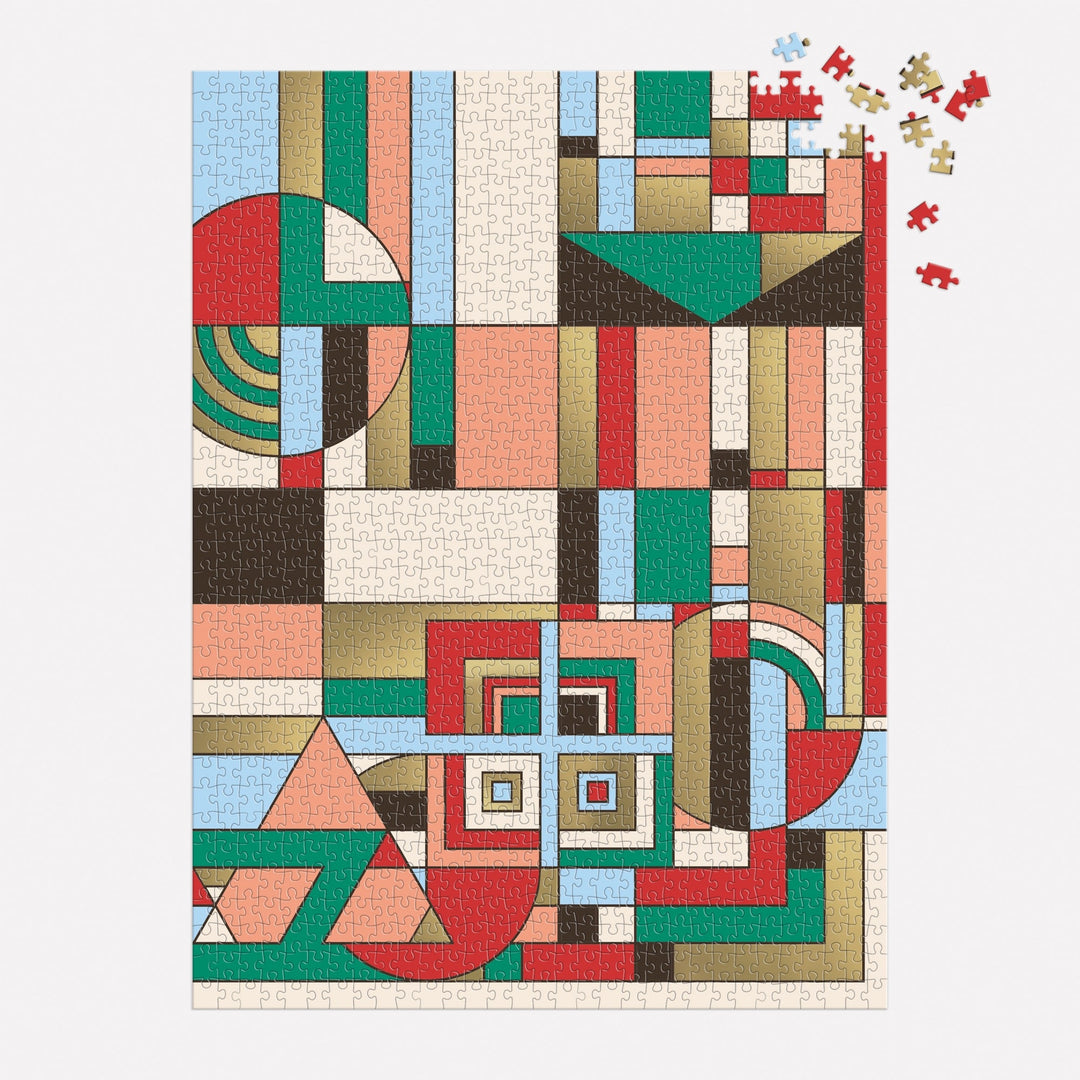
When you transition from standard jigsaw puzzles to complex geometric patterns, your standard assembly approach often falls short. The repetitive nature of these designs requires a shift toward more systematic, architectural thinking.
2.1 Applying Systematic Assembly Frameworks
2.1.1 Implementing the Divide and Conquer Method for Modular Sub-Assemblies
For high-complexity builds, avoid the temptation to focus on the entire frame at once. Instead, isolate specific color zones or recurring line motifs. By creating modular sub-assemblies—small clusters of pieces that represent a single pattern repeat—you effectively break a massive project into manageable, bite-sized tasks. This method is particularly effective for minimalist art jigsaw designs where lines and angles dominate, as it allows you to build out sections in isolation before connecting them to the larger whole.
2.1.2 Evaluating Knob and Hole Geometry to Reverse-Engineer Piece Connectivity
When color and pattern offer no clues, you must rely on the physical anatomy of the pieces. Examine the unique configurations of knobs and holes—the distinct shapes that define how each piece locks into its neighbor. In geometric sets, the die-cut pattern often repeats across the grid, but subtle variations in the neck of the knobs or the curvature of the edges act as a “fingerprint” for that specific piece. By mentally reverse-engineering these shapes, you can predict which pieces are likely to connect based on their physical negative space.
2.2 Ergonomics and Cognitive Maintenance for Intricate Builds
2.2.1 Techniques for Managing Micro-Pieces and Avoiding Eye Fatigue
Intricate geometric builds often feature smaller, more precise cuts that can lead to significant eye strain during long sessions. Combat this by utilizing task lighting directed at an angle to create shadows in the cut lines, which helps you differentiate between similarly shaped pieces. Additionally, maintain an ergonomic posture and utilize a magnifying lamp if the puzzle features high-density patterns. Taking short, intentional breaks prevents the visual fatigue that often leads to missing subtle cues in the pattern.
2.2.2 Psychological Strategies to Sustain Focus During Plateau Phases
Reaching a “plateau phase”—where no pieces seem to fit for an extended period—is common. When this occurs, step away from the table. Engaging in top memory concentration builders or simply walking away for a few hours allows your brain to reset. Upon returning, your eyes are more likely to perceive the patterns you previously overlooked, helping you break through the deadlock.
2.3 Ensuring Long-Term Stability and Troubleshooting
2.3.1 Procedures for Safely Relocating Delicate Sections Without Collapsing Progress
As you build, you will eventually need to join your sub-assemblies. To move a delicate section, slide a thin, rigid piece of cardstock or a dedicated puzzle mat underneath the cluster. Support the underside completely while you transfer it to the main board, ensuring you don’t place lateral pressure on the internal connections, which could cause a sudden collapse.
2.3.2 Auditing Existing Connections When Encountering Persistent Deadlocks
If you reach a point where pieces simply won’t seat properly, it is time to audit your work. Often, a single piece placed incorrectly two or three steps back creates a cascading error. Gently tug on surrounding pieces; if they resist or feel misaligned, remove the cluster and re-evaluate the connection. It is better to backtrack early than to discover a “false fit” only after the board is nearly complete.
2.3.3 FAQ: Resolving Common Queries Regarding Piece Identification and False Fits
Users often ask, “How do I know if a piece is a false fit?” The answer lies in the tactile feedback. A correct connection should feel seamless, with no raised edges or visible gaps between the interlocking components. If you find yourself forcing a piece, it almost certainly belongs elsewhere. When in doubt, hold the piece up to a light source; the quality of the cut usually ensures that only the true pair will align perfectly without resistance.
Mastering a geometric pattern jigsaw is as much about patience as it is about developing a refined visual strategy. By moving beyond a simple trial-and-error approach and embracing the systematic techniques outlined here—such as categorizing by line weight, utilizing geometric anchors, and maintaining a well-lit, ergonomic workspace—you can transform what might feel like an overwhelming challenge into a deeply rewarding hobby. Whether you are tackling intricate, multi-layered puzzle challenges or simply unwinding with a meditative session, these methods help you regain control when you encounter repeating shapes or stubborn false fits.
Remember that the beauty of these puzzles lies in their precision; if you feel your focus waning, take a break and return with fresh eyes. Solving these complex designs is excellent for sharpening your cognitive skills and attention to detail. If you find yourself gravitating toward this specific aesthetic, you might also enjoy exploring our guide to minimalist art jigsaw puzzles for your next project. Keep practicing these assembly frameworks, stay patient with your progress, and enjoy the satisfaction of watching perfectly aligned pieces finally snap into place to complete your geometric masterpiece.