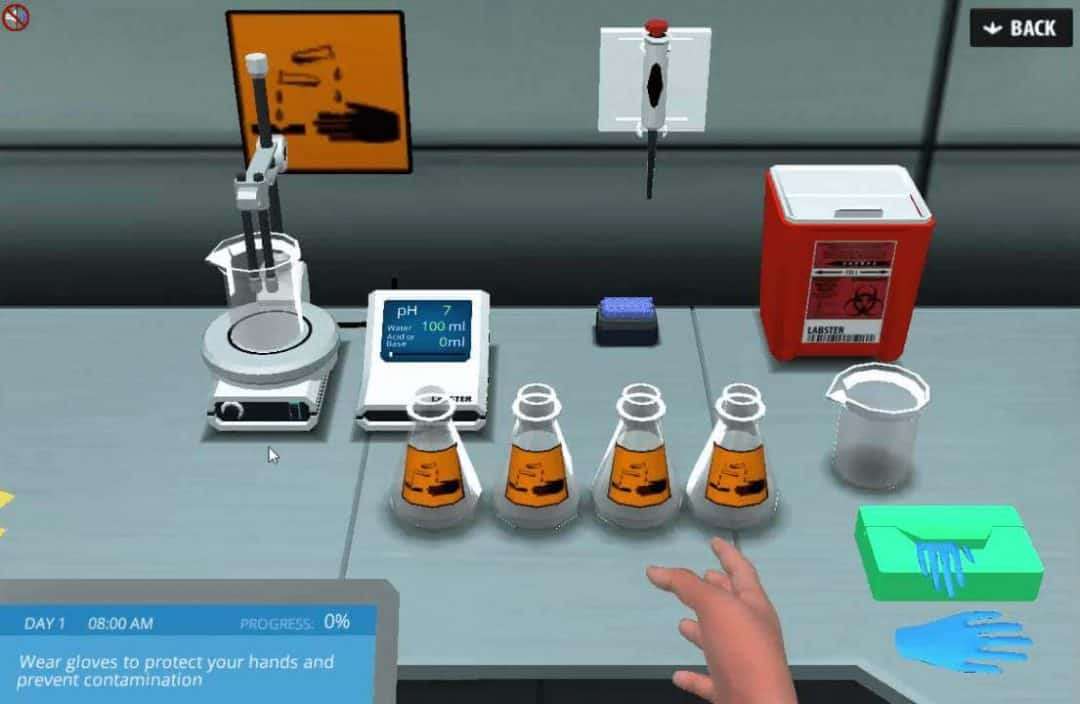
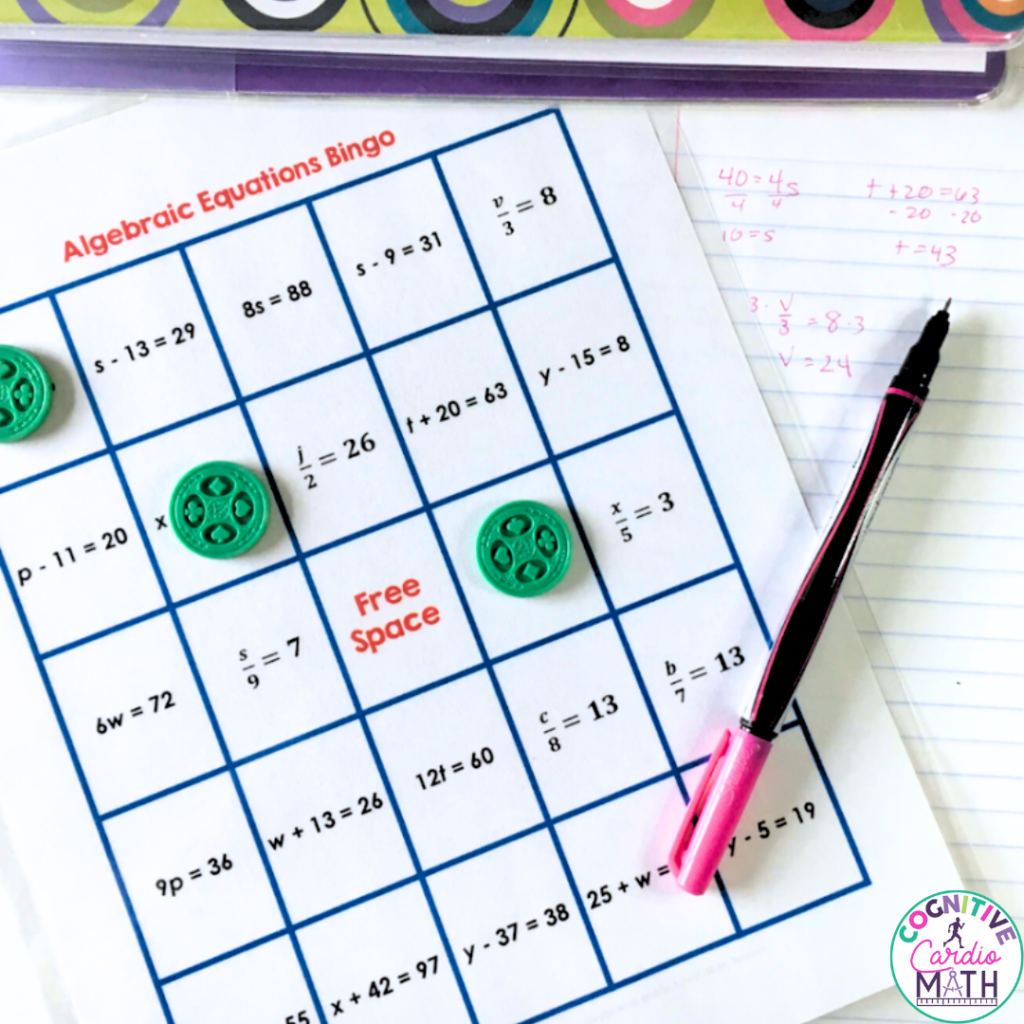
Science has always been a discipline of exploration, yet the traditional classroom often struggles to provide the resources necessary for every student to experiment safely and repeatedly. This is where scientific experiment simulators are transforming the educational landscape. These sophisticated digital platforms allow students to test hypotheses, observe complex phenomena, and conduct hazardous reactions in a risk-free virtual environment. By bridging the gap between abstract textbook theory and tangible, hands-on practice, these tools provide an essential layer of modern literacy for aspiring scientists.
In this guide, we will explore how these digital labs facilitate deep learning and critical thinking. Whether you are an educator looking to supplement your curriculum with science educational games or an independent learner seeking to sharpen your analytical skills, you will find actionable advice on selecting the right software, navigating cost structures, and maximizing the effectiveness of your virtual laboratory sessions. We will also discuss how these simulations serve as a bridge to best physics puzzle games that further refine your approach to data-driven discovery and systematic inquiry.
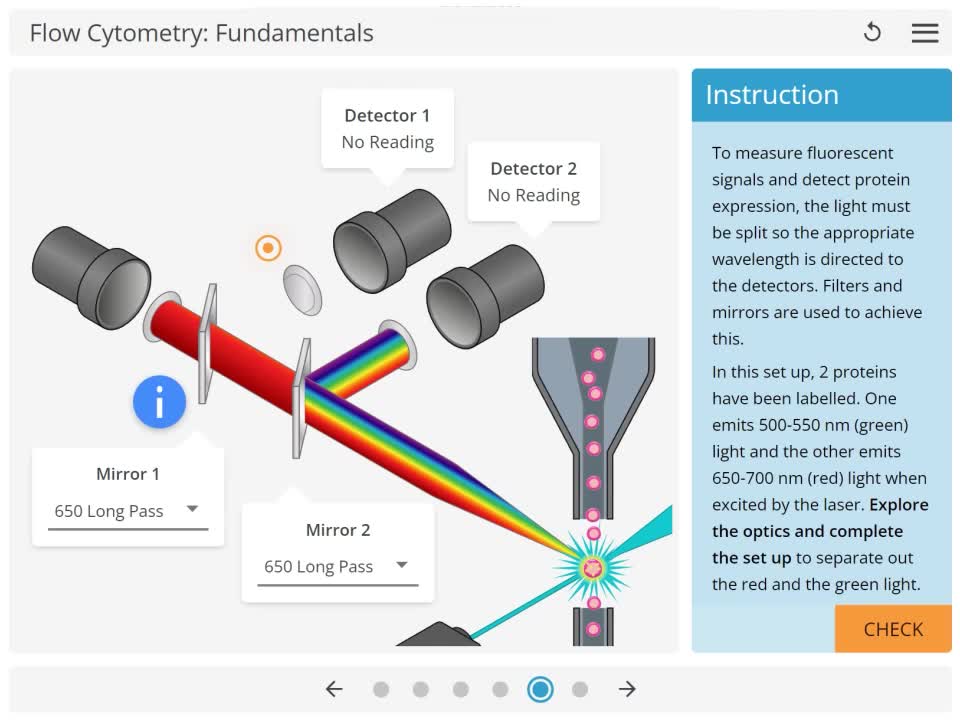
1. Understanding the Role and Utility of Scientific Experiment Simulators
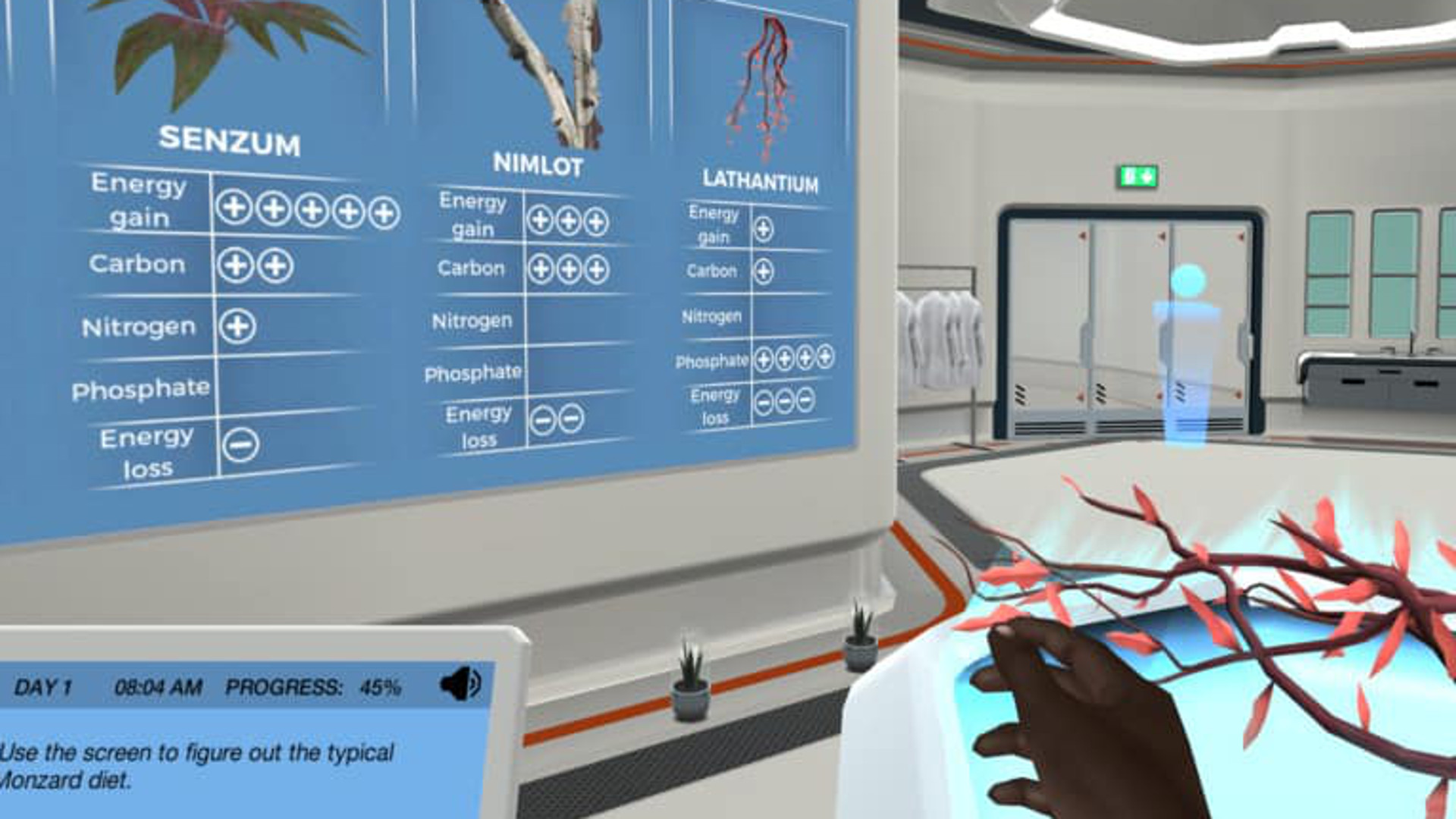
Scientific experiment simulators have fundamentally changed how students and curious minds approach STEM education. By providing a digital sandbox that mimics complex laboratory environments, these tools allow users to test hypotheses, manipulate variables, and observe outcomes without the logistical or physical barriers of a brick-and-mortar lab. Whether you are a student refining your logic reasoning training or an educator seeking to bolster classroom engagement, these virtual platforms provide a low-stakes environment for high-stakes learning.
1.1 The Educational Value of Virtual Lab Environments
Virtual lab environments serve as a powerful bridge between abstract textbook theories and real-world application. By visualizing invisible processes—such as molecular bonding or electromagnetism—learners can grasp complex mechanisms that are often difficult to conceptualize through static diagrams alone. Furthermore, many of these tools incorporate elements found in effective science educational games, which transform daunting academic hurdles into manageable problem solving educational quests. This gamification strategy encourages persistence, as students can instantly reset experiments to understand where their methodology failed, fostering a growth mindset rather than simple rote memorization.
From a safety and resource perspective, virtual simulations are invaluable. They eliminate the risks associated with hazardous chemicals or fragile, expensive equipment, enabling students to perform dangerous reactions or delicate procedures repeatedly until they achieve mastery. This democratization of access ensures that students in underfunded districts or remote learning environments can gain the same hands-on experience as those in well-equipped institutional facilities.
1.2 Essential Criteria for Selecting High Quality Scientific Experiment Simulators
Choosing the right simulator requires more than just picking the most visually appealing software. To ensure educational integrity, look for tools that prioritize scientific accuracy over mere animation. High-fidelity simulations must account for realistic variables, ensuring that if a student alters a factor like temperature or pressure, the resulting data reflects authentic physical or chemical laws.
Accessibility is another crucial pillar. A robust platform features an intuitive user interface that allows learners to focus on the experiment rather than struggling with complex navigation. High-quality tools are often aligned with state and national education standards, making it easier for teachers to integrate them into existing curricula. Finally, look for built-in assessment and progress tracking. The ability to monitor a student’s performance, identify knowledge gaps, and evaluate their critical thinking process provides educators with the data needed to offer personalized support.
1.3 Navigating the Cost Structure of Digital Science Tools
The marketplace for digital science tools varies significantly in cost, from completely open-source projects to enterprise-level tiered subscriptions. Open-source simulators are excellent for independent learners and schools with limited budgets, offering transparent and often community-driven content. While these may lack premium features like automated grading, they are often perfectly adequate for core concept reinforcement.
Conversely, professional subscription-based platforms often provide a higher return on investment for large institutions by offering comprehensive analytics, lab-management features, and extensive libraries of experiments. When scaling these tools across a district or university, it is vital to balance these costs against the reduction in physical lab overhead, such as purchasing consumables or maintaining glassware. By prioritizing platforms that offer modular or scalable licensing, administrators can ensure that their investment provides equitable access while fitting within established budgetary constraints.
2. Implementing and Maximizing Scientific Experiment Simulators Across Disciplines
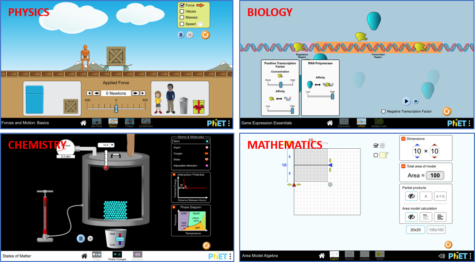
2.1 Specialized Digital Tools by Science Domain
2.1.1 Physics Simulations for Mechanics and Electromagnetism
Physics simulators allow students to manipulate variables like friction, mass, and electrical resistance in real-time. By observing how these changes impact motion or circuit output, learners develop a deeper intuitive understanding of core laws. These tools are often excellent for best physics puzzle games enthusiasts who want to bridge the gap between casual gaming and formal STEM concepts.
2.1.2 Interactive Chemistry Tools for Molecular Modeling and Titration
Chemistry simulations remove the physical hazards of volatile reactions, allowing for repeated experimentation with titration or molecular bonding. Students can visualize complex atomic structures that are otherwise impossible to see, fostering a stronger grasp of chemical properties through safe, repeatable digital trials.
2.1.3 Biological Lab Tools for Genetics and Cellular Exploration
From microscopic observation to complex genetic mapping, these tools enable learners to conduct multi-generational studies in minutes. Virtual labs permit the exploration of cellular processes, such as mitosis or enzyme activity, at scales that would require high-end, expensive laboratory equipment in a physical classroom.
2.1.4 Earth and Space Science Modules for Astronomical Observation
These modules turn the classroom into a digital planetarium. Students can model gravitational pull, planetary orbits, or tectonic shifts, providing a dynamic way to study Earth’s history and the mechanics of the solar system.
2.2 Strategic Integration for Educators and Independent Learners
2.2.1 Blending Digital Simulations with Traditional Hands On Labs
The most effective learning occurs when virtual and physical labs complement one another. Use simulators to build foundational knowledge before a physical experiment to ensure students understand the variables involved, or use them afterward to explore “what if” scenarios that aren’t possible with physical materials.
2.2.2 Developing Structured Inquiry Based Lesson Plans
To avoid aimless clicking, educators should frame simulations as problem solving educational quests. By providing a clear objective—such as achieving a specific outcome or identifying an unknown variable—you ensure the simulation serves a pedagogical purpose rather than acting as a distraction.
2.2.3 Teaching Data Analysis Techniques Using Virtual Results
Virtual labs generate precise data sets instantly. This allows students to dedicate more time to data interpretation, graphing, and drawing scientific conclusions, which are essential components of developing rigorous scientific methodology.
2.2.4 Addressing the Digital Divide and Equitable Access
Digital tools should act as an equalizer. Ensure that selected platforms are accessible on low-bandwidth connections or older hardware, and provide offline modes when possible to guarantee that all students have the same opportunities for logic reasoning training regardless of their home technology access.
2.3 Best Practices for Effective Laboratory Simulation Outcomes
2.3.1 Managing Technical Requirements and Browser Compatibility
Before integrating a new tool, verify its compatibility across different devices. Most high-quality scientific experiment simulators are web-based, but consistent performance depends on stable internet and up-to-date browsers. Always test the interface on the actual hardware students will be using.
2.3.2 Maintaining Academic Integrity During Virtual Assessments
When using simulations for testing, design tasks that require students to explain their reasoning rather than just reporting the final output. Digital assessment should focus on the application of the scientific method rather than the mere completion of the simulation.
2.3.3 Customizing Simulations for Different Grade Levels
Not all learners require the same level of complexity. Start younger students with simplified, highly visual modules that prioritize observation. Progressively introduce advanced variables and data collection requirements for older students to keep the experience challenging and academically appropriate.
Scientific experiment simulators are more than just digital alternatives to traditional laboratories; they represent a fundamental shift in how we approach science education. By bridging the gap between abstract theory and observable reality, these tools empower learners to master complex concepts through safe, repeatable, and interactive practice. Whether you are a student looking to strengthen your foundation in physics or an educator seeking to bolster your curriculum with engaging, inquiry-based modules, the right virtual environment can significantly enhance your grasp of the scientific method.
As you incorporate these platforms into your learning routine, remember that the most effective approach balances virtual experimentation with real-world application. Much like the disciplined practice required in best physics puzzle games, mastering scientific principles through simulators demands consistent engagement, critical analysis of data, and a willingness to explore various outcomes. By leveraging these advanced digital tools, you are not just memorizing facts—you are actively developing the problem-solving educational quests and logic reasoning training necessary for future success in any STEM field. Embrace these resources as an extension of your own curiosity, and let them serve as a launchpad for your journey of scientific discovery.