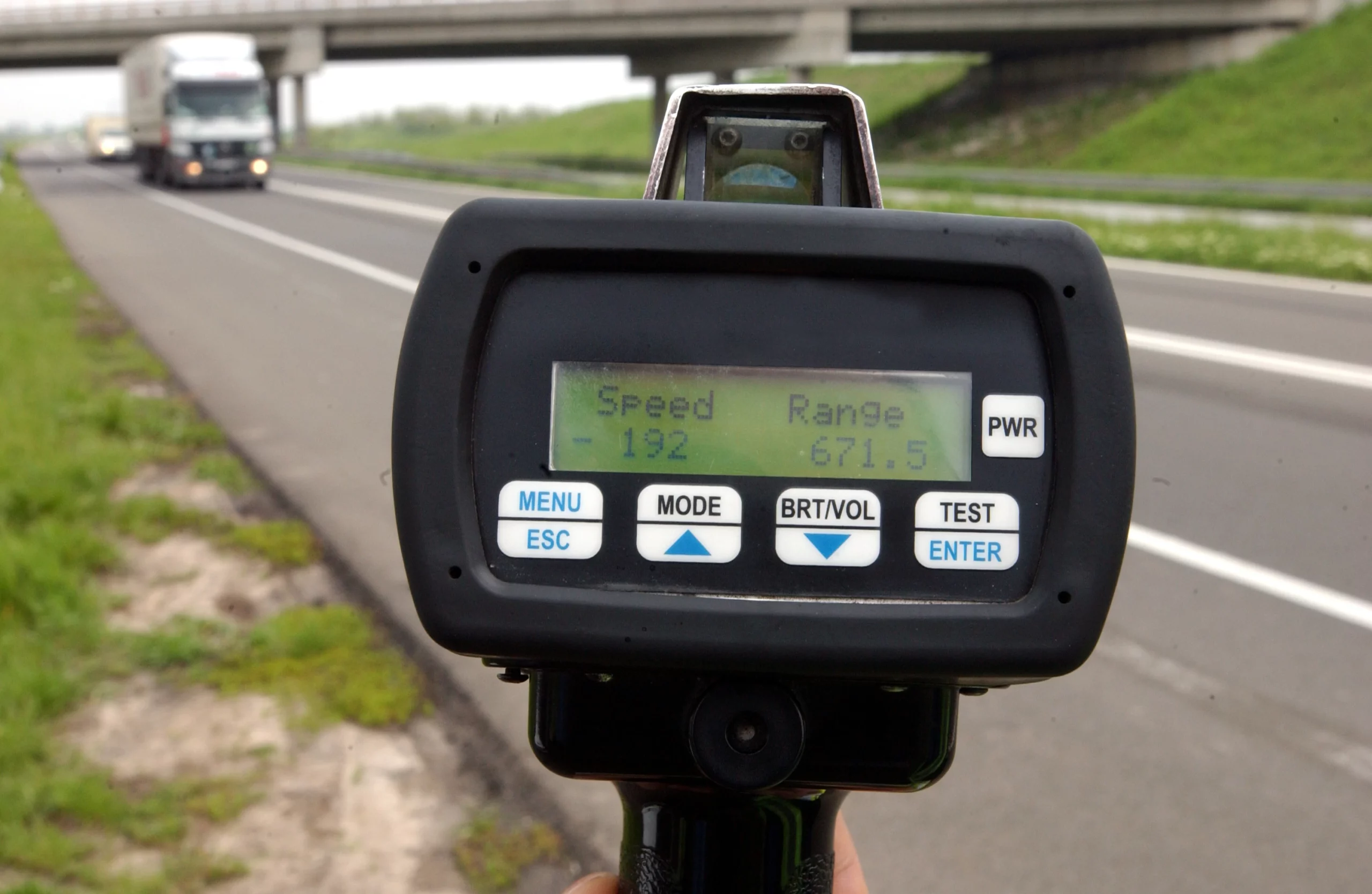
At its core, a vehicle speed test is much more than a simple measurement of how quickly a car can reach a certain milestone. It is an intricate blend of mechanical engineering, environmental analysis, and raw physics that determines exactly what a machine is capable of when pushed to its limits. Whether you are curious about factory-rated 0-60 times or the sustained velocity required for highway endurance racing, understanding these trials requires a deep dive into the forces that act upon a chassis at high velocity.
In this guide, we will break down the essential components that define modern performance metrics. You will learn how engineers utilize aerodynamics, tire contact patch dynamics, and power-to-weight ratios to extract every ounce of speed from a vehicle. We will also examine how real-world variables, ranging from atmospheric density to technical driver assists, impact the data you see in professional testing reports. By the end, you will have a comprehensive understanding of the science that drives the automotive industry.
2. Methodologies and Metrics for Evaluating Vehicle Speed Tests
2.1 Standardized Testing Benchmarks
2.1.1 Understanding the 0-60 MPH Performance Standard
The 0-60 mph sprint remains the universal shorthand for automotive acceleration. It measures the time required for a vehicle to accelerate from a standstill to highway speeds. While it seems straightforward, this metric is highly sensitive to initial traction, gear ratios, and the power-to-weight ratio. It serves as the baseline for comparing everything from economy sedans to high-performance supercars.
2.1.2 Measuring Sustained Power via the Standing Quarter Mile
While the 0-60 test focuses on initial launch, the standing quarter-mile test reveals how a vehicle sustains power through its gears. This metric evaluates the car’s top-end acceleration and is often considered a better indicator of engine potency and aerodynamic efficiency than a short burst. For those interested in how these variables translate to simulated environments, understanding physics based vehicle handling is crucial for interpreting how cars maintain momentum in both real and digital speed trials.
2.1.3 Lateral G-Forces and Cornering Thresholds
Speed is not limited to straight lines. Lateral G-force measurements determine how much speed a vehicle can carry through a turn before losing tire adhesion. This data is critical for assessing chassis balance and suspension geometry, providing a comprehensive view of performance beyond raw engine output.
2.1.4 Analyzing Brake Fade and Kinetic Energy Dissipation
Effective speed testing must also account for stopping power. Brake fade occurs when the friction material in the brakes overheats during repeated high-speed stops, leading to a loss of stopping performance. Engineers measure how quickly a car sheds kinetic energy to ensure that the braking system can handle the mechanical stress generated by high-speed maneuvers.
2.2 Technical Equipment and Environmental Variables
2.2.1 Utilizing GPS Data Loggers and Telemetry Systems
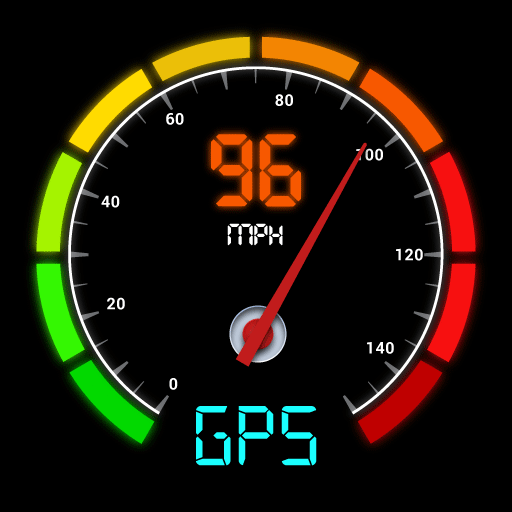
Modern testing relies on high-frequency GPS data loggers that track position, velocity, and acceleration with extreme precision. These telemetry systems provide a granular breakdown of every millisecond of a test run, allowing teams to identify where power delivery was hampered or where momentum was lost.
2.2.2 Correcting Performance Data for Altitude and Temperature
Engine performance varies wildly based on ambient conditions. High altitude reduces oxygen density, which limits internal combustion power, while high temperatures affect tire grip and cooling efficiency. Professionals use standardized correction factors to normalize data, ensuring that results gathered in different environments are comparable.
2.2.3 Mitigating Driver Error Through Launch Control
Human reaction time and throttle modulation can skew results. Launch control systems automate the process of finding the optimal balance between engine RPM and tire spin, ensuring consistent performance that isolates the vehicle’s mechanical capabilities from the driver’s skill set.
2.2.4 Addressing Mechanical Limitations Like Heat Soak
Repeated runs can lead to heat soak, where components like intercoolers or transmissions reach temperatures that force the engine control unit to dial back performance to protect the drivetrain. Proper testing protocols include cooldown periods to ensure every run is performed under peak operating conditions.
2.3 Interpreting Manufacturer Claims Versus Real World Data
2.3.1 Identifying Discrepancies in Independent Testing
Manufacturers often utilize professional test tracks with perfect surfaces and specialized tire compounds to achieve optimal performance numbers. Independent tests, conducted on public road surfaces or less-than-ideal tracks, often result in slightly lower performance figures. These discrepancies highlight the difference between theoretical capability and real-world utility.
2.3.2 Evolution of Metrics in the Electric Vehicle Era
The rise of electric vehicles has shifted how we interpret speed tests. With near-instant torque delivery and lack of traditional gear shifting, EVs often dominate short-burst acceleration tests. Metrics are evolving to focus more on sustained high-speed output and battery temperature management during repeated launches, rather than relying solely on traditional horsepower and torque curves.
Mastering vehicle speed tests requires a deep appreciation for the delicate balance between raw power, mechanical engineering, and environmental physics. By understanding how drag coefficients, power-to-weight ratios, and traction dynamics interact, enthusiasts and professionals alike can better decode the performance figures seen in modern automotive reviews. Whether you are aiming to refine your personal project car through dedicated vehicle modification workshops or simply want to interpret how manufacturers reach their claimed 0-60 mph benchmarks, the data gathered from standardized testing provides the ultimate truth about a vehicle’s capabilities.
As technology shifts toward high-torque electric platforms and advanced telemetry, the way we measure speed continues to evolve. However, the fundamental laws of motion remain the constant baseline for success. By applying these scientific principles to your own performance goals—or even to your approach in simulation racing—you can gain a significant edge in both setup and execution. Ultimately, speed is not just about the engine; it is about the mastery of the entire vehicle system under pressure.