There is a unique, undeniable magic found in the flickering glow of a CRT monitor and the unmistakable click of a microswitch joystick. Whether you are a lifelong fan looking to revisit the golden age of gaming or a newer player curious about the roots of the medium, retro pixel arcade games offer a depth of design that remains unrivaled. These titles are not merely relics of the past; they are masterclasses in economy, balance, and pure, addictive gameplay. From the frantic, high-intensity patterns of retro pixel art shooters to the demanding logic of precision platforming arcade classics, these games define what it means to truly test a player’s skill.
In this guide, we will explore the essential mechanics that make these experiences timeless, provide strategies for tackling high score chasing challenges, and help you navigate the modern landscape of preservation and play. If you are looking to sharpen your reflexes and understand the legacy behind today’s biggest hits, you can also check out our guide on best platform action games: mastering combat and movement to see how these foundational arcade principles continue to evolve in contemporary titles.
1. Mastering the Mechanics and History of Retro Pixel Arcade Games
1.1 The Anatomy of an Arcade Classic
1.1.1 Understanding Technical Constraints and Aesthetic Charm
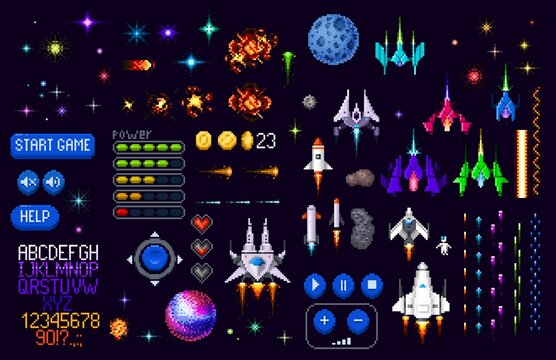
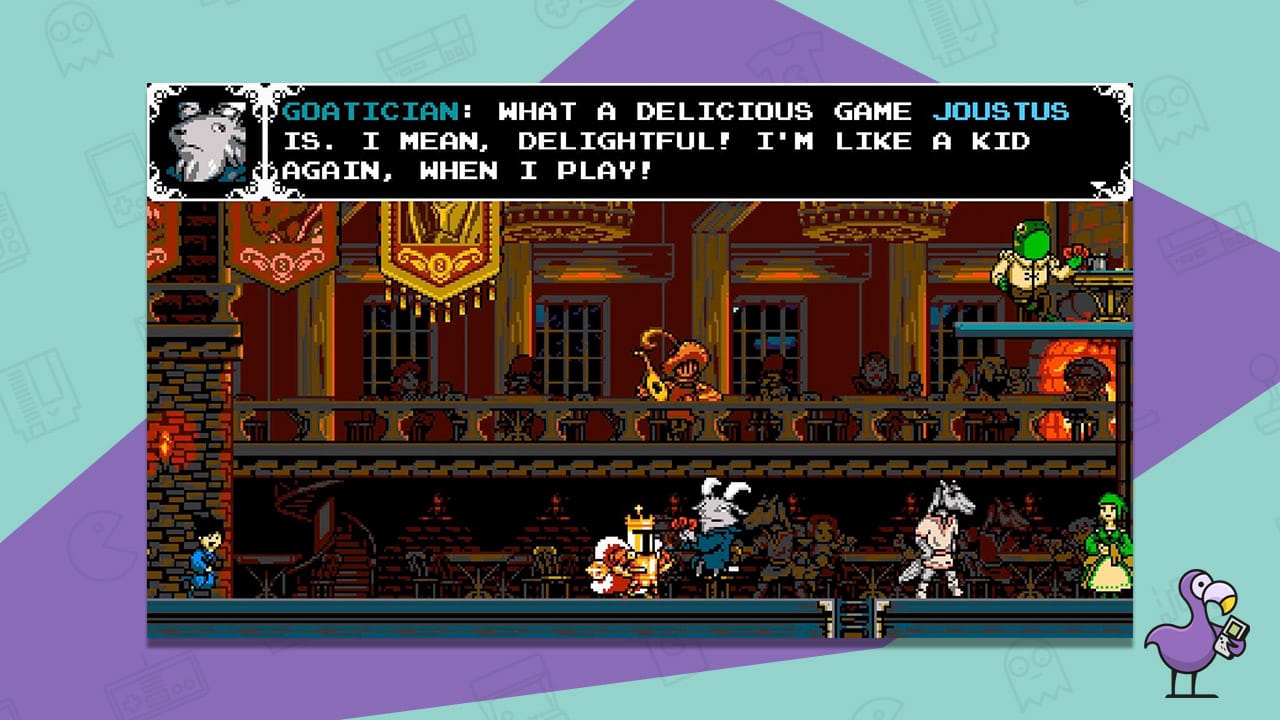
The visual identity of retro pixel arcade games was born from necessity rather than a stylistic choice. Early hardware suffered from severe memory and processing limitations, forcing developers to work with limited color palettes and low-resolution sprites. This created the iconic pixel art aesthetic we recognize today. Each blocky character was a result of meticulous engineering, where every single pixel had to serve a functional purpose in conveying movement or intent. This rigid technical framework actually fostered a unique visual charm, proving that simplicity often ages better than the muddy, ambitious 3D textures of the early console eras.
1.1.2 The Role of Chiptune Soundscapes in Game Immersion
Before the era of orchestral soundtracks, sound design was dictated by programmable sound generators. These chiptune soundscapes relied on basic waveforms like square, triangle, and noise channels. Despite these limitations, composers created melodies that were not just catchy, but essential for gameplay cues. The rising pitch of a soundtrack often signaled an increase in danger, while specific audio loops served as auditory anchors for rhythmic timing. These soundscapes are intrinsically linked to our nostalgia, proving that effective atmosphere is built on tight, repetitive composition rather than sheer audio complexity.
1.1.3 Why Difficulty Curves Define the Arcade Experience
The primary goal of a classic arcade cabinet was simple: generate revenue through repeat play. This dictated the development of brutal, yet fair, difficulty curves. Modern gamers often mistake this for poor design, but these games were intended to be mastered over weeks of dedication. High score chasing challenges became the standard for engagement, incentivizing players to memorize levels and optimize routes. By balancing accessible entry points with a near-impossible ceiling, developers ensured that while a game could be played by anyone, only the truly skilled could see the “Kill Screen” or the final credits.
1.2 Essential Gameplay Skills for Modern Players
1.2.1 Mastering Pattern Recognition and Enemy Loops
Success in classic titles relies heavily on your ability to read the screen as a sequence of predictable logic. Enemies generally follow fixed paths or react to player positioning in specific, repeatable ways. By identifying these “enemy loops,” you shift your gameplay from reactive panic to strategic anticipation. Once you internalize these patterns, you stop fighting the individual sprites and start managing the flow of the entire screen, which is the hallmark of any skilled player.
1.2.2 Precision Control and Hitbox Manipulation
When you play retro pixel art shooters or fast-paced platformers, your success often comes down to understanding the invisible geometry of the game. A character’s hitbox is frequently smaller than the sprite itself, a design quirk that allows for “pixel-perfect” dodges. Mastering these games requires a Zen-like focus on the center point of your character rather than the outer edges of the animation. This precision is what separates the casual observer from the player capable of threading a bullet through a gap only a few pixels wide.
1.2.3 Strategies for Achieving a One Credit Clear
The “One Credit Clear” (1CC) is the ultimate badge of honor in the arcade world. It represents a total mastery of a game’s mechanics and layout. Achieving this requires more than just raw reflexes; it demands route optimization. You must decide which hazards to engage with and which to bypass to conserve resources like lives or bombs. Players often look to Mastering High Score Arcade Games: Top Tips and Tactics to understand the underlying meta-game that turns a standard session into a legendary run.
1.3 Essential Titles Across Core Arcade Genres
1.3.1 Defining the Foundations: Pac-Man, Galaga, and Donkey Kong
These foundational pillars established the vocabulary for all arcade gaming. Pac-Man introduced the concept of maze navigation and risk-reward loops, while Galaga refined the fixed-shooter genre into a test of rhythmic accuracy. Donkey Kong brought personality and verticality to the screen, forcing players to think about movement in two dimensions rather than just side-to-side. These titles are the bedrock of the genre because they distilled complex ideas into singular, perfectly balanced mechanics.
1.3.2 Action and Combat Prowess: Metal Slug and Street Fighter II
As hardware evolved, the industry shifted toward more complex combat systems. Metal Slug set the gold standard for run-and-gun titles, utilizing detailed, hand-drawn pixel art and screen-filling explosions. Conversely, Street Fighter II revolutionized competitive play by introducing the concept of frame data and specialized move sets. Both games proved that arcade cabinets could provide deep, skill-based combat experiences that remain relevant in the modern era of professional esports and online matchmaking.
1.3.3 Atmosphere and Platforming: Castlevania and Mega Man
Precision platforming arcade titles rely on tight, responsive controls that leave no room for error. Mega Man defined the “select your stage” structure while pushing the player to learn enemy weaknesses through experimentation. Castlevania leaned into atmospheric design and non-linear exploration, rewarding players for uncovering secrets within a hostile environment. These games transitioned pixel art from a simple visual constraint into a tool for environmental storytelling, helping shape the platforming genre for decades to come.
2. Preserving and Playing Retro Pixel Arcade Games in the Modern Era
2.1 How to Access and Experience Classic Titles Today
2.1.1 Emulation Standards: MAME and FPGA Technology Explained
Modern access to classic arcade games has evolved significantly, moving beyond simple software emulation toward high-fidelity hardware replication. MAME, or Multiple Arcade Machine Emulator, remains the industry standard for software-based preservation, allowing users to run original ROM dumps on contemporary PCs. However, enthusiasts seeking a more authentic experience are increasingly turning to FPGA (Field Programmable Gate Array) technology. Unlike software emulators that approximate game behavior, FPGA hardware replicates the original circuit logic of arcade boards. This eliminates input lag and graphical inaccuracies, providing a near-perfect recreation of how these titles felt in the 1980s.
2.1.2 Legal Digital Collections and Mini-Console Compilations
For players who prefer a plug-and-play experience, digital storefronts and curated mini-consoles offer the most accessible entry points. Many classic arcade games are now available through official digital collections on modern consoles, which often include quality-of-life features like save states and visual filters that mimic scanlines. Additionally, dedicated mini-cabinets and compilations released by manufacturers provide an affordable way to own a library of arcade hits without the legal and technical complexities of managing individual ROM files.
2.1.3 The Value of Original Hardware and Arcade Cabinet Restoration
There is no true substitute for the tactile weight of an original arcade joystick or the vibrant glow of a CRT monitor. Restoring authentic cabinets is the pinnacle of the hobby, requiring deep knowledge of electronics and mechanical repair. While resource-intensive, restoring these machines preserves the physical legacy of the golden age, ensuring that future generations can experience the intended design of these historic titles.
2.2 Building and Maintaining Your Personal Retro Collection
2.2.1 Curating Your Library Without Breaking the Budget
Building a collection doesn’t require a fortune. Start by focusing on specific genres that resonate with your personal playstyle rather than attempting to acquire every title. Digital storefronts frequently offer discounted bundles, and keeping an eye on community marketplaces can help you find hardware deals. Prioritizing quality over quantity allows you to curate a library that you will actually play rather than one that simply sits on a shelf.
2.2.2 Essential Peripherals: Comparing Arcade Sticks and Gamepads
The input method is critical when playing titles designed for precise arcade cabinets. While standard gamepads are convenient, they often fail to capture the specific microswitch click and long-throw travel of an arcade stick. If you want to improve your performance in high score chasing challenges, investing in a quality arcade stick or a high-end fight stick is highly recommended. These peripherals offer better button layouts for multi-input combos and significantly improve accuracy during intense gameplay sessions.
2.2.3 Best Practices for Maintaining Legacy Hardware and Media
Legacy hardware is susceptible to oxidation and heat damage. Always store consoles and cartridges in a cool, dry environment, away from direct sunlight. Regularly cleaning cartridge pins with high-grade isopropyl alcohol and ensuring that capacitors in older machines are inspected for leakage will prevent catastrophic failure, keeping your collection operational for decades to come.
2.3 The Evolution of Pixel Art Aesthetics
2.3.1 Distinguishing Between Authentic 8-bit and 16-bit Hardware
Understanding the transition from 8-bit to 16-bit hardware is key to appreciating the evolution of pixel art. 8-bit consoles, like the NES, were limited by color palettes and on-screen sprite counts, which forced artists to utilize creative shading techniques to convey detail. The jump to 16-bit hardware expanded these possibilities, allowing for richer color depth, parallax scrolling, and more fluid animations, which forever changed how developers approached visual storytelling in arcade games.
2.3.2 The Modern Indie Renaissance: Shovel Knight and Celeste
We are currently living in a golden age of retro-inspired gaming. Modern titles like Shovel Knight and Celeste prove that pixel art is not just a technical constraint of the past, but a timeless art style. These developers use modern engine capabilities—such as advanced lighting, particle effects, and high-resolution backgrounds—while maintaining the core design philosophies that made classic titles so engaging. You can explore more about how modern movement mechanics intersect with classic design in our guide on best parkour movement games.
2.3.3 Why Modern Audiences are Returning to the 4:3 Aspect Ratio
The shift back to the 4:3 aspect ratio is largely driven by a desire for design integrity. Many retro games were programmed with specific field-of-view considerations that break when stretched to modern widescreen monitors. By returning to the original aspect ratio, players can experience the game as the developers intended, ensuring that movement patterns and projectile trajectories align correctly with the screen layout.
Mastering retro pixel arcade games is about more than just nostalgia; it is an appreciation for the precision, creativity, and mechanical genius that built the foundation of modern gaming. From the rhythmic intensity of retro pixel art shooters to the demanding focus required for precision platforming arcade titles, these games offer a unique challenge that remains unmatched by many contemporary experiences. By understanding the hardware, the history, and the specific strategies—like pattern recognition and hitbox management—you can elevate your play from casual enjoyment to genuine skill-based mastery.
Whether you are setting up your own home cabinet, exploring digital emulated libraries, or simply testing your reflexes against a legacy classic arcade games high score, the journey of improvement is inherently rewarding. The enduring appeal of these titles lies in their accessibility coupled with a deceptively steep mastery curve. If you are looking to further refine your competitive edge, consider exploring our guide on mastering high score arcade games to sharpen your approach to these timeless challenges. Embrace the pixels, respect the history, and keep chasing that next elusive personal best.