Transforming your living room into a high-energy stage has never been easier thanks to the evolution of modern home entertainment. If you have been looking to combine fun with physical activity, dance rhythm games offer the perfect solution, turning your favorite music tracks into interactive, full-body workouts. Whether you are aiming to break a sweat with high-intensity cardio or simply want to master complex choreography in the comfort of your own home, this genre provides an engaging way to stay active without the need for a gym membership.
In this guide, we will help you navigate the diverse landscape of rhythm music games. From understanding the hardware required to set up your space for optimal movement to choosing titles that align with your fitness goals, you will learn how to get the most out of your setup. We will also explore how to overcome common technical hurdles like input lag and how to refine your technique to crush those challenging music rhythm challenges, ensuring a rewarding experience every time you step onto the floor.
1. Selecting and Setting Up the Best Dance Rhythm Games for Your Fitness Goals
Choosing the right title is the first step toward turning your living room into a high-energy dance floor. To make the most of dance rhythm games, you must first understand the technology behind them and how it aligns with your personal fitness and gaming goals.
1.1 Understanding Different Types of Dance Rhythm Games
Not all games in this genre function the same way. Identifying the specific mechanics that appeal to you will ensure you select a title you will actually stick with long-term.
1.1.1 Full Body Motion Tracking and Camera Systems
Modern motion tracking utilizes high-fidelity cameras or sensor bars to map your movements in real-time. These systems are ideal for those who want to learn actual choreography or enjoy a more naturalistic dance experience. The accuracy of these systems ensures that every sway, step, and arm movement is accounted for, providing an authentic rhythm music games experience.
1.1.2 Virtual Reality Immersion for High Intensity Movement
Virtual Reality (VR) platforms have revolutionized the genre by surrounding you with 360-degree visuals. By placing the player inside the game world, VR creates an environment where you are often tasked with dodging obstacles or hitting targets in time with the music. This setup is particularly effective for those looking for high-intensity, full-body cardiovascular workouts that feel more like a game than a chore.
1.1.3 Dedicated Arcade Style Platforms and Dance Pads
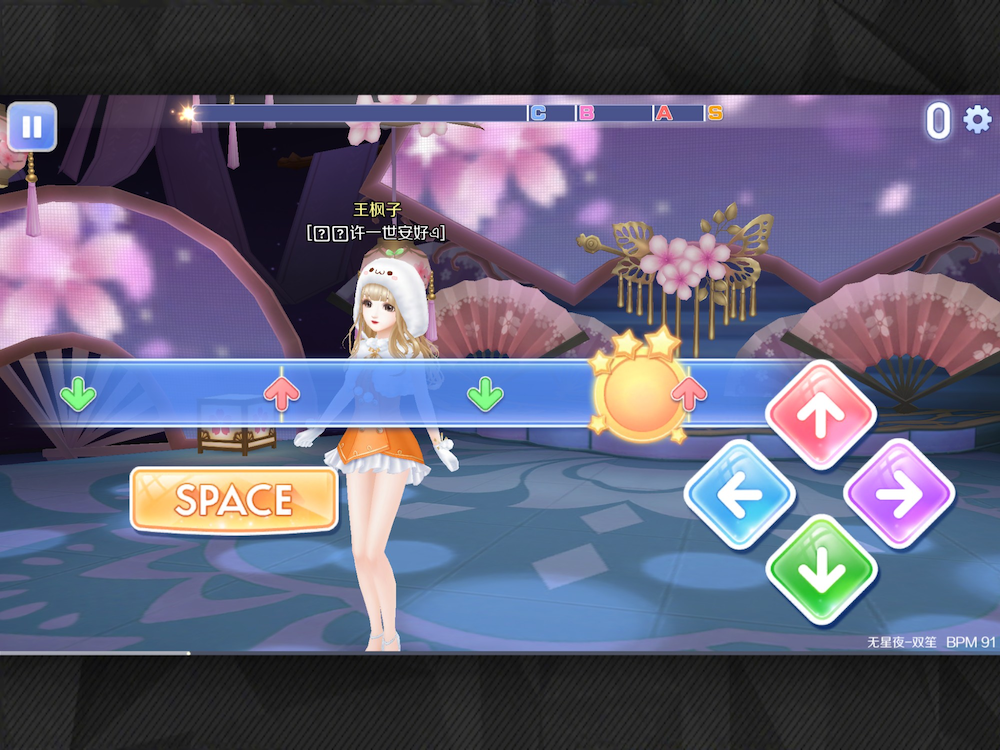
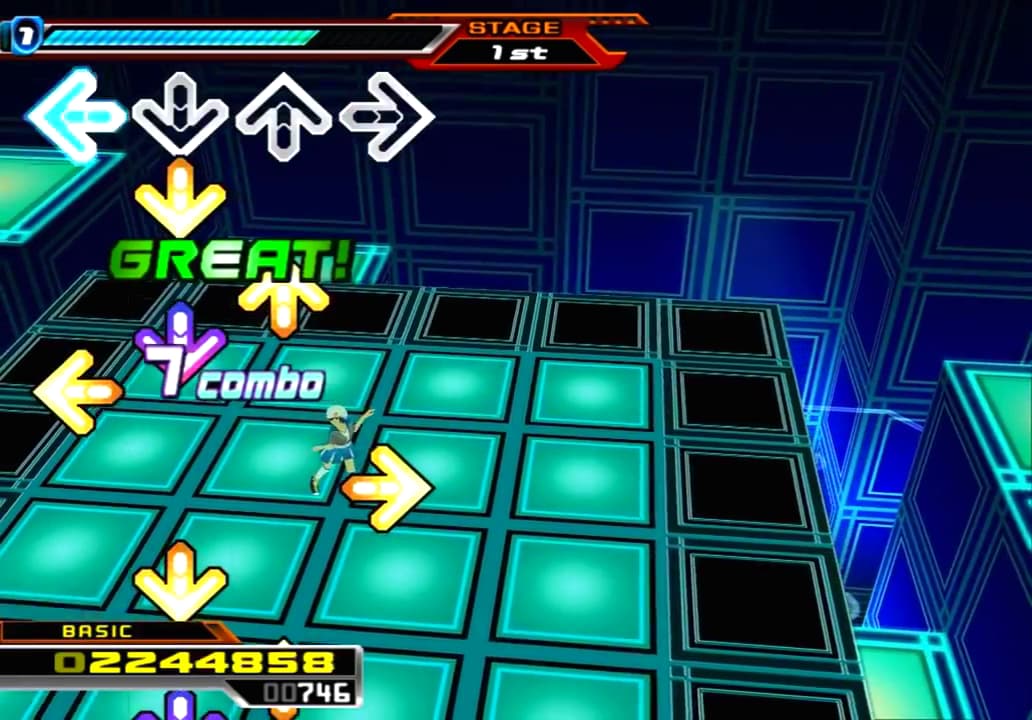
For purists, arcade-style dance pads provide a tactile, competitive edge. These peripherals turn your floor space into an input device, requiring precise footwork to match on-screen prompts. Beyond dance-specific titles, many enthusiasts also integrate a drum set simulator peripheral to expand their rhythm-based exercise repertoire, adding an upper-body challenge to their routine.
1.2 Essential Equipment and Workspace Considerations
Before you start your first session, you need to ensure your physical environment is optimized for movement.
1.2.1 Space Requirements and Safety Precautions
Clear a space at least 6×6 feet to allow for lateral movement without hitting furniture. Always prioritize a non-slip surface, such as a dedicated fitness mat, to prevent injury. If you are interested in exploring other forms of active entertainment, check out our guide on 10 best math learning games for kids to see how different genres use interactive inputs.
1.2.2 Choosing the Right Peripherals for Your Console or PC
Ensure your hardware—whether it is a console or a high-end PC—supports the specific peripherals your game requires. Wired connections are often preferred over wireless controllers to minimize potential interference during fast-paced music rhythm challenges.
1.3 Hardware Calibration and Optimizing Performance
Latency is the enemy of any rhythm game. If your audio and visual cues do not align perfectly, your score will suffer.
1.3.1 Eliminating Input Lag for Accurate Rhythm Tracking
Most modern televisions include a Game Mode that bypasses image processing. Enable this setting to reduce input lag. You should also calibrate your game’s internal sync settings, which usually involves adjusting the audio offset so that the sound of your movement perfectly matches the visual indicator on the screen.
1.3.2 Calibrating Motion Sensors for Precision
If your game uses camera-based tracking, ensure your room has consistent, indirect lighting. Avoid placing the camera directly in front of a bright window, as the glare can confuse the sensors. Performing a quick calibration check at the start of each session ensures that your movements are tracked with the precision needed for high-level play.
2. Optimizing Your Home Dance Rhythm Games Experience for Results
Getting the most out of your home gaming setup requires more than just picking a title; it involves tailoring the environment and gameplay to meet your specific wellness or performance goals. By fine-tuning your routine, you can turn casual play into a consistent and rewarding part of your lifestyle.
2.1 Matching Gameplay Styles to Your Personal Objectives
The key to longevity in any fitness journey is enjoyment. Whether you want to break a sweat or simply master complex choreography, your choice of game should reflect your current ambition.
2.1.1 High Intensity Options for Cardiovascular Training
If your primary goal is caloric expenditure, prioritize titles that emphasize continuous movement and sustained heart rate elevation. Look for games with dedicated fitness modes or high-tempo playlists that minimize downtime between tracks, effectively acting as an aerobic workout.
2.1.2 Accessible Titles for Gamers New to Dancing
Newcomers should focus on games with intuitive tutorials and lower difficulty curves. These titles often provide visual guides that slowly introduce complex patterns, ensuring you build confidence without feeling overwhelmed by speed or precision demands.
2.1.3 Competitive Skill Based Games for Rhythm Enthusiasts
For those interested in mastering music rhythm challenges, look for games that offer rigorous scoring systems and online leaderboards. These platforms reward technical accuracy, encouraging you to refine your timing and spatial awareness as you climb the ranks.
2.1.4 Social and Multiplayer Options for Group Engagement
Dancing is often more fun with friends. Choose titles that support local or remote multiplayer features. Engaging in a friendly competition or a collaborative dance routine makes the experience more social and keeps motivation high during longer sessions.
2.2 Strategies for Progress and Physical Well Being
Consistency is vital, but so is safety. Protect your body by incorporating standard athletic protocols into your gaming sessions.
2.2.1 The Importance of Warm Ups and Cool Downs
Treat your gaming session like a formal workout. Spend five minutes warming up your joints and muscles before starting, and dedicate time afterward to static stretching. This helps prevent injury and aids in long-term recovery.
2.2.2 Monitoring Heart Rate and Tracking Calorie Burn
Wearable fitness trackers are excellent companions for dance rhythm games. Monitoring your heart rate helps you gauge the intensity of your session, while calorie tracking provides tangible data on your progress toward health milestones.
2.2.3 Scaling Difficulty to Build Endurance and Skill
Avoid hitting a plateau by incrementally increasing the difficulty level. As you become more comfortable, transition to faster songs or more complex movement patterns to keep your body and brain challenged, ensuring steady improvement over time.
2.3 Frequently Asked Questions
2.3.1 Equipment Needs for Beginners
Start with basic peripherals like standard motion-tracking controllers. You do not need professional dance pads or VR gear immediately; focus on mastering the basics before investing in specialized hardware.
2.3.2 Efficacy for Weight Loss Goals
Yes, these games can contribute significantly to weight loss when combined with a balanced diet. The high-energy nature of dance rhythm games serves as an effective form of steady-state cardio.
2.3.3 Managing Space Constraints
If you have limited room, choose games that allow for stationary movement. Modern titles often feature settings to adjust sensitivity or focus on upper-body choreography, making them ideal for smaller living spaces.
2.3.4 Identifying Skill Level Appropriateness
Most games include a self-assessment feature or “easy” tracks. Start at the lowest level to evaluate your rhythm and physical comfort, then adjust based on how challenging you find the core mechanics.
2.3.5 Remote Multiplayer Capabilities
Connectivity varies by platform. Check the store page of your specific console or PC game to confirm if it supports online matchmaking or requires local hardware for multiplayer sessions.
Finding the right dance rhythm games for your living room is about more than just picking a title with your favorite soundtrack. Whether you are looking to turn your home into a high-energy dance floor or simply want a fun way to improve your coordination, these games offer a unique blend of physical activity and digital engagement. By understanding the differences between motion-tracking, virtual reality, and platform-based systems, you can build a setup that fits your specific space and fitness goals. Remember that the best results come from consistency; even short daily sessions can help you master complex music rhythm challenges and build lasting endurance.
As you begin your journey, focus on proper calibration and a safe environment to ensure you get the most out of your equipment. If you enjoy the mental engagement of these games, you might also be interested in how to master music rhythm challenges to sharpen your skills further. Regardless of your experience level, the most important thing is to move, stay consistent, and enjoy the rhythm. Grab your controller or step onto your pad, and discover how these interactive experiences can transform your daily exercise routine into something you genuinely look forward to every day.