There is something uniquely satisfying about watching a complex image slowly emerge from a pile of scattered cardboard. For many enthusiasts, animal jigsaw puzzles are the ultimate way to unwind, offering a perfect blend of artistic beauty and cognitive challenge. Whether you are piecing together the intricate patterns of a butterfly’s wings or the lush, textured fur of a mountain lion, these puzzles invite you to slow down and focus on the details of the natural world. Choosing the right set goes beyond just picking an appealing photo; it involves understanding how piece count, cut style, and material quality impact your overall assembly experience. In this guide, we will walk you through everything you need to know to select the perfect puzzle for your skill level, maintain your collection, and turn your finished work into a piece of home decor. If you enjoy the mental stimulation of patterns and logic, you might also be interested in exploring our guide on the best logic puzzle games to further sharpen your focus.
1. Selecting and Evaluating Quality Animal Jigsaw Puzzles
Choosing the right animal jigsaw puzzles requires balancing personal aesthetic preferences with technical construction standards. Because animal themes often feature intricate details—like the texture of fur, the patterns on butterfly wings, or the complex foliage of a jungle scene—the quality of the production can significantly impact your assembly experience. Evaluating these sets goes beyond just picking an image you enjoy; it involves assessing how well the pieces fit together and how clearly the artwork is reproduced.
1.1 Understanding Difficulty Levels and Piece Counts
1.1.1 Evaluating Piece Count Ranges for Skill Progression
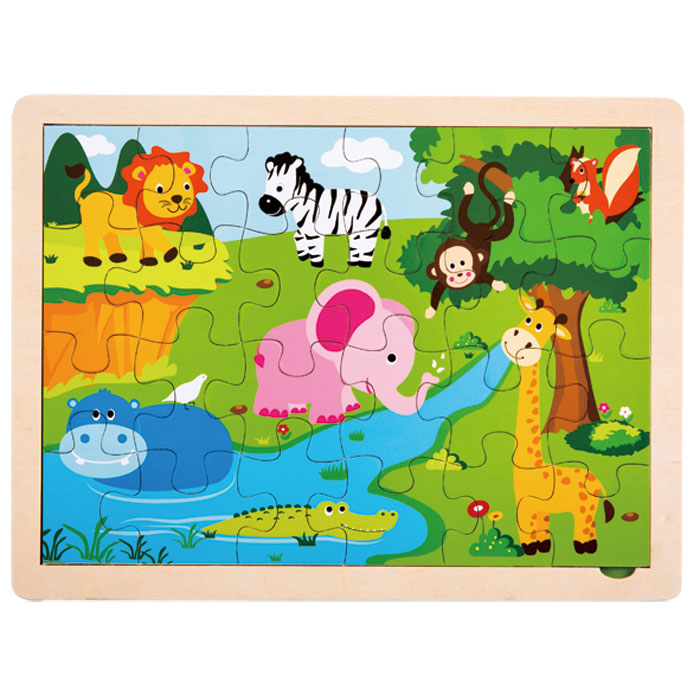
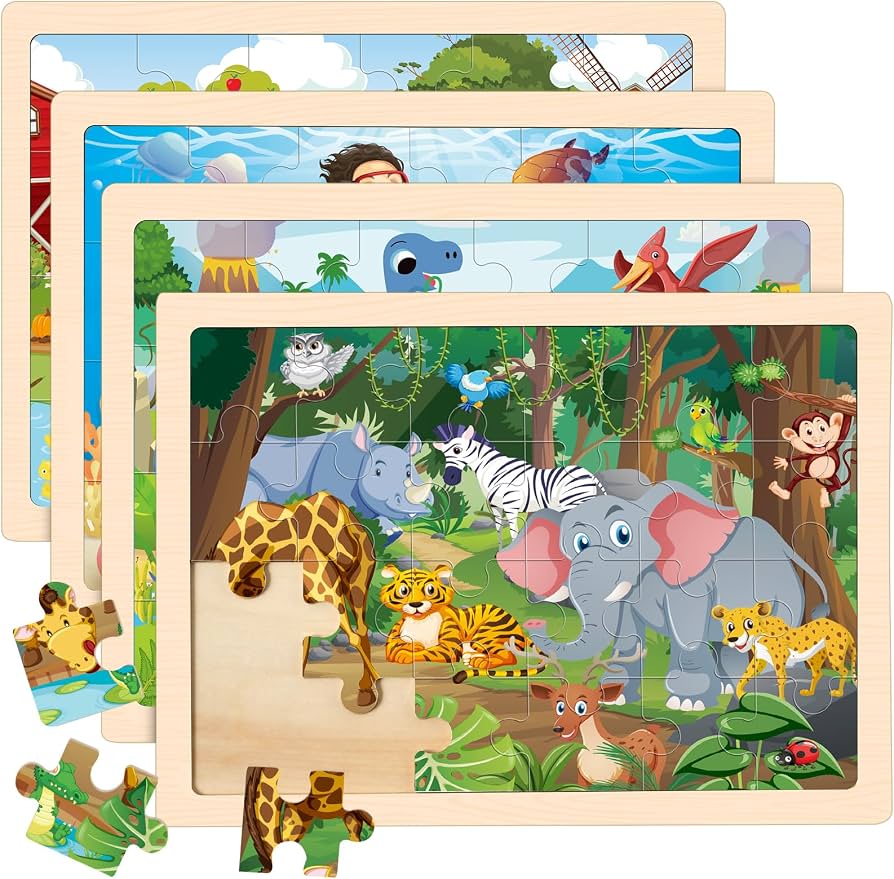
Piece count is the most common metric for gauging difficulty. For beginners or those looking for a relaxing, short-term project, sets ranging from 300 to 500 pieces are ideal. These offer a manageable challenge without becoming overwhelming. Enthusiasts seeking a more intensive experience often gravitate toward 1,000 to 2,000 pieces. When selecting kids jigsaw puzzles, it is essential to scale the count based on the child’s age and experience level to maintain engagement without causing frustration.
1.1.2 The Impact of Piece Shape and Random Cut Patterns
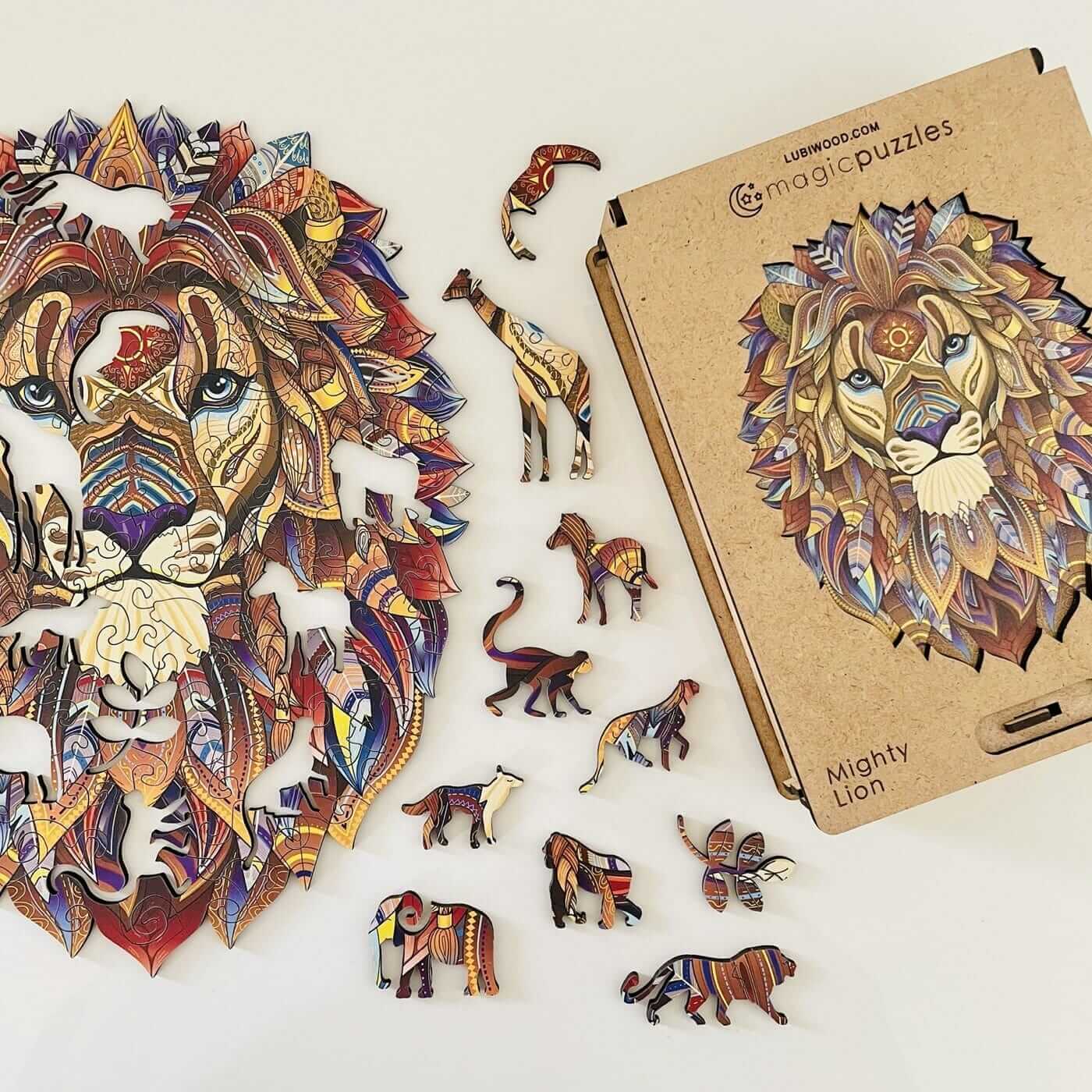
The cutting style of a puzzle dramatically changes the challenge. Traditional grid-cut puzzles feature pieces with standard two-knob and two-hole designs, which provide predictable cues for placement. In contrast, premium animal puzzles often utilize “random cut” patterns. These result in unique, irregular piece shapes that do not follow a strict grid. This variety makes it harder to rely on shape alone, forcing you to focus more on color and pattern matching, which adds a rewarding layer of complexity.
1.1.3 Matching Puzzle Difficulty to Age and Cognitive Ability
Matching a puzzle to a person’s cognitive stage is key to fostering a love for the hobby. For younger hobbyists, puzzles with larger pieces and distinct, bold animal outlines are easier to manipulate. As skill increases, you can introduce puzzles that incorporate more subtle color gradients and complex backgrounds. For those interested in expanding their repertoire, trying out 3D jigsaw puzzles can offer a tactile, spatial challenge that differs significantly from traditional flat puzzles, helping to sharpen problem-solving skills across different dimensions.
1.2 Assessing Material Quality and Manufacturing Standards
1.2.1 Comparing Cardboard Wood and Sustainable Puzzle Materials
The material of the puzzle dictates its longevity and feel. Standard high-quality cardboard is durable and affordable, though you should look for blue-backed or premium white-board construction to ensure the pieces don’t bend or peel. Wooden puzzles are a premium alternative, offering a satisfying “snap” and a weight that feels substantial in the hand. Many modern manufacturers are also prioritizing sustainability, using recycled board or eco-friendly soy-based inks, which is a great consideration for environmentally conscious hobbyists.
1.2.2 Checking for Print Clarity and Anti Glare Finishes
When working with animal subjects, detail is paramount. A high-quality puzzle should feature sharp, high-resolution printing that captures the fine details of an animal’s features. Furthermore, look for puzzles with a matte or linen-textured finish. Glossy surfaces are notorious for creating glare under overhead lighting, which can obscure details and cause eye strain during long sessions of assembly.
1.2.3 Verifying Interlocking Precision and Fit Accuracy
Nothing is more frustrating than “false fits,” where two pieces appear to lock together but do not actually belong. Superior manufacturing ensures that each piece has a distinct, precise shape that only fits with its true partner. A good test for quality is to assemble a section and gently lift it; if the pieces hold together without falling apart, the interlocking mechanism is well-engineered. This precision is especially important for dark or monochromatic areas of an animal portrait, where visual cues are limited.
2. Curating and Maintaining Your Animal Jigsaw Puzzles Collection
2.1 Exploring Popular Themes and Artistic Styles
2.1.1 Selecting Between Photographic Realism and Illustrative Art
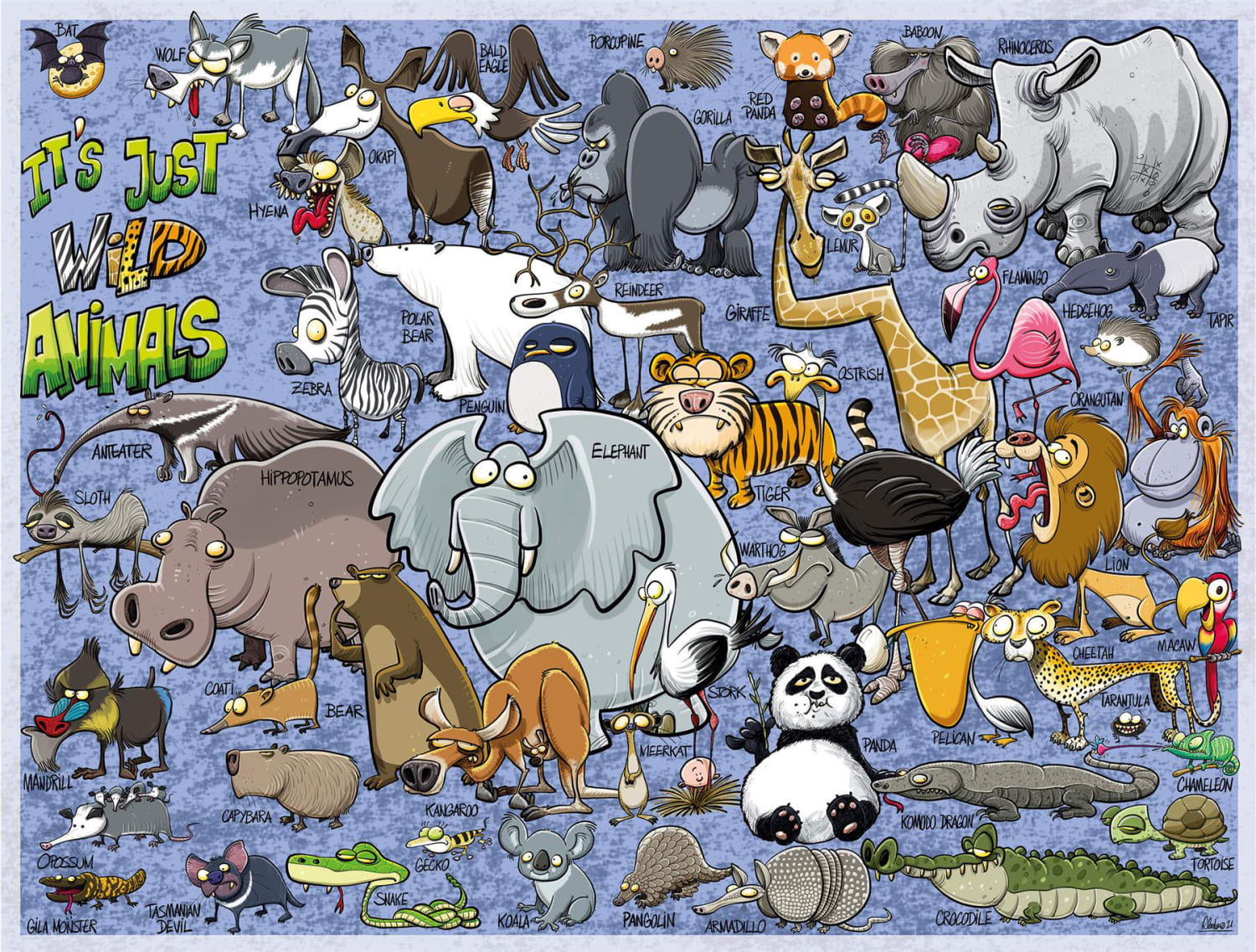
Choosing between photographic realism and illustrative art changes the entire feel of your puzzling session. Photographic puzzles offer a crisp, true-to-life look, often featuring high-definition details like the individual texture of a wolf’s fur or the vibrant scales of a tropical fish. These are excellent if you enjoy the challenge of sorting based on subtle color gradients and realistic lighting. On the other hand, illustrative art—ranging from whimsical watercolors to bold, graphic designs—often provides distinct lines and stylized patterns. These artistic choices can make the assembly process more forgiving, as color boundaries are usually sharper, making them a fantastic entry point for beginners who might find realistic wildlife photography intimidating.
2.1.2 Popular Wildlife and Domestic Animal Categories
Animal themes span a vast spectrum, but certain categories remain perennially popular. Domestic animal puzzles, particularly those featuring cats, dogs, and horses, provide a sense of comfort and familiarity. In contrast, wildlife puzzles—depicting everything from dense jungle habitats to the vast African savanna—offer a sense of exploration and adventure from your dining room table. If you find yourself wanting to relax, you might enjoy puzzles that focus on cute or “wholesome” animal imagery, which can be surprisingly effective for unwinding after a long day; you can find inspiration for these relaxing moods in our guide to 50 hilariously wholesome animal memes that help people forget problems and heavy thoughts.
2.1.3 Choosing Scenes Based on Color Palette and Complexity
The complexity of an animal jigsaw puzzle often comes down to the color palette. A scene with high contrast—such as a white swan on a dark blue lake—is generally easier to piece together than a monochromatic scene, like a tiger blending into tall, golden-brown grass. When curating your collection, consider your personal tolerance for frustration. If you prefer a meditative, low-stress experience, look for puzzles with clear, distinct color zones. If you are a seasoned hobbyist, you might opt for puzzles that feature intricate, repeating patterns or vast expanses of similar textures, which require a much more methodical approach.
2.2 Best Practices for Assembly and Long Term Preservation
2.2.1 Setting Up an Ideal Workspace and Lighting Environment
A successful build begins with a dedicated workspace. Ensure your table is large enough to fit the entire puzzle plus a few extra trays for sorting. Lighting is equally critical; steer clear of yellow-toned bulbs that can distort colors, making it difficult to distinguish between subtle shades. Ideally, use bright, neutral LED overhead lighting to minimize glare. If you are working on a 3D jigsaw puzzle, having a workspace that allows you to view the structure from multiple angles is essential, as the tactile nature of these sets requires more physical maneuvering than traditional flat puzzles.
2.2.2 Effective Sorting Strategies for Complex Animal Patterns
Sorting is the secret weapon of the avid puzzler. Start by pulling out all the edge pieces to establish your frame. Once the frame is set, sort the remaining pieces by color or texture. With animal puzzles, focusing on “feature” pieces is most effective—prioritize pieces that belong to the animal’s eyes, paws, or distinctive markings. By grouping these unique elements first, you create “islands” of completion that give you momentum. If you find yourself stuck, try sorting pieces by shape, such as separating out those with unusual prongs or long, thin bodies, which can help when you are working on intricate areas of fur or feathers.
2.2.3 Professional Methods for Gluing Framing and Displaying Finished Pieces
Once you have finished your masterpiece, you may want to preserve it. If you choose to glue your puzzle, apply a thin, even coat of archival-quality puzzle glue to the top surface, ensuring it reaches the cracks. Once dry, you can mount it onto a foam board using double-sided adhesive sheets. For a more professional look, use a custom-sized frame with a glass or acrylic front. This not only protects the image from dust and humidity but also turns your hard work into a piece of home decor. If you think you might want to rebuild the puzzle later, consider using specialized puzzle mats instead of glue, which allow you to roll up and store your project securely between sessions.
2.3 Essential Shopping and Troubleshooting Tips
2.3.1 Verifying Manufacturer Policies on Missing Piece Guarantees
There is nothing more disheartening than reaching the final piece only to find it missing. Before purchasing, check the manufacturer’s website to see if they offer a “missing piece replacement” service. Reputable brands often allow you to request specific pieces or even replace the entire puzzle if a defect is found. Keeping your receipt and the box until the puzzle is fully completed is a good habit, as some companies require a batch number or proof of purchase to honor these guarantees.
2.3.2 Planning for Spatial Requirements and Storage Needs
Before you buy, measure the dimensions of the finished puzzle to ensure it fits your available table space. If you lack the luxury of a permanent puzzle table, look into portable puzzle boards or roll-up mats. These tools are lifesavers, especially for larger piece counts or more complex 3D jigsaw puzzles that cannot be easily moved or stacked. For those with limited closet space, store your boxes vertically like books to maximize your storage footprint without risking damage to the contents.
2.3.3 Navigating Common Challenges Like Pet Interference
If you have cats or dogs, keeping a puzzle safe is a unique challenge. Pets are notoriously curious about loose puzzle pieces, often viewing them as toys. To mitigate this, consider using a cover—such as a piece of cardboard or a dedicated puzzle mat—whenever you step away from the table. If your pets are particularly persistent, you might need to find a way to secure your workspace in a room with a closing door. Prevention is always easier than the frantic search for a piece that your pet has decided to “redecorate” with somewhere under the sofa.
Choosing the perfect animal jigsaw puzzles is about more than just finding a pretty picture; it is about matching your personal skill level and patience to the right artistic style and cut quality. Whether you are looking for the tactile engagement of 3D jigsaw puzzles, the straightforward joy of kids jigsaw puzzles, or the intricate details found in professional-grade wildlife photography, there is a set out there to challenge and delight you. By focusing on material durability, proper lighting, and systematic sorting strategies, you can turn a simple hobby into a meditative practice that rewards you with a tangible piece of art.
Ultimately, the best puzzle experience comes from balancing the challenge with the reward of seeing a scene come to life piece by piece. If you find yourself needing a break from the focused, quiet intensity of table-top puzzling, consider exploring our list of the best logic puzzle games to keep your mind sharp in different ways. No matter which set you choose, remember that the goal is enjoyment and relaxation. Take your time, appreciate the process, and enjoy the satisfaction of placing that final piece perfectly into place.