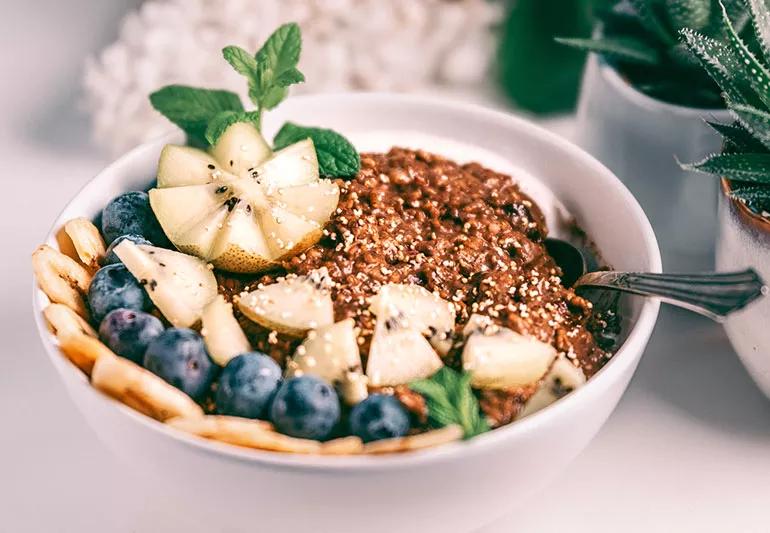

Breakfast grains have come a long way from the lonely bowl of cereal that gets soggy before you find a spoon. Today, the healthiest grains for breakfast can be warm, chewy, creamy, crunchy, sweet, savory, meal-prepped, gluten-free, protein-packed, or dressed up like they have a reservation at a fancy brunch spot.
The best part? Whole grains are not just “healthy” because someone on the internet said so while holding a wooden spoon. They bring real nutritional value to the table: fiber, B vitamins, minerals, plant compounds, slow-digesting carbohydrates, and enough versatility to keep breakfast from becoming a daily rerun.
Whether you love oatmeal, want to try quinoa before noon, or are curious about ancient grains like teff and amaranth, this guide breaks down the healthiest grains to try for breakfast, how they support your body, and how to make them taste good without turning your morning into a cooking competition show.
Why Whole Grains Deserve a Spot at Breakfast
Whole grains contain all three parts of the grain kernel: the bran, germ, and endosperm. That matters because the bran and germ hold much of the fiber, vitamins, minerals, antioxidants, and healthy fats. Refined grains, on the other hand, are milled in a way that removes some of those valuable parts. Translation: whole grains show up to breakfast with their full team; refined grains leave half the roster at home.
A grain-based breakfast can be especially helpful when it includes fiber and protein. Fiber slows digestion, supports gut health, and helps keep you full longer. Protein adds staying power. Together, they can help you avoid the classic 10:30 a.m. snack emergency where a vending machine suddenly starts looking like a trusted friend.
The healthiest breakfast grains are usually minimally processed, naturally rich in fiber, and easy to pair with nutrient-dense toppings such as berries, nuts, seeds, Greek yogurt, eggs, avocado, beans, or vegetables. The goal is not to eat plain grains like a medieval villager with Wi-Fi. The goal is to build a balanced breakfast that actually tastes good.
What Makes a Breakfast Grain “Healthy”?
Before we crown the winners, it helps to know what to look for. A healthy breakfast grain usually checks several boxes: it is whole or minimally processed, contains fiber, offers vitamins and minerals, has little or no added sugar, and works well with other nutritious foods.
Choose Whole Over Refined
Look for words like “whole oats,” “whole grain barley,” “brown rice,” “buckwheat,” “quinoa,” “whole rye,” or “whole wheat” on ingredient lists. Be careful with vague labels like “multigrain,” “made with grains,” or “wheat.” Those phrases may sound wholesome, but they do not always mean the product is truly whole grain.
Watch the Added Sugar
A grain can be nutritious, but a cereal coated in sugar is still a dessert wearing breakfast pajamas. For packaged cereals, granolas, and instant oatmeal packets, check the nutrition label. A good rule of thumb is to choose options with more fiber and less added sugar.
Think About Texture and Satisfaction
Steel-cut oats, barley, farro, and brown rice have a chewy texture that can make breakfast more satisfying. Softer grains like amaranth and teff create creamy porridges. Quinoa and buckwheat work beautifully in bowls. The best grain is the one you will actually eat more than once.
1. Oats: The Classic Breakfast Champion
Oats are the reliable friend of breakfast grains. They are affordable, easy to cook, widely available, and flexible enough to go sweet or savory. Rolled oats, steel-cut oats, and oat groats are all whole-grain options, while many instant oatmeal packets are more processed and may contain added sugar.
Oats are especially known for beta-glucan, a type of soluble fiber that helps make oatmeal creamy and supports heart-friendly eating patterns. They also provide minerals such as manganese, phosphorus, magnesium, and iron. For a filling breakfast, pair oats with protein and healthy fat: peanut butter, chia seeds, walnuts, milk, Greek yogurt, or a scoop of cottage cheese on the side.
Easy Breakfast Idea
Make overnight oats with rolled oats, milk, Greek yogurt, cinnamon, berries, and a spoonful of chia seeds. In the morning, stir and eat. No stove, no drama, no excuse.
2. Quinoa: The Protein-Friendly Grain Bowl Star
Quinoa is technically a seed, but it behaves like a grain in the kitchen, so breakfast welcomes it with open arms. It has a mild, nutty flavor and a fluffy texture when cooked. Quinoa is also naturally gluten-free and contains all nine essential amino acids, making it a strong choice for people who want more plant-based protein at breakfast.
One cup of cooked quinoa can be turned into a warm porridge, a savory egg bowl, or a fruit-and-nut breakfast bowl. It also meal-preps well, which is helpful if your morning personality is less “sunrise wellness guru” and more “where are my keys?”
Easy Breakfast Idea
Cook quinoa in milk or a milk alternative, then add banana slices, cinnamon, almond butter, and pumpkin seeds. For a savory version, top quinoa with a fried egg, spinach, avocado, and salsa.
3. Barley: The Chewy Fiber Hero
Barley may not be the first grain that comes to mind at breakfast, but it deserves more attention. Hulled barley is the least processed form and keeps more of the whole grain intact. Pearled barley cooks faster, but it has had some of the bran removed, so it is not always considered a true whole grain.
Barley is rich in fiber and has a pleasantly chewy texture. It works especially well in savory breakfast bowls, but it can also be cooked like porridge. Because it contains gluten, it is not suitable for people with celiac disease or gluten sensitivity.
Easy Breakfast Idea
Make a barley breakfast bowl with cooked hulled barley, sautéed mushrooms, greens, a soft-boiled egg, and a sprinkle of black pepper. It feels like breakfast went to culinary school.
4. Buckwheat: Gluten-Free, Nutty, and Underrated
Buckwheat is another pseudo-grain, meaning it is not a true cereal grain but is used like one. Despite the name, buckwheat is naturally gluten-free. It has an earthy, nutty flavor that works well in porridge, pancakes, granola, and breakfast bowls.
Buckwheat groats can be toasted for a deeper flavor or simmered until tender. Buckwheat flour is also a smart option for pancakes and waffles, especially when blended with other whole-grain flours. Its hearty flavor pairs beautifully with berries, apples, cinnamon, yogurt, and nuts.
Easy Breakfast Idea
Simmer buckwheat groats with milk, cinnamon, and diced apples. Top with walnuts and a small drizzle of maple syrup for a cozy breakfast that tastes like fall, even if your calendar says Tuesday.
5. Brown Rice: Not Just for Dinner
Brown rice is a whole grain that keeps its bran and germ, giving it more fiber and nutrients than white rice. It has a mild flavor, which makes it a blank canvas for breakfast. Leftover brown rice can become a quick morning meal in minutes.
Brown rice works well in both sweet and savory breakfasts. The key is to pair it with protein and produce so the meal feels complete. Think brown rice with eggs and vegetables, or brown rice porridge with milk, fruit, and nuts.
Easy Breakfast Idea
Warm cooked brown rice with milk, cinnamon, raisins, and chopped pecans. It becomes a rice pudding-style breakfast without needing to invite a dessert menu into the room.
6. Millet: Mild, Sunny, and Easy to Love
Millet is a small, naturally gluten-free grain with a mild flavor and soft texture. It can be cooked fluffy like rice or simmered longer for a creamy porridge. Because it is gentle in flavor, millet is a great starting point for anyone who wants to try new grains without shocking their taste buds.
Millet provides complex carbohydrates, some protein, and minerals such as magnesium and phosphorus. It pairs well with fruit, nuts, seeds, coconut, cinnamon, and yogurt. Toasting millet before cooking brings out a nuttier flavor.
Easy Breakfast Idea
Cook millet with milk until creamy, then top with blueberries, sunflower seeds, and a spoonful of almond butter. It is simple, filling, and much more exciting than staring sadly at dry toast.
7. Farro: The Ancient Grain With Serious Chew
Farro is an ancient wheat grain with a nutty taste and chewy texture. It is not gluten-free, but for those who can eat wheat, it can be a satisfying breakfast grain. Farro is often used in lunch bowls and salads, but it also works beautifully in breakfast bowls.
Because farro is hearty, it is a good choice for people who want a breakfast that feels substantial. It can be cooked ahead and stored in the refrigerator, then reheated with sweet or savory toppings.
Easy Breakfast Idea
Try farro with roasted sweet potato, scrambled eggs, spinach, and a spoonful of pesto. Or go sweet with farro, pears, cinnamon, and toasted almonds.
8. Teff: Tiny Grain, Big Breakfast Energy
Teff is a tiny ancient grain often associated with Ethiopian cuisine. Do not let its size fool you. Teff cooks into a creamy porridge and offers fiber, plant-based protein, iron, and other minerals. Its flavor is slightly earthy and naturally comforting.
Because teff grains are so small, they cook down into a texture similar to cream of wheat. That makes teff a smart option for anyone who likes smooth, spoonable breakfasts but wants more variety than the usual oatmeal routine.
Easy Breakfast Idea
Cook teff with water or milk, then stir in cocoa powder, banana, and peanut butter. Congratulations: breakfast now tastes like it has a secret dessert degree.
9. Amaranth: Creamy, Nutritious, and Surprisingly Versatile
Amaranth is another ancient pseudo-grain that is naturally gluten-free. It cooks into a creamy porridge with a slightly nutty, earthy taste. Amaranth contains fiber, protein, magnesium, iron, and other nutrients, making it a strong choice for a nourishing breakfast bowl.
The texture can be a little sticky when cooked, so it is best for people who enjoy creamy breakfasts. You can also pop amaranth in a dry pan and sprinkle it over yogurt, smoothie bowls, or fruit for a light crunch.
Easy Breakfast Idea
Simmer amaranth with milk, vanilla, cinnamon, and chopped dates. Add pistachios or almonds on top for texture.
10. Whole-Grain Rye: Bold Flavor for Savory Breakfast Fans
Rye has a deep, slightly tangy flavor and is often found in breads and crackers. Whole rye can be a nutritious breakfast choice when it appears as the first ingredient in bread, crispbread, or hot cereal. Rye contains gluten, so it is not appropriate for gluten-free diets.
Whole-grain rye toast can be an excellent base for a balanced breakfast. The trick is to choose dense, whole-grain options rather than soft breads that are mostly refined flour with a little color added for marketing theater.
Easy Breakfast Idea
Top whole-grain rye toast with avocado, tomato, a poached egg, and cracked pepper. It is quick, savory, and far more satisfying than a pastry that disappears emotionally and physically in six bites.
How To Build a Better Grain-Based Breakfast
A bowl of plain grains is nutritious, but it may not keep you full for long by itself. A better approach is to use grains as the foundation and build around them.
Add Protein
Protein helps make breakfast more satisfying. Add Greek yogurt, eggs, cottage cheese, tofu, milk, soy milk, nuts, seeds, or beans depending on whether your bowl is sweet or savory.
Add Color
Fruit and vegetables bring vitamins, minerals, antioxidants, and flavor. Berries, bananas, apples, pears, spinach, mushrooms, tomatoes, peppers, and roasted sweet potatoes all work well with grains.
Add Healthy Fat
Nuts, seeds, avocado, olive oil, and nut butters add flavor and staying power. They also make a bowl feel less like “health homework” and more like a meal you actually chose on purpose.
Use Flavor Smartly
Cinnamon, vanilla, citrus zest, herbs, spices, salsa, garlic, ginger, and cocoa powder can add big flavor without relying on lots of added sugar or salt. Healthy breakfast does not have to taste like cardboard with ambition.
Common Mistakes To Avoid
The first mistake is assuming every grain product is automatically healthy. A cereal can advertise whole grains and still be high in added sugar. A granola can look rugged and outdoorsy while quietly packing dessert-level calories. Read labels when buying packaged foods.
The second mistake is eating too little. A tiny bowl of plain oatmeal may be low in calories, but it might also leave you hungry an hour later. Add protein, fruit, and healthy fat to make it a complete breakfast.
The third mistake is never changing the routine. Oats are wonderful, but they are not the only grain invited to breakfast. Trying quinoa, buckwheat, millet, teff, or barley can keep breakfast interesting and expand your nutrient variety.
500-Word Experience Section: What It’s Really Like To Eat Healthier Grains for Breakfast
Switching to healthier grains for breakfast sounds simple until the first morning arrives and you are standing in the kitchen, half-awake, trying to remember if quinoa is supposed to be rinsed or negotiated with. The good news is that the habit becomes much easier once you stop treating grains like a complicated project and start treating them like meal-prep building blocks.
One of the most useful experiences is learning which grains match your real morning schedule. Steel-cut oats are delicious, but they are not always the best choice when you have seven minutes and one clean spoon. Rolled oats or overnight oats are better for rushed mornings. Quinoa, brown rice, barley, and farro are excellent when cooked ahead on Sunday and stored in the refrigerator. Teff and amaranth are great when you want a creamy bowl that feels cozy and slow, even if you are eating it while checking your email.
Another lesson is that toppings can make or break the experience. Plain grains can be bland, and bland food is where good intentions go to take a nap. The moment you add cinnamon, berries, toasted nuts, yogurt, peanut butter, avocado, eggs, salsa, or roasted vegetables, the meal changes completely. Oatmeal with banana and walnuts feels comforting. Quinoa with eggs and spinach feels energizing. Buckwheat with apples and cinnamon feels like breakfast wearing a sweater.
Texture matters too. Some people love creamy grains, while others need chew. If you dislike mushy oatmeal, try farro, barley, or toasted buckwheat. If chewy grains feel too heavy in the morning, try millet, teff, or amaranth porridge. There is no gold medal for forcing yourself to eat a breakfast you secretly resent.
Healthier grains can also help reduce the “breakfast crash” that happens after sugary cereal, pastries, or sweet coffee drinks. A balanced grain bowl with fiber, protein, and fat tends to digest more steadily. That does not mean you will suddenly become a perfect productivity machine who alphabetizes the pantry before 8 a.m. But you may notice that your energy feels more even and your hunger is less dramatic.
The most practical strategy is to cook once and remix often. A batch of quinoa can become a sweet bowl on Monday, a savory egg bowl on Tuesday, and a yogurt parfait layer on Wednesday. Brown rice can turn into breakfast porridge or a vegetable bowl. Oats can become overnight oats, baked oatmeal, or homemade granola. This keeps breakfast from feeling repetitive while still saving time.
In real life, the healthiest breakfast grain is not always the trendiest one. It is the one you enjoy, can afford, can prepare consistently, and can pair with foods that make you feel satisfied. Start with one new grain, learn how you like it, and build from there. Breakfast does not need a personality makeover overnight. Sometimes it just needs better oats, a little cinnamon, and fewer cereal boxes with cartoon mascots yelling at you.
Conclusion
The healthiest grains to try for breakfast include oats, quinoa, barley, buckwheat, brown rice, millet, farro, teff, amaranth, and whole-grain rye. Each one brings something different to the bowl: creamy comfort, chewy texture, plant-based protein, fiber, minerals, or gluten-free flexibility.
For the best results, choose whole or minimally processed grains, watch added sugar in packaged products, and balance your breakfast with protein, healthy fats, and colorful fruits or vegetables. A smart grain breakfast can be simple, affordable, and surprisingly fun. Yes, fun. Breakfast grains have range.
Start with the grain that sounds easiest, not the one that sounds most impressive. Try overnight oats, a quinoa egg bowl, buckwheat porridge, or brown rice with cinnamon and nuts. Once you find your favorites, breakfast becomes less of a rushed routine and more of a reliable way to begin the day with energy, flavor, and fiber that actually pulls its weight.