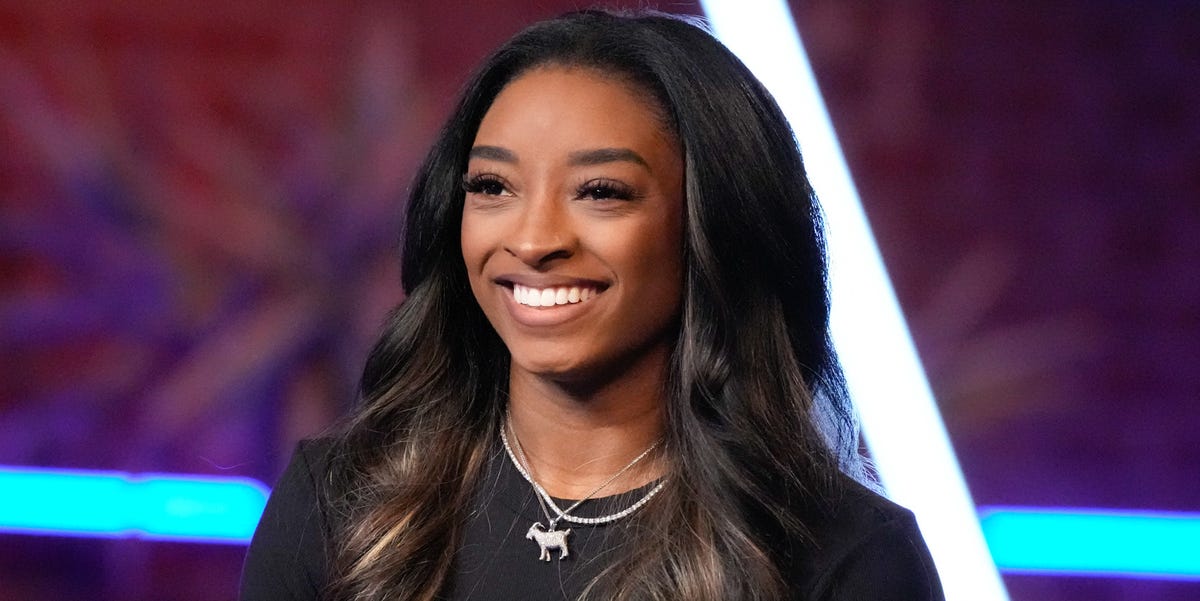

When NBC’s The Voice revealed unexpected news involving Simone Biles, fans did a collective double take. WaitSimone Biles? The gymnastics legend? The woman who can casually defy gravity while the rest of us reconsider standing up too fast? Yes, that Simone Biles. The surprise was that Biles joined Season 26 of The Voice as Team Snoop Dogg’s Playoff Advisor, helping the rapper and first-time coach mentor contestants as they fought for a spot in the live shows.
At first glance, the announcement sounded like someone had shuffled two different NBC cue cards together: Olympic gymnastics meets primetime singing competition. But once the news settled, the move made more sense than many fans initially expected. Biles may not be a vocal coach, but she is one of the greatest performers under pressure in modern sports. And in the Playoffs, pressure is basically the fifth coach.
The surprise casting sparked discussion because The Voice viewers are used to seeing singers, producers, songwriters, and genre legends advise contestants. Biles brought something different: confidence, discipline, mental toughness, stage presence, and the ability to deliver when the lights are bright enough to melt lip gloss. For artists trying to tell a story in 90 seconds, that kind of advice can be just as valuable as hitting a high note.
What Was the Unexpected Simone Biles News on The Voice?
The unexpected news was that Simone Biles joined Snoop Dogg as a Playoff Advisor for Team Snoop during Season 26 of NBC’s The Voice. Her episode aired as the competition entered one of its most intense phases: the Playoffs, where each coach had to narrow down their team and choose which singers would move forward to the live shows.
Season 26 already had a fresh feel. The coaching panel included Reba McEntire, Gwen Stefani, Michael Bublé, and Snoop Dogg. With Snoop and Bublé making their debut as full-time coaches, the season had a built-in “what is going to happen next?” energy. Then came Biles, and suddenly the Playoffs had Olympic-level stakes without anyone needing a balance beam.
The show’s advisor lineup also included major music names such as Lainey Wilson, Carly Pearce, and Machine Gun Kelly. That made Biles stand out even more. She was not there to adjust vibrato or talk about breath support. She was there to help contestants understand performance from the inside out: how to stay calm, how to own the stage, how to recover from nerves, and how to remain authentic while everyone is watching.
Why Simone Biles Joining Team Snoop Surprised Fans
Fans were surprised because Biles is not a recording artist. She is an Olympic gymnast, a global sports icon, and one of the most decorated gymnasts in history. Viewers who expected every advisor to come from the music industry wondered how a gymnast could help singers compete on a show called The Voice. The title, after all, is not The Floor Routine.
Some online reactions were skeptical. The most common question was simple: What could Simone Biles teach singers? But that question may have missed the larger point. By the Playoffs, contestants can already sing. They have survived Blind Auditions, Battles, Knockouts, coaching critiques, camera angles, song changes, and the emotional roller coaster of national television. What they often need is the ability to perform with confidence when one moment can change their future.
That is where Biles’ experience fits. Gymnastics and singing may look different, but both demand precision, timing, storytelling, body control, emotional discipline, and the courage to perform in front of judges. A singer may not be flipping through the air, but when the note arrives and America is watching, it can feel pretty close.
Why Snoop Dogg Picked Simone Biles
Snoop Dogg’s choice of Simone Biles was not random. The two built a friendly connection during the 2024 Paris Olympics, where Snoop became one of NBC’s most talked-about Olympic personalities. His enthusiasm, humor, and easy chemistry with athletes made him feel less like a correspondent and more like America’s favorite sideline cousin.
Bringing Biles onto The Voice allowed Snoop to extend that Olympic energy into a music competition. It also reinforced his coaching style. Throughout Season 26, Snoop often emphasized confidence, emotional honesty, and presence. He did not approach coaching only as a technical exercise. He treated it like a full performance package: voice, heart, timing, story, and swagger.
Simone Biles matched that philosophy. She knows what it means to be excellent when expectations are sky-high. She has competed through pressure that most people would politely decline with a “no thanks, I’ll be in the audience.” Her presence gave Team Snoop a mentor who could speak directly to fear, focus, preparation, and the mental side of performance.
What Simone Biles Actually Brought to the Contestants
Biles’ role was not to teach a contestant how to riff. It was to help them understand how to perform with purpose. That matters on The Voice because the best singers do more than sound good. They create a moment. They make viewers feel like the song belongs to them, not like they borrowed it from karaoke night and promised to bring it back by Tuesday.
Confidence Under Pressure
One of Biles’ biggest strengths is her ability to understand pressure without pretending it does not exist. She has openly discussed the mental demands of elite competition, including the challenges athletes face when their bodies and minds are under extreme stress. That made her a useful advisor for singers dealing with nerves before a high-stakes performance.
For Team Snoop, confidence was not about acting fearless. It was about knowing how to step into a performance even when nerves are present. A contestant who can acknowledge anxiety and still connect with the song is often more compelling than one who tries to look perfect. Biles’ message aligned with that truth: performance is not about being a machine; it is about being prepared enough to stay human.
Stage Presence and Body Language
Stage presence is one area where Biles’ background translates beautifully. Gymnastics is physical storytelling. Every movement matters. A pause can create drama. A landing can seal the entire routine. On The Voice, singers also communicate through posture, facial expression, hand movement, eye contact, and the way they occupy the stage.
A contestant may have a stunning voice, but if they look disconnected from the lyrics, the performance can fall flat. Biles understands that the body tells a story before the audience processes the technique. That insight is useful for singers who need to turn a good vocal into a memorable television moment.
Authenticity in a High-Stakes Room
Another key theme Biles brought was authenticity. The Voice contestants are constantly balancing coaching advice, song choices, public expectations, and personal identity. In the Playoffs, that balance becomes even harder because the field narrows quickly. One performance can decide whether a singer continues or goes home.
Biles’ own career has been shaped not only by medals but by honesty. Her willingness to talk about pressure, mental health, recovery, and self-trust has made her more than a champion. It has made her a modern symbol of resilient excellence. For contestants, that kind of example can be powerful. The goal is not to imitate someone else’s version of greatness. The goal is to locate your own.
Why the Backlash Was Predictablebut Not the Whole Story
The fan reaction was divided because television audiences love tradition until a show does something new. Then everyone becomes a programming executive from their couch. Some viewers felt the advisor role should go only to musicians. That is a fair instinct because The Voice is a singing competition. But the Playoffs are not voice lessons in a private studio. They are televised performances designed to move viewers.
By that point in the season, contestants have already received vocal coaching from professionals. What separates one strong singer from another can be song interpretation, emotional connection, camera awareness, confidence, and timing. Those are performance skills, and Biles is an expert performer in one of the most pressure-packed fields in sports.
The skepticism also revealed how narrowly people sometimes define expertise. A person does not need to be from the same industry to offer valuable insight. A director can help a singer act through a lyric. A dancer can help with movement. An athlete can help with nerves and focus. Biles’ presence challenged the idea that musical growth only comes from music-industry voices.
How Simone Biles Fits the Modern Identity of The Voice
The Voice has always been about more than singing. The format begins with Blind Auditions, where coaches choose artists based only on sound. But as the season moves forward, the competition becomes more layered. Contestants must develop identity, stage command, emotional range, and audience connection.
That is why celebrity mentors can come from different corners of entertainment. The show is not simply looking for people who can sing in tune. It is looking for artists who can survive the spotlight. In that sense, Simone Biles was not an odd choice. She was a bold one.
Her appearance also fit NBC’s broader 2024 moment. Biles dominated headlines at the Paris Olympics, while Snoop Dogg became a breakout personality of the network’s Olympic coverage. Pairing them again on The Voice created a smart crossover between sports, music, and pop culture. It gave fans a reason to talk, and in television, conversation is currency.
The Team Snoop Context: High Stakes and Hard Choices
Team Snoop’s Playoff round was not just a celebrity cameo. It came at a crucial stage. Snoop had to listen to his remaining artists and decide who would advance to the live shows. These decisions are always difficult, but Season 26 made them especially emotional because Snoop built a warm, protective relationship with his singers.
In the Playoffs, contestants such as Jeremy Beloate and Christina Eagle stood out and earned spots moving forward. Other talented artists had to leave, proving once again that The Voice can be charming, inspiring, and emotionally rude all in the same episode. Biles’ role was to help contestants bring their best before those decisions were made.
This is where the Olympic comparison becomes useful. In gymnastics, years of preparation can come down to a routine lasting less than two minutes. On The Voice, a contestant may spend years dreaming of a break, only to have everything depend on one televised song. Biles understands that kind of condensed pressure.
What Fans May Have Missed About Simone Biles’ Advice
The most important thing fans may have missed is that Biles was not replacing musical expertise. She was adding another layer to it. Snoop Dogg already brought decades of performance experience. The show already had vocal coaches, producers, band leaders, and other musical professionals working behind the scenes. Biles was not asked to become a singing teacher overnight. She was asked to speak to the part of performance that happens between talent and execution.
That gap matters. Many talented people struggle when the moment gets big. They overthink. They tighten up. They disconnect from the song. They try to impress instead of express. Biles has spent her career learning how to manage that space. Her advice was not about notes; it was about nerves.
For young artists, that may be exactly what they need. A technically strong singer who learns how to breathe, focus, and believe the story can suddenly become unforgettable. Sometimes the difference between a good performance and a breakthrough is not another vocal run. It is permission to stand still, mean the lyric, and let the audience come closer.
Why This Casting Choice Was Smart Television
From an entertainment perspective, Simone Biles joining The Voice was smart television. It created curiosity before the episode aired. It gave fans something to debate. It brought Olympic viewers into a singing competition. It also gave Snoop Dogg a mentor partner who matched his unexpected-but-effective coaching persona.
Snoop’s Season 26 presence was already a fascinating twist. Some viewers may have initially wondered how the rap icon would fit into the red chair format, but he quickly became one of the season’s emotional centers. He was funny, sincere, encouraging, and surprisingly tender with contestants. Adding Biles amplified that energy. Together, they made Team Snoop feel less like a standard coaching group and more like a confidence laboratory with better lighting.
It also helped the show avoid predictability. After many seasons, even successful formats need fresh angles. Bringing in Biles gave The Voice a way to talk about performance beyond genre. It reminded viewers that artistry is not only about technique. It is also about courage, composure, and presence.
Simone Biles’ Broader Pop Culture Moment
Biles’ appearance on The Voice came after a massive year in her public career. At the 2024 Paris Olympics, she added to her historic medal count and reaffirmed her status as one of the greatest gymnasts ever. She also remained a major cultural figure outside competition, with documentaries, interviews, red-carpet appearances, and public conversations about resilience keeping her in the spotlight.
That broader context made her The Voice appearance feel timely. She was not just an athlete dropping by a TV set. She was someone whose story had become deeply connected to themes that matter to performers: comeback, identity, confidence, self-protection, and excellence after doubt.
Those themes are not limited to sports. A singer on The Voice may be trying to recover from rejection, prove themselves to family, restart a dream, or finally step into the kind of artist they were afraid to become. Biles’ story speaks to that emotional territory. Her presence gave the contestants a living example of how greatness can include vulnerability.
500-Word Experience Section: What This Simone Biles Moment Teaches Viewers and Performers
Watching the Simone Biles news unfold around The Voice offers a surprisingly useful lesson for anyone who has ever had to perform, present, audition, compete, or simply walk into a room and pretend not to be nervous. Most people will never sing on national television or compete at the Olympics. Many of us, however, know the feeling of being evaluated. A job interview, a school presentation, a wedding toast, a sales pitch, a community performance, or even the first time posting creative work online can trigger the same tiny alarm bell: What if I mess this up?
That is why Biles’ involvement felt more meaningful than a standard celebrity cameo. Her expertise is not limited to flips and medals. It lives in the emotional discipline of preparation. She knows how much unseen work happens before a visible moment. She knows that the audience only sees the routine, not the doubt, repetition, recovery, or mental reset behind it. The Voice contestants live in a similar pattern. Viewers see the polished performance. They do not see every rehearsal, every lyric change, every anxious breath, or every moment when the artist wonders whether they belong.
For everyday performers, the biggest takeaway is that confidence is built, not magically delivered by a glittery fairy holding a microphone. Confidence comes from preparation, honest feedback, repetition, and learning how to recover when something feels imperfect. Biles has shown that even elite performers are not immune to pressure. What makes them elite is not that they never feel fear. It is that they learn when to push, when to pause, and how to return with clarity.
Another useful lesson is that stage presence is not the same as being loud. Some performers command attention through power. Others do it through stillness, sincerity, or emotional focus. A singer does not need to run laps around the stage to be captivating. Sometimes the strongest choice is to stand in the lyric and trust the audience to feel it. Biles understands controlled movement better than almost anyone. In gymnastics, extra motion can cost points. In music, extra drama can weaken a song. Precision matters.
The Simone Biles and Snoop Dogg pairing also shows the value of cross-disciplinary advice. A singer can learn from an athlete. An athlete can learn from a musician. A writer can learn from a dancer. A business leader can learn from a coach. Expertise becomes more interesting when it travels. The best advice often comes from someone who understands your pressure, even if they do not work in your exact field.
For fans, the experience was a reminder to wait before judging an unexpected casting choice. At first, Biles on The Voice sounded unusual. But unusual does not mean useless. In fact, the surprise was the point. It pushed the conversation beyond vocals and into the full-body reality of performance. Great artists do not just sing. They prepare, interpret, recover, connect, and carry pressure. Simone Biles knows that world very well.
Conclusion: The Surprise Made More Sense Than Fans Expected
Simone Biles joining The Voice as Team Snoop’s Playoff Advisor may have sounded unexpected, but it turned out to be a clever and meaningful choice. She brought the kind of wisdom that does not come from a recording studio but from years of performing under extraordinary pressure. Her advice centered on confidence, authenticity, stage presence, and resiliencequalities every serious artist needs.
For Snoop Dogg, the choice reflected his own coaching personality: warm, unconventional, emotionally intelligent, and focused on the whole performer. For contestants, Biles offered a reminder that talent is only part of the equation. The rest is preparation, self-belief, and the ability to stay connected when the spotlight gets hot.
And for fans? The surprise gave them exactly what good reality television should: a reason to react, rethink, and keep watching. Simone Biles may not be a singer, but she understands performance at the highest possible level. On The Voice, that made her more than a headline. It made her a smart mentor for a team trying to stick the landing.
Note: This article is written for web publication based on publicly reported entertainment and sports information. Source links are intentionally not inserted into the article body.