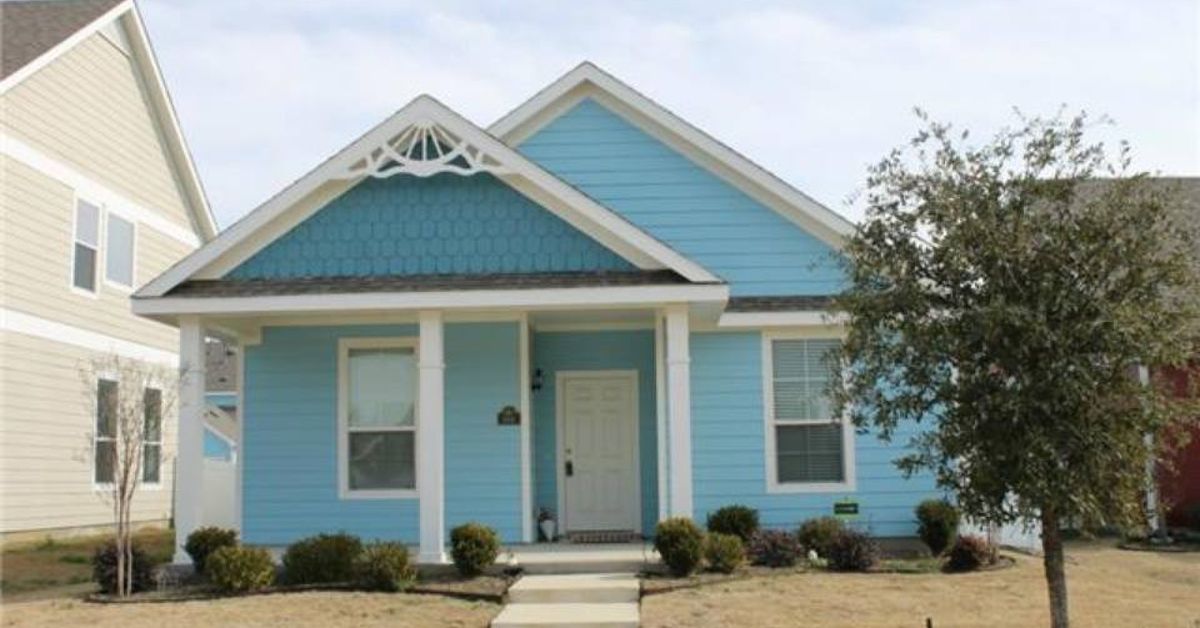

Old houses have personality. They may offer hardwood floors, detailed trim, mature trees, solid doors, and a front porch that practically demands a rocking chair. Unfortunately, they may also offer a leaking sewer line, a tired foundation, cloth-covered wiring, and a furnace old enough to remember dial-up internet.
That does not mean buying an old house is a bad decision. Many older homes were built with durable materials and craftsmanship that are difficult to reproduce today. The trick is separating charming age from expensive neglect before you sign the closing papers.
A standard home inspection is the starting point, not the finish line. Older properties often require additional evaluations by roofers, structural engineers, electricians, plumbers, chimney specialists, pest inspectors, or environmental-testing professionals. Spending a little more during the inspection period can prevent a financial ambush after move-in.
“`
Start With the Repairs That Can Break the Budget
Paint colors, outdated cabinets, and unfashionable tile are visible and relatively easy to price. The most expensive old-house repairs are usually hidden behind walls, beneath floors, underground, or high above your head. These problems affect the structure, safety, water control, and major mechanical systems of the property.
When walking through an older home, prioritize defects in roughly this order:
- Foundation, framing, and drainage problems
- Roof, chimney, and active water intrusion
- Sewer, septic, and whole-house plumbing issues
- Unsafe or undersized electrical systems
- Failing heating and cooling equipment
- Lead, asbestos, radon, mold, and pest damage
- Unpermitted renovations or poorly executed additions
A pink bathroom may offend your design sensibilities, but it will not normally cause the dining-room ceiling to collapse. Fix the expensive, wet, structural, combustible, and unhealthy problems first. The avocado-green bathtub can wait its turn.
1. Foundation and Structural Repairs
Foundation trouble is one of the most alarming discoveries in an old house because the repair can extend far beyond filling a visible crack. Movement may affect framing, floors, doors, windows, plumbing, masonry, and even the roofline.
Warning Signs to Look For
- Stair-step cracks in brick or concrete block
- Horizontal cracks in basement walls
- Floors that slope noticeably or feel springy
- Doors and windows that stick throughout the house
- Large gaps between walls, ceilings, or trim
- Posts or beams that appear cut, shifted, or improvised
- Water collecting near the foundation after rain
Not every crack indicates a major structural failure. Old homes settle, plaster cracks, and materials expand and contract. The pattern, width, location, and evidence of ongoing movement matter more than the mere existence of a crack.
When an inspector identifies significant movement, bring in a licensed structural engineer who does not profit from selling a repair system. Depending on the cause, solutions may include drainage improvements, beam replacement, wall reinforcement, pier installation, foundation stabilization, or partial reconstruction. Minor corrections may cost several thousand dollars, while extensive stabilization can enter the tens of thousands.
2. Poor Grading and Basement Water Problems
Water is the most persistent unpaid contractor in an old house. It works nights, weekends, and holidays, slowly damaging wood, masonry, insulation, finishes, and foundations.
Look for white mineral deposits on basement walls, peeling paint, rusted metal, dark stains, musty odors, recently installed paneling, or stacks of belongings suspiciously arranged in front of one particular corner. Fresh paint in an otherwise neglected basement deserves questions, especially when applied only from the floor to the three-foot mark.
The cause may be relatively simple, such as clogged gutters, short downspouts, sunken soil, or a failed window well. More complicated situations can require exterior excavation, drain-tile replacement, sump-pump installation, foundation sealing, or structural repairs caused by hydrostatic pressure.
Visit the property during or shortly after heavy rain whenever possible. A basement that looks perfect during a three-week drought may tell an entirely different story once the weather stops cooperating.
3. An Aging Roof, Chimney, and Gutter System
A worn roof can turn a manageable replacement project into a chain reaction involving rotted sheathing, wet insulation, damaged plaster, mold growth, and deteriorated framing. Ask for the roof’s approximate age, installation records, warranty information, and any invoices for prior leak repairs.
Roof Red Flags
- Missing, curling, cracked, or heavily worn shingles
- Multiple roofing layers
- Sagging roof sections
- Soft or stained roof decking visible from the attic
- Daylight around penetrations
- Damaged flashing at chimneys, valleys, and walls
- Active staining around vents or skylights
A straightforward replacement may already be a five-figure project in many U.S. markets. Steep slopes, complicated rooflines, historic materials, decking replacement, limited access, and chimney repairs can raise the bill substantially.
Do not ignore the chimney. Loose bricks, deteriorated mortar, damaged flashing, missing caps, and cracked flue liners can create water, fire, and carbon-monoxide concerns. If the home has a working fireplace or fuel-burning appliance vented through the chimney, arrange for a qualified chimney inspection rather than relying only on a ground-level glance.
4. Sewer Line or Septic System Failure
The prettiest kitchen in the neighborhood becomes less enchanting when the main drain backs up into it. Older homes may have sewer laterals made from clay, cast iron, Orangeburg fiber pipe, or other materials that can crack, collapse, corrode, separate, or invite tree roots inside.
A standard home inspection generally does not show the full condition of an underground sewer lateral. For an older property, a sewer-camera inspection is often worth the added expense. The plumber should record the line, identify the material, locate defects, estimate depth, and explain whether cleaning, lining, spot repair, or full replacement is appropriate.
Watch for slow drains, recurring clogs, sewage odors, unusually lush patches of grass, depressions in the yard, or evidence of repeated drain cleaning. A difficult excavation beneath landscaping, a driveway, a retaining wall, or a public street can turn a plumbing repair into a major construction project.
Homes with septic systems need a specialized evaluation. Confirm the tank location, capacity, age, pumping history, condition of the distribution components, and performance of the drain field. Also verify that the system lies within the property boundaries and complies with applicable local requirements.
5. Outdated Supply Pipes and Hidden Plumbing Leaks
Old plumbing can fail from the inside out. Galvanized steel supply pipes may look acceptable externally while internal corrosion restricts water flow. Cast-iron drains can rust, crack, or deteriorate along their lower surfaces. Mixed materials, improvised fittings, abandoned pipes, and decades of patchwork repairs are also common.
Test the System Like a Future Owner
Run several fixtures at once. Flush toilets while showers and faucets are operating. Check water pressure on the upper floor. Look beneath sinks, around toilets, below bathrooms, near the water heater, and along exposed basement piping.
Low pressure, rusty water, recurring stains, loose toilets, bubbling drains, and moisture beneath flooring deserve further investigation. Ask whether supply or drain lines have been replaced throughout the house or only in the easiest visible areas. A shiny ten-foot section of copper pipe does not prove the rest of the system has left the nineteenth century.
Whole-house repiping, drain-stack replacement, and concealed leak repair can easily reach five figures once wall, ceiling, tile, and cabinet restoration are included.
6. Electrical Wiring That Cannot Handle Modern Life
Many old electrical systems were designed before central air conditioning, induction ranges, home offices, electric dryers, gaming computers, and the sacred kitchen air fryer. Even wiring that still functions may be damaged, modified incorrectly, poorly grounded, or insufficient for current demand.
Potential concerns include knob-and-tube wiring, deteriorated cloth insulation, ungrounded receptacles, aluminum branch wiring, fuse panels, undersized service, overcrowded panels, amateur splices, missing protective devices, and extension cords being used as permanent wiring.
Warning signs include flickering lights, frequently tripped breakers, warm outlets, buzzing switches, burn marks, loose receptacles, and an overheated-plastic odor. Never remove an electrical-panel cover yourself during a showing. That is a job for the inspector or electrician.
If significant old wiring is present, obtain an electrician’s evaluation and a written estimate. Rewiring costs depend on access, wall construction, panel capacity, local code, and the amount of finish repair required. Plaster walls and ornate woodwork make the work slower, which is contractor language for “bring a larger checkbook.”
Speak with an insurance agent before closing. Certain wiring types, aging panels, or inadequate electrical systems may affect coverage availability or require upgrades within a limited period.
7. An Obsolete Heating and Cooling System
An old boiler or furnace may continue operating for years, but age alone does not reveal efficiency, safety, remaining life, or replacement difficulty. Some older homes lack ductwork, have abandoned oil tanks, use outdated controls, or contain heating equipment installed in cramped spaces.
Request service records and note the model and serial numbers. Have the equipment evaluated when the general inspector finds corrosion, improper venting, unusual sounds, short cycling, leakage, damaged heat exchangers, or signs of incomplete combustion.
Replacement planning must include more than the equipment price. A project may require electrical upgrades, chimney lining, duct modifications, oil-tank removal, asbestos abatement, condensate drainage, structural access, or new distribution systems. In a large old house, comfort improvements can become a multi-stage renovation rather than a simple furnace swap.
8. Lead Paint, Asbestos, Radon, and Mold
Environmental hazards deserve careful testing because appearance alone cannot confirm their presence or absence.
Lead-Based Paint
Homes built before 1978 may contain lead-based paint. Intact painted surfaces may be manageable, but peeling paint and friction surfaces such as windows, doors, stairs, and trim can create contaminated dust. Renovation work can spread that dust if proper containment and cleanup practices are not used.
Asbestos-Containing Materials
Asbestos may be present in old pipe insulation, boiler components, floor tile, adhesives, siding, roofing, textured finishes, duct insulation, or other materials. Suspect material should not be sampled, scraped, drilled, or disturbed casually. Laboratory analysis and professional guidance are appropriate before renovation or removal.
Radon
Radon is invisible and odorless, so a home cannot “smell radon-free.” Testing is the only practical way to determine the concentration. Radon can occur in old or new homes, with or without basements.
Mold and Chronic Moisture
Mold is usually a symptom of a moisture problem. Search for roof leaks, plumbing failures, wet foundations, condensation, poor ventilation, or past flooding rather than focusing only on surface cleanup. A large remediation invoice is particularly frustrating when the leak that caused the problem is still cheerfully dripping behind the wall.
9. Termites, Carpenter Ants, and Wood-Destroying Organisms
Older houses provide plenty of wood and, when moisture is present, a welcoming environment for pests. Look for mud tubes, hollow or damaged wood, piles of wings, insect debris, patched sill plates, and fresh lumber attached to heavily deteriorated framing.
A pest inspection may reveal both active infestation and previous structural damage. Treatment is only part of the budget. Severely damaged joists, beams, rim boards, porch supports, or sill plates may require substantial carpentry and temporary structural support.
Ask for past treatment records and warranties, but do not assume an old treatment sticker proves the house is currently pest-free. Termites are not known for honoring paperwork.
10. Failing Windows, Insulation, and the Building Envelope
Historic windows can often be repaired, weather-stripped, and fitted with storm windows. Replacement is not automatically the best solution. However, widespread rot, failed glazing, broken sash cords, water intrusion, and poor installation can create a large restoration bill.
Older homes may also have little wall insulation, major attic air leaks, uninsulated ducts, and poorly sealed penetrations. Before adding insulation, determine whether active knob-and-tube wiring, moisture problems, roof leaks, or inadequate ventilation are present.
Energy improvements should be planned as a system. Aggressively sealing an old house without addressing combustion safety, moisture, ventilation, and exhaust fans can create new problems while solving the draft.
11. Unpermitted Additions and Questionable Renovations
An old house may have survived several generations of enthusiastic owners armed with hammers, discount lumber, and unearned confidence. Compare the current layout with permit records, tax information, and available plans.
Pay special attention to converted porches, finished basements, attic bedrooms, removed walls, added bathrooms, decks, garages, and rental units. Problems may include inadequate footings, missing fire separation, undersized beams, unsafe stairs, low ceilings, improper exits, overloaded circuits, or plumbing installed without proper venting.
Unpermitted work can affect insurance, appraisal, financing, resale, and the ability to obtain future permits. Ask local authorities and qualified professionals what correction or legalization might require before assuming a suspicious addition is simply “bonus square footage.”
How to Inspect an Old House Without Losing Your Head
Hire an inspector with documented experience in homes from the property’s era. A specialist who understands balloon framing, stone foundations, plaster walls, old boilers, historic masonry, and vintage wiring is more useful than someone whose experience is limited to recent suburban construction.
Attend the inspection. Ask which problems are urgent safety concerns, which are active defects, which are maintenance items, and which require specialist evaluation. Request photographs and clear locations for every major issue.
Depending on the property, consider adding:
- Sewer-camera inspection
- Structural-engineer review
- Electrical safety evaluation
- Chimney inspection
- Roofing inspection
- Radon testing
- Lead or asbestos assessment
- Pest inspection
- Well-water and septic testing
- Oil-tank sweep or soil evaluation
A home inspection is generally visual and noninvasive. It reduces risk but cannot reveal every concealed defect. Review seller disclosures, permits, maintenance records, utility bills, insurance claims where available, prior inspection reports, and renovation invoices.
Build a Repair Budget Before Making the House Yours
Obtain written estimates for major findings during the inspection contingency whenever the contract and schedule allow. Online averages are useful for early planning, but they cannot account for local labor rates, historic-district rules, access limitations, material choices, or hidden damage.
Separate the repairs into three categories:
- Immediate: active leaks, unsafe wiring, structural instability, failed sewer systems, dangerous heating equipment, and major health hazards.
- Near-term: aging roof coverings, worn HVAC equipment, deteriorated exterior wood, or plumbing near the end of its practical life.
- Optional: cosmetic changes, layout improvements, luxury finishes, and projects that can wait without causing further damage.
Add a contingency reserve because old houses are extremely talented at introducing their friends. Opening a wall for plumbing may reveal rotten framing. Replacing a roof may expose failed decking. Removing flooring may uncover asbestos-containing adhesive. A realistic budget expects discoveries rather than treating each one as a personal betrayal.
Use the inspection findings to negotiate repairs, seller credits, a lower purchase price, or an exit from the transaction when permitted by the contract. For houses needing extensive rehabilitation, discuss renovation-loan options with qualified lenders before committing to a financing structure.
Experiences From Old-House Buying: Lessons That Save Real Money
The “Small Basement Crack” That Was Really a Drainage Problem
One of the most common old-house experiences begins with a seller describing a basement crack as normal settlement. Sometimes that assessment is correct. In one typical scenario, however, the crack sits below a downspout that empties beside the foundation. The yard slopes toward the house, and the basement wall shows mineral deposits beneath a suspicious coat of waterproof paint.
The buyer who focuses only on filling the crack may miss the actual problem: years of concentrated water pressure. A better approach is to have the structure evaluated, inspect the grading and gutters, and determine whether drainage work is required. Correcting the water source early may prevent more serious movement and repeated interior repairs.
The Beautiful Kitchen With an Ugly Sewer Line
Another familiar lesson involves a carefully renovated kitchen with new appliances, stone counters, and dramatic lighting. Everything above ground looks expensive. A sewer-camera inspection tells a less glamorous story: the original clay line has root intrusion and several displaced joints.
Without the camera inspection, the buyer might spend the first year admiring the backsplash and repeatedly calling a drain-cleaning company. With the evidence in hand, the buyer can request repair, negotiate a credit, or adjust the offer. The lesson is simple: renovations reveal what a seller wanted you to see; specialist inspections reveal what gravity and tree roots have been doing in private.
The Electrical Panel That Looked New
Buyers are often reassured by a modern breaker panel. Yet a new panel does not necessarily mean the house has been rewired. In many older properties, new breakers feed older branch circuits that remain hidden inside walls and ceilings.
A knowledgeable inspector may spot cloth-covered wiring in the attic, ungrounded outlets in bedrooms, and improvised junctions in the basement. An electrician can then determine the extent of the old wiring and whether upgrades are needed for safety, insurance, or planned appliances. The practical lesson is to evaluate the entire electrical system, not just the clean metal box with neatly printed labels.
The Roof Estimate That Grew After Removal
A buyer may budget for shingles based on the visible roof surface, only to discover multiple layers, rotted decking, damaged flashing, and a deteriorated chimney once work begins. The original estimate grows because the replacement involves demolition, carpentry, masonry, and disposal rather than shingles alone.
Experienced old-house buyers ask contractors what the estimate includes, what conditions could trigger change orders, and how decking replacement is priced. They also keep a contingency fund. This does not eliminate surprises, but it converts a crisis into a planned expense.
The Most Valuable Experience: Knowing When to Walk Away
Not every old house should be rescued by every buyer. A property with foundation movement, failed drainage, an obsolete electrical system, a collapsing sewer line, and major environmental hazards may still be worth restoring. It simply requires sufficient money, time, professional help, and tolerance for disruption.
The dangerous mistake is buying a major rehabilitation project with a cosmetic-renovation budget. A low purchase price does not automatically create value when essential repairs exceed the available cash or financing. Walking away from a house that overwhelms your resources is not losing your dream home. It is avoiding a long-term relationship with a very attractive invoice generator.
The buyers who have the best experiences with old houses tend to share a few habits: they investigate before becoming emotionally committed, obtain specialist opinions, price major work locally, preserve a generous reserve, and repair water problems before decorating. They appreciate historic character without assuming character pays contractor bills.
Conclusion: Buy the Character, but Price the Risk
Buying an old house can be rewarding. You may gain architectural detail, established surroundings, durable materials, and a home with a genuine sense of history. You may also inherit decades of deferred maintenance hiding behind fresh paint and strategically placed furniture.
Before closing, investigate the foundation, drainage, roof, chimney, sewer, plumbing, electrical system, HVAC equipment, environmental hazards, pests, insulation, and permit history. Hire specialists when the general inspection identifies concerns, and base negotiations on written evaluations rather than optimistic guesses.
The goal is not to find a flawless old house. Such a creature is usually spotted grazing beside unicorns. The goal is to understand the property’s defects, estimate the real cost of ownership, and decide whether its charm is worth the work with your eyesand your repair budgetwide open.