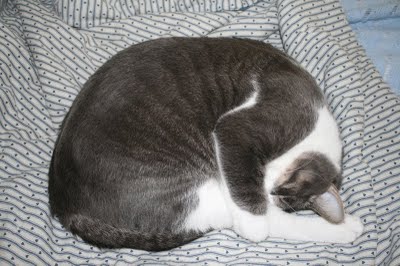

Every cat owner knows the sound. It begins somewhere in the hallway at 2:13 a.m., travels through the walls like a haunted kazoo, and ends with your beloved feline looking deeply offended by biology. “Urgh,.. sorry,.. hairball” is not exactly a love language, but in cat homes across America, it is practically a household soundtrack.
Hairballs are one of those cat realities that are both weirdly normal and occasionally concerning. One minute your cat is a graceful, mysterious creature who moves like a velvet shadow. The next minute, they are crouched on your clean rug performing what appears to be a tiny goblin exorcism. The good news: occasional hairballs are common, especially in long-haired cats or cats that shed heavily. The important news: frequent hairballs, repeated vomiting, coughing without producing a hairball, appetite changes, constipation, or lethargy can point to something more serious.
This guide explains what cat hairballs are, why they happen, how to prevent them, when to call the veterinarian, and how to survive the emotional experience of finding one barefoot before coffee.
What Is a Hairball, Really?
A cat hairball is a mass of swallowed fur that collects in the stomach or digestive tract. The veterinary name is trichobezoar, which sounds like either a dinosaur or a wizard with poor grooming habits. Cats naturally ingest hair while grooming because their tongues are covered with tiny backward-facing barbs. These barbs help remove loose fur, dirt, and debris from the coat, but they also send hair straight down the hatch.
Most swallowed hair passes through the digestive system and exits quietly in the litter box, where nobody applauds but everyone benefits. Sometimes, however, hair gathers in the stomach and forms a damp, tube-shaped clump. When the cat expels it, the result is the classic hairball: not actually a “ball,” but usually a soggy little cylinder that looks like something a bath drain coughed up after a long winter.
Why Do Cats Get Hairballs?
Hairballs happen because cats are champion self-groomers. A healthy cat may spend a large part of the day cleaning their coat. That is adorable until you remember that the entire grooming tool is also attached to the digestive system.
Common Causes of Cat Hairballs
The most common causes include normal shedding, long or dense coats, seasonal coat changes, overgrooming, poor digestion, low dietary fiber, dehydration, skin irritation, fleas, allergies, stress, and gastrointestinal conditions that slow the movement of hair through the body.
Long-haired breeds such as Persians, Maine Coons, Ragdolls, and Himalayans are especially likely to deal with hairballs because they simply have more fluff in circulation. Think of them as luxury rugs with opinions. Senior cats may also have more issues if their digestion slows or they groom less efficiently. On the other hand, a short-haired cat that suddenly begins producing frequent hairballs deserves attention, because repeated hairball vomiting can sometimes signal an underlying problem rather than “just cat stuff.”
Are Hairballs Normal?
Occasional hairballs can be normal. Many cats bring one up now and then without any lasting issue. But “normal” does not mean “ignore everything forever.” Frequency matters. Size matters. Behavior before and after the episode matters. Your cat should not be vomiting hairballs constantly, losing weight, hiding, refusing food, straining in the litter box, or coughing repeatedly with nothing coming up.
A helpful rule is this: an occasional hairball from an otherwise bright, hungry, playful cat is usually less concerning than repeated retching, frequent vomiting, or any hairball episode paired with other symptoms. Your cat should bounce back quickly. If they look miserable, weak, painful, or unusually quiet, it is time to stop blaming the carpet goblin and call the vet.
Hairball Symptoms: What You Might Notice
The classic hairball routine often includes hacking, gagging, retching, crouching low, stretching the neck forward, and finally producing a wet hair mass. Some cats make a dramatic production out of it, complete with sound effects worthy of a haunted accordion. Others are quieter and simply leave evidence in a location guaranteed to ruin your morning.
Typical Signs
Typical signs of a hairball include a brief period of gagging or retching followed by the appearance of a hair-filled clump. The cat may then walk away as if nothing happened, possibly while you stand nearby holding a paper towel and questioning your life choices.
Warning Signs
Warning signs include frequent vomiting, repeated retching without producing anything, loss of appetite, constipation, diarrhea, bloating, lethargy, weight loss, pain, hiding, blood in vomit, or trouble breathing. These are not “wait and see for three weeks” signs. They are reasons to contact a veterinarian.
Hairball or Cough? Know the Difference
One of the trickiest parts of cat care is telling the difference between a hairball episode and a cough. They can look similar. A cat with a hairball may crouch, extend the neck, and make a harsh hacking sound. A cat with respiratory disease, asthma, bronchitis, allergies, or infection may do something very similar, except no hairball appears.
If your cat repeatedly hacks or coughs and nothing comes out, do not assume an invisible hairball is “stuck.” Cats can develop respiratory problems that need veterinary care. Watch for wheezing, open-mouth breathing, fast breathing, blue or pale gums, weakness, or obvious distress. Breathing problems in cats can become urgent quickly, and no amount of hairball paste should be expected to solve an airway issue.
How to Prevent Cat Hairballs
You cannot stop a cat from grooming, and honestly, nobody wants that. A cat who stops grooming completely may be ill, depressed, painful, or stressed. The goal is not to end grooming; the goal is to reduce the amount of loose hair swallowed and help the digestive system move hair through smoothly.
Brush Your Cat Regularly
Brushing is the first line of defense. It removes loose fur before your cat swallows it. Short-haired cats often benefit from brushing once or twice a week, while long-haired cats may need grooming several times a week or even daily during heavy shedding seasons.
Choose tools based on coat type. A slicker brush can help with loose undercoat, a metal comb can catch tangles, and a deshedding tool can be useful for heavy shedders when used gently. The goal is not to turn your living room into a professional grooming salon, although your cat may demand spa pricing. Keep sessions short, reward cooperation, and stop before your cat becomes a furry blender of resentment.
Improve Hydration
Water helps support digestion. Many cats do not drink enthusiastically from a bowl, because apparently still water is suspicious unless it comes from your glass. Try placing fresh water in several spots, using a pet fountain, washing bowls often, and adding wet food if your veterinarian agrees. Moisture-rich meals can support overall hydration and may help stool move more comfortably.
Talk to Your Vet About Hairball-Control Food
Some cat foods are designed to reduce hairball formation by using specific fiber blends that help move swallowed fur through the digestive tract. These diets are not magic, and they are not right for every cat, but they can help some cats, especially those with recurring hairball issues. Ask your veterinarian before making major diet changes, particularly if your cat has kidney disease, diabetes, food allergies, urinary issues, or a sensitive stomach.
Use Hairball Remedies Carefully
Over-the-counter hairball gels and lubricants may help some cats pass swallowed hair. Many are flavored so cats will lick them voluntarily, although “voluntarily” in cat language sometimes means “after staring at you like you have betrayed the monarchy.” Always follow label directions and ask your vet before using products regularly. Too much lubricant can interfere with normal digestion or add unnecessary calories.
Control Fleas and Skin Irritation
If a cat is itchy, they may groom more. More grooming means more swallowed hair. Fleas, mites, allergies, dry skin, infections, and skin pain can all lead to excessive licking. If your cat is chewing at the skin, pulling out fur, developing bald patches, or grooming one area obsessively, hairballs may be the symptom, not the real problem.
When Hairballs Become Dangerous
Most hairballs are gross but harmless. Occasionally, however, swallowed hair can create a blockage in the stomach or intestines. A blockage is serious and may require urgent veterinary treatment. Signs can include repeated vomiting, unproductive retching, refusing food, painful abdomen, constipation, weakness, and unusual hiding.
Never assume your cat is “just dramatic” if they are repeatedly trying to vomit and cannot bring anything up. Cats are experts at hiding illness. By the time they show obvious signs, they may already feel very unwell. A vet can examine your cat, check hydration, evaluate the abdomen, discuss imaging if needed, and rule out other causes of vomiting.
Cleaning Up Hairballs Without Losing Your Soul
Hairball cleanup is not glamorous, but it can be efficient. First, remove the solid material with paper towels or a disposable scraper. Blot; do not grind it into the carpet like you are polishing a terrible gemstone. Use an enzyme-based pet stain cleaner on carpet or upholstery, following the product instructions. For hard floors, clean and disinfect according to the flooring type. Wash bedding or blankets promptly if your cat chooses the deluxe fabric landing zone, which they absolutely will.
For prevention, consider washable throws on favorite sleeping spots, easy-clean rugs in high-traffic areas, and a grooming station near wherever your cat already lounges. Cats like routine. If brushing happens in a familiar cozy spot, your odds of success improve dramatically.
Common Hairball Myths
Myth 1: All Cat Vomiting Is Hairballs
Nope. Cats vomit for many reasons, including dietary problems, parasites, infections, inflammatory bowel disease, toxins, foreign objects, pancreatitis, kidney disease, and more. A hairball may be obvious when you see one, but frequent vomiting without hair should be investigated.
Myth 2: Indoor Cats Do Not Get Hairballs
Indoor cats groom, shed, nap, judge your furniture, and swallow hair just like outdoor cats. Indoor living may reduce exposure to some parasites and hazards, but it does not eliminate hairballs.
Myth 3: Hairballs Mean the Cat Is Sick
Not always. An occasional hairball can happen in a healthy cat. The pattern is what matters. Rare, mild episodes are usually less concerning than frequent, painful, or unproductive ones.
Myth 4: Shaving the Cat Solves Everything
Shaving may help in specific cases, especially with severe mats, but it is not a universal solution. Cats need their coats for temperature regulation and skin protection. Professional grooming may be safer than at-home shaving, especially for older cats, anxious cats, or cats with thin skin.
Real-Life Experiences: Living With the “Urgh,.. Sorry,.. Hairball” Moment
The first time you hear a cat producing a hairball, you may assume the creature is rebooting. There is a pause, a crouch, a neck stretch, and then the unmistakable “urk-urk-urk” that sends every experienced cat owner sprinting across the house with the speed of an Olympic hurdler. The mission is simple: move the cat from the rug to the tile. The success rate is approximately the same as convincing a cat not to sit on fresh laundry.
One common experience is the “almost made it” hairball. Your cat begins retching on the couch. You gently lift them, whispering encouraging words like a pit crew at a race. You place them on the easy-clean kitchen floor. They stare at you, take three dignified steps, return to the rug, and finish the job. This is not random. This is interior design commentary.
Another familiar scenario is the mystery hairball. You do not see it happen. You only discover it later, usually with your foot. Nothing wakes a person faster than stepping on a cold hairball in the dark. Coffee becomes unnecessary. Your nervous system has already brewed espresso directly into your bloodstream.
Many cat owners also learn that hairballs can become a household diagnostic tool. You start noticing patterns. Maybe hairballs increase during spring shedding. Maybe your long-haired cat has more trouble when brushing sessions are skipped. Maybe your short-haired cat suddenly starts having hairballs every few days, which prompts a vet visit and reveals itchy skin, fleas, food sensitivity, or a digestive issue. What begins as a cleanup problem can become useful information about your cat’s health.
The emotional journey is real. At first, hairballs feel disgusting. Then they become annoying. Eventually, they become part of the strange contract of loving a cat: you provide food, shelter, medical care, toys, window seats, and emotional support; your cat provides companionship, comedy, and occasional damp evidence of grooming efficiency. Nobody puts that on adoption posters, but perhaps they should.
Experience also teaches patience. Brushing a cat is not like brushing a cooperative golden retriever. Some cats melt into the brush like royalty receiving a massage. Others allow exactly four strokes before activating the claws of constitutional law. The trick is to build tolerance slowly. Start with short sessions. Reward with treats. Brush when the cat is relaxed. Stop before irritation begins. A five-minute peaceful grooming session is better than a twenty-minute wrestling match that ends with both parties questioning the relationship.
Veteran cat owners often keep a “hairball kit” without officially naming it. It includes paper towels, enzyme cleaner, a grooming comb, treats, and possibly a small prayer. They also learn to watch the difference between a normal hairball and a concerning pattern. A cat who hacks once, produces a hairball, eats dinner, and resumes knocking pens off the desk is usually acting like a cat. A cat who retches repeatedly, refuses food, coughs without producing hair, seems weak, or hides under the bed needs attention.
In the end, “Urgh,.. sorry,.. hairball” is both a joke and a reminder. Cats are elegant, but they are also biological creatures with digestive systems, shedding cycles, and dramatic timing. The goal is not to panic at every hairball or ignore every symptom. The goal is to understand what is normal for your cat, reduce preventable hair ingestion, support healthy digestion, and call the veterinarian when the pattern changes. Also, maybe buy washable rugs. Your future barefoot self will thank you.
Conclusion
Hairballs are one of the less glamorous parts of cat ownership, right between litter box negotiations and discovering that your cat prefers the cardboard box to the expensive bed. Occasional hairballs can be normal, especially in long-haired or heavy-shedding cats, but frequent vomiting, coughing, appetite loss, constipation, lethargy, or repeated unproductive retching should never be brushed off.
The best hairball strategy is simple: brush regularly, support hydration, feed a complete and balanced diet, discuss fiber or hairball-control options with your veterinarian, manage fleas and skin irritation, and pay attention to changes. Your cat may never send a formal apology for the 3 a.m. hallway incident, but with good care, you can reduce the number of “urgh” moments and help your feline friend feel better from whiskers to tail.
Note: This article is for educational publishing purposes and is not a substitute for veterinary diagnosis. If a cat has frequent vomiting, breathing trouble, repeated retching without producing a hairball, appetite loss, weakness, pain, or sudden behavior changes, contact a licensed veterinarian.