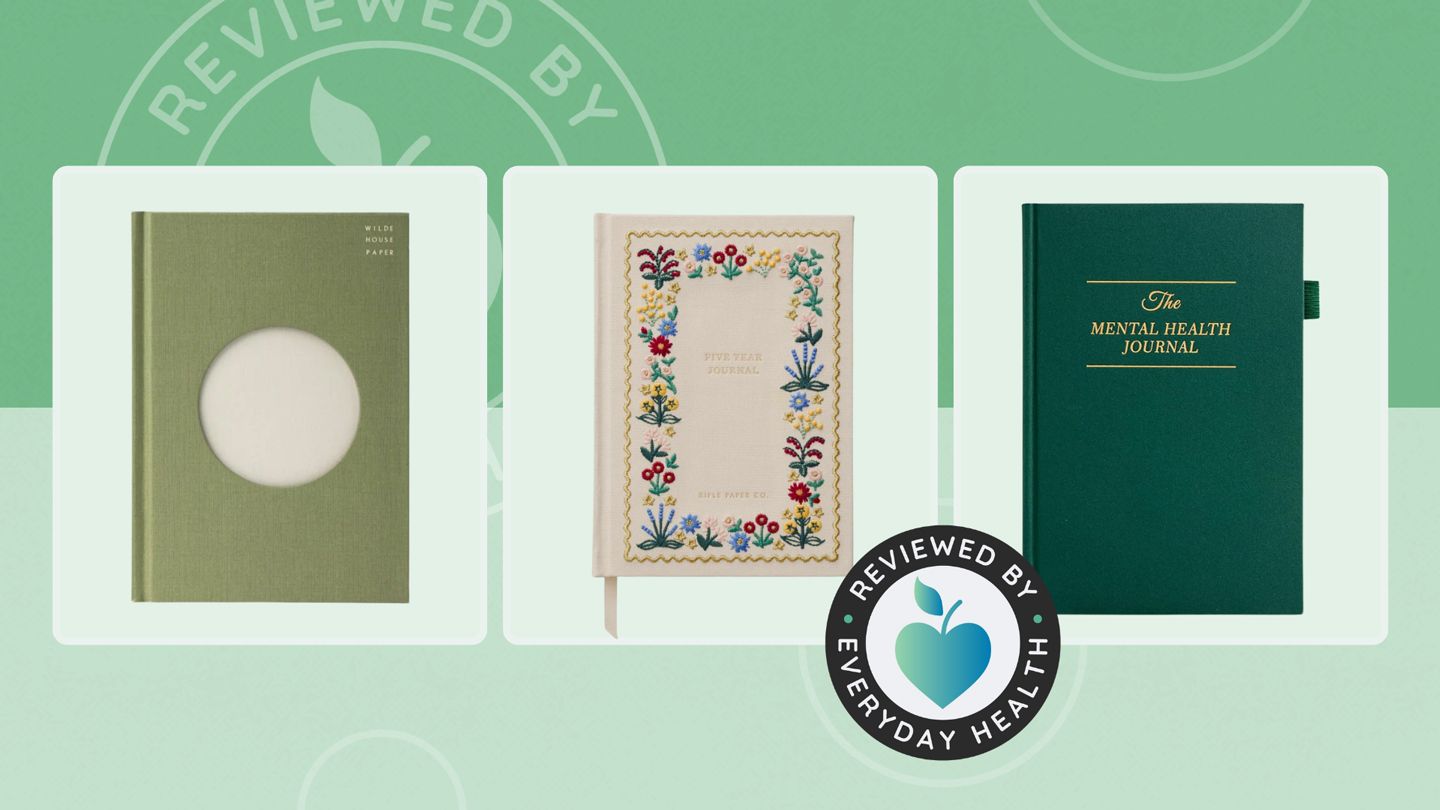

Self-care journals are having a very big moment, and no, it is not just because stationery people discovered linen covers and elastic bands. A good self-care journal can help you slow down, name what you feel, notice patterns, practice gratitude, track habits, and gently stop treating your brain like a junk drawer with Wi-Fi.
But not every pretty notebook is emotionally useful. Some journals are too vague. Some are so intense they feel like being interrogated by a life coach at 6 a.m. The best therapist-approved self-care journals sit in the sweet spot: structured enough to guide you, flexible enough to feel personal, and grounded in mental-health principles such as mindfulness, cognitive behavioral therapy, emotional awareness, boundary-setting, values work, and self-compassion.
Important note before we open the paper buffet: “therapist-approved” does not mean every therapist has personally stamped these books with a tiny clinical clipboard. It means these journals include tools therapists often recommend or use in practice: thought reframing, mood tracking, gratitude, self-reflection, goal-setting, emotional labeling, and behavior awareness. A journal is not a replacement for therapy, medication, crisis care, or professional support, but it can be a practical companionlike a pocket-sized emotional spotter at the gym.
What Makes a Self-Care Journal Worth Using?
A strong self-care journal should do more than ask, “How are you?” and leave you emotionally staring into space. Look for prompts that help you identify feelings, connect emotions to situations, notice body cues, clarify needs, and choose one small next step. Therapists often prefer journals that encourage curiosity rather than judgment. In other words, the page should not sound like your inner critic wearing glasses.
The best guided journals also fit your real life. If you only have five minutes, a gratitude journal may work better than a deep shadow-work workbook. If anxiety is your main concern, a CBT-based journal may be more useful than a general wellness planner. If you struggle with boundaries, a workbook written by a licensed therapist may give you clearer language and practice scripts. Choose the tool that matches your season, not the fantasy version of yourself who wakes up at 5 a.m., drinks celery water, and has never once lost a receipt.
The 14 Best Therapist-Approved Self-Care Journals
1. The Anti-Anxiety Notebook by Therapy Notebooks
Best for: anxiety, spiraling thoughts, stress, and cognitive reframing.
The Anti-Anxiety Notebook is one of the strongest choices for people who want a journal that feels close to a therapy worksheet without being cold or clinical. It is built around cognitive behavioral therapy, or CBT, which helps people identify unhelpful thought patterns and challenge them with more balanced perspectives.
This journal is especially useful when your brain starts writing disaster fan fiction. Instead of simply venting, you are guided to name the situation, identify the thought, examine evidence, and create a more realistic response. That structure can be comforting for people who feel overwhelmed by blank pages.
2. The Five Minute Journal by Intelligent Change
Best for: gratitude, morning routines, and beginners.
The Five Minute Journal is popular because it respects the modern attention span, which, let’s be honest, sometimes has the stamina of a wet paper towel. The format is simple: brief morning prompts and brief evening reflections. You write what you are grateful for, what would make the day good, daily affirmations, highlights, and lessons.
Therapists often like gratitude practices because they can help redirect attention toward what is meaningful, supportive, or steady. This does not mean pretending everything is fine. It means training your mind to notice more than the problem of the day.
3. Papier Wellness Journal
Best for: stylish wellness tracking and gentle self-care planning.
Papier’s Wellness Journal is a beautiful option for people who are more likely to keep a habit when the object itself feels inviting. It usually includes areas for intentions, habits, meals, sleep, water, mood, and weekly or monthly check-ins. The design-forward format makes wellness feel less like homework and more like a quiet appointment with yourself.
This is a strong pick for people who want a balanced overview of their life rather than a single mental-health focus. It can help you notice, for example, that your mood is not “randomly terrible” but suspiciously connected to four hours of sleep and lunch made entirely of coffee.
4. Silk + Sonder Wellness Journal
Best for: people who want journaling, planning, and community.
Silk + Sonder blends a planner, self-care journal, habit tracker, and reflection workbook. Its monthly format often includes mood tracking, journaling prompts, planning pages, creative exercises, and themed reflections. For people who like variety, this journal is much less boring than staring at the same prompt for 90 days.
The therapist-approved angle here is consistency. Mood tracking and habit reflection can help people notice patterns between behavior, stress, energy, and emotions. It also encourages small, repeatable rituals, which are often more effective than dramatic self-improvement plans launched at midnight.
5. BestSelf Self Journal
Best for: goal-setting, productivity, and intentional daily planning.
The BestSelf Self Journal is a 13-week goal planner with daily planning, habit tools, gratitude prompts, and weekly reflection. It is ideal for people who feel better when their self-care is connected to structure and action. Not everyone wants to write five pages about their childhood on a Tuesday. Some people want to set a goal, track progress, and stop emotionally wrestling with their calendar.
This journal works well when stress comes from scattered priorities. By narrowing focus, identifying small wins, and reflecting regularly, users can create a more grounded sense of control.
6. Clever Fox Self-Care Journal
Best for: daily wellness tracking and self-care habit building.
The Clever Fox Self-Care Journal is designed for people who want prompts, trackers, check-ins, and space to reflect on wellness from multiple angles. It commonly includes tools for mood, habits, gratitude, goals, affirmations, and self-discovery.
This is a practical choice for anyone trying to make self-care visible. Many people say they “need to take better care of themselves,” but that phrase can be as vague as “eat healthier” or “fix my life.” A guided journal helps translate the wish into specific actions: sleep earlier, stretch, text a friend, set a boundary, drink actual water instead of iced coffee number four.
7. Good Days Start With Gratitude
Best for: affordable gratitude practice.
Good Days Start With Gratitude is a 52-week journal built around a simple daily practice: write down things you are thankful for and reflect weekly. It is budget-friendly, easy to use, and not intimidating for beginners.
Gratitude journaling is therapist-approved when it is honest and specific. The goal is not to force cheerfulness. The goal is to notice what still supports you, even on messy days. “My friend texted me back,” “the soup was excellent,” and “I did not reply-all to that email” all count. Healing sometimes arrives wearing sweatpants.
8. The 3 Minute Positivity Journal by Kristen Butler
Best for: quick mood boosts and positive mindset training.
The 3 Minute Positivity Journal is built for short entries in the morning and evening. It focuses on thoughts, feelings, intentions, reflections, goals, and wins. For people who struggle to journal because it feels time-consuming, this format removes the “I need a candle, a fountain pen, and a free afternoon” barrier.
Therapists often encourage small, achievable practices because success builds momentum. A three-minute entry may sound tiny, but tiny is powerful when it is repeatable. Think of it as flossing for your emotional life: not glamorous, but your future self may be grateful.
9. The Set Boundaries Workbook by Nedra Glover Tawwab
Best for: boundaries, communication, and relationship self-care.
Nedra Glover Tawwab is a licensed therapist known for clear, practical boundary-setting guidance. The Set Boundaries Workbook is not a traditional daily journal, but it absolutely belongs on this list because boundaries are self-care in work boots.
The workbook helps readers understand their needs, identify where limits are missing, and practice communicating boundaries at home, work, and in relationships. This is especially useful if your current boundary style is “say yes, feel resentful, then fantasize about moving to a cabin.” The exercises help turn vague frustration into language you can actually use.
10. Mental Health Journal for Men by Ryan Howes, PhD
Best for: men who want practical, creative emotional reflection.
Mental Health Journal for Men is written by psychologist Ryan Howes and focuses on helping men organize thoughts, work through stress, and explore emotions in accessible ways. It includes creative prompts, practices, and exercises rather than endless blank pages.
This journal stands out because it recognizes that many men were not exactly handed a rich emotional vocabulary growing up. Some were given “fine,” “tired,” and “hungry” and told to build a personality out of those three words. A guided format can make emotional self-care feel less awkward and more useful.
11. Self-Love Workbook for Women by Megan Logan, MSW, LCSW
Best for: self-compassion, confidence, and emotional healing.
The Self-Love Workbook for Women by therapist Megan Logan includes prompts, affirmations, quizzes, and reflective exercises to help readers release self-doubt and build self-compassion. It is especially helpful for people who are working on confidence, identity, and kinder self-talk.
Therapists often emphasize self-compassion because shame rarely produces lasting growth. It usually just makes people feel worse while changing very little. This workbook offers a structured path toward treating yourself like a person you are responsible for caring fornot a malfunctioning appliance.
12. The Mindfulness Journal by Corinne Sweet
Best for: mindfulness, calm, and present-moment awareness.
The Mindfulness Journal by Corinne Sweet offers exercises designed to help readers find peace and calm in everyday situations. Sweet is known for work in psychology, therapy, and mindfulness, and the journal’s approachable exercises make it useful for people who want something soothing but not fluffy.
Mindfulness journaling can help you observe thoughts without immediately believing every single one. This is a valuable skill, because the mind can be dramatic. One awkward conversation and suddenly it is directing a full courtroom drama starring everyone you have ever met.
13. Present, Not Perfect by Aimee Chase
Best for: perfectionism, slowing down, and gentle reflection.
Present, Not Perfect is a beautifully illustrated guided journal about slowing down, letting go, and reconnecting with what matters. It is especially appealing to people who feel trapped in constant performance mode.
This journal is therapist-approved in spirit because it challenges perfectionism, a common driver of stress and burnout. The prompts encourage introspection, acceptance, and presence. It is a good pick if your self-care problem is not that you lack ambition, but that your ambition has started carrying a clipboard and yelling.
14. Start Where You Are by Meera Lee Patel
Best for: creativity, self-exploration, and visual reflection.
Start Where You Are is an interactive journal with prompts, quotes, illustrations, drawing exercises, and reflective questions. It is ideal for people who do not want journaling to feel purely verbal. If writing long paragraphs makes you freeze, a visual journal can open a different door.
This journal helps readers explore values, dreams, uncertainty, and self-understanding. It is especially good for transitions: career changes, identity shifts, post-breakup rebuilding, or any season where your life feels like someone rearranged the furniture in the dark.
How to Choose the Best Self-Care Journal for You
Match the Journal to Your Emotional Goal
If anxiety is your main struggle, start with a CBT-style journal like The Anti-Anxiety Notebook. If you want a daily positivity ritual, choose The Five Minute Journal or The 3 Minute Positivity Journal. If you need relationship clarity, The Set Boundaries Workbook is a better fit than a general gratitude book.
Choose a Format You Will Actually Use
The best self-care journal is not the most beautiful one, the most expensive one, or the one TikTok is currently waving in your face. It is the one you can realistically open. Five minutes daily beats one heroic two-hour session followed by six months of avoidance.
Be Careful With Deep Emotional Work
Some journals, especially shadow work or trauma-related prompts, can bring up intense feelings. That does not make them bad, but it does mean you should go slowly. If a prompt leaves you overwhelmed, pause, ground yourself, and consider bringing the topic to a licensed therapist.
Tips for Getting the Most Out of a Self-Care Journal
Start small. Write one sentence if that is all you have. Keep the journal somewhere visible. Pair it with a routine you already do, like morning coffee or bedtime. Do not judge your handwriting, grammar, emotional depth, or whether your answers sound profound. This is not a college essay. No one is grading your healing arc.
Try using your journal to track patterns rather than chase perfection. Notice what improves your mood, what drains you, what you avoid, what you need more of, and what boundaries keep repeating like a song stuck in your head. Over time, your journal becomes a map of your inner life.
Real-Life Experience: What Using a Self-Care Journal Actually Feels Like
The first week of using a self-care journal can feel surprisingly awkward. You sit down, open the page, read a prompt like “What do I need today?” and suddenly forget every human need except snacks. That is normal. Most of us are used to reporting what we did, not noticing how we are doing. Self-care journaling asks you to shift from autopilot into awareness, and at first, awareness may arrive wearing mismatched socks.
In real life, the benefits are often subtle before they are dramatic. You may not wake up after three entries as a glowing woodland creature with perfect boundaries. More likely, you begin to notice small patterns. You realize your anxiety spikes on days when you skip breakfast. You notice that scrolling at midnight does not “help you relax” so much as turn your brain into a haunted aquarium. You discover that you keep writing the same sentence: “I need more time alone.” That repetition is not failure. It is information.
A gratitude journal may feel too simple at first, but after a few weeks, it can train your attention toward details you normally rush past: a clean towel, a funny text, a quiet commute, a good sandwich, a conversation that did not drain your soul. A CBT journal may feel more technical, but it can be powerful when you catch a thought like “I always mess everything up” and replace it with “I made one mistake, and I can repair it.” That shift may not sound cinematic, but it is emotional strength in plain clothes.
Self-care journals also create a private place to be honest without performing. You do not need to be wise, grateful, calm, spiritual, productive, or impressive. You can be annoyed. You can be confused. You can write, “I do not know what I feel,” and that still counts as self-awareness. Sometimes the page becomes the first place where you admit the truth before you are ready to say it out loud.
The best experience comes when journaling becomes supportive instead of another task to fail at. Miss three days? Come back on day four. Write messy bullet points. Draw a face. Use one-word answers. Tape in a receipt from a day you want to remember. The journal is not there to become evidence that you are good at self-care. It is there to help you practice returning to yourself, again and again, without making a federal case out of being human.
Final Thoughts
The best therapist-approved self-care journals are the ones that help you build awareness, compassion, and practical next steps. Some people need gratitude. Some need structure. Some need boundary scripts. Some need a gentle place to admit, “I am tired, and I need something to change.” There is no universal perfect journal, but there is likely a right journal for your current season.
Choose one that feels inviting, realistic, and emotionally safe. Use it imperfectly. Let it become a conversation with yourself rather than a performance. A journal will not solve every problem, but it can help you hear yourself more clearlyand sometimes, that is where self-care finally begins.