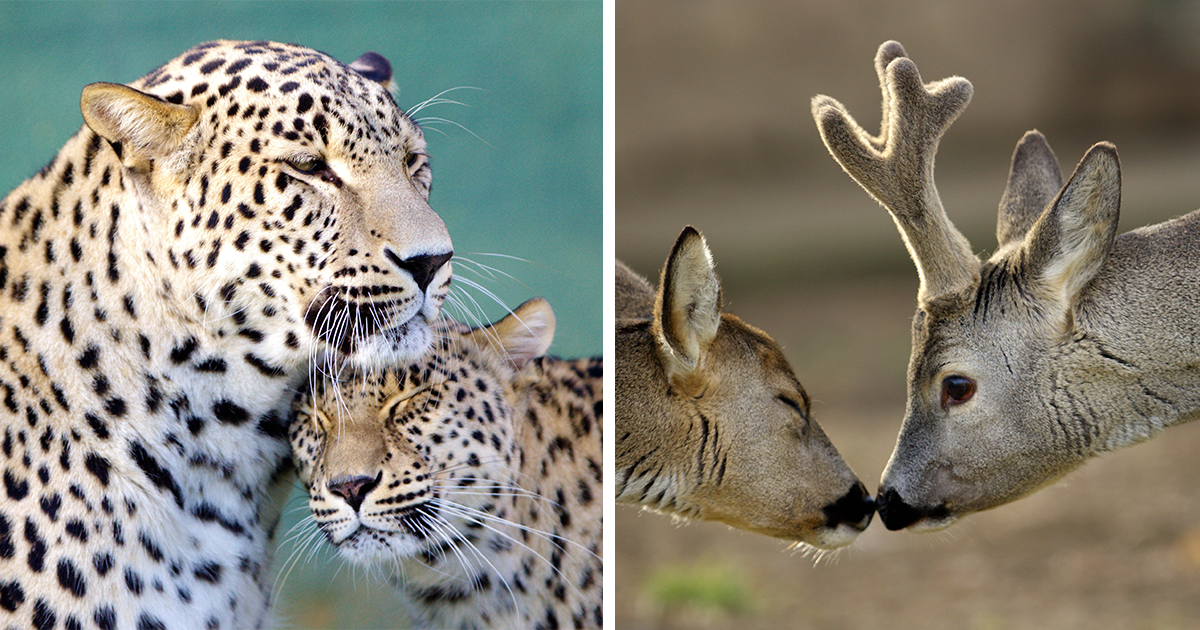

There are days when the world feels like it forgot how to be gentle. Then a dog rests his chin on your knee. A cat blinks slowly from across the room like a tiny, judgmental therapist. Two birds press close on a windy branch. A mother elephant touches her calf with a trunk so tender it could make a parking ticket cry. That is when I reach for my camera.
This article is about those moments: the soft, funny, fiercely loyal ways animals show affection. It is also about animal photography, not as a hunt for the perfect shot, but as a patient invitation to witness connection. Sometimes animals are more loving than humans, or at least they are less dramatic about it. They do not send mixed signals by text. They do not say “we should catch up soon” and vanish into a fog bank. When animals bond, comfort, protect, groom, nuzzle, or simply sit beside each other, their love often arrives without a press release.
Science is careful with the word “love” when talking about animals, and rightly so. Researchers often use terms like attachment, affiliative behavior, pair bonding, consolation, social bonding, and emotional contagion. But anyone who has watched a rescue dog learn to trust again, a horse breathe calmly into a nervous child’s hair, or a mother cat gather her kittens with the efficiency of a furry school principal knows this: affection is not only a human language.
Why Animal Love Feels So Honest
Human love can be beautiful, heroic, and messy enough to require three group chats and a spreadsheet. Animal love, at least from the outside, often appears simpler. It is expressed through presence. A dog follows you from room to room not because the hallway is fascinating architecture, but because you are there. Cats rub their cheeks on furniture, doorways, and sometimes your laptop during an important deadline because scent-sharing is part of social bonding. Horses groom each other. Dolphins touch fins. Elephants greet with trunks, rumbles, and body contact. Wolves cooperate within packs. Birds perform elaborate pair rituals that make human dating apps look like a committee meeting on beige carpet.
These behaviors are not identical to human romance or friendship, and we should avoid turning every nose boop into a Shakespeare sonnet. Still, many animals are deeply social. Their survival often depends on cooperation, recognition, communication, and trust. Love, in the broad everyday sense, may be the warm name we give to behaviors that say: “You matter to me. Stay close. I will notice when you are gone.”
The Science Behind Affection in Animals
Oxytocin, bonding, and the dog-human connection
One of the most studied examples of animal affection is the bond between dogs and humans. Research has shown that positive dog-human interaction can involve oxytocin, a hormone linked with social bonding. When dogs and their people gaze at each other, play, or interact warmly, both species may experience physiological changes associated with attachment. That does not mean every dog stare is poetry. Sometimes it means “drop the sandwich.” But the deeper pattern is hard to ignore: dogs are unusually skilled at reading human cues, responding to emotion, and forming secure relationships with people.
This is one reason dog photography can feel so intimate. A dog’s eyes, posture, ears, and tail often tell a whole story in one frame. The image of a dog leaning into an elderly owner or resting beside a child is not just cute content for the internet’s daily emotional support buffet. It is a visual record of interspecies trust.
Cats: mysterious, affectionate, and very committed to personal branding
Cats are often accused of being aloof, usually by people who have not yet been selected by a cat. Unlike dogs, domestic cats descended from more solitary ancestors, which makes their social behavior especially interesting. Their affection may be quieter: slow blinking, kneading, purring, following you at a safe “I still have dignity” distance, or sitting near you with their back turned because apparently trust can look like mild disinterest.
Photographing cats requires humility. You may plan a touching portrait of feline affection and end up with a blurry tail disappearing under the sofa. But when a cat curls beside another animal, touches noses with a trusted person, or grooms a companion, the moment feels earned. Cats do not hand out emotional coupons to everyone. When they choose closeness, the camera should behave respectfully, like a guest at a tiny royal ceremony.
Elephants and the tenderness of giants
Elephants are famous for their intelligence, memory, and complex social lives. Female elephants often live in family groups where relationships are reinforced through touch, vocalizations, coordinated movement, and long-term association. They greet each other with elaborate gestures, comfort distressed companions, and protect calves with the kind of group coordination humans usually reserve for moving a sofa up three flights of stairs.
As a photographer, elephant affection is unforgettable because of scale. A trunk can uproot vegetation, lift heavy objects, and also touch a calf with astonishing delicacy. That contrast is visual gold: power choosing gentleness. It reminds us that love is not the absence of strength. Sometimes love is strength under perfect control.
Animal Love Is Not Always Romantic
When people hear “loving animals,” they often picture mating pairs: swans, penguins, wolves, or birds returning to the same partner season after season. Pair bonds are fascinating, and many species rely on cooperation between mates to raise young. But animal affection is bigger than romance. It includes mothers and offspring, siblings, herd members, pack members, bonded shelter animals, and even unlikely friendships between different species.
Some of the most moving photographs come from non-romantic attachment. A goat leaning against a horse. A dog guarding a newborn. A senior cat sleeping beside another cat after years of pretending they were merely roommates. These scenes work because they show care without performance. Animals do not pose for moral approval. They do what feels safe, familiar, necessary, or comforting.
What I Look For When Photographing Loving Animals
1. The small gestures
The best animal affection photographs are rarely loud. They are not always dramatic rescues or cinematic reunions in golden light, although I would not complain if the universe sent one with a rainbow and excellent autofocus. More often, love appears in small gestures: two foreheads touching, a paw resting on another paw, a calf tucked beneath its mother, a dog pressing its body against a person’s leg.
Small gestures matter because they feel real. They invite viewers to slow down. In a world addicted to spectacle, tenderness is a plot twist.
2. Body language before facial expressions
Human viewers naturally search for faces, but animal emotion often lives in the whole body. A relaxed spine, soft eyes, lowered head, loose tail, mutual grooming, synchronized movement, and voluntary closeness can say more than a smile-like expression. In fact, projecting human expressions onto animals can be misleading. A “guilty” dog may actually be fearful. A “smiling” animal may be stressed, depending on the species and context.
Good animal photography begins with observation. Before pressing the shutter, I ask: Is the animal relaxed? Is the interaction voluntary? Are both animals comfortable? If the answer is no, the photo is not worth it. Affection cannot be forced, and neither should photography.
3. Patience, also known as “standing still while mosquitoes form a committee”
Photographing animals teaches patience faster than almost anything. You may wait an hour for two horses to groom each other and capture only one majestic sneeze. You may kneel for ten minutes to photograph a tender dog moment and end up with a nose print on the lens. This is normal. It is also part of the job.
Animals reveal affection on their own schedule. The photographer’s role is to be ready without becoming intrusive. Quiet presence often produces better images than chasing the moment. Love, like wildlife, usually runs away when pursued too aggressively.
Examples of Animal Affection Worth Photographing
Dogs comforting humans
Dogs often respond to human mood through body closeness, eye contact, licking, leaning, or bringing toys. Whether this is empathy, learned behavior, emotional contagion, or a mix of all three, the result can be powerful. A dog lying beside someone during illness or grief can communicate comfort without needing a single wise sentence. This is fortunate, because most dogs’ spoken advice would probably be “walk more, smell everything, eat the thing.”
Mother animals protecting young
Maternal care is one of the clearest forms of animal devotion. Mammal mothers nurse, clean, warm, defend, teach, and transport their young. Birds feed chicks repeatedly with a work ethic that makes office productivity apps look lazy. Even species that do not form long-term adult bonds may show intense parental investment during early life.
Photos of mothers and offspring resonate because they are instantly understood. A lioness carrying a cub, a cow licking her calf, or a duck guiding ducklings across a path all express the same message: tiny lives need care, and care is beautiful.
Bonded pairs and lifelong teammates
Some species form strong pair bonds, cooperating in nesting, defense, feeding, migration, or raising young. In birds, pair rituals can include synchronized movement, calling, preening, and nest-building. In wolves, cooperative family life helps packs hunt, raise pups, and defend territory. In many animals, affection is practical. It is not separate from survival; it is one of survival’s best tools.
Grooming as social glue
Grooming is one of the most photogenic forms of animal bonding. Primates pick through fur. Cats lick trusted companions. Horses nibble each other’s necks. Birds preen mates. Grooming removes parasites, maintains hygiene, reduces tension, and reinforces relationships. It is care disguised as maintenance. Humans have spas; animals have socially meaningful nibbling. Honestly, they may be onto something.
Unlikely friendships
Few images travel faster online than unlikely animal friendships: a dog and deer, cat and rabbit, horse and goat, duck and dog. Some of these relationships are exaggerated by captions, but many animals can form real social preferences across species, especially in safe environments. The key is not to romanticize every interaction but to observe whether the animals repeatedly choose proximity, show relaxed body language, and benefit from the companionship.
Why These Photos Move Us
Animal affection photographs work because they bypass debate. They do not ask viewers to read a long argument about compassion. They show it. A single image of two animals comforting each other can soften a person who would scroll past a thousand words about kindness. That is the quiet power of visual storytelling.
These photos also challenge human exceptionalism. Humans are brilliant, creative, and capable of extraordinary love. We are also capable of ignoring texts for six weeks and arguing with strangers about sandwich definitions. Animals remind us that connection is older than language. Before poetry, there was touch. Before wedding vows, there was pair bonding. Before therapy memes, there was a warm body sitting beside another warm body in the dark.
Ethical Animal Photography: Love Should Not Be Staged
If an image is meant to celebrate animal affection, the process must respect animal welfare. That means no forcing animals into costumes, hugs, stressful poses, unsafe proximity, or unnatural interactions for the sake of cuteness. A frightened animal is not “adorable.” A trapped animal is not “bonding.” A wild animal should never be baited into a dangerous scene because someone wants a viral masterpiece and forgot to pack common sense.
Ethical animal photography follows a simple rule: the animal’s comfort matters more than the photo. Use distance when needed. Learn species-specific body language. Avoid flash when it may disturb. Never separate young animals from mothers. Do not block escape routes. Do not reward unsafe handling. If the moment is real, it will be better anyway.
How to Capture Loving Animal Moments
Use natural light when possible
Soft morning or late-afternoon light can make affectionate scenes feel warm without turning them into greeting cards from another dimension. Natural light also helps animals stay relaxed, especially pets and sensitive species.
Get low, but keep your dignity nearby
Photographing from the animal’s eye level creates intimacy. It lets viewers enter the animal’s world instead of looking down from a human perspective. Yes, this may involve kneeling in mud. Art is glamorous until your jeans disagree.
Choose a fast shutter speed
Affection can happen quickly: a lick, nuzzle, wing stretch, or playful paw tap. A fast shutter speed helps freeze small gestures before they become a blur titled “Maybe Love, Possibly Elbow.”
Focus on the eyes, then the connection
Sharp eyes can anchor an animal portrait, but connection is the emotional subject. If two animals are touching, looking at each other, or moving together, compose the frame to emphasize that relationship. Space matters. Direction matters. The invisible line between them is often the story.
Do not interrupt the moment
The best affectionate scenes unfold when animals forget about the camera. Stay calm. Move slowly. Keep sessions short. Let animals leave. A voluntary moment has a softness staged images cannot fake.
What Animals Can Teach Humans About Love
Animals do not love perfectly. Nature is not a cartoon meadow where everyone shares berries and discusses boundaries. Animals compete, fight, reject, and survive. But their affectionate behaviors still teach us something valuable: love is often physical presence, consistency, attention, and care.
A dog does not need a grand speech to be loyal. A bird does not need a diamond ring to help build a nest. An elephant does not need a motivational podcast to comfort another elephant. Animals show that love is less about performance and more about repeated actions. Stay close. Notice distress. Share warmth. Protect the vulnerable. Return after conflict. Rest together.
Humans could borrow a few notes. We could listen more with our bodies, not just our ears. We could offer comfort without immediately trying to fix everything. We could stop confusing busyness with importance. We could maybe, just maybe, greet loved ones with the enthusiasm of a dog at the door. Not the jumping and face licking, necessarily. Human Resources has policies. But the spirit? Absolutely.
My Experience Photographing Animals Who Seem More Loving Than Humans
The first time I truly understood the emotional power of animal photography, I was not standing in some dramatic wilderness with perfect light and a heroic soundtrack. I was crouched near a fence, trying not to scare a pair of farm dogs who had decided I was suspicious because I owned a camera and smelled faintly of coffee. One dog was older, gray around the muzzle, with the calm authority of a retired mayor. The younger one bounced around him like a tennis ball with legs. Every few minutes, the younger dog would return, press his shoulder into the older dog’s side, and wait. The older dog would lean back just enough to say, “Fine, you may continue existing near me.”
It was not a dramatic scene. No rescue. No thunderstorm. No cinematic reunion. But through the lens, it became extraordinary. The younger dog’s entire body softened when he touched the older one. The older dog, who acted unimpressed by life in general, never moved away. That was the photograph: not a hug, not a kiss, not a trick, just chosen closeness. I remember thinking that humans often make love complicated, while animals make it visible.
Another moment happened with a cat who had recently been adopted. She had the suspicious eyes of a tiny detective and the social confidence of a paper shredder. For days, she hid under furniture. Then one afternoon, she climbed onto the couch beside her new owner, not on the lap, not yet, but close enough for her tail to touch the person’s leg. I photographed the tail first. It sounds silly, but that tail was the whole story. It was a cautious bridge. A little flag of trust. A message that said, “I am not ready for a full emotional press conference, but I will sit here.”
Animal love often looks like that: gradual, quiet, and specific. A horse lowering its head so a nervous child can stroke its face. A mother goat stepping between her kid and a barking dog. Two ducks sleeping with their bodies angled toward each other like quotation marks around a secret. A shelter dog placing one paw through the kennel bars, not grabbing, just reaching. These are not grand gestures, but they are honest ones.
One of my favorite photographs came from an animal sanctuary. A senior donkey had bonded with a small pony, and the two moved like an old married couple who had already discussed every possible topic and now communicated mostly through sighs. The donkey would stand still while the pony rested its head across his neck. Nothing about the scene was flashy. The background included a bucket, a crooked fence, and one deeply unhelpful chicken. But the affection between the donkey and pony made everything else disappear. The photo reminded me that love does not need a perfect setting. Sometimes love happens beside a bucket while a chicken ruins the composition.
Photographing these moments has changed how I see both animals and people. I have learned that affection is not always loud. Trust may arrive as a blink, a lean, a shared nap, or a body choosing not to move away. I have learned to wait longer before deciding nothing is happening. Something is almost always happening, especially among animals who know each other well. The photographer’s job is not to manufacture meaning, but to notice it before it slips past.
I have also learned that animals make terrible models in the traditional sense and excellent teachers in every other sense. They do not care about my schedule. They do not care about my shot list. They do not care that the light is perfect if there is an interesting smell three feet away. But when they offer a real moment of tenderness, it is worth every missed frame. Their affection is unscripted, and that is exactly why it matters.
So yes, sometimes animals seem more loving than humans. Not because humans cannot love deeply, but because animals often remind us what love looks like before pride, language, ego, and overthinking get involved. Through my camera, I have seen love with muddy paws, whiskers, feathers, trunks, hooves, and tails. I have seen love nap in sunlight, guard a friend, groom a companion, and wait patiently beside someone who is hurting. And every time, I press the shutter with the same thought: maybe we are not the only species with something beautiful to teach.
Conclusion
Animal affection is more than internet cuteness. It is a window into social bonds, survival strategies, emotional communication, and the deep comfort of companionship. Whether we call it love, attachment, bonding, or affiliative behavior, the result is often the same: animals choose closeness, offer comfort, protect their young, recognize companions, and create relationships that can move us profoundly.
Photographing loving animals is not about proving that animals are exactly like humans. It is about honoring the ways they are themselves. Their tenderness has its own grammar. A trunk touch, a slow blink, a shared groom, a loyal lean, a synchronized call, a paw on a kneethese are sentences in a language older than ours.
Sometimes animals are more loving than humans because they do not need to explain love before showing it. They simply show up. They stay close. They care in the ways their bodies know how. And if we are patient enough, gentle enough, and lucky enough, we get to photograph the proof.
Note: This article is written as original, publish-ready content and synthesizes established knowledge from animal behavior research, veterinary welfare resources, conservation organizations, and human-animal bond studies.