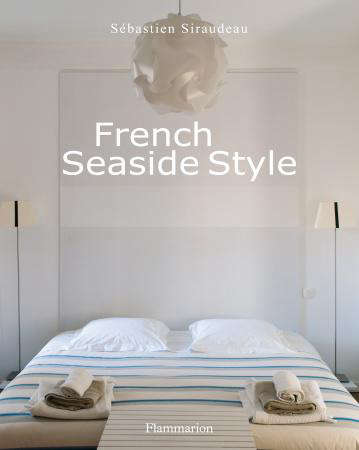

If coastal decor had a semester abroad, it would come back speaking French, wearing linen, and suddenly acting very confident around oysters. That, in essence, is the magic of French seaside style: a look that blends the relaxed soul of coastal living with the layered elegance of French interiors. It is breezy without being lazy, polished without looking fussy, and romantic without tipping into a full-blown postcard of sailboats and souvenir shells.
In a design world that often swings between two extremes, hyper-minimal rooms that feel like they are afraid of fingerprints and beach houses that look one anchor away from a costume party, French coastal decor lands in the sweet spot. It favors sun-washed colors, natural materials, antique character, and the kind of effortless restraint that suggests the homeowner has excellent taste and definitely knows which market sells the best peaches.
The appeal is easy to understand. French seaside interiors borrow the rustic grace of Provence, the airy ease of the Riviera, and the relaxed practicality of homes built for salt air, bright light, and open windows. The result is a home that feels collected rather than decorated. It whispers instead of shouts. And frankly, that whisper is much chicer.
What Is French Seaside Style, Exactly?
French seaside style sits at the intersection of French country decor and refined coastal design. Imagine the warmth of weathered wood, the softness of washed linen, the charm of vintage pieces, and the calm of ocean-inspired color, all edited with a lighter hand. This is not tropical coastal style with oversized palms and endless turquoise. It is not nautical decor with rope knots trying too hard in the corner. It is softer, quieter, and more architectural.
At its best, the style feels as though a centuries-old French house wandered toward the shore and decided to loosen its collar. You still get old-world details, curves, patina, shutters, stone, ceramics, iron, and antique-inspired furniture, but the palette brightens, the textures breathe more, and the mood becomes more relaxed. Rooms feel sunlit, airy, and lived in. Nothing looks too precious to use, which is a key part of the charm.
This is also why the look has staying power. French seaside interiors are not trend bait. They are rooted in materials that age well, colors that calm the eye, and furnishings that make sense for real life. A wicker chair, a limestone-toned wall, a striped cushion, a slipcovered sofa, a vintage mirror with a little history written into its surface, none of these feels disposable. Together, they build a room with memory.
The Signature Elements of French Seaside Style
1. A Sun-Faded, Salt-Washed Palette
The color story is where this look begins. Think chalky whites, warm ivory, sand, oat, driftwood brown, pale blue, sea-glass green, muted navy, faded terracotta, and the occasional buttery yellow. The best French seaside style palettes look as if they have been lightly edited by sun, wind, and time.
That means skipping sharp contrast unless you use it strategically. Bright white can work, but creamy whites usually feel more French. Blues should feel softened rather than electric. Green can lean olive, sage, or celadon. And if you want warmth, reach for clay, ocher, or weathered coral instead of anything neon or aggressively cheerful. This is coastal color after a glass of wine and a very flattering sunset.
2. Natural Materials That Actually Feel Natural
If your room looks beautiful but feels like sitting inside a gift shop, something has gone wrong. French coastal interiors work because the materials do a lot of the storytelling: linen drapery that moves with the breeze, cotton upholstery, jute or sisal rugs, woven baskets, rush seating, rattan accents, weathered wood, ceramic lamps, plaster walls, stone surfaces, and unlacquered metals that get better with age.
Texture matters more than quantity. A room does not need fifty decorative objects when one woven chair, one rumpled linen throw, and one old wooden side table can say everything more elegantly. In fact, restraint is part of the point. French seaside homes feel layered, but never overloaded.
3. Furniture with Curves, Character, and a Little History
Good French seaside furniture rarely looks boxy or brand new from top to bottom. Instead, it often includes curved silhouettes, turned legs, antique-inspired shapes, cane or rush details, and finishes with softness or wear. A Louis-style chair can absolutely live in a coastal room, but it should not feel like it was just recruited for a museum internship. Pair it with a slipcovered sofa, a rustic bench, or a painted chest that has seen a few summers.
The best rooms mix refinement and utility. A marble-topped table can sit beside a basket full of beach towels. A delicate sconce can hang over beadboard. A formal mirror can reflect a wonderfully imperfect ceramic vase. That tension between elegance and ease is what keeps the style interesting.
4. Stripes, But Make Them Sophisticated
No discussion of seaside design is complete without stripes, and French seaside style knows how to use them well. Breton-style lines, ticking stripes, and narrow pinstripes can all work beautifully, especially in blue, charcoal, flax, or faded red. The trick is proportion and placement.
Use stripes on cushions, curtains, table linens, or an upholstered ottoman, then let them echo quietly across the room. They should feel classic, not loud. Think Riviera cabana chic, not “this room is yelling BOAT at me.” If florals join the party, keep them airy and botanical rather than dense and formal.
5. A Collected Approach to Decorative Objects
French seaside rooms are not anti-accessory. They simply prefer accessories that seem discovered rather than ordered in a panic at 11:47 p.m. Vintage pottery, framed coastal sketches, old books, hand-thrown bowls, shell fragments in a simple dish, glass bottles, brass candlesticks, and market baskets all feel at home here.
The keyword is edited. A few good objects with texture, story, and shape will always outperform an army of tiny themed trinkets. If a decorative lobster is involved, it should be because you truly adore it, not because the room demanded a mascot.
How to Bring French Seaside Style Into Your Home
Start With the Envelope
Walls, floors, and windows set the mood before furniture even arrives. If you are chasing a French coastal look, begin with a soft neutral backdrop. Painted walls in warm white, pale stone, or muted blue create an instant sense of calm. Wood floors should feel natural and matte when possible, and rugs should add texture rather than compete for attention.
Window treatments matter, too. Linen curtains, relaxed Roman shades, or shutters all help create the airy architectural feeling the style loves. Light is a design material in this look, so treat it like one. Let it in. Bounce it around. Give it something lovely to land on.
Use Blue Like a Seasoning, Not the Whole Meal
One of the easiest mistakes in French coastal decor is overcommitting to blue. Yes, blue belongs here. But it works best when it arrives as an accent, on cushions, trim, painted furniture, striped textiles, ceramics, or tile, rather than turning the entire home into a blueberry. A room grounded in creams, linens, warm woods, and pale plaster will make every shade of coastal blue feel more intentional.
Mix Old and New Without Looking Confused
The room should not feel like a movie set frozen in the nineteenth century, nor should it feel like a modern condo that borrowed one antique mirror to seem interesting. The sweet spot is in the mix: an old chest with a contemporary lamp, a modern sofa with vintage side chairs, a classic bistro table beside clean-lined dining seating. Contrast creates depth.
This is also a smart way to control budget. You do not need to source a house full of antiques from southern France to get the mood right. One or two pieces with age, whether inherited, thrifted, or flea-market found, can give the rest of the room a believable center of gravity.
Bring the Outdoors In, Then Do the Reverse
French seaside style thrives on the dialogue between indoors and outdoors. That means branches in a ceramic pitcher, olive trees or citrus in pots, herbs on a windowsill, woven lanterns on a terrace, and doors or windows that visually connect rooms to sky, garden, or water when possible.
Even in a city apartment nowhere near the coast, you can create that connection with materials and atmosphere. Add clay planters, woven textures, fresh greenery, and a palette inspired by shorelines rather than resorts. The look is less about proximity to the ocean and more about a feeling of openness, air, and ease.
Room-by-Room Ideas for French Coastal Decor
Living Room
Begin with a comfortable sofa in white, oat, or flax linen. Add a wicker or rattan chair, a weathered wood coffee table, and a natural fiber rug. Introduce stripes through pillows or a throw, then layer in ceramic lamps, a vintage mirror, and one or two pieces of art that nod to landscape, sea, or travel without becoming literal. Keep the room airy enough that a breeze would feel welcome.
Kitchen
A French seaside kitchen should feel hardworking and handsome. Consider creamy cabinetry, aged brass hardware, open shelving, stone or stone-look counters, and simple stools with woven seats. Blue-and-white ceramics, a striped towel, a bowl of citrus, and a slightly imperfect vintage table can do a lot of heavy lifting here. Bonus points if the space looks like it can host both a quick espresso and a long lunch that accidentally becomes dinner.
Bedroom
This may be the easiest room for the style because bedrooms already benefit from softness. Layer white or oatmeal bedding with light quilts, striped pillows, a cane headboard or painted wood bed, and bedside lighting with texture, ceramic, woven, or aged metal all work well. The room should feel restful, a little romantic, and unfussy enough that a crumpled linen duvet is a feature, not a failure.
Bathroom
In the bath, French seaside style loves pale blues, beadboard or shiplap, vintage-inspired sconces, pedestal sinks, natural baskets, small patterned tile, and antique wood accents. The goal is not to create a fake beach hut. It is to make the room feel clean, calm, and quietly nostalgic, like the sort of place where even your hand soap seems to have excellent taste.
What to Avoid if You Want the Look to Feel Elevated
First, avoid over-theming. A room does not become more coastal because you added six more shells and an enthusiastic fish sculpture. Second, avoid making everything match. French interiors almost always feel better when they appear collected over time. Third, avoid newness overload. A little patina gives the style credibility.
Also, do not confuse simplicity with emptiness. French seaside rooms are edited, yes, but they are not sterile. They need softness, shadow, texture, and evidence of life. A stack of books, a woven basket by the door, a ceramic bowl on the counter, these details make the room human. Without them, the look can go from chic retreat to expensive waiting room remarkably fast.
Why French Seaside Style Feels So Relevant Right Now
Design trends come and go, but people rarely fall out of love with rooms that feel calm, layered, and believable. That is the power of French seaside style. It offers quiet luxury without the coldness, coastal charm without kitsch, and French elegance without performance. It invites you to slow down, open a window, and stop buying decorative objects that look like they arrived in a bulk shipment labeled “beach mood.”
More importantly, it translates well. You can apply it in a suburban house, a cottage, a beach condo, a historic home, or a small apartment that has never seen the Mediterranean and mostly overlooks a parking lot. With the right balance of texture, light, color, and old-meets-new pieces, the atmosphere still works. That is what makes it required reading. It is not just a style. It is a lesson in restraint, beauty, and living a little more lightly.
Experience: What French Seaside Style Feels Like in Real Life
Now for the part design magazines cannot fully bottle: the experience. Because French seaside style is not only about what a room looks like. It is about how the room behaves around you from morning to night. It changes the emotional temperature of a home.
Picture waking up in a bedroom with light slipping through linen curtains, not blazing in like an interrogation lamp, but arriving softly, filtered and flattering. The floor under your feet is wood or cool tile. The bedding is rumpled in that charming way that makes you look more put together than you feel. There is a chair in the corner with yesterday’s sweater thrown over it, and somehow that only improves the room.
Walk into the kitchen and the mood continues. A ceramic bowl is holding lemons. A striped towel hangs from the oven. Maybe the cabinet paint is a soft cream, maybe there is a blue glaze somewhere catching the light, maybe the table has a scratch or two from years of honest use. None of it feels staged. That is the secret. French coastal interiors give you beauty you can actually touch. You do not feel afraid to set down your coffee.
As the day unfolds, the style keeps working in quiet ways. A woven chair feels cool and breathable. A linen slipcover looks better the more naturally it falls. Shutters or soft drapery let the light shift without turning the room harsh. Even the imperfections become part of the pleasure: a nick in painted furniture, a brass fixture deepening in tone, a basket starting to soften at the edges. The room does not fight time. It collaborates with it.
That lived-in quality is what makes the style emotionally generous. It does not ask you to perform. It does not require your life to look pristine. Kids can run through it. Friends can drop by. Wet towels can exist. Bread crumbs can happen. The room still feels elegant because its elegance comes from proportion, texture, and atmosphere, not from rigid perfection.
By evening, French seaside style becomes even better. Lamps click on. The plastery wall color turns warmer. Stripes look richer. The old wood table suddenly seems a little more romantic. Dinner stretches longer than expected. Someone opens a door for air. Someone else pours another glass of wine. The room seems to understand the assignment: make ordinary life feel just a little cinematic.
That is why people respond to this look so strongly. It does not just sell a fantasy of the French coast. It offers a softer way to live at home. Less clutter, more texture. Less display, more use. Less trend-chasing, more permanence. It says that a house can be graceful without being stiff, and relaxed without feeling unfinished.
In the end, the experience of French seaside style is a little like the best vacations. You come away lighter, calmer, and slightly suspicious of anything overly shiny. You want open windows, real materials, good bread, and rooms that know how to exhale. If a decorating style can do all that, assigning it as required reading feels completely fair.
Conclusion
French seaside style succeeds because it understands a rare design truth: elegance is far more convincing when it looks easy. By blending French country warmth, Riviera restraint, natural textures, washed colors, and a collected mix of old and new, this look creates interiors that are inviting, refined, and deeply livable. It is a style for people who want their homes to feel airy but grounded, polished but not precious, and beautiful without shouting about it.
If you are craving a home that feels like a calm exhale, French coastal decor is worth borrowing from generously. Start with light, layer texture, add history, and keep your sea-inspired touches subtle. The result will not only look timeless on the page. It will feel timeless in real life.