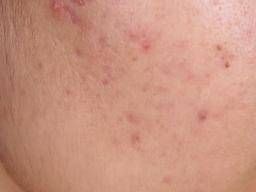

Acne has a sneaky talent for showing up at the worst possible time. First date? Hello, chin volcano. Job interview? Surprise forehead guest. Family photos? Your skin suddenly wants a starring role. But while acne can feel personal, it is actually one of the most common skin conditions in the United States, affecting teens, adults, and plenty of people who thought they left breakouts behind with their old yearbook haircut.
The good news: acne is treatable. The even better news: you do not need to wage war on your face with harsh scrubs, toothpaste, lemon juice, or whatever mysterious “miracle paste” the internet is currently shouting about. Clearer skin usually comes from understanding what causes acne, choosing the right acne treatment, and building a gentle routine you can actually stick with.
This guide explains what acne is, why it happens, how to treat different types of breakouts, and which everyday habits can help your skin calm down without turning your bathroom counter into a mini pharmacy.
What Is Acne?
Acne, also called acne vulgaris, is a skin condition that happens when pores become clogged with oil, dead skin cells, bacteria, and inflammation. These clogged pores can turn into blackheads, whiteheads, papules, pustules, nodules, or cysts. In plain English: acne is what happens when your pores get backed up like traffic on a Friday afternoon.
Acne most often appears on the face, chest, shoulders, and back because these areas have more oil-producing glands. Although many people associate acne with puberty, adult acne is also common. Some people experience breakouts into their 30s, 40s, and beyond, which feels deeply unfair but is medically very possible.
Common Types of Acne
Whiteheads
Whiteheads are closed clogged pores. They look like small flesh-colored or white bumps and usually form when oil and dead skin cells are trapped beneath the skin’s surface.
Blackheads
Blackheads are open clogged pores. The dark color is not dirt; it happens when the material inside the pore reacts with oxygen. So no, your face is not “dirty,” and scrubbing harder will not magically erase them.
Papules
Papules are small, red, inflamed bumps. They may feel tender and often appear when clogged pores become irritated.
Pustules
Pustules are inflamed pimples that contain pus. They are the classic “white-topped” blemishes many people are tempted to pop. Try not to. Your future skin texture will thank you.
Nodules and Cysts
Nodular and cystic acne are deeper, more painful forms of acne. These breakouts can last longer and are more likely to cause scarring. If you have painful lumps under the skin, it is wise to see a dermatologist instead of trying to handle them with random over-the-counter products.
What Causes Acne?
Acne usually develops from a mix of several factors rather than one single cause. That is why treating acne often requires a combination approach instead of one magic cream.
Excess Oil Production
Your sebaceous glands produce sebum, an oily substance that helps protect your skin. Sebum is not bad; in fact, your skin needs it. The problem starts when too much oil mixes with dead skin cells and blocks the pore. Hormonal changes can increase oil production, which is why acne often appears during puberty, menstrual cycles, pregnancy, or times of hormonal fluctuation.
Dead Skin Cell Buildup
Skin naturally sheds dead cells. But when those cells do not shed evenly, they can stick inside the pore and contribute to clogs. This is one reason ingredients like retinoids and salicylic acid can help: they support better cell turnover and help keep pores clearer.
Bacteria and Inflammation
Acne is also linked to bacteria that normally live on the skin. When pores become clogged, bacteria can multiply and trigger inflammation. This may lead to redness, swelling, tenderness, and pus-filled pimples.
Hormones
Androgens, a group of hormones present in all bodies, can stimulate oil glands. This is why acne may flare before a period, during pregnancy, after stopping or starting certain birth control methods, or in conditions such as polycystic ovary syndrome. Hormonal acne often appears along the jawline, chin, and lower cheeks.
Genetics
If your parents had acne, your odds of dealing with acne may be higher. Genetics can influence oil production, inflammation, pore behavior, and how likely your skin is to scar.
Stress
Stress does not directly “create” acne out of thin air, but it can make existing acne worse. When life gets chaotic, your skin may join the drama club. Stress can affect hormones, sleep, inflammation, and daily habits, all of which may influence breakouts.
Skin and Hair Products
Heavy creams, oily sunscreens, thick makeup, and greasy hair products can clog pores, especially around the forehead, temples, cheeks, and hairline. Look for labels such as “non-comedogenic,” “oil-free,” or “won’t clog pores.”
Friction and Sweat
Helmets, tight collars, face masks, backpacks, sports gear, and sweaty workout clothes can trap heat and friction against the skin. This can trigger breakouts on the face, shoulders, chest, and back.
Acne Myths That Need to Retire
Myth: Acne Means Your Skin Is Dirty
Acne is not caused by poor hygiene. Washing your face too often or scrubbing aggressively can irritate your skin and make breakouts look worse. Gentle cleansing once or twice daily is usually enough.
Myth: Greasy Food Always Causes Acne
French fries are not innocent in every health conversation, but they are not the universal acne villain. Diet affects people differently. Some research suggests high-glycemic foods and dairy may worsen acne for some people, but acne triggers are individual.
Myth: The Sun Clears Acne Safely
A little sun may temporarily dry skin, but sun exposure can cause irritation, dark spots, premature aging, and skin cancer risk. Some acne medications also make skin more sun-sensitive. Use a non-comedogenic sunscreen instead of using the sun as a treatment plan.
Myth: Popping Pimples Makes Them Heal Faster
Popping can push inflammation deeper, increase infection risk, and lead to scarring or post-inflammatory hyperpigmentation. It may feel satisfying for three seconds, then regret enters the room.
Best Over-the-Counter Acne Treatments
For mild to moderate acne, over-the-counter acne products can be a good starting point. The key is choosing the right active ingredient and giving it enough time to work.
Benzoyl Peroxide
Benzoyl peroxide helps reduce acne-causing bacteria and inflammation. It can be useful for red pimples and pustules. It comes in cleansers, gels, creams, and spot treatments. Start with a lower strength if your skin is sensitive, because dryness and irritation are common at first. Also, benzoyl peroxide can bleach towels, pillowcases, and shirts, so use white fabrics unless you enjoy accidental tie-dye.
Salicylic Acid
Salicylic acid is a beta hydroxy acid that helps exfoliate inside the pore. It is often helpful for blackheads, whiteheads, and oily skin. It may appear in cleansers, toners, pads, and leave-on treatments. Avoid using too many exfoliating products at once, or your skin barrier may file a complaint.
Adapalene
Adapalene is an over-the-counter topical retinoid in the United States. Retinoids help prevent clogged pores and support healthy skin cell turnover. They are often used for comedonal acne, inflammatory acne, and maintenance after breakouts improve. Apply a pea-sized amount to the entire acne-prone area at night, not just on individual pimples.
Azelaic Acid
Azelaic acid can help with acne, redness, and post-acne dark marks. It may be especially useful for people prone to hyperpigmentation. Some products are available over the counter, while stronger versions may require a prescription.
Prescription Acne Treatments
If acne is painful, widespread, leaving scars, or not improving after several months of consistent over-the-counter treatment, a dermatologist can help. Prescription acne treatment is not “giving up.” It is simply using the correct tool instead of trying to fix a leaky roof with a spoon.
Topical Retinoids
Prescription retinoids such as tretinoin, tazarotene, or trifarotene may be recommended for clogged pores, inflammatory acne, and long-term acne control. They can cause dryness, peeling, and irritation at first, so dermatologists often suggest starting slowly.
Topical Antibiotics
Topical antibiotics, such as clindamycin, may reduce acne-related bacteria and inflammation. They are often combined with benzoyl peroxide to lower the risk of antibiotic resistance.
Oral Antibiotics
For moderate to severe inflammatory acne, a healthcare professional may prescribe oral antibiotics such as doxycycline, minocycline, or sarecycline. These are usually used for limited periods and paired with topical treatments.
Hormonal Treatments
For some people, especially those with acne linked to menstrual cycles or hormone changes, combined oral contraceptives or spironolactone may help. These medications are not right for everyone, so they should be discussed with a qualified healthcare provider.
Isotretinoin
Isotretinoin is a powerful oral medication used for severe acne, scarring acne, or acne that has not responded to other treatments. It can be highly effective but requires careful medical supervision because of potential side effects and strict pregnancy-prevention requirements.
A Simple Acne Skin Care Routine
Morning Routine
Start with a gentle cleanser. Avoid rough scrubs, cleansing brushes, or anything that makes your face feel squeaky-clean in a scary way. Next, apply your acne treatment if it is meant for morning use. Follow with a lightweight, non-comedogenic moisturizer. Finish with broad-spectrum sunscreen, especially if you use retinoids, acids, or other ingredients that can increase sun sensitivity.
Evening Routine
At night, cleanse again to remove sunscreen, makeup, sweat, and oil. Apply your treatment, such as adapalene or another retinoid, as directed. Add moisturizer afterward, or use the “moisturizer sandwich” method: moisturizer first, treatment second, moisturizer again. This can reduce irritation while your skin adjusts.
Weekly Habits
Change pillowcases regularly, clean makeup brushes, wash hats or helmet liners, and shower after sweaty workouts. These habits will not cure acne overnight, but they reduce pore-clogging buildup and irritation.
Tips for Preventing Acne Flare-Ups
- Wash your face gently once or twice daily and after heavy sweating.
- Use non-comedogenic makeup, sunscreen, and moisturizer.
- Avoid picking, squeezing, or popping pimples.
- Keep hair products away from acne-prone areas.
- Give acne treatments at least 8 to 12 weeks before judging results.
- Introduce one new product at a time so you know what helps or irritates.
- Use sunscreen daily to help prevent post-acne dark spots from getting darker.
What About Diet and Acne?
Diet is not the same acne trigger for everyone. Some people notice breakouts after high-glycemic foods such as sugary snacks, white bread, and sweet drinks. Others suspect dairy, especially skim milk. If you think food affects your acne, keep a simple skin-and-food journal for a few weeks. Look for patterns instead of blaming every cookie like it committed a felony.
A balanced diet that includes vegetables, fruit, lean protein, whole grains, and healthy fats supports overall skin health. But do not fall for extreme “acne detox” diets. Your liver and kidneys already handle detoxing, and they do not need a dramatic influencer smoothie to do their jobs.
When to See a Dermatologist
Consider seeing a dermatologist if your acne is painful, cystic, spreading, leaving scars, causing dark marks, or affecting your confidence. You should also seek help if over-the-counter products have not improved your skin after about three months of consistent use.
Acne can affect emotional health, too. Feeling frustrated, embarrassed, or anxious about breakouts is common. If acne is changing how you socialize, date, work, or see yourself, that matters. Treating acne is not vanity; it is healthcare.
Experience-Based Acne Tips That Actually Help in Real Life
One of the biggest lessons people learn from dealing with acne is that impatience can become the enemy. When a new product does not work in three days, it is tempting to add another cleanser, a stronger serum, a clay mask, a drying lotion, and maybe a suspicious home remedy from a comment section. Suddenly, the original acne is joined by redness, burning, flakes, and a damaged skin barrier. Now the skin is not just breaking out; it is filing an emotional support request.
A practical acne experience usually starts with simplifying. Many people see better progress when they stop chasing every trend and build a routine around three basics: gentle cleanser, acne treatment, and moisturizer with sunscreen in the morning. That may sound boring, but skin often loves boring. Boring is predictable. Boring does not attack your cheeks with five exfoliating acids before breakfast.
Another real-world tip is to take photos every two weeks instead of inspecting your face every hour. Acne improves slowly, and daily mirror-checking can make progress invisible. Lighting also lies. Bathroom lighting can turn one tiny bump into a full documentary. Photos taken in the same place, with the same lighting, can help you judge whether a treatment is truly working.
People with acne-prone skin often discover that “oil-free” does not always mean “good,” and “natural” does not always mean “safe.” Coconut oil, for example, may be natural, but it can clog pores for many people. Essential oils may smell like a spa vacation, but they can irritate sensitive skin. A product does not need a botanical personality to be helpful; it needs to be compatible with your skin.
Consistency also matters more than intensity. A pea-sized amount of retinoid used two or three nights a week at first may beat a thick layer used nightly until your face peels like old wallpaper. The same goes for benzoyl peroxide. More product does not always mean faster results. Often, it just means more dryness.
Another common experience: acne on the forehead may improve when hair products change. Pomades, heavy conditioners, oils, and leave-in styling creams can migrate onto the skin. If breakouts cluster near the hairline, try keeping hair off your face, rinsing conditioner thoroughly, and choosing lighter products.
For body acne, especially on the back and chest, timing can make a difference. Showering after workouts, changing out of sweaty clothes, and using a benzoyl peroxide wash a few times weekly may help. Let the wash sit briefly before rinsing, and remember that benzoyl peroxide can bleach fabric. White towels are your safest roommates.
Finally, the emotional side deserves respect. Acne can make people cancel plans, avoid photos, or feel like everyone is staring. Most people are not examining your pores as closely as you are, but that does not make the frustration fake. The best acne plan is not only about clearing skin; it is about reducing stress, protecting confidence, and getting support when breakouts feel overwhelming.
Conclusion
Acne is common, treatable, and absolutely not a sign that you are doing life wrong. It develops when oil, dead skin cells, bacteria, and inflammation clog pores, often with help from hormones, genetics, stress, friction, or pore-clogging products. The most effective acne treatment usually combines gentle skin care with proven ingredients such as benzoyl peroxide, salicylic acid, adapalene, azelaic acid, or prescription medications when needed.
The secret is not to punish your skin into behaving. Treat it consistently, protect your skin barrier, avoid picking, and give products enough time to work. If acne is painful, scarring, or hurting your confidence, a dermatologist can create a plan that fits your skin instead of forcing your skin to survive another random experiment.
Note: This article is for general educational purposes and does not replace professional medical advice. Anyone with severe, painful, scarring, sudden, or treatment-resistant acne should consult a licensed healthcare professional or board-certified dermatologist.