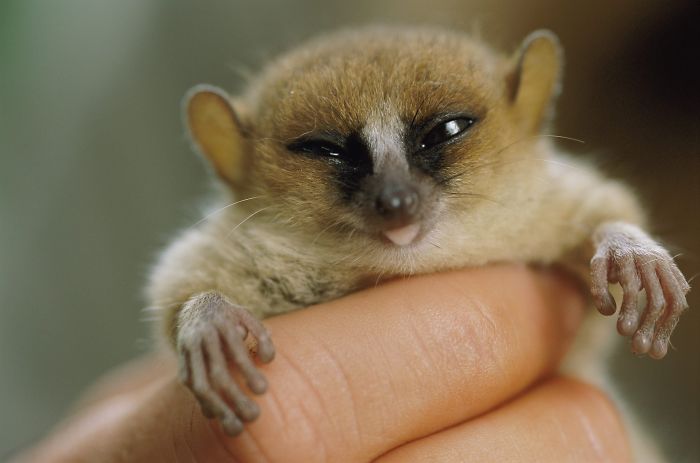

Lemurs already look like they were designed by someone who said, “What if a cat, a teddy bear, and a Pixar sidekick had a baby?” Now shrink that idea down to something that could (ethically!) fit in a teacup photo op, and you’ve entered the delightful world of tiny lemur speciesespecially the itty-bitty crew known as mouse lemurs, dwarf lemurs, and fork-marked lemurs.
This list is my personal “top 10” of the smallest, cutest, most “how is that real?” lemurs you’ll ever read about. We’ll keep it fun, but we’ll also keep it real: most of these animals are nocturnal, hard to spot in the wild, and many are threatened by habitat loss. So yes, we can squeal over the cutenesswhile also being the kind of person who doesn’t treat wildlife like collectibles.
What Counts As “Tiny” (And Why Madagascar Makes Mini Marvels)
For this roundup, “tiny” generally means lemurs that stay under about 2 pounds (and many are way under). Most of the true micro-cuties live in the family Cheirogaleidaethe small-bodied lemurs that include mouse lemurs (Microcebus), dwarf lemurs (Cheirogaleus), and fork-marked lemurs (Phaner). They’re mostly nocturnal, which is nature’s way of saying, “We made them adorable, but good luck seeing them.”
Madagascar is a biological island buffet: isolated habitats, lots of micro-environments, and a long timeline for species to split into new forms. In the mouse lemur world, that’s especially wildmany species look similar (because night life doesn’t reward flashy outfits), yet genetically they’re distinct. Translation: there are more kinds of tiny lemurs than your eyes alone would ever guess.
Tiny Lemur Cheat Sheet
| # | Common Name | Scientific Name | Signature “Aww” Feature |
|---|---|---|---|
| 1 | Madame Berthe’s Mouse Lemur | Microcebus berthae | World-class mini status |
| 2 | Gray Mouse Lemur | Microcebus murinus | Big-eyed, speedy night sprite |
| 3 | Rufous (Brown) Mouse Lemur | Microcebus rufus | Warm, cinnamon-brown “forest latte” coat |
| 4 | Golden-brown Mouse Lemur | Microcebus ravelobensis | Golden tones + social sleeping surprises |
| 5 | Goodman’s Mouse Lemur | Microcebus lehilahytsara | Andasibe-area mystery cutie |
| 6 | Fat-tailed Dwarf Lemur | Cheirogaleus medius | Tail fat “power bank” + hibernation |
| 7 | Crossley’s (Furry-eared) Dwarf Lemur | Cheirogaleus crossleyi | Fuzzy ears that look like built-in earmuffs |
| 8 | Hairy-eared Dwarf Lemur | Allocebus trichotis | Ear tufts + “rare gem” vibes |
| 9 | Masoala Fork-marked Lemur | Phaner furcifer | Forked head stripes + gum-loving lifestyle |
| 10 | Northern Sportive Lemur | Lepilemur septentrionalis | Small, quiet leaf-eater with big conservation stakes |
The Top 10 Tiny And Adorable Lemur Species
1) Madame Berthe’s Mouse Lemur (Microcebus berthae)
If tiny lemurs had an awards show, Madame Berthe’s mouse lemur would walk the red carpet in dollhouse couture. It’s famously among the smallest primates, with a body length that can be under the length of a standard smartphone (which is an unfair comparison, but we’re doing it anyway).
- Why it’s adorable: Those oversized eyes, plus the “I am clearly too small to pay taxes” face.
- What it does: Nocturnal foragingoften insects, fruit, and whatever a tiny forest acrobat can snag.
- Where it lives: Western Madagascar’s dry forests (and yes, habitat fragmentation is a big deal here).
- Fun fact energy: It’s basically proof that evolution can do “miniature” without losing any personality.
2) Gray Mouse Lemur (Microcebus murinus)
The gray mouse lemur is the classic “mouse lemur look”: compact body, huge eyes, and the ability to vanish into foliage like a living thumb-sized magic trick. It’s also one of the best-studied mouse lemur species, which matters because science can’t protect what it doesn’t understand.
- Why it’s adorable: Looks like it’s wearing tiny eyeliner and auditioning for a midnight heist movie.
- Behavior: Nocturnal forager; females may share daytime sleeping sites, which is basically “girls’ night” but in a tree hole.
- Diet: Often insects, plus fruit and plant goodies when available.
- Cool science angle: Has been used in non-invasive research on aging and neurological disease models.
3) Rufous (Brown) Mouse Lemur (Microcebus rufus)
Rufous mouse lemurs come with warm, reddish-brown coats that make them look like living cinnamon rolls that learned parkour. They’re typically found in forest habitats and are another of the more researched mouse lemurshelpful when you’re trying to build conservation strategies that aren’t just “please stop cutting trees” (even though… yes, also please stop cutting trees).
- Why it’s adorable: Soft pelage, delicate face stripe, and a perpetually curious expression.
- Size vibe: Tiny enough that “pocket-sized” feels emotionally accurate (but again: not a pocket pet).
- Lifestyle: Mostly nocturnal; spends life in the branches, avoiding ground-level drama.
4) Golden-brown Mouse Lemur (Microcebus ravelobensis)
The golden-brown mouse lemur looks like it’s been lightly toasted by the sungolden hues up top with a paler underside. What makes this one especially fun is that mouse lemurs can be socially surprising: some species show interesting sleeping group patterns, which may help with warmth and safety. (Yes, even tiny lemurs appreciate roommates when the forest gets chilly.)
- Why it’s adorable: Gold-toned coat + eyes that look like they’ve seen secrets.
- Behavior: Nocturnal, arboreal; social structure can vary by location and season.
- Why it matters: Mouse lemur diversity is bigger than it lookscryptic species can hide in plain sight.
5) Goodman’s Mouse Lemur (Microcebus lehilahytsara)
Goodman’s mouse lemur is one of those species that reminds you how recent some discoveries are: mouse lemur taxonomy has been revised heavily as genetic methods improved. In other words, science didn’t suddenly “create” more mouse lemurshumans finally got better at noticing what was already there.
- Why it’s adorable: Classic mouse lemur proportionstiny face, huge eyes, delicate hands.
- Range: Associated with eastern Madagascar regions, including areas around Andasibe.
- Conservation note: Forest fragmentation in eastern Madagascar affects many small nocturnal lemurs.
6) Fat-tailed Dwarf Lemur (Cheirogaleus medius)
This is the lemur that answers the question: “What if a teddy bear could hibernate like a pro?” The fat-tailed dwarf lemur is famous for storing fat in its taillike a living rechargeable batteryand entering extended hibernation/torpor to survive Madagascar’s seasonal food shortages.
- Why it’s adorable: Round face, plush fur, and a tail that can look like it’s wearing a puffy jacket.
- Signature adaptation: Extended hibernation with dramatic metabolic slowdown (nature said: power-saving mode).
- Diet: Fruit and nectar often feature prominently; also insects and other small foods.
7) Crossley’s (Furry-eared) Dwarf Lemur (Cheirogaleus crossleyi)
Crossley’s dwarf lemur (often nicknamed “furry-eared”) takes the dwarf lemur formula and adds extra ear fuzzlike it’s permanently prepared for winter even when it’s not winter. Dwarf lemurs as a group are understudied compared to the more famous lemurs, and taxonomy has changed as researchers learned more.
- Why it’s adorable: The ears. The ears. Also the ears.
- Night life: Nocturnal, tree-dwelling, and typically hard to spot without a respectful night walk.
- Best trivia: The genus Cheirogaleus has more species than scientists once recognized.
8) Hairy-eared Dwarf Lemur (Allocebus trichotis)
This one feels like a myth until you realize it’s very realand very rare. The hairy-eared dwarf lemur is the only living species in its genus, which is nerd-speak for “evolutionary one-of-a-kind.” It even has distinctive ear tufts and specialized traits that make biologists lean in closer.
- Why it’s adorable: Ear tufts that look like tiny sideburns, plus that shy nocturnal demeanor.
- Rarity factor: Historically scarce and difficult to study; rediscoveries and sightings have been a big deal.
- What it teaches us: How much biodiversity can exist in narrow rangesand how quickly it can disappear.
9) Masoala Fork-marked Lemur (Phaner furcifer)
Fork-marked lemurs look like they’ve got a dark stripe that “forks” on the headhence the nameand they specialize in feeding on tree gum. Yes, gum. Tree gum. Not bubblegum (though that would be hilarious and also a terrible idea).
- Why it’s adorable: Big eyes + face markings that resemble a tiny superhero mask.
- Diet specialty: Gummivoryefficient gum collection from trees, supplemented with insects.
- Personality: Nocturnal and vocal, especially when threatened.
10) Northern Sportive Lemur (Lepilemur septentrionalis)
Sportive lemurs are generally small-ish compared to many other primates, but the northern sportive lemur stands out as one of the smaller members of its group. It’s a leaf-eater with a quiet lifestyleresting by day, moving by nightand it’s also a powerful reminder that “tiny and adorable” doesn’t mean “safe.” Some sportive lemurs face intense habitat pressure and extremely limited ranges.
- Why it’s adorable: Gentle face, compact body, and a calm vibe that says, “I’m just here for the leaves.”
- Diet: Largely folivorous (leaf-based), which is like choosing salad as a life philosophy.
- Conservation stakes: Small ranges + forest loss can be an extinction-speed combo.
How To Enjoy Tiny Lemurs Without Being “That Person”
See them ethically
- In Madagascar: Choose reputable guides and protected areas, especially for nocturnal walks. Use red-filtered lights when required, keep distance, and never encourage handling or baiting.
- In the U.S.: Look for accredited zoos and conservation-focused lemur centers that emphasize education, research, and welfare. Some facilities offer behind-the-scenes programs or virtual content that can be surprisingly immersive.
Skip the pet fantasy
If you ever find yourself thinking, “I want one,” gently replace that thought with, “I want them to have intact forests, stable populations, and zero reason to be trafficked.” Tiny lemurs are not pets; they’re specialized wild primates with complex needs and conservation challenges.
Conservation Reality Check (The Not-So-Cute Part We Still Have To Talk About)
Lemurs are often described as among the most threatened groups of mammals on Earth. The reasons are painfully consistent: habitat loss from logging and agriculture, fragmentation that isolates small populations, and hunting or capture in some areas. Small nocturnal species can be especially vulnerable because they’re easier to overlookuntil their numbers quietly crash.
The good news: you can help without moving to Madagascar and becoming a full-time forest guardian (unless you want tothen please also bring bug spray). Support reputable conservation groups, prioritize ecotourism that funds local communities and protected areas, and share accurate information. The goal is simple: keep tiny lemurs in trees, not in tragic headlines.
Final Thoughts: Small Bodies, Big Stakes, Maximum Cuteness
Tiny lemur species are a masterclass in evolutionary creativity: hibernating primates with tail “energy storage,” gum-specialists with bold face markings, and mouse-sized acrobats that helped scientists realize how many cryptic species can exist in one island’s forests. If this list did one thing, I hope it made you smileand also made you care.
Experiences: What It’s Like To “Meet” Tiny Lemurs (Without Pretending You Own the Night)
Let’s be honest: most people don’t experience tiny lemurs the way they experience, say, a giraffe. Giraffes are like, “Hello, I am a skyscraper and you may take my photo from three zip codes away.” Tiny lemurs are the opposite. They’re the stealth mode of cute. And the experience of searching for themwhether in a carefully managed nocturnal exhibit, a virtual tour, or a guided night walk in Madagascaris part of the magic.
Imagine stepping into a dim, red-lit nocturnal house. Your eyes take a moment to adjust. At first, you see nothing but branches and leaves and the occasional shadow that might be a leaf… or might be a tiny primate plotting a snack run. Then it happens: two reflective dots blink back at you. Eyes. Big ones. The kind that make you whisper, “Oh my gosh,” even if you’re a grown adult who pays bills and is allegedly in charge of your own life.
The funniest part is how your brain recalibrates. You start scanning like you’re decoding a secret message. You notice tiny clawed hands gripping bark. You notice the delicate way a mouse lemur hopsnot like a squirrel’s bold leap, but like a careful, springy bounce that says, “I have places to be, but I’m not trying to become owl food.” And if you’re watching a fat-tailed dwarf lemur, the vibe is different: less frantic night ninja, more plush toy that occasionally remembers it’s a primate and should probably move.
If your “experience” is virtualsay, an educational tour from a conservation-focused centeryou get a different kind of awe. You can see details you’d miss in person: the fine fur texture, the tiny tongue flicks, the way a lemur uses its hands like a careful little mechanic working on a piece of fruit. It turns into a choose-your-own-adventure of curiosity. You pause, rewind, and suddenly you’re learning about torpor, seasonal diets, or why some species are hard to distinguish without genetics. (Yes, you can come for the cuteness and leave with a vocabulary word. That’s called personal growth.)
And if you ever do a guided night walk in Madagascar, the best experiences tend to be the ones built on respect: lights kept low, voices kept softer, and a guide who treats the forest like a living library, not a theme park. You learn to watch without chasing, to appreciate without touching, and to leave the scene exactly as you found it. Spotting a tiny lemur becomes less like “I saw a thing” and more like “I was briefly allowed to witness a private moment in someone else’s world.” That’s the kind of wildlife experience that sticks with youin the best way.
So yeah, tiny lemurs are adorable. But the real joy is realizing you don’t need to possess the cute thing to love the cute thing. You just need patience, good information, and a willingness to let wild animals stay wonderfully, stubbornly wild.