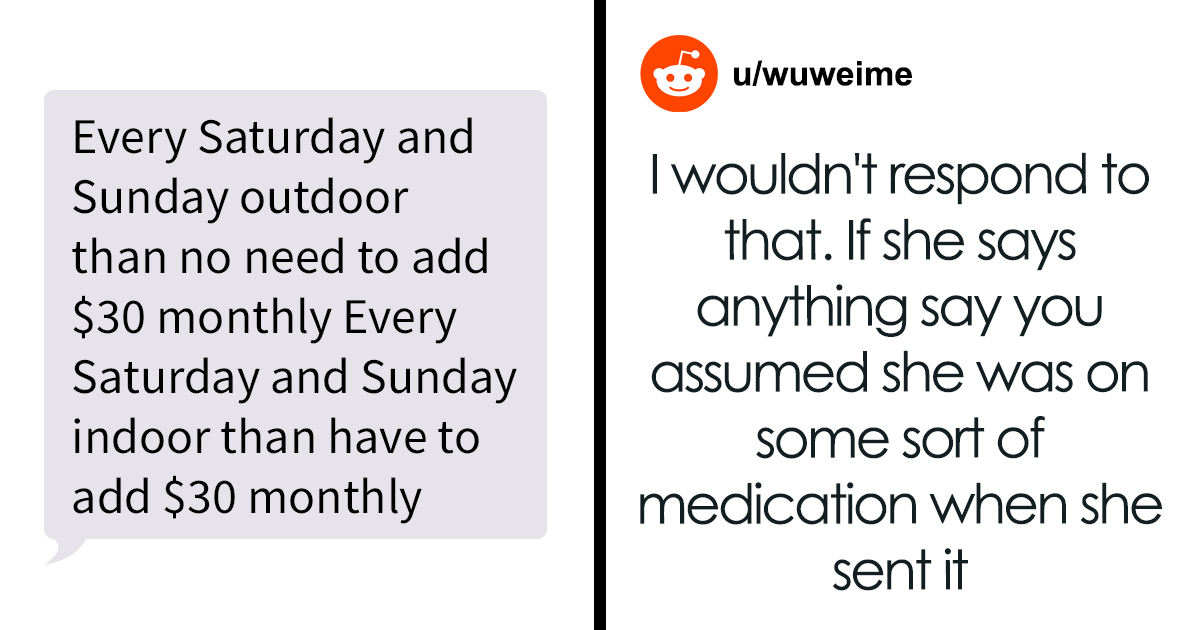

Some landlord stories sound like they were written by a sitcom writer who had too much coffee and not enough respect for lease agreements. One tenant rents a room, pays the agreed rent, tries to live peacefully, and thensurprise!the landlord decides that staying home on weekends should cost an extra $30 a month. Apparently, existing indoors on Saturday now counts as a premium lifestyle upgrade.
The story went viral because it touches a nerve every renter understands: the feeling that a home you pay for can suddenly become a place where someone else keeps moving the goalposts. The landlord reportedly inspected the tenant’s room repeatedly, asked intrusive questions, and eventually demanded an added monthly fee because the tenant spent weekends at home. The tenant refused, and the landlord’s behavior became even more annoying.
Beyond the absurdity, this situation raises serious questions about tenant rights, landlord boundaries, lease agreements, privacy, surprise fees, and what renters can do when a landlord behaves like a subscription service with a doorbell.
Why This $30 Weekend Fee Feels So Outrageous
At first glance, $30 may not sound like a life-changing amount. It is less than a family pizza night, less than many phone bills, and barely enough to survive one enthusiastic trip to a coffee shop. But the issue is not only the money. The issue is the principle.
When a tenant signs a lease or rental agreement, the rent is supposed to reflect the right to use the space as a home. A home is not a hotel room where you pay extra for breathing between Friday night and Monday morning. If the lease does not say, “Tenant must vanish every weekend like a magician with a backpack,” the landlord generally should not invent a weekend occupancy charge after the tenant has already moved in.
The demand also sends a strange message: the tenant is welcome to pay rent, but not to actually live there too much. That is like selling someone a sandwich and charging extra because they took bites from both sides.
The Core Issue: Rent Means Use of the Home
In normal rental logic, rent covers possession and reasonable use of the rental space. That includes sleeping, studying, cooking when allowed, relaxing, watching movies, doom-scrolling, and being dramatically unproductive on a rainy Sunday. Unless a lease contains a lawful and clearly written utility arrangement, a landlord cannot simply wake up one morning and decide weekend presence is now a billable feature.
Many U.S. renter-rights resources discuss the concept of “quiet enjoyment.” In simple terms, this means a tenant should be able to use the rented home without unreasonable interference. The phrase sounds fancy, almost like something printed on a spa brochure, but it is a major idea in landlord-tenant law. It protects the tenant’s ability to live in the space peacefully, without unnecessary intrusion, harassment, or intimidation.
Quiet enjoyment does not mean the landlord must provide actual silence. If your upstairs neighbor owns tap shoes and poor judgment, that is another problem. But it does mean the landlord should not interfere with your normal use of the property without a valid reason.
When Landlord Behavior Crosses the Line
Landlords have responsibilities. They maintain the property, collect rent, handle repairs, and follow the law. Tenants also have responsibilities. They pay rent, avoid damaging the property, respect reasonable house rules, and do not turn the living room into a raccoon sanctuary.
The problem begins when a landlord uses their position to pressure, monitor, intimidate, or nickel-and-dime a tenant beyond the agreement. In this story, the tenant reportedly faced frequent room inspections and questions about personal habits. That kind of behavior can make a renter feel watched rather than housed.
Examples of troubling landlord conduct may include:
- Entering or inspecting a rented room too often without a valid reason
- Demanding extra money not listed in the lease
- Pressuring a tenant to change their normal lifestyle
- Retaliating when a tenant refuses an improper request
- Using repeated messages, visits, or threats to make the tenant uncomfortable
Not every annoying act is legally actionable, and laws vary widely by location. But repeated interference can become more than a personality clash. It can become a housing problem.
Surprise Rental Fees Are a Growing Concern
The $30 weekend charge fits into a broader renter frustration: surprise fees. Across the rental market, tenants have complained about charges for applications, processing, pest control, package handling, utilities, “administration,” online payments, and other costs that appear after the advertised rent catches the renter’s attention.
Some fees are legitimate when clearly disclosed and allowed by law. For example, a lease may explain utility sharing, parking charges, pet rent, or late fees. The issue is transparency. Renters should know the real monthly cost before signing, not after they have carried a mattress up three flights of stairs and discovered the building elevator has “emotional availability issues.”
A surprise fee for staying home on weekends is especially odd because staying home is not an add-on service. It is the entire point of renting a home. If a landlord wants to charge separately for excessive utility use, the lease should explain how utilities are measured, divided, and billed. Even then, the method should be reasonable, consistent, and compliant with local rules.
Privacy Matters, Even in a Rented Room
Renting a room can be different from renting a whole apartment, especially when the landlord lives in the same house. Shared kitchens, bathrooms, and common areas can create more interaction. But “shared housing” should not mean “shared control over the tenant’s every move.”
In many U.S. jurisdictions, landlords generally need proper notice before entering a tenant’s private rental area, unless there is an emergency or another legally recognized reason. Rules vary, but the underlying expectation is simple: a tenant’s space is not a museum exhibit titled “Person Trying to Survive Finals Week.”
Frequent inspections can feel invasive, especially if they happen without clear necessity. A landlord may need to inspect for repairs, safety concerns, lease violations, or emergencies. But inspecting because a tenant bought groceries, stayed in on Sunday, or dared to own a phone charger is not exactly a five-alarm housing emergency.
Why Tenants Sometimes Give In
One of the saddest parts of stories like this is that tenants often know something is wrong but feel trapped. Moving is expensive. Legal advice can cost money. Room rentals may be hard to find near school, work, or public transportation. Some tenants are young, new to the city, or unsure how the system works.
That imbalance gives bad landlords room to push. They may assume a tenant will pay a small fee just to avoid stress. And sometimes they are right. A $30 charge might be cheaper than moving, arguing, or taking time off work to seek help. That is exactly why small unfair fees matter. A tiny monthly charge can become a big power play.
Renters should not feel embarrassed for being stressed by “only $30.” The amount is small; the message is not. The message is: “I can change the deal after you move in.” That is a much bigger problem.
What a Tenant Can Do When a Landlord Demands Extra Money
This article is not legal advice, and tenant laws depend on where the rental is located. Still, renters facing a similar situation can take practical steps before the problem grows teeth.
1. Read the Lease Carefully
The lease is the first place to look. Does it mention utility charges? Does it allow the landlord to adjust rent during the lease term? Does it restrict overnight guests, business use, smoking, pets, or utility-heavy appliances? Does it say anything about weekend occupancy? If the fee is not in the agreement, the tenant may have a strong reason to question it.
2. Ask for the Demand in Writing
A tenant should avoid turning every conversation into a courtroom drama, but written records matter. If a landlord demands extra money, the renter can politely ask for the request in writing, including the reason, the lease clause, and how the amount was calculated.
This does two things. First, it creates a paper trail. Second, it may cause the landlord to reconsider. Some demands sound bold in a hallway but look ridiculous in an email.
3. Respond Calmly and Specifically
A good response might say, “I reviewed the lease and do not see a term requiring an additional fee for staying in the room on weekends. I will continue paying the agreed monthly rent.” Simple, clear, and far more effective than sending seventeen angry emojis and a raccoon GIF.
4. Document Every Incident
Tenants should keep notes about dates, times, messages, inspections, entry attempts, fee demands, and any threats. Screenshots, emails, receipts, and written summaries can help if the dispute later goes to a housing authority, mediator, attorney, or court.
5. Contact Local Tenant Resources
In the United States, renters can often contact local legal aid organizations, tenant unions, housing agencies, fair housing centers, or city landlord-tenant offices. Some areas offer free or low-cost advice. Universities may also have student legal services, which can be especially useful for student renters.
Could This Be Considered Harassment?
The word “harassment” gets used casually online, but in housing disputes it can have specific legal meaning depending on the location. A single rude comment may not qualify. Repeated unwanted inspections, pressure to pay unlawful fees, threats, lockout attempts, utility shutoffs, or efforts to force a tenant out may be treated much more seriously.
Some cities have tenant anti-harassment rules that prohibit landlords from interfering with a tenant’s lawful use of the home. Other places address similar behavior through privacy rules, retaliation laws, habitability standards, lease law, or court claims. The label may change, but the pattern matters.
In this story, the repeated annoyance after refusal is important. If the landlord’s behavior intensified because the tenant would not pay the extra fee, that begins to look less like ordinary miscommunication and more like pressure.
Landlords Can Protect Themselves TooBy Being Clear
Good landlords should also pay attention to this story because it is a perfect example of what not to do. If utility costs are a concern, address them before the lease is signed. If the rent includes reasonable utilities, say so. If tenants must split utilities, explain the formula. If heavy appliance use is restricted, write it clearly and lawfully.
Most tenant disputes do not begin with evil villains in capes. They begin with unclear expectations, poor communication, and one person deciding the lease is more of a mood board than a contract. Clear terms protect everyone.
A landlord who wants predictable costs should not invent surprise fees. They should draft better agreements, follow local laws, and communicate professionally. “Please pay extra because you were home this weekend” is not a management strategy. It is a landlord speedrun to becoming the main character on the internet.
The Bigger Lesson: A Rental Is Not a Favor
Some landlords behave as if tenants are guests. They are not. Tenants are paying customers with legal rights and contractual expectations. A tenant does not owe gratitude for being allowed to occupy a space they already pay for. Rent is not a donation. It is an exchange.
That does not mean tenants can do anything they want. They must follow the lease, respect the property, and avoid unreasonable behavior. But staying home on weekends is about as normal as putting cereal in a bowl. If that becomes controversial, the problem is not the tenant’s lifestyle. It is the landlord’s understanding of what renting means.
Experience Section: What Renters Can Learn From This Weekend Fee Drama
Anyone who has rented long enough has probably met at least one landlord, property manager, or roommate-landlord hybrid who treats ordinary life like a billable offense. Maybe they complained because you cooked too often. Maybe they frowned at your laundry schedule. Maybe they acted personally wounded because you used the living room chair for its ancient intended purpose: sitting.
The experience behind this story feels familiar because housing is deeply personal. A home is where people rest, study, recover, work remotely, call family, and quietly wonder why fitted sheets were designed by someone with a grudge. When a landlord keeps interrupting that peace, the tenant does not just lose convenience. They lose the feeling of safety.
One practical lesson is to save every rental document from day one. Keep the lease, payment receipts, move-in photos, texts, emails, and any house rules. If the landlord later claims there was a “verbal understanding” about weekend fees, utility limits, or mysterious lifestyle taxes, written records become the adult in the room.
Another lesson is to communicate like a calm professional, even when the situation is ridiculous enough to deserve a marching band. Tenants often hurt themselves by responding emotionally. A better approach is short and factual: “I do not agree to this additional charge because it is not included in our rental agreement.” That sentence is not flashy, but it is useful.
Renters should also recognize pressure tactics early. A landlord may start with a small fee, then add more conditions once the tenant gives in. Today it is $30 for weekends. Tomorrow it is $10 for “excessive hallway appreciation” or $5 because your socks looked too comfortable. Boundaries matter because small concessions can become a pattern.
At the same time, renters should think strategically. Sometimes a tenant may choose to pay a disputed small amount temporarily while seeking advice, especially if housing stability is at risk. That does not mean the charge is fair. It means the tenant is making a survival decision. The key is to avoid agreeing in writing that the fee is valid unless they truly accept it.
For students and young renters, this story is especially important. Many are renting for the first time and may assume landlords automatically know and follow the rules. Most do. Some do not. Before signing, ask direct questions: Are utilities included? Can the landlord enter the room? How much notice is required? Are there quiet hours? Are there extra monthly charges? If the answer sounds vague, request it in writing.
Finally, remember that embarrassment helps bad behavior survive. Tenants often feel silly complaining about small amounts or awkward inspections. But housing problems rarely begin as giant disasters. They begin as “Is this normal?” moments. Asking that question early can prevent months of stress.
The best renter mindset is polite, documented, and firm. Pay what you owe. Follow the lease. Be respectful. But do not let someone charge you extra for using your home like a home. Weekends are not a luxury feature. They come standard with being alive.
Conclusion
The story of a landlord demanding $30 extra because a tenant stayed home on weekends is funny in the way a smoke alarm at breakfast is funny: absurd, loud, and a sign something needs attention. It reminds renters to read their lease, document strange requests, understand privacy and quiet-enjoyment principles, and seek local help when a landlord crosses the line.
For landlords, the lesson is equally clear. If a cost matters, disclose it upfront. If a rule matters, put it in the lease. If a tenant pays rent, let them live there without treating every weekend at home like a luxury resort package.
A rental agreement should create stability, not a monthly guessing game. Tenants deserve a home, not a surprise invoice for existing indoors.