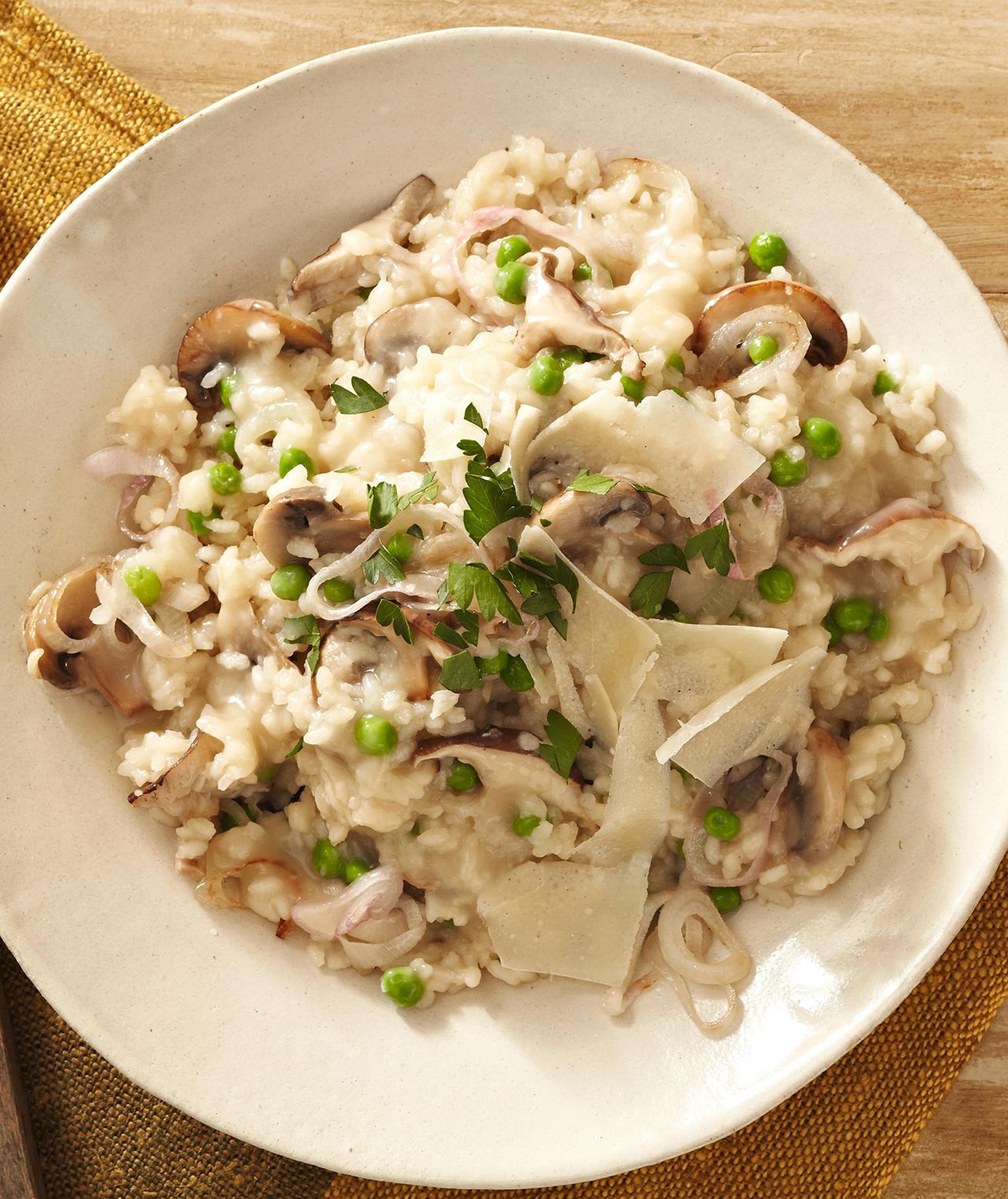

Risotto has a reputation. It walks into the kitchen wearing a linen apron, asks for warm stock, demands your full attention, and somehow makes you feel guilty for checking your phone. For years, I thought creamy risotto required the patience of a monk and the arm strength of someone training for a wooden-spoon triathlon. Then I came across Ina Garten’s risotto recipe hack: bake the rice in the oven, finish it with a vigorous stir, and serve something that tastes far fancier than the work required.
That, naturally, sounded like Barefoot Contessa magic. Ina Garten has built an empire on food that feels elegant without punishing the person cooking it. Her oven-baked risotto method takes the most intimidating part of traditional risottothe constant stirringand politely shows it the door. Instead of hovering over a saucepan, you combine Arborio rice and stock in a Dutch oven, let the oven do the slow cooking, then stir in the finishing ingredients until the mixture turns creamy and glossy.
So I tried Ina Garten’s risotto recipe hack with cautious optimism and a spoon ready for emotional support. The result? Surprisingly creamy, deeply comforting, and just dramatic enough to make dinner feel special. Was it exactly like the risotto you get at a quiet Italian restaurant where the waiter says “excellent choice” and means it? Not quite. Was it delicious enough to make me question every risotto-related wrist workout I have ever performed? Absolutely.
What Is Ina Garten’s Risotto Recipe Hack?
Ina Garten’s risotto hack is simple: use the oven instead of standing at the stove ladling in stock little by little. Her well-known Easy Parmesan “Risotto” method starts with Arborio rice and chicken stock in a covered Dutch oven. The pot goes into a 350°F oven until the rice is tender and most of the liquid is absorbed. After baking, the magic happens: more stock, Parmesan, white wine, butter, salt, and pepper are stirred in vigorously until the rice becomes thick and creamy. Peas are added at the end for sweetness and color.
The word “hack” sometimes makes recipes sound suspiciously like they were invented during a power outage. This one is different. The method works because risotto’s creaminess comes from the starch in short-grain rice, not from cream. Traditional risotto encourages that starch to release through gradual hydration and stirring. Ina’s version lets the oven cook the grains evenly, then uses energetic stirring at the end to bring everything together.
In other words, the oven does the babysitting. You still finish the dish like a cook who cares, but you do not need to spend 30 minutes attached to the stove like a culinary barnacle.
Why Risotto Usually Feels So High-Maintenance
Classic risotto is not difficult because the ingredients are fancy. At its most basic, risotto is rice, stock, fat, aromatics, cheese, and patience. The challenge is technique. Most traditional recipes call for adding warm broth gradually, stirring frequently, and watching the rice until it reaches that perfect al dente texture: tender, creamy, but not mushy.
Arborio rice is the usual choice in American kitchens because it is widely available and naturally starchy. Those plump grains absorb liquid while releasing starch into the cooking liquid, creating risotto’s signature creamy texture. If you rinse the rice, use the wrong grain, add too much liquid too quickly, or cook it until it collapses, the dish can go from elegant to “rice pudding with identity issues.”
That is why Ina Garten’s oven-baked risotto is so appealing. It keeps the spirit of risotto while removing the part that scares people away. You still get the Parmesan, butter, wine, and tender rice. You just get to fold laundry, make a salad, or stare peacefully into space while the oven handles most of the work.
My First Impression: Suspiciously Easy
The first thing I noticed was how little there was to do. Traditional risotto makes you feel as if you are entering a contract with the saucepan. Ina’s version felt more like putting rice in a Dutch oven and trusting an adult in the room. The ingredient list was familiar: Arborio rice, chicken stock, Parmesan cheese, butter, white wine, peas, salt, and pepper. Nothing required a scavenger hunt through a gourmet market.
The second thing I noticed was the timing. Baking rice and stock together for around 45 minutes sounded almost too hands-off. I expected the rice to emerge either undercooked or glued together in a starchy clump. Instead, when I lifted the lid, the rice had absorbed most of the liquid and looked soft but not defeated. It was not yet risotto in the luxurious, spoonable sense. It looked more like risotto waiting for its makeover montage.
That makeover came from the finishing step. Once I added the remaining liquid, Parmesan, butter, wine, and seasonings, the mixture loosened immediately. A few minutes of vigorous stirring transformed it from baked rice into something creamy, glossy, and very much dinner-party worthy. The peas warmed through quickly and brought a bright pop that kept the dish from feeling too heavy.
How the Texture Compared to Traditional Risotto
Let us discuss the important question: Does Ina Garten’s risotto recipe hack taste like real risotto?
Yeswith a small asterisk wearing a tasteful chambray shirt. The texture is creamy, comforting, and rich. The rice keeps enough structure to avoid becoming mush, and the Parmesan-butter finish gives the dish that silky quality people want from risotto. If you serve it hot, right after stirring, it lands beautifully on the plate.
Compared with a carefully tended stovetop risotto, the oven version may be slightly less fluid and restaurant-style. Classic risotto often has a looser wave-like texture, sometimes called all’onda, where the rice gently spreads when spooned onto a plate. Ina’s version can be a little thicker, especially if it sits for a few minutes. But that is easy to fix: stir in an extra splash of warm stock before serving.
The biggest win is consistency. Traditional risotto can go sideways if the heat is too high, the stock is cold, or the cook gets distracted. The oven method is more forgiving. It gives home cooks a reliable path to creamy risotto without requiring constant supervision.
Flavor Review: Parmesan, Butter, Wine, and Peas
The flavor is classic Ina: simple, rich, and polished. Parmesan brings salty nuttiness, butter adds roundness, and white wine gives the dish a little brightness so it does not taste flat. The peas may seem like a small detail, but they do real work. Their sweetness balances the cheese and butter, while their color makes the risotto look more alive. Beige food can be delicious, but it does occasionally need a public relations team.
One thing to watch carefully is salt. Parmesan and stock can already be salty, especially if you are using store-bought broth. If you follow a recipe exactly without considering your stock, the final dish may taste more seasoned than expected. I would recommend using low-sodium chicken stock and adding salt gradually at the end. You can always add more. You cannot politely ask salt to leave once it has moved in and unpacked.
Freshly grated Parmesan also matters. Pre-grated cheese may be convenient, but it often contains anti-caking agents that can affect melting. For a dish this simple, the cheese is not just a garnish; it is part of the sauce. A good wedge of Parmesan or Parmigiano-Reggiano gives the risotto a smoother finish and deeper flavor.
What Makes This Oven-Baked Risotto Hack Work?
1. The Dutch Oven Creates Even Heat
A heavy Dutch oven is ideal because it holds heat well and cooks the rice gently from all sides. The covered pot traps steam, helping the Arborio rice absorb liquid without scorching. This is one reason the method feels so dependable. Instead of managing burner hot spots, you let steady oven heat do the work.
2. Arborio Rice Supplies the Creaminess
Risotto does not need heavy cream. The creaminess comes from rice starch. Arborio rice has enough starch to create that velvety texture when cooked with liquid and stirred. Ina’s method saves most of the stirring for the end, when the rice is already hydrated and ready to release enough starch to thicken the mixture.
3. The Final Stir Is Not Optional
The finishing stir is where the dish becomes risotto. Without it, you have baked rice with aspirations. Stirring vigorously for a few minutes emulsifies the stock, butter, cheese, and starch into a cohesive, creamy sauce. This is the part where you should commit. Put some enthusiasm into it. Pretend the risotto owes you money.
4. The Finishing Ingredients Add Balance
Butter and Parmesan bring richness, but wine adds acidity. Peas add sweetness. Pepper adds warmth. That balance keeps the dish from tasting one-note. The hack is simple, but the flavor structure is smart.
Tips for Making Ina Garten’s Risotto Hack Even Better
Use Low-Sodium Stock
This is the easiest improvement. Because Parmesan is naturally salty, low-sodium chicken stock gives you more control. Taste before adding extra salt at the end.
Warm the Finishing Stock
If possible, warm the final splash of stock before stirring it in. Cold liquid can slow the finish and make the texture feel less silky. Warm stock blends more smoothly into the hot rice.
Grate the Cheese Yourself
Freshly grated Parmesan melts better and tastes better. This is not the time for powdery shelf-stable cheese. Save that for popcorn emergencies.
Serve Immediately
Risotto waits for no one. It thickens as it sits, so serve it right away or loosen it with a little extra warm stock. If you are hosting, finish the risotto after guests arrive, not before they spend 25 minutes discussing parking.
Add Vegetables Thoughtfully
Peas are easy because they heat quickly. For mushrooms, asparagus, shrimp, roasted squash, or spinach, cook or prep them separately and fold them in near the end. This prevents watery vegetables from disrupting the texture.
Best Variations to Try
Ina Garten’s easy Parmesan risotto is a flexible base. Once you understand the method, you can adapt it for different seasons and meals.
Mushroom Parmesan Risotto
Sauté mushrooms separately until browned, then fold them into the finished risotto. Mushrooms bring savory depth and make the dish feel hearty enough for a main course.
Lemon Asparagus Risotto
Add cooked asparagus tips, lemon zest, and a squeeze of lemon juice at the end. This version tastes fresh and springy, especially with grilled chicken or salmon.
Butternut Squash Risotto
Roasted butternut squash adds sweetness and color. A little sage or thyme makes it cozy without turning the dish into a scented candle.
Shrimp and Pea Risotto
Cook shrimp separately and fold them in right before serving. The peas already fit the recipe, and shrimp makes it feel like a complete dinner.
Spinach and Herb Risotto
Stir in baby spinach, parsley, basil, or chives after the rice comes out of the oven. The greens wilt quickly and brighten the rich Parmesan base.
Who Should Try This Risotto Recipe Hack?
This recipe is perfect for people who like the idea of risotto but not the traditional time commitment. It is especially useful for weeknight dinners, small gatherings, and holiday meals when every burner on the stove is already occupied by something needy. It also works well for newer cooks because the method is straightforward and forgiving.
If you are a risotto purist, you may still prefer the stovetop method. There is something meditative about slowly adding stock and watching the rice transform. But not every dinner needs to be a meditation retreat. Sometimes dinner needs to happen while you answer emails, wipe the counter, and wonder why there is always one missing food storage lid.
For most home cooks, Ina Garten’s oven-baked risotto offers the best kind of shortcut: one that reduces effort without making the food taste like a compromise.
Common Mistakes to Avoid
Overbaking the Rice
Check the rice near the end of the baking time. Ovens vary, and overcooked risotto can become too soft. You want the rice tender but still slightly firm in the center.
Skipping the Stirring Step
The oven handles the cooking, but the final stir creates the creamy texture. Do not skip it. This is the one moment when risotto asks for your attention, and honestly, it has been very reasonable up to this point.
Using Too Much Salt Too Early
Stock and cheese can carry plenty of salt. Season gradually, taste often, and adjust at the end.
Letting It Sit Too Long
Risotto thickens quickly. If it sits before serving, add a splash of warm stock and stir until it loosens.
Final Verdict: Is Ina Garten’s Risotto Recipe Hack Worth It?
Yes. Ina Garten’s risotto recipe hack is absolutely worth trying, especially if traditional risotto has always sounded too demanding. The oven method delivers creamy, rich, Parmesan-forward risotto with a fraction of the stirring. It is not a lazy shortcut in the sad sense. It is a smart shortcut in the “why have we not been doing this all along?” sense.
The dish tastes comforting and elegant, but the process is relaxed. You get the satisfaction of homemade risotto without feeling chained to the stove. For busy cooks, nervous beginners, or anyone who wants a cozy dinner that feels more impressive than it is, this oven-baked risotto is a keeper.
Would I make it again? Definitely. I would use low-sodium stock, grate the Parmesan fresh, keep extra warm broth nearby, and serve it immediately. I might add mushrooms for a main dish or lemon zest for brightness. But the basic method? That stays.
Extra Experience Notes: What I Learned While Trying Ina Garten’s Risotto Recipe Hack
The biggest surprise was how calm the process felt. Risotto usually has a tiny cloud of pressure around it. You are told to stir, taste, ladle, adjust heat, and somehow know the exact moment when rice becomes creamy but not mushy. Ina Garten’s oven method removed that tension. Once the rice and stock were in the Dutch oven, I had enough time to clean the kitchen, grate the cheese, set the table, and enjoy the rare feeling that dinner was not actively trying to defeat me.
The second lesson was that the final texture depends heavily on the last few minutes. When the pot first came out of the oven, the rice looked good but not glamorous. It was only after adding the finishing ingredients and stirring with confidence that the dish became creamy. This is important because someone trying the recipe for the first time might panic when they open the lid. Do not panic. The risotto is simply in its “before” photo stage.
I also learned that seasoning deserves attention. Ina Garten recipes are known for big, satisfying flavor, and this risotto follows that pattern. But if your stock is salty and your Parmesan is salty, you may not need much extra salt at all. The best approach is to hold back slightly, finish the risotto, then taste and adjust. A squeeze of lemon is not traditional in this exact version, but it can help if the dish tastes too rich.
Another practical discovery: the pot matters. A heavy Dutch oven gives the rice steady heat and helps prevent uneven cooking. A thin pot may not perform the same way. If you are using a lighter oven-safe saucepan, start checking earlier and be prepared to adjust the liquid. The recipe is easy, but easy does not mean completely impossible to annoy.
Finally, this hack changed how I think about “impressive” food. Sometimes we assume a dish is special only if it requires visible struggle. But the best home cooking often comes from smart technique, not unnecessary effort. Ina Garten’s risotto recipe hack proves that you can serve something creamy, elegant, and deeply satisfying without turning dinner into a culinary obstacle course. It is the kind of recipe that makes guests think you worked harder than you did, which, frankly, is one of the great joys of cooking.
Conclusion
I tried Ina Garten’s risotto recipe hack expecting a convenient shortcut. I ended up with a method I would actually use again. The oven-baked approach simplifies risotto without stripping away the creamy texture, rich Parmesan flavor, and cozy elegance that make the dish so loved. It is practical, flexible, and friendly to real-life kitchens where people have limited time, limited patience, and occasionally a sink full of dishes giving them side-eye.
If you love risotto but hate the constant stirring, this is the version to try. Use good Arborio rice, low-sodium stock, freshly grated Parmesan, and a sturdy Dutch oven. Stir boldly at the end. Serve immediately. Then accept compliments with the serene confidence of someone who knows the oven did most of the work.