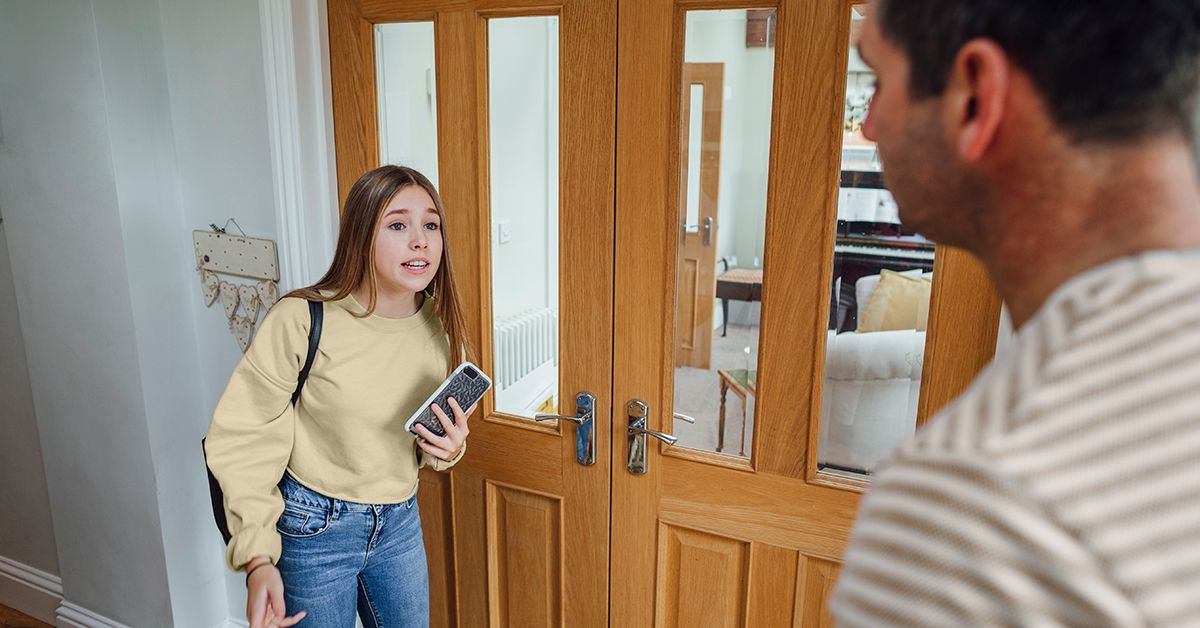

Few sentences can stop a parent in their tracks faster than “I hate my mom.” Whether it comes out during a bedtime battle, a homework meltdown, a screen-time shutdown, or the highly dramatic tragedy of being served the “wrong” pasta shape, the words sting. They can make a mother feel rejected, disrespected, guilty, confused, and suddenly interested in moving to a quiet island where no one has strong opinions about socks.
But here is the first truth every parent needs to hear: when a child says “I hate you,” it is often less a final verdict on your parenting and more a loud, messy emotional flare. Children, especially younger ones, do not always have the language, impulse control, or emotional regulation skills to say, “I feel powerless, disappointed, embarrassed, overstimulated, or scared.” So the feeling comes out wearing a tiny leather jacket and yelling the biggest words it can find.
This article explores the underlying emotions behind your child’s words, how parents can respond without escalating the situation, and how to turn painful moments into opportunities for connection, boundaries, and emotional growth. Because yes, your child may say “I hate my mom,” but often what they mean is, “I am overwhelmed, and I do not know what to do with this feeling.”
Why Children Say “I Hate My Mom”
Children use intense words when they feel intense emotions. Unlike adults, they may not yet have the brain development or vocabulary to separate feeling angry from wanting to hurt someone with words. To a child, “I hate you” can mean “I hate this rule,” “I hate that you said no,” “I hate feeling embarrassed,” or “I hate that I cannot control this situation.”
That does not mean parents should ignore cruel language. Words matter. Respect matters. But before reacting, it helps to understand what may be hiding underneath the sentence. A child’s angry statement is usually a symptom, not the whole story. Think of it as the smoke alarm, not the fire. Annoying? Absolutely. Helpful? Also yes, once you stop wanting to throw the smoke alarm into the driveway.
1. Anger: The Loudest Emotion in the Room
Anger is often the most obvious emotion behind “I hate my mom.” A child may be angry because a limit was set, a privilege was removed, or a desire was blocked. Maybe they wanted more time on a tablet, a later bedtime, a sleepover, a toy, or the freedom to wear shorts in a snowstorm because “my legs are not cold.”
Anger is not bad by itself. It is a normal human emotion. The problem is not that your child feels angry; the problem is when anger turns into verbal aggression, hitting, throwing, or disrespect. Your job is not to delete anger from your child’s emotional software. Your job is to help them install better updates.
2. Frustration: When Skills Cannot Catch Up With Feelings
Many children lash out when they feel frustrated. A preschooler may not be able to tie their shoes. A school-age child may struggle with math. A teen may feel trapped between wanting independence and still needing guidance. When children feel incompetent or stuck, their frustration may land on the safest person nearby: often Mom.
This is painful, but it also reveals something important. Children often unload their biggest emotions around the caregiver they trust most. That does not make the words acceptable, but it can help you see the outburst as a sign of emotional overflow rather than pure cruelty.
3. Sadness: The Emotion Wearing an Angry Costume
Sadness does not always look like tears. In children, sadness can look like irritability, rudeness, withdrawal, or explosive comments. A child who says “I hate you” may actually be grieving a change, missing a parent, feeling left out by friends, or struggling with disappointment.
For example, a child may shout “I hate my mom” after being told they cannot attend a party. On the surface, it sounds like disrespect. Underneath, the child may feel excluded, lonely, or afraid of missing out. The angry words are the thunder. The sadness is the rain cloud behind it.
4. Fear and Anxiety: When Control Feels Safer Than Vulnerability
An anxious child may try to control the people and routines around them. If something changes unexpectedly, they may panic. Instead of saying, “I feel nervous because I do not know what will happen,” they may snap, argue, or say something hurtful.
Children who feel anxious may become especially reactive during transitions: leaving the house, starting school, going to bed, separating from a parent, visiting a doctor, or entering a new social situation. In these moments, “I hate you” may really mean, “I feel unsafe, and I need help calming down.”
5. Shame: The Hidden Spark Behind Hurtful Words
Shame is one of the most uncomfortable emotions for children. If a child feels corrected, exposed, embarrassed, or “bad,” they may attack first to escape the awful feeling of being wrong. A child who is caught lying, failing a test, breaking a rule, or hurting a sibling may respond with “I hate you” because shame feels unbearable.
Parents can respond firmly without piling on shame. There is a big difference between “That choice was not okay” and “You are a bad kid.” The first teaches accountability. The second can make a child feel defined by their worst moment. And honestly, none of us would like to be permanently judged by our most dramatic Tuesday.
What Not to Do When Your Child Says “I Hate You”
Your first instinct may be to say, “How dare you?” or “After everything I do for you?” That reaction is understandable. Parents are human, not emotional vending machines stocked with endless patience and tiny bags of calm. Still, the first few seconds after your child says something hurtful matter.
Do Not Take the Bait
When a child throws out a painful sentence, it can become a hook. If you bite, the conflict may quickly turn into a power struggle. Suddenly, the original issue was bedtime, but now everyone is arguing about love, respect, chores, tone of voice, and the fact that nobody appreciates the laundry fairy. The laundry fairy, for the record, is tired.
Instead of reacting to the exact words, respond to the emotion and the boundary. You might say, “You are really angry. I will listen when you speak respectfully.” This keeps you calm and keeps the child from learning that explosive words control the room.
Do Not Say “I Hate You Too”
Even if said sarcastically, this can deeply wound a child. Children need adults to be sturdier than their storms. A parent can be firm without matching the child’s emotional intensity. Your calm response teaches more than a lecture ever could.
Do Not Ignore Repeated Patterns
One outburst after a tough day is different from constant verbal aggression, ongoing hostility, threats, self-harm comments, or major changes in sleep, appetite, school performance, friendships, or behavior. If intense anger, irritability, anxiety, or sadness lasts for weeks or months and interferes with daily life, it may be time to talk with a pediatrician, school counselor, or licensed mental health professional.
How to Respond in the Moment
The goal is not to deliver the perfect parenting speech while your child is mid-meltdown. The goal is to stay regulated enough to avoid making things worse. You can teach later. In the hot moment, your job is safety, calm, and boundaries.
Step 1: Pause Before You Speak
Take one slow breath. Relax your shoulders. Lower your voice. This sounds simple, but it is powerful. Children borrow nervous system cues from adults. If you escalate, they often escalate. If you stay steady, you create a path back to calm.
A helpful response might be: “I hear that you are very upset. I am not okay with hurtful words. We can talk when we are both calmer.”
Step 2: Name the Feeling
Children learn emotional regulation partly through emotional language. When you name the feeling, you help your child connect body sensations, thoughts, and words. Try phrases like:
- “You sound really disappointed.”
- “You are angry that I said no.”
- “This feels unfair to you.”
- “You wanted more control over what happened.”
Naming a feeling does not mean approving rude behavior. It means you are helping your child understand what is happening inside them.
Step 3: Set a Clear Boundary
Empathy without boundaries can become permission. Boundaries without empathy can feel cold. Children need both. You might say, “It is okay to feel mad. It is not okay to call me names or say hurtful things.”
This simple structure works because it separates the feeling from the behavior. The feeling is allowed. The harmful expression is not.
Step 4: Offer a Better Script
Many children need replacement language. They cannot use words they do not have. Teach them what to say instead:
- “I am mad at you.”
- “I need a break.”
- “I do not like this rule.”
- “I feel embarrassed.”
- “Can we talk later?”
This gives your child a bridge from emotional explosion to emotional communication. It also gives everyone in the house a better soundtrack.
What to Say After Everyone Calms Down
The real teaching often happens later, when your child’s brain is back online. A calm follow-up conversation can be short and effective. You do not need a courtroom trial, three witnesses, and a PowerPoint titled “Why Your Tone Was Unacceptable.” Keep it simple.
You might say, “Earlier, you said you hated me. I know you were angry, but those words hurt. What were you feeling underneath that?”
Then listen. Your child may say, “I do not know.” That is okay. Help them explore. Was it anger? Embarrassment? Fear? Disappointment? Feeling controlled? Feeling ignored?
Repair Matters
Teach your child that relationships can be repaired. A repair might sound like, “I was angry and I said something hurtful. I am sorry.” Do not force a fake apology in the heat of the moment. A forced apology can become emotional theater: everyone says their lines, nobody learns the plot.
Instead, model repair yourself. If you yelled, say, “I got too loud earlier. I am sorry. I was upset, but I am responsible for my voice.” This does not weaken your authority. It strengthens trust.
Age-by-Age Examples
Toddlers and Preschoolers
Young children are still learning basic emotional control. If a preschooler says “I hate you,” keep your response short. Too many words can overwhelm them. Try: “You are mad. I love you. I will not let you hit or use hurtful words.” Then redirect or help them calm their body.
School-Age Children
School-age children can begin learning emotional vocabulary and problem-solving. You can say, “You can be angry about the rule, but you may not speak to me that way. Try again with respectful words.” Later, talk about what triggered the reaction and brainstorm better choices for next time.
Teenagers
Teenagers may say hurtful things during conflicts over independence, privacy, school, friends, dating, curfew, or phones. With teens, avoid turning every comment into a debate. Say, “I am willing to talk about the rule. I am not willing to be insulted.” Then pause. Teens often need space before they can re-engage without verbal fireworks.
When “I Hate My Mom” May Signal Something Deeper
Most children occasionally say dramatic things when upset. However, parents should pay attention when harsh words are part of a bigger pattern. Consider seeking professional guidance if your child shows frequent intense tantrums, ongoing irritability, aggression, withdrawal from friends, major sleep changes, persistent anxiety, school refusal, self-harm statements, or behavior that feels unsafe.
Also pay attention to family stress. Divorce, grief, moving, bullying, academic pressure, illness, financial strain, trauma, or conflict at home can show up as anger in children. Kids do not always walk into the kitchen and announce, “Mother, I am emotionally dysregulated due to recent environmental stressors.” More often, they slam a door because the cereal bowl is “weird.”
How Mothers Can Protect Their Own Feelings
Understanding your child’s emotions does not mean pretending your own feelings do not exist. Hearing “I hate you” hurts. Parents need support, rest, and emotional outlets too. After the moment passes, talk to another adult, write down what happened, take a walk, or give yourself a few minutes to breathe.
Remind yourself: a child’s worst words are not the full measure of your relationship. Children often express pain clumsily. Parenting means being the emotional anchor, but anchors get rusty if nobody takes care of them. You are allowed to need care too.
Building Emotional Skills Before the Next Blowup
The best time to teach emotional regulation is not during the explosion. It is during calm moments. Build small habits that help your child recognize and manage feelings before they become verbal grenades.
Create a Feelings Vocabulary
Use everyday moments to name emotions. “You looked proud when you finished that puzzle.” “You seemed disappointed when your friend canceled.” “You were frustrated when your tower fell.” These small comments help children build emotional literacy.
Practice Calm-Down Tools
Teach simple strategies such as belly breathing, counting backward, squeezing a pillow, drawing the feeling, taking space, stretching, or naming five things they see. Practice when your child is calm, not when they are already auditioning for a soap opera in the hallway.
Model Respectful Anger
Children learn from what adults do when angry. If parents yell, insult, threaten, or shame, children may copy those patterns. If parents say, “I am frustrated, so I am going to take a minute before I answer,” children learn that strong feelings can be handled without emotional demolition.
Practical Scripts for Parents
Sometimes the hardest part is knowing what to say. Here are parent-tested phrases that are calm, firm, and not too fancy for real life:
- “You are angry. I can handle your anger. I will not accept hurtful words.”
- “I love you too much to argue with you while you are this upset.”
- “Try again. Tell me what you feel without attacking me.”
- “I am going to give you space. We will talk when voices are calm.”
- “You do not have to like my decision. You do have to speak respectfully.”
- “Something big is going on under those words. Let’s figure it out.”
Experiences Related to “I Hate My Mom”: What Parents Often Learn the Hard Way
Many mothers remember the first time their child said, “I hate you.” It can feel shocking, even if you have read every parenting book, followed every gentle parenting account, and once made dinosaur-shaped sandwiches with educational intent. The moment still lands with a thud.
One common experience is the bedtime explosion. A child is tired, overstimulated, and desperate for control. Mom says it is time to brush teeth. The child says no. Mom repeats the instruction. The child collapses dramatically on the floor, as though dental hygiene has personally betrayed them. Then come the words: “I hate you!” In that moment, the issue is not really toothpaste. It is fatigue, transition stress, and the child’s limited ability to handle disappointment at the end of a long day.
Another familiar situation happens around screen time. A parent sets a timer. The timer goes off. The child looks at the timer with the moral outrage of a tiny attorney. When Mom turns off the tablet, the child explodes. “You are the worst mom ever!” or “I hate you!” Underneath the words may be frustration, abrupt dopamine withdrawal, lack of transition warning, or the simple human pain of stopping something fun. Adults feel this too. Nobody cheerfully closes a video app after one clip. The difference is adults usually do not throw themselves backward onto a couch and declare family betrayal. Usually.
Some parents hear “I hate my mom” from older children during homework struggles. A child may feel stupid, pressured, or afraid of failing. Instead of saying, “I am embarrassed because I do not understand this,” they attack the person helping them. The parent becomes the face of the uncomfortable task. In these moments, it helps to pause the academic battle and address the emotional one: “This assignment is making you feel frustrated. Let’s take three minutes, then we will solve one problem at a time.”
Teenagers bring a different version of the same theme. A teen may say “I hate you” after a parent sets rules about curfew, dating, driving, grades, or phone use. The words may sound more adult and therefore more cutting, but teens are still developing emotional control and judgment. They are also trying to separate from parents while still needing them. That push-pull can create sharp language. A steady response might be, “You are allowed to be angry about the rule. You are not allowed to insult me. We can talk when you are ready to be respectful.”
Many parents discover that the best response is not a perfect speech but a repeated pattern: calm body, clear boundary, later conversation, repair. The first time, it may feel awkward. The tenth time, it becomes family culture. Over time, children begin to learn that big feelings are allowed, but hurtful words are not the best tool. They learn that Mom can survive their anger without abandoning them or surrendering every boundary. They learn that conflict does not end love.
Parents also learn to look for patterns. Does the phrase appear mostly when the child is hungry? After school? During transitions? When plans change? Around one sibling? Before tests? After visits between households? Patterns tell a story. A child who melts down every afternoon may need food and quiet before conversation. A child who attacks during homework may need academic support. A child who becomes cruel after social media may need help navigating comparison, rejection, or overstimulation.
Most importantly, mothers often learn that they can be compassionate without becoming permissive. You can say, “I see you are hurting,” and still say, “You may not speak to me that way.” You can love your child through anger without letting anger run the house. You can be warm and firm at the same time. In fact, that combination is often exactly what children need: a parent who says, “Your feelings are safe here, and so are the people around you.”
Conclusion: Hear the Feeling, Hold the Boundary
When a child says “I hate my mom,” the words can hurt deeply. But they are often a doorway into emotions the child cannot yet express clearly: anger, sadness, shame, fear, frustration, disappointment, or a need for control. Parents do not have to accept disrespect, but they can respond in a way that teaches rather than escalates.
The most effective response combines calm, empathy, and limits. Name the feeling. Set the boundary. Offer better words. Talk later. Repair when needed. Watch for deeper patterns. And remember that one painful sentence does not define your motherhood, your child, or your relationship.
Your child’s anger is not the enemy. It is information. With patience, structure, and connection, even the hardest words can become a starting point for emotional growth. And yes, someday your child may thank you for staying calm. It may happen around age twenty-seven, but still. A win is a win.