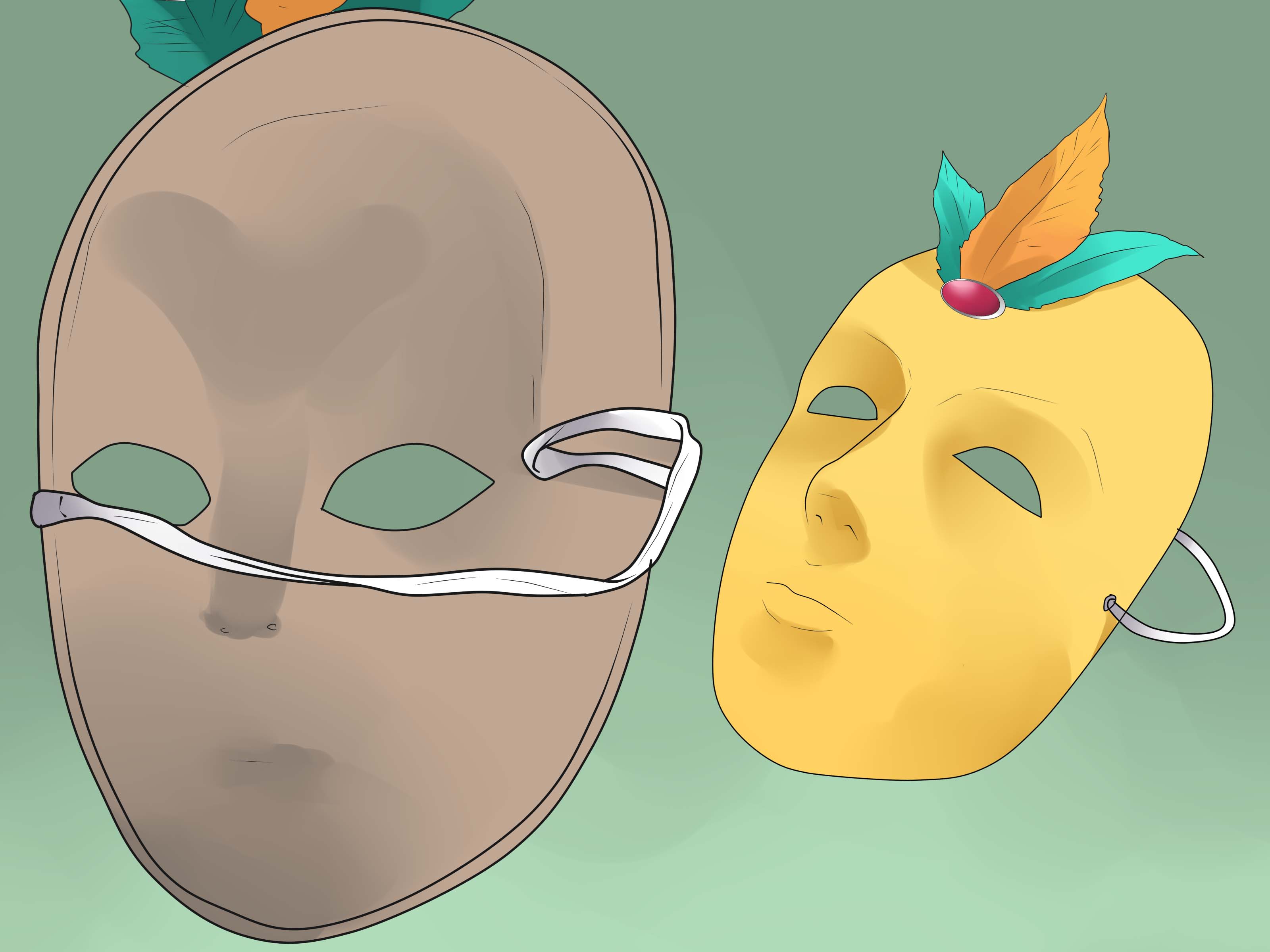

Venetian masks are basically permission slips to be extra. They’re dramatic, sparkly, a little mysterious, andbest of alltotally doable at home with craft-store supplies and a bit of patience. Traditional Venetian Carnival masks were often made with a lightweight papier-mâché base and then finished with paint, gesso, metallic details, and over-the-top embellishments. Translation: you get to make something that looks fancy without needing a palace workshop (or a small army of masked artisans).
This guide walks you through a beginner-friendly method that still gives you that “I might be headed to a masquerade ball… or I might be planning a heist” vibe. We’ll focus on a classic half-face style (often associated with Colombina masks), but the same steps work for many Venetian-inspired designs.
Before You Start: Pick Your Base Style
Venetian masks come in a bunch of iconic shapeslike the bauta (that bold, angular lower face), volto (full-face), and ornate eye masks. For an easier build with a great payoff, we’re making a half-face Venetian masquerade mask using a pre-made mask form or a simple homemade mold. You’ll still get the authentic-looking finish and decorations without needing to plaster-cast your actual face (which is… a whole adventure).
Materials and Tools
Core supplies (choose one base option)
- Option A (easiest): Paper mâché mask blank (store-bought)
- Option B (more “from scratch”): A plastic mask form, foil + tape form, or a balloon form for paper mâché
For building and shaping
- Newspaper or brown kraft paper (for papier-mâché layers)
- White paper (for a smoother final layer)
- Flour + water (paste), or PVA/white glue + water
- Scissors
- Paintbrushes (cheap ones are fine for paste and gesso)
- Masking tape
- Craft knife (adult use / careful use)
- Fine sandpaper (around 220 grit)
For finishing
- Gesso or primer (white)
- Acrylic paints (metallics are your best friend)
- Optional: gold leaf + gilding adhesive (or metallic paint as a shortcut)
- Clear sealer/varnish (spray or brush-on)
For the “Venice, but make it extra” decorations
- Feathers, lace, ribbon, rhinestones, faux pearls, trim, sequins
- Hot glue gun or strong craft glue
- Elastic cord or ribbon ties
- Hole punch or awl (for tie holes)
Quick safety notes
- If you use spray sealer or spray paint, work outside or in a very well-ventilated area.
- Flour paste can mold if layers stay damp too longlet each layer dry fully before adding more.
- If you’re crafting with kids, keep cutting tools, hot glue, and sprays in adult hands.
How to Make a Venetian Mask: 12 Steps
Step 1: Sketch your design (yes, even a tiny one)
Before you glue a single sequin, decide what you’re making. Are you going classic black-and-gold? Romantic lace-and-pearls? Bold harlequin diamonds? Draw a quick thumbnail (nothing fancy). The goal is to pick:
- A color palette (2–4 main colors)
- A focal point (one big decorative areacenter forehead, one eye, or the outer corners)
- A texture plan (painted patterns vs. raised details vs. lace overlay)
This prevents the classic crafting tragedy: “I added everything I own and now it looks like a glitter explosion at a yard sale.”
Step 2: Choose and prep your mask base
If you bought a paper mâché mask blank, you’re already winning. If you’re making your own base, build over a form (foil + tape over a face-shaped object, a plastic mask form, or a balloon for a simpler curved shape).
Pro tip: if you want the mask to fit your face comfortably, start with a mask blank or a face-form. Balloon masks can look cool, but they’re more “art piece” than “wearable at a party without regret.”
Step 3: Mix your papier-mâché paste
Two common options:
- Flour paste: whisk flour + water to a pancake-batter consistency (smooth, not chunky).
- Glue paste: mix white glue (PVA) + water (often close to 1:1) for a strong, less food-based option.
If you’re in a humid climate or your project will take multiple days, the glue mixture can help reduce the “why does my mask smell like a science experiment?” factor.
Step 4: Add 4–6 layers of paper (strength first, beauty later)
Tear paper into strips (tearing gives softer edges than cutting). Dip strips, squeegee off excess with your fingers, then smooth them onto the form. Overlap strips like shingles on a roof.
- Build at least 4 layers for a sturdy mask.
- Alternate paper types if you want to track layers (newspaper vs. white paper works great).
- Keep the surface as smooth as you canfuture you will thank you while sanding.
Step 5: Dry completely (this is the unglamorous, critical step)
Let the mask dry fully before removing it from the form. Depending on thickness and humidity, this can take 24–72 hours. If it feels cool to the touch, it’s probably still damp inside.
Speed it up with airflow (fan) rather than intense heat. Rushing drying is how you get warping, soft spots, or the dreaded “mystery fuzz” (mold).
Step 6: Remove the mask and trim the edges
Carefully pop the mask off the form. Trim the outline with scissors or a craft knife. Then mark and cut eye holes. Try it on and adjust the fit:
- Widen eye openings graduallytiny cuts, then test, repeat.
- Round sharp corners so the mask doesn’t poke your cheekbones like it’s mad at you.
- If you plan to wear glasses, cut the eye openings a bit larger and keep decorations away from where frames sit.
Step 7: Reinforce and smooth (inside matters too)
Add an extra layer or two around stress points: near the nose bridge, around the eye holes, and along the outer edges. This helps prevent cracking. When dry, sand gently to knock down ridges and bumps.
Don’t aim for “factory perfect.” Venetian masks often have subtle texture. Just aim for “pleasantly handmade,” not “could grate cheese.”
Step 8: Add raised details for that authentic Venetian drama
This is where your mask goes from “school craft” to “Carnival-ready.” Use one of these:
- Paper mâché clay or air-dry clay for scrollwork and flourishes
- Cardboard shapes (thin, curved pieces) covered with a paper layer
- Hot glue for quick raised lines (test firstsome paints don’t love it)
Keep raised details balanced on both sides unless you’re intentionally doing an asymmetrical design (which can look very cool if it’s clearly intentional).
Step 9: Prime with gesso (your secret weapon)
Gesso/primer creates a clean, paint-friendly surface and helps hide newspaper text. Apply 1–2 thin coats, letting each coat dry fully. Lightly sand between coats if you want a smoother finish.
If you want a crisp, luxurious look, this step is non-negotiable. If you skip it, your paint may soak in unevenly and your mask can look blotchy. (Unless “blotchy” is your artistic statement. No judgment.)
Step 10: Paint your base colors and patterns
Start with a base color (or two). Then add patterns:
- Harlequin diamonds
- Baroque curls and filigree
- Fade/ombre gradients
- Black detailing lines to sharpen shapes
Use thin coats. Acrylics build beautifully, and thin layers dry faster and crack less than one thick “let’s get it done” coat.
Step 11: Add metallic accents, then embellish
Metallic details are a Venetian mask’s love language. You can:
- Use metallic acrylic paint for quick shine
- Apply gold leaf for maximum “I have secrets” energy
After paint is dry, attach embellishments:
- Feathers: cluster at outer corners or top center for height
- Lace: glue as an overlay, then lightly dry-brush metallic paint for depth
- Rhinestones/pearls: outline eye holes or create a centerpiece medallion
Rule of thumb: pick one hero embellishment (big feathers OR heavy rhinestones OR lace overlay) and let everything else be supporting cast.
Step 12: Seal and add ties (so it survives the real world)
Once everything is dry, seal the mask with a clear varnish/sealer. This helps protect paint and reduce scuffs. If you’re using spray sealer, apply light coats and let it dry between passes.
For wearing: punch a hole on each side, then add elastic or ribbon ties. Ribbon looks more Venetian and less “middle school theater production,” but elastic is easier. If you’re going for comfort, glue a small piece of soft felt inside where the mask touches your nose bridge.
Extra Tips for a More “Real Venetian” Finish
Make it look expensive (without actually spending like it is)
- Antique wash: water down dark paint and wipe it into creases for an aged look.
- Dry brushing: use a nearly-dry brush with metallic paint to highlight raised details.
- Edge definition: outline important shapes with a thin dark line for crisp contrast.
Common mistakes (and how to avoid them)
- Warping: too much moisture + uneven drying. Use thin paste, thin layers, and good airflow.
- Cracking paint: thick paint layers or a flexy base. Build a sturdier base and paint in thin coats.
- “Heavy mask syndrome”: too many gems everywhere. Concentrate embellishments in one or two areas.
Frequently Asked Questions
How long does it take to make a Venetian mask?
Active crafting time can be just a few hours, but drying time stretches the project to 2–4 days (especially if you’re building the base from scratch). If you start with a mask blank, you can often finish in a single afternoon.
What’s the best paint for a papier-mâché mask?
Acrylic paint is the go-to because it’s flexible, widely available, and layers well. Priming with gesso first helps your colors pop and look more even.
Can I use Mod Podge as a sealer?
Many crafters use clear sealers like Mod Podge-style finishes or acrylic varnishes. If your mask will be worn, aim for a durable finish and test on a small spot first to make sure it dries clear and doesn’t stay tacky.
Real-World Mask-Making Experiences (The “What I Wish I Knew” Section)
The first time I made a Venetian mask, I assumed the hardest part would be the fancy stuffgold accents, elegant patterns, those dramatic feather moments that make you feel like you should enter every room in slow motion. Nope. The hardest part was learning to respect the boring steps. Drying time, priming, and “stop touching it” discipline are the real gatekeepers of a mask that looks stunning instead of slightly tragic.
One early attempt taught me the cruel truth about rushing papier-mâché. I layered on paper like I was wrapping leftovers, then tried to speed-dry it near a heater. The outside crisped up while the inside stayed damp. The next day, the mask had a gentle wave to itlike it was permanently surprised by my life choices. I salvaged it by reinforcing the inside edges and reshaping it while it was almost dry, but it never fit quite right. Lesson learned: airflow beats heat, and patience beats panic.
Another time, I got cocky and skipped gesso because I figured, “White acrylic paint is basically primer, right?” That mask looked fine… until the newspaper text decided to become part of the design. You could faintly read yesterday’s headlines under the paint like the mask was haunted by current events. After that, I became a gesso fan for life. Two thin coats gave me a clean base, and suddenly my paint looked smoother, brighter, and more expensivelike I’d upgraded from “craft night” to “artisan studio.”
Decorating is where the most fun happens, but it’s also where things can go off the rails fast. I once added rhinestones around both eyes, plus a lace overlay, plus a big forehead jewel, plus feathers, plus extra trim… and the mask ended up looking like it was trying to win three different beauty pageants at once. Now I plan decorations like an outfit: one statement piece, one supporting texture, and then let negative space do its job. When I keep the center forehead as the focal point, for example, I’ll use metallic paint and subtle filigree around the eyes, then save the heavy sparkle for that one area. It looks intentional instead of chaotic.
Fit is another sneaky challenge. The prettiest mask in the world is useless if it pinches your nose or slides down every time you smile. My best trick is adding a tiny strip of felt on the inside at the nose bridge and cheek touchpoints. It’s invisible from the outside, but it makes the mask feel custom and comfortable. Also, ribbon ties feel more “Venice,” and they’re adjustable. Elastic is easy, but ribbon looks like you meant to do this on purpose.
Finally: sealing. I learned the hard way that unsealed metallic paint can scuff if you even look at it wrong. A light clear coat made my masks more durable and helped keep glitter and tiny decorations from shedding like a festive cat. Now I always do a quick test spray on scrap first (some sealers can cloud certain metallics), then seal in thin coats. It’s the final step that makes the whole mask feel finishedand it keeps your masterpiece from becoming a one-night-only performance.
Conclusion
Making a Venetian mask is part craft project, part costume magic, and part life lesson in letting glue dry. Build a strong base, prime it properly, paint in layers, and decorate with intention. Whether you’re heading to a masquerade party, prepping for a theatrical event, or just want an excuse to use feathers like a responsible adult, a DIY Venetian mask is one of those projects that looks wildly impressive for the amount of materials it takes.