
Israeli couscous is the tiny pasta pearl that somehow manages to look fancy, cook quickly, and rescue dinner when your refrigerator contains one lemon, half an onion, and a suspiciously confident jar of olives. Also called pearl couscous or ptitim, it is larger and chewier than traditional Moroccan couscous, which means it cooks more like pasta than like a steamed grain. The good news? Once you learn the basic method, you can turn it into a fluffy side dish, a lemony salad, a cozy pilaf, or a creamy “almost risotto” without needing a culinary degree or a motivational speech from your Dutch oven.
This guide explains exactly how to cook Israeli couscous on the stovetop, how much water or broth to use, when to toast it, how to keep it from turning mushy, and how to flavor it like something you meant to make on purpose. We will also cover common mistakes, storage tips, serving ideas, and a few real-kitchen experiences that make cooking pearl couscous less mysterious and much more delicious.
What Is Israeli Couscous?
Israeli couscous is a small, round, toasted pasta made from wheat flour or semolina. Despite the name, it is not the same as traditional North African couscous. Classic couscous is much smaller and is usually steamed or hydrated with hot liquid. Israeli couscous, on the other hand, has the bouncy texture of tiny pasta beads and is usually simmered in water or broth until tender.
In Israel, it is known as ptitim. It became popular as an affordable pantry staple and is still loved because it is simple, flexible, and kid-friendly. In American grocery stores, you may see it labeled as Israeli couscous, pearl couscous, giant couscous, or toasted couscous. Most versions are made from wheat, so they are not gluten-free unless the package specifically says otherwise.
Israeli Couscous vs. Regular Couscous
The biggest difference is size and cooking method. Regular couscous is tiny and fluffy. Israeli couscous is larger, rounder, and chewier. If regular couscous is the soft-spoken cousin who finishes cooking in five minutes, Israeli couscous is the cousin who wears sunglasses indoors and wants a proper simmer.
Because Israeli couscous is pasta-like, it can be boiled and drained like pasta, simmered absorption-style like rice, toasted first for deeper flavor, or cooked slowly with broth in a risotto-style dish. That versatility is why it works beautifully in salads, soups, grain bowls, roasted vegetable dinners, chicken skillets, and meal-prep lunches.
The Best Water Ratio for Israeli Couscous
For a reliable stovetop method, use:
- 1 cup Israeli couscous
- 1 1/4 to 1 1/2 cups water or broth
- 1 tablespoon olive oil or butter
- 1/2 teaspoon kosher salt
The exact amount of liquid depends on the brand and the texture you prefer. For a firmer, separate pearl couscous that works well in salads, start with 1 1/4 cups liquid per 1 cup couscous. For a softer, more tender side dish, use 1 1/2 cups liquid. If you are cooking it pasta-style in a larger pot of salted water, you do not need a strict ratio; simply boil until tender, then drain.
How to Cook Israeli Couscous on the Stove
This is the classic absorption method. It gives you flavorful, tender couscous without needing to drain anything. Use broth instead of water if you want more savory depth. Vegetable broth, chicken broth, or even a light mushroom broth can make the couscous taste like it has been working out at the flavor gym.
Ingredients
- 1 cup Israeli couscous
- 1 tablespoon olive oil or butter
- 1 1/2 cups water, vegetable broth, or chicken broth
- 1/2 teaspoon kosher salt, plus more to taste
- Optional: 1 small garlic clove, minced
- Optional: lemon zest, chopped parsley, black pepper, or Parmesan for finishing
Step-by-Step Instructions
- Toast the couscous. Warm olive oil or butter in a medium saucepan over medium heat. Add the Israeli couscous and stir for 2 to 5 minutes, until the pearls smell nutty and turn lightly golden. Do not walk away unless you enjoy the aroma of regret.
- Add liquid and salt. Pour in the water or broth and add salt. Stir once to prevent sticking.
- Bring to a boil. Let the liquid come to a gentle boil.
- Simmer. Reduce the heat to low, cover the pan, and simmer for 10 to 12 minutes, or until the couscous is tender and most of the liquid has been absorbed.
- Rest briefly. Remove the pan from heat and let it sit, covered, for 3 minutes. This helps the pearls finish absorbing steam without overcooking.
- Fluff and finish. Fluff with a fork. Add lemon zest, herbs, pepper, olive oil, butter, or cheese depending on your plan.
Alternative Method: Cook It Like Pasta
If you are making Israeli couscous salad, the pasta method is your friend. Bring a pot of salted water to a boil, add the couscous, and cook for 8 to 10 minutes, or until tender but still pleasantly chewy. Drain it in a fine-mesh strainer, then toss it with a little olive oil so the pearls do not cling together like nervous toddlers on the first day of school.
This method is especially helpful when you want a clean, separate texture for cold salads. After draining, spread the couscous on a sheet pan for a few minutes to cool quickly. Then mix it with dressing, vegetables, herbs, beans, feta, nuts, or grilled chicken.
Should You Toast Israeli Couscous First?
Yes, if you have an extra three minutes. Toasting Israeli couscous in olive oil or butter before adding liquid gives it a nuttier, deeper flavor. It also helps the pearls stay slightly more distinct after cooking. Many brands are already toasted during production, but a quick second toast in the pan adds complexity and makes the dish smell like you know exactly what you are doing.
To toast properly, use medium heat and stir often. You are looking for light golden color, not deep brown. If the pan is too hot, the couscous can burn before it has time to develop that warm, nutty aroma. A good toast smells like browned butter, pasta, and good decisions.
How Long Does Israeli Couscous Take to Cook?
Most Israeli couscous cooks in 8 to 15 minutes. Smaller pearls may be ready closer to 8 minutes, while larger or whole-wheat varieties may take longer. Package directions are useful because brands vary, but the best test is texture. The couscous should be tender with a light chew in the center. If it tastes chalky, cook it a little longer. If it collapses into a sticky mass, it has gone too far and may need to be turned into soup, which is the official witness protection program for overcooked starches.
How to Add Flavor to Israeli Couscous
Israeli couscous is mild, which is not an insult. It simply means it is an excellent flavor carrier. Think of it as a tiny edible sponge with better manners. The easiest way to add flavor is to cook it in broth instead of water. You can also toast it with aromatics such as garlic, onion, shallot, or spices before adding liquid.
Simple Flavor Combinations
- Lemon herb: Finish with lemon zest, lemon juice, parsley, dill, olive oil, and black pepper.
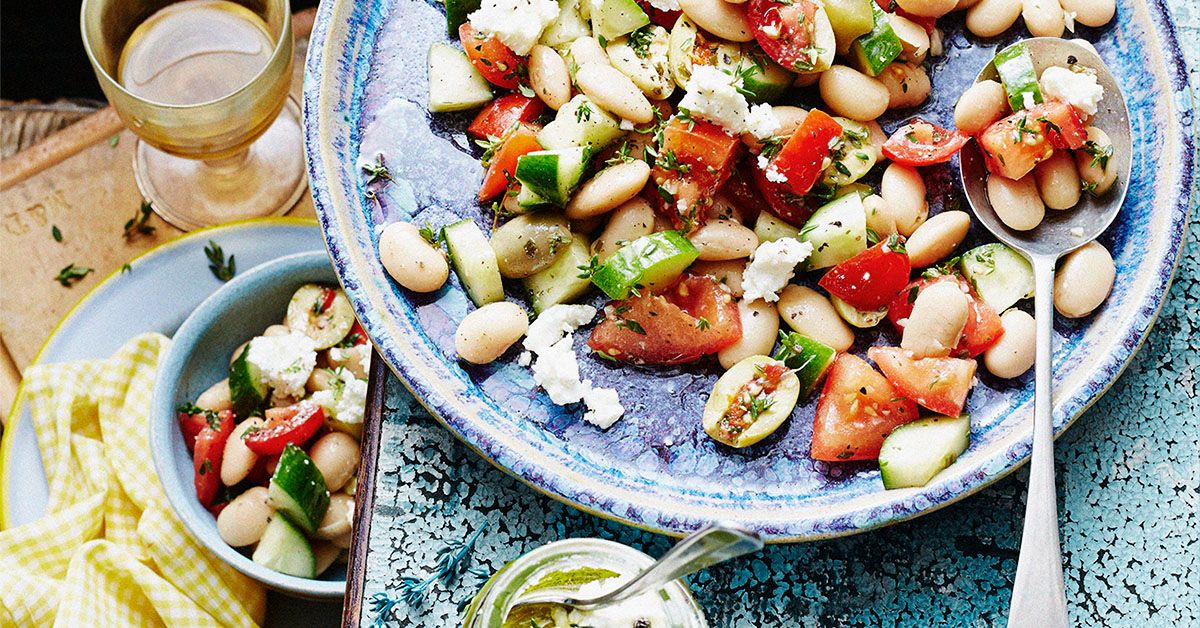
- Mediterranean salad: Add cucumber, cherry tomatoes, olives, feta, chickpeas, mint, and red wine vinaigrette.
- Garlic Parmesan: Stir in butter, garlic, Parmesan, and a splash of broth for a creamy side dish.
- Roasted vegetable bowl: Serve with roasted zucchini, eggplant, peppers, carrots, or cauliflower.
- Warm spiced couscous: Add cinnamon, cumin, coriander, raisins, toasted almonds, and parsley.
- Protein dinner: Top with grilled chicken, salmon, shrimp, lamb meatballs, or crispy tofu.
If you are building a full meal, remember balance. Israeli couscous brings chew and mild nuttiness. Add acidity from lemon or vinegar, richness from olive oil or cheese, freshness from herbs, and crunch from nuts or vegetables. That combination keeps the dish lively instead of heavy.
Common Mistakes When Cooking Israeli Couscous
Using Too Much Liquid
Too much water can make Israeli couscous mushy. For the absorption method, start with 1 1/4 to 1 1/2 cups liquid per cup of couscous. You can always add a splash more if the pan dries out before the pearls are tender.
Skipping Salt
Israeli couscous needs seasoning while it cooks. Adding salt only at the end makes the outside taste salty while the inside stays bland. Salt the cooking liquid the way you would with pasta or rice.
Cooking on High Heat
A wild boil can break down the couscous and cause sticking. Once the liquid comes to a boil, reduce the heat to a gentle simmer. Low and steady wins the pearl race.
Forgetting to Stir at the Beginning
After adding liquid, stir once or twice to separate the pearls. You do not need to stir constantly, but a little early attention prevents clumping at the bottom of the pan.
Serving It Without a Finish
Plain couscous is fine, but finished couscous is better. A drizzle of olive oil, squeeze of lemon, handful of herbs, or pinch of black pepper can make the difference between “side dish” and “why is everyone asking for seconds?”
How to Make Israeli Couscous Salad
Israeli couscous salad is one of the best make-ahead lunches because the pearls hold their shape better than many small pastas. Cook the couscous pasta-style, drain it, toss it with olive oil, and let it cool. Then add vegetables, herbs, and dressing.
A dependable formula is 2 cups cooked couscous, 1 cup chopped vegetables, 1/2 cup beans or cheese, 1/4 cup herbs, and enough vinaigrette to coat everything lightly. Try cucumber, tomatoes, chickpeas, feta, parsley, mint, and lemon vinaigrette for a bright Mediterranean version. For a heartier salad, add roasted sweet potatoes, kale, dried cranberries, toasted pecans, and a maple-Dijon dressing.
The trick is to dress the couscous while it is slightly warm. Warm pearls absorb flavor better than cold ones. Save a little dressing to refresh the salad before serving because pasta salads tend to drink dressing like they have just crossed a desert.
How to Make Creamy Israeli Couscous
For a risotto-style dish, cook Israeli couscous with aromatics and add broth gradually. Start by sautéing onion or shallot in butter or olive oil. Add couscous and toast it briefly. Pour in a splash of white wine if you like, then add warm broth in small amounts, stirring often until the liquid is absorbed. Finish with Parmesan, butter, peas, asparagus, mushrooms, or herbs.
This method creates a creamy texture because the starch from the pasta pearls blends with the broth. It is faster and more forgiving than traditional risotto, but it still feels cozy and impressive. Serve it with roasted chicken, seared scallops, sautéed mushrooms, or a crisp green salad.
How Much Israeli Couscous Per Person?
As a side dish, plan on about 1/4 cup dry Israeli couscous per person. One cup dry couscous usually yields about 2 1/2 to 3 cups cooked, depending on the brand and cooking method. For a main dish or salad bowl, use 1/3 to 1/2 cup dry couscous per person, especially if you are adding protein and vegetables.
How to Store and Reheat Israeli Couscous
Let cooked couscous cool, then store it in an airtight container in the refrigerator for 3 to 4 days. If it is part of a salad with delicate greens, the greens may wilt faster, so store them separately when possible. For food safety and better texture, refrigerate leftovers promptly instead of letting them sit on the counter while everyone debates who gets the last piece of chicken.
To reheat, add a splash of water or broth and warm it gently in a saucepan over low heat, stirring occasionally. You can also microwave it in short bursts, covered, with a little added moisture. If reheating a salad-style couscous, consider serving it at room temperature or refreshing it with olive oil and lemon juice instead of heating it.
Easy Israeli Couscous Recipe
Ingredients
- 1 cup Israeli couscous
- 1 tablespoon olive oil
- 1 small shallot, finely chopped
- 1 garlic clove, minced
- 1 1/2 cups low-sodium vegetable or chicken broth
- 1/2 teaspoon kosher salt
- 1/4 teaspoon black pepper
- 1 teaspoon lemon zest
- 1 tablespoon lemon juice
- 2 tablespoons chopped parsley
- Optional: 2 tablespoons crumbled feta or grated Parmesan
Directions
- Heat olive oil in a medium saucepan over medium heat.
- Add shallot and cook for 2 minutes, until softened.
- Add garlic and cook for 30 seconds.
- Stir in Israeli couscous and toast for 3 minutes, stirring often.
- Add broth, salt, and pepper. Bring to a boil.
- Reduce heat to low, cover, and simmer for 10 to 12 minutes.
- Remove from heat and let stand, covered, for 3 minutes.
- Fluff with a fork, then stir in lemon zest, lemon juice, parsley, and cheese if using.
- Taste and adjust salt, pepper, or lemon before serving.
Serving Ideas for Israeli Couscous
Israeli couscous can be a side dish, salad base, soup ingredient, or main-course foundation. Serve lemon herb couscous with grilled salmon and roasted asparagus. Pair garlicky couscous with chicken thighs and a tomato cucumber salad. Add it to vegetable soup near the end of cooking so it stays pleasantly chewy. Toss it with roasted eggplant, tomatoes, basil, and balsamic vinegar for a warm vegetarian dinner.
For meal prep, make a batch on Sunday and use it three ways: warm with eggs and spinach for breakfast, cold with chickpeas and feta for lunch, and reheated with shrimp and vegetables for dinner. Israeli couscous is especially useful because it does not demand attention. It sits in the background and lets bold ingredients shine, which is more than can be said for some dinner guests.
Experience Notes: What Cooking Israeli Couscous Teaches You in a Real Kitchen
The first thing you learn from cooking Israeli couscous is that “simple” does not mean “boring.” A cup of tiny pasta pearls, a spoonful of oil, and a little broth can become something that tastes restaurant-adjacent in about 15 minutes. The second thing you learn is that texture matters. Israeli couscous is at its best when it is tender but still springy, like pasta cooked just past al dente. If it becomes mushy, the dish loses its charm. It still tastes fine, but the pearls stop being pearls and start becoming a committee.
One practical experience is that toasting makes a bigger difference than expected. The first time you toast Israeli couscous properly, the smell changes from plain pantry pasta to warm, nutty comfort. It is subtle, but it gives the finished dish more character. Toasting also encourages you to slow down for a moment, which is helpful because many couscous disasters come from rushing. Medium heat, frequent stirring, and a watchful eye are all you need.
Another useful lesson is that broth is not optional if you want a fuller flavor. Water works, especially when you plan to add a bold dressing or sauce later, but broth gives the couscous a savory backbone. Low-sodium broth is best because you can control the final seasoning. If the broth is salty and you add salty cheese or olives later, the dish can quickly become a sodium parade with tiny pasta floats.
Israeli couscous is also forgiving in ways that rice is not. If it is a little undercooked, you can add a splash of liquid and simmer it for another minute or two. If it is slightly dry after sitting, olive oil, lemon juice, or warm broth brings it back. If you make too much, leftovers become salad the next day. That kind of flexibility is exactly why it deserves a regular place in the pantry.
In everyday cooking, the best Israeli couscous dishes usually have contrast. Soft couscous with crunchy cucumber. Warm pearls with cold feta. Nutty toasted couscous with bright lemon. Chewy pasta with crisp roasted chickpeas. When the dish feels flat, it usually needs acid, herbs, or texture rather than more salt. A squeeze of lemon can wake up the whole bowl faster than coffee wakes up a Monday morning.
For beginners, the easiest confidence-building version is lemon herb Israeli couscous. It is hard to mess up, it pairs with nearly everything, and it teaches the key moves: toast, simmer, rest, fluff, finish. Once that feels natural, you can improvise with roasted vegetables, tomato sauce, spiced onions, nuts, dried fruit, or creamy Parmesan. Israeli couscous rewards small upgrades. Add a handful of parsley and suddenly dinner has posture. Add toasted almonds and people think you planned ahead. Add lemon zest and you are basically the person at the table who “knows a little something about balance.”
The final experience-based tip is to taste at the end. Recipes provide structure, but your pan, your broth, and your brand of couscous all have opinions. Taste for tenderness. Taste for salt. Taste for brightness. Then adjust. Cooking Israeli couscous is not about memorizing a rigid formula; it is about learning a flexible method that can bend toward salads, sides, soups, and quick weeknight dinners. Once you understand that, the little pearls become much more than a pantry backup. They become a reliable, fast, and surprisingly elegant way to make dinner feel complete.
Conclusion
Learning how to cook Israeli couscous is mostly about understanding that it behaves like tiny pasta, not instant couscous. Toast it for flavor, simmer it gently with the right amount of liquid, let it rest, and finish it with something bright or fresh. Whether you serve it warm with herbs, chilled in a Mediterranean salad, stirred into soup, or cooked creamy like risotto, pearl couscous is one of the easiest ingredients to turn into a polished dish.
The basic formula is simple: 1 cup Israeli couscous, 1 1/4 to 1 1/2 cups liquid, a little oil or butter, salt, and about 10 to 12 minutes of cooking. From there, you can build endless variations with lemon, garlic, vegetables, cheese, nuts, beans, seafood, chicken, or roasted vegetables. It is quick enough for a weeknight, elegant enough for guests, and flexible enough to survive whatever is currently happening in your refrigerator.
Note: This article was written as original, web-ready content based on widely accepted cooking methods, food safety guidance, and practical recipe knowledge from reputable culinary references.