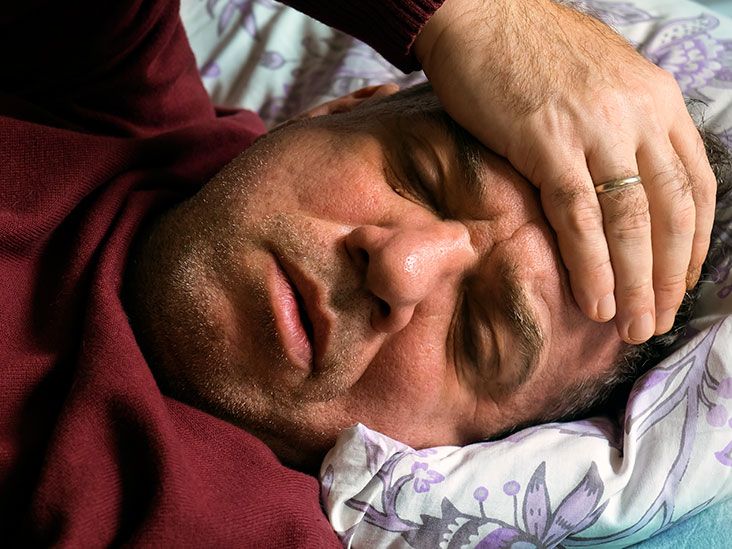

If you’ve ever jolted awake convinced a door just slammed, a firework went off in your bedroom, or your brain briefly tried out for a Marvel sound team… welcome to the confusingly dramatic world of exploding head syndrome (EHS). The name is theatrical. The experience can be terrifying. The good news is usually boringin the best possible way: it’s typically painless and not dangerous.
EHS is one of those sleep phenomena that sounds fake until it happens to you. It tends to strike during that slippery moment when you’re falling asleep or waking upwhen your brain is changing shifts and the lights in the control room flicker. This article breaks down what EHS is, what might cause it, how it’s diagnosed, and what treatments (and practical habits) can actually help you sleep without nightly jump scares.
What is exploding head syndrome (EHS)?
Exploding head syndrome is a type of parasomniaan umbrella term for unusual experiences that happen as you fall asleep, during sleep, or as you wake up. With EHS, a person perceives a sudden, loud sound (or an “explosion-like” sensation) that seems to originate inside their head. The sound isn’t real, other people can’t hear it, andcruciallyit’s not typically followed by significant pain.
Some clinicians also call it episodic cranial sensory shocks, which sounds less like a haunted house attraction and more like an overachieving neuroscience term. Same party, different invitation.
Common symptoms (and why it feels so real)
EHS episodes usually happen during transitions between wakefulness and sleep. People describe the “sound” in a lot of creative ways, including:
- a bomb or explosion
- a gunshot
- thunder cracking close by
- a cymbal crash, static burst, or electrical “zap”
- glass shattering or a door slamming
The episode is often briefsometimes less than a secondbut the body’s reaction can linger. Along with the loud noise perception, people may experience:
- intense startle (your nervous system hits the panic button)
- racing heart or palpitations
- sweating
- muscle jerks (myoclonus)
- flashes of light (some people report a bright “camera flash” effect)
- difficulty falling back asleep (because you now suspect your pillow is armed)
Is exploding head syndrome painful?
Most of the time, EHS is not painful. That doesn’t mean it’s “no big deal.” Fear can be a powerful sleep thief, and repeated episodes can lead to anxiety around bedtime. But pain, ongoing neurological symptoms, or severe headache after an episode are signals to talk with a healthcare professional promptly.
How common is exploding head syndrome?
Estimates vary (because people don’t exactly bring this up at brunch), but research and clinical sources suggest that a meaningful chunk of the population may experience EHS at least once. Some people have a single episode in their lifetime. Others may experience clustersseveral episodes in one night for a few nightsfollowed by weeks or months of nothing.
EHS can occur at many ages. Older assumptions painted it as mostly affecting older adults and women, but newer survey-based research suggests it can show up in younger people too, including college studentsespecially during periods of stress, irregular sleep, and exhaustion (also known as “midterms”).
Exploding head syndrome causes: what we know (and what we don’t)
Here’s the honest truth: experts don’t fully know what causes EHS. But there are several leading theories and known associations that help explain why it happens.
1) A “sleep-wake transition” glitch
One popular explanation is that EHS is an abnormal transition between wakefulness and sleep. Think of it like your brain powering down… except the audio system fires one last dramatic sound effect instead of quietly logging off. Some researchers describe this as a brief “misfire” in the brain’s sensory processing during sleep onset or awakening.
2) Sudden electrical activity in sensory pathways
Another theory involves brief bursts of electrical activity in brain regions involved in processing sensory informationespecially auditory signals. This does not automatically mean you have epilepsy, but it helps explain why the experience is so vivid.
3) Links to other sleep disorders and sleep disruption
EHS appears more likely in people who are sleep-deprived, have insomnia, or keep irregular sleep schedules. Some people also report EHS alongside other parasomnias or sleep-related phenomena (including sleep paralysis in some studies). When sleep becomes fragmented, the brain’s transitions become choppiermore opportunities for weirdness.
4) Stress, anxiety, and fatigue as triggers
Many people notice episodes during high-stress periods. Stress doesn’t “cause” EHS in a simple one-to-one way, but it can prime the nervous system for hyperarousal, making sleep lighter and transitions more unstable. Fatigue can do the same. In other words: when your brain is overworked, it may start freelancing.
5) Medication changes (especially abrupt stopping)
Some clinical sources note that suddenly stopping certain medicationsincluding some antidepressants (like SSRIs) or benzodiazepinesmay be associated with EHS-like episodes in some people. This doesn’t mean “meds are bad.” It means the brain hates abrupt change. If you’re considering stopping a medication, do it with a clinician’s guidance.
6) Other proposed contributors
Additional theories include inner ear issues, migraine aura-like phenomena, and other neurological explanations. None of these are confirmed as “the” cause in all cases. EHS is best understood as a syndromemeaning a cluster of experiences that can arise from multiple pathways.
EHS vs. “something serious”: how to tell what’s what
Because EHS can feel intense, it’s common to worry about seizures, strokes, brain tumors, or aneurysms. The vast majority of the time, EHS is benign. Still, it’s smart to know the difference between EHS and other conditions that can mimic it.
Exploding head syndrome vs nocturnal seizures
EHS episodes are often remembered clearly: “I heard a bang, I woke up terrified.” Nocturnal seizures are frequently not remembered, and they may be associated with tongue biting, incontinence, unusual movements witnessed by a bed partner, or confusion afterward. If there’s any doubt, clinicians may recommend an EEG or sleep study to rule things out.
Exploding head syndrome vs migraines and headaches
Migraine aura can involve sensory changes, and some sources discuss aura-like links. But migraines typically involve significant head pain (or other classic migraine features) that last longer than seconds. EHS, by contrast, is usually brief and painless.
Exploding head syndrome vs panic attacks
Panic can happen at night, and the physical symptoms overlap (racing heart, fear, sweating). The “signature” of EHS is the sudden perceived loud sound (sometimes with a flash) occurring during a sleep transition.
When to see a doctor right away
Talk with a healthcare professional promptly (or seek urgent care) if you experience:
- a sudden, severe headache (“worst headache of your life”)
- weakness, numbness, trouble speaking, facial droop, or other stroke-like symptoms
- confusion, fainting, or prolonged disorientation
- new seizures or episodes with significant movement you can’t control
- symptoms that worsen rapidly or interfere heavily with daily function
How exploding head syndrome is diagnosed
There isn’t a single “EHS test.” Diagnosis usually comes from a detailed symptom storywhat happened, when it happens (sleep onset vs waking), how long it lasts, and what else you felt. Many clinicians will ask about stress, sleep habits, medication changes, caffeine, alcohol, and other sleep issues.
Depending on your situation, a clinician may recommend tests to rule out other causesespecially if symptoms are new, severe, or atypical. These may include:
- sleep study (polysomnography) to look for other sleep disorders
- EEG if seizures are a concern
- MRI in select cases to exclude other neurological conditions
Practical tip: keeping a sleep diary (or notes in your phone) can speed up diagnosis. Track bedtime, wake time, caffeine/alcohol, stress level, naps, and the timing of episodes. Patterns often pop out when you write them down.
Exploding head syndrome treatment: what actually helps
The most commonand most underratedtreatment is reassurance. When people learn EHS is typically benign, the fear response often cools down, which can reduce future episodes. But “don’t worry” is not a plan, so let’s talk about real strategies.
1) Improve sleep hygiene (boring, effective, repeatable)
Sleep hygiene isn’t glamorous, but it’s the foundation for smoother sleep transitions:
- keep a consistent sleep and wake schedule (yes, even weekendsmostly)
- limit caffeine late in the day
- avoid heavy alcohol close to bedtime (it fragments sleep later in the night)
- create a wind-down routine: dim lights, quiet activities, minimal doom-scrolling
- keep the bedroom cool, dark, and comfortable
2) Reduce stress and nighttime hypervigilance
Stress management is not just a daytime project; it’s sleep protection. Helpful options include:
- breathing exercises (slow exhale cues the nervous system to downshift)
- progressive muscle relaxation
- guided meditation or body scans
- gentle stretching or yoga before bed
- therapy for anxiety (especially if sleep fear is building)
3) Treat related sleep problems
If EHS rides alongside insomnia, restless sleep, or suspected sleep apnea, treating the underlying sleep disorder can reduce overall sleep instability. A sleep specialist can help figure out whether something else is stirring the pot at night.
4) Medication options (off-label, for persistent or severe cases)
There is no universally approved, one-size-fits-all medication for EHS. However, some clinicians may use medications off-labelespecially when episodes are frequent, distressing, or intertwined with anxiety and insomnia. Medications discussed in clinical resources include:
- tricyclic antidepressants (for example, amitriptyline)
- clomipramine (sometimes used for obsessive-compulsive disorder)
- calcium channel blockers (for example, nifedipine)
- anti-seizure medications (for example, topiramate)
Important: medication decisions should be made with a clinician who knows your medical history and current meds. “Try my cousin’s leftover prescription” is not a treatment planit’s a plot twist.
5) What to do in the moment (a mini game plan)
When an episode happens, your goal is to prevent your brain from turning it into a three-act tragedy:
- Name it: “This is likely EHSscary, not dangerous.”
- Slow your breathing: longer exhale, relaxed jaw, shoulders down.
- Don’t chase the sound: avoid checking the house unless you truly have reason to believe it was real.
- Reset gently: low light, calm activity for 5–10 minutes, then back to bed.
- Log it quickly: note stress, fatigue, caffeine, bedtimethen let it go.
Can you prevent exploding head syndrome?
Because the exact cause isn’t fully known, prevention isn’t perfect. But many people reduce episodes by managing triggersespecially sleep deprivation, stress, and irregular schedules. If you notice clusters, consider it a message from your nervous system: “We’re running on fumes. Please schedule maintenance.”
Quick FAQ
Is exploding head syndrome dangerous?
Generally, EHS is considered benign and not physically dangerous. The main “damage” tends to be fear, sleep disruption, and anxiety about sleep.
Is exploding head syndrome a seizure?
EHS is not considered a seizure disorder by default. Some theories involve seizure-like electrical activity, but that doesn’t mean you have epilepsy. Clinicians can rule out seizures if symptoms suggest that possibility.
Will exploding head syndrome go away?
For many people, episodes are rare and may fade over timeespecially with better sleep regularity and stress reduction. If episodes are frequent or worsening, evaluation can help identify contributors and options.
Real-life experiences with EHS (what people describe, and what helped)
Because exploding head syndrome is so weirdly specific, people often spend months (or years) thinking they’re the only one whose brain occasionally plays a prank with surround sound. Below are composite, real-world-style experiences based on common reportsshared here to help you recognize patterns and feel less alone.
The “Neighborhood Fireworks” Experience: One person describes drifting off and suddenly hearing what sounded exactly like a firecracker detonating inches from their ear. They shot upright, heart pounding, and did the classic “Is everyone else awake?” scan. Nobody moved. The dog didn’t care. The realization that it was internal was somehow both relieving and insultinglike, “Really, brain? We’re doing this now?” What helped most was learning the name (EHS), then using a short breathing routine after episodes instead of checking windows and locks. Once the fear dropped, the episodes became less frequent.
The “Door Slam + Flashbulb” Experience: Another common story includes a loud “BANG” paired with a quick flash of lightlike a camera went off in the room. This can be especially unsettling because your senses team up to convince you it was real. People often say the flash makes them worry about neurological issues. In many cases, clinicians reassure them that EHS can include visual phenomena and that the absence of ongoing symptoms is reassuring. These individuals tend to benefit from consistent sleep timing and avoiding late-night screens, which can keep the brain in a more “wired” state.
The “Finals Week Cluster” Experience: A younger adult reports episodes during a stretch of late-night studying: short sleep, lots of caffeine, high stress. They experienced multiple “explosions” over several nights and began to dread bedtime. The dread became its own fuelhypervigilance makes it harder to fall asleep, which makes sleep transitions shakier, which increases the odds of another episode. The turning point was treating it like a sleep hygiene emergency: cutting caffeine after lunch, adding a 20-minute wind-down routine, and using cognitive behavioral therapy for insomnia (CBT-I) techniques (like limiting time awake in bed). The episodes didn’t vanish overnight, but the cycle broke.
The “Medication Change Surprise” Experience: Some people notice EHS-like episodes around medication changesespecially abrupt stopping of certain drugs. One person described it as “electrical fizzing” and a loud pop as they fell asleep, during a week when their prescriptions had changed. The key lesson here is not that medications “cause” EHS universally, but that rapid changes in brain chemistry and sleep architecture can make the nervous system more reactive. Working with a clinician on a gradual adjustment plan, plus adding relaxation techniques at bedtime, helped steady sleep and reduce episodes.
The “I Thought I Was Losing It” Experience: Many people feel embarrassed describing EHS. They worry a doctor will dismiss them or label it anxiety. Ironically, being dismissed can increase anxiety, which can worsen sleep. People often feel immediate relief when a clinician recognizes EHS as a known parasomnia. If you’re nervous, write your symptoms down ahead of time: when it happens, what it sounds like, how long it lasts, and whether there’s pain (usually no). Clear notes help clinicians differentiate EHS from seizures, migraines, or other concerns.
Across these experiences, a few themes repeat: fear amplifies the problem, sleep deprivation invites it, and simple stabilizersregular sleep schedule, stress reduction, and treating insomniaoften make a noticeable difference. If you can remember one thing after a 2 a.m. bang: it’s usually your brain tripping over the sleep-wake threshold, not your skull trying to rebrand as a percussion instrument.
Conclusion
Exploding head syndrome can be startling, surreal, and honestly rude. But it’s typically a benign parasomniamore “false alarm” than “medical emergency.” The most effective approach usually starts with education and reassurance, then builds into practical steps: stabilize your sleep schedule, reduce stress, treat insomnia or other sleep issues, and work with a clinician if episodes are frequent, worsening, or accompanied by red-flag symptoms.
If your nights have been hijacked by imaginary bangs, you’re not brokenand you’re definitely not alone. Your brain is just being dramatic during a shift change. Fortunately, drama responds well to routine.