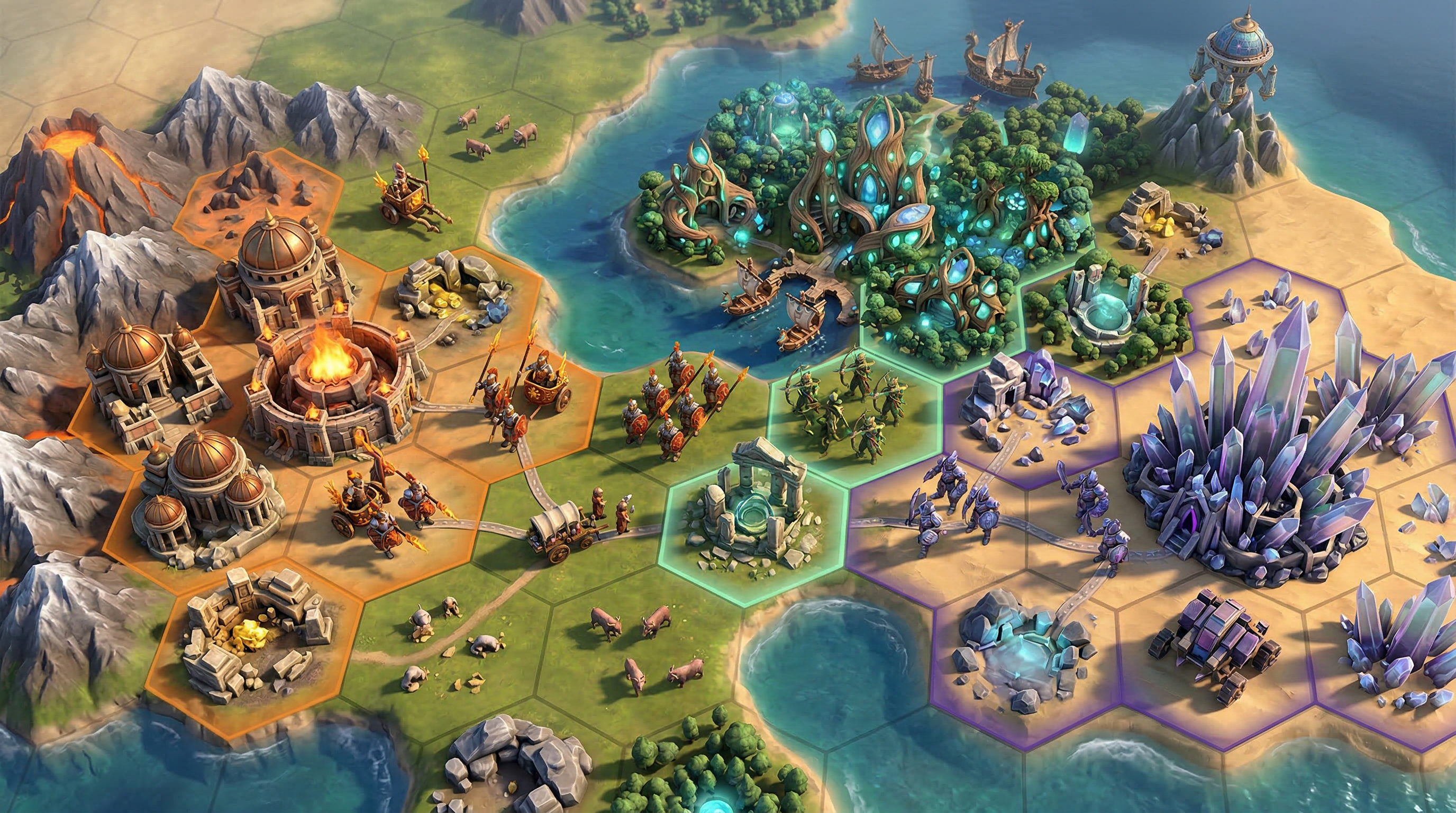
In the high-stakes world of strategy gaming, mastering real-time terrain conquest is often the thin line between a crushing defeat and total map dominance. Unlike turn-based titles that allow for meditative planning, these games demand rapid-fire decision-making, where every second spent positioning your units or fortifying a perimeter directly influences your ability to push forward. Whether you are struggling to secure the center of the map or find yourself constantly outmaneuvered by an aggressive opponent, success requires a deep understanding of how to balance offensive momentum with sustainable infrastructure.
In this guide, we will break down the essential tactics for controlling the battlefield, from managing vital supply lines to executing perfect flanking maneuvers. You will learn how to transition from early-game expansion to a dominant mid-game position while utilizing the environment to your distinct advantage. By refining your approach to resource management games and tactical positioning, you will develop the consistency needed to outlast your rivals in even the most chaotic skirmishes.
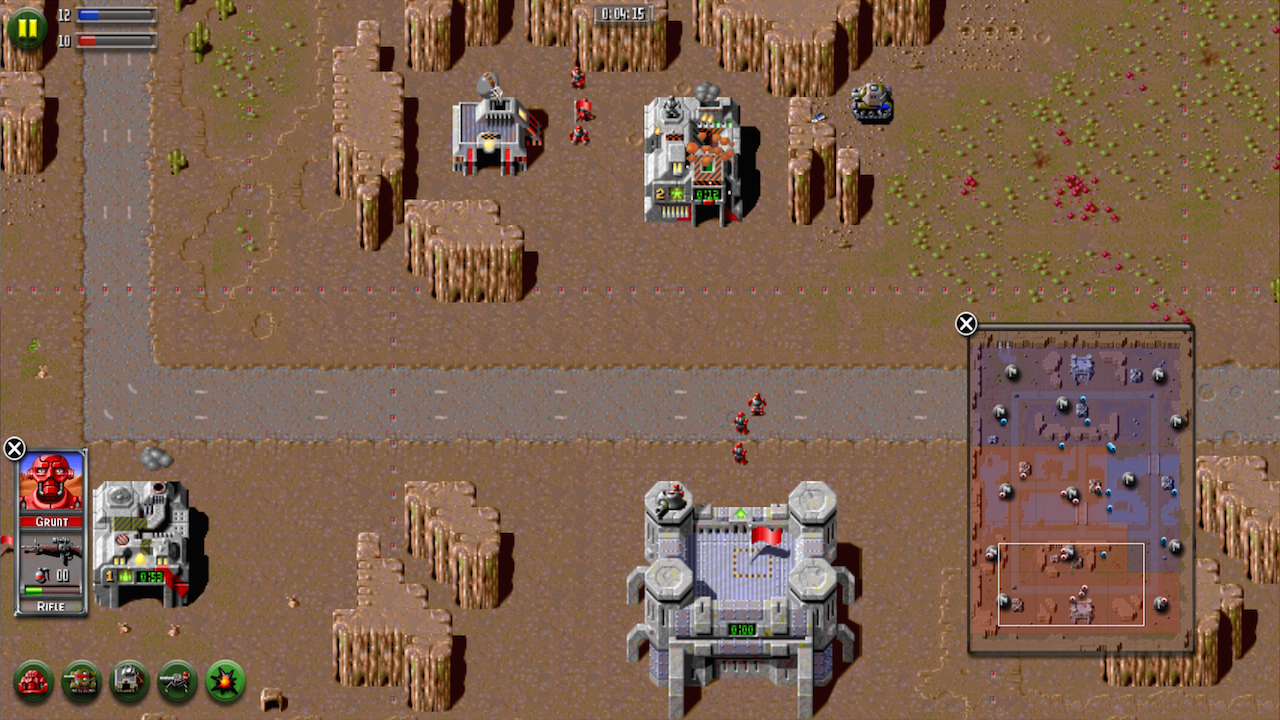
1. Mastering Foundational Mechanics and Real-time Terrain Conquest Strategy
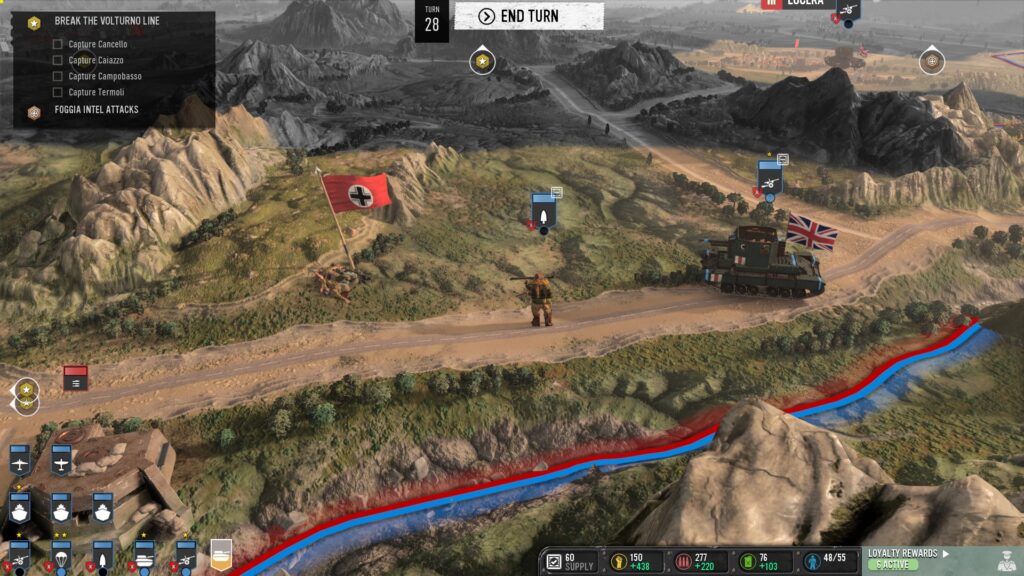
1.1 Initial Deployment and Map Control Fundamentals
1.1.1 Identifying High-Value Resource Nodes and Strategic Chokepoints
Successful real-time terrain conquest begins long before the first major skirmish. The moment you enter a map, your priority must be the identification of high-value resource nodes. These are the lifeblood of your operation, fueling the rapid expansion required to outpace competitors. Simultaneously, you must survey the geography for strategic chokepoints—narrow corridors or elevated positions that naturally funnel enemy movement. Controlling these bottlenecks allows you to exert influence over a wide area with a minimal unit footprint, essentially multiplying your combat efficiency.
1.1.2 Balancing Early Expansion Speed Against Defensive Infrastructure
The tension between rapid growth and territorial security is a classic hallmark of competitive resource management games. If you expand too quickly, your supply lines become brittle and easily severed by a coordinated raid. Conversely, over-investing in static defenses early on can leave you economically stagnant. The key is to build “flexible defense”—placing structures that guard your primary resource collectors while remaining close enough to the front line to provide rapid reinforcement for your offensive squads.
1.1.3 Prioritizing Economic Income Streams Versus Military Investment
A common pitfall for new players is the “all-in” military approach. While aggression is necessary, it must be sustainable. You should prioritize an economic snowball effect in the first few minutes, ensuring your income streams can support continuous unit production. Calculate the cost-to-benefit ratio of every structure. If an investment doesn’t provide a direct path to map control or resource extraction, reallocate those funds toward military tech that secures your current holdings.
1.2 Core Tactical Principles for Environmental Dominance
1.2.1 Implementing Multi-Layered Defensive Perimeters
In grid control strategy games, a single line of defense is rarely sufficient. You need a multi-layered approach: a forward scouting screen to provide early warning, a secondary line of static turrets for area denial, and a tertiary “rapid response” reserve force. This layered depth ensures that if an opponent breaks through your initial perimeter, they are met with escalating resistance rather than a clear path to your core.
1.2.2 Optimizing Unit Composition Based on Map Geometry
Not every unit is suited for every environment. High-density urban maps favor short-range, high-firepower squads, while open plains demand mobility and long-range engagement tools. Always tailor your unit composition to the map geometry; if you are forcing a specific unit type onto a terrain that negates its strengths, you are fighting against the map itself. Use scouts to determine the environment type early so you can transition your production queue accordingly.
1.2.3 Utilizing Elevation, Cover, and Environmental Hazard Modifiers
Terrain is not just aesthetic—it is a tactical weapon. Units stationed at higher elevations often receive bonuses to vision and attack range, while low-lying areas provide natural cover from projectiles. Identify environmental hazards, such as water bodies or hazardous terrain, and use them to your advantage by baiting aggressive opponents into positions where their movement speed is penalized. Mastering these passive modifiers allows you to win engagements where your raw unit power might otherwise be lower than your opponent’s.
2. Scaling Mid-Game Momentum and Advanced Terrain Conquest Tactics
2.1 Transitioning to Mid-Game Territorial Control
Transitioning from the initial setup to the mid-game requires a shift in mindset. You are no longer just surviving; you are now actively dictating the flow of the match through real-time terrain conquest. To maintain momentum, you must solidify your borders while simultaneously preparing your next expansion phase. This often involves converting your temporary outposts into permanent defensive hubs that support your broader military goals.
2.1.1 Navigating Tech Trees for Exponential Power Spikes
Mid-game dominance is rarely achieved through sheer unit numbers alone. Instead, it comes from identifying specific technology nodes that offer exponential power spikes. Focus on research that improves your movement speed across challenging terrain or unlocks specialized siege capabilities. By timing these upgrades to coincide with a push for new territory, you can overwhelm opponents who are still relying on early-game standardizations.
2.1.2 Engaging in Map Diplomacy to Neutralize Front-Runners
When a single player begins to snowball, the most effective tool at your disposal is often communication. Engaging in map diplomacy can create temporary alliances that shift the focus of the leaderboard toward the most powerful player, buying you the time needed to fortify your own position. Utilizing strategies found in turn-based war diplomacy can often translate into real-time environments, helping you manipulate the political landscape to ensure you aren’t the primary target for aggression.
2.1.3 Optimizing Supply Lines and Reinforcement Loops
As your territory grows, your supply lines become your greatest vulnerability. Overextension is a common pitfall; if your units are too far from their logistical source, they will inevitably crumble under a counter-attack. Build redundant reinforcement routes and prioritize the construction of forward operating bases that keep your units stocked and mobile. A consistent, unbroken chain of supplies ensures that your army remains combat-ready even when deep within enemy territory.
2.2 Advanced Psychological Warfare and Pitfall Mitigation
True mastery of the board involves playing the opponent as much as the game mechanics. By controlling the information your rivals have, you can force them into suboptimal decisions.
2.2.1 Executing Baiting Mechanics to Trap Aggressive Opponents
Aggressive players often prioritize immediate territorial gain over long-term stability. You can exploit this by intentionally leaving a high-value resource node poorly guarded. Once the opponent commits their main force to the bait, you can spring a trap using mobile units positioned in nearby fog-of-war zones. This not only destroys their immediate offensive capacity but forces them into a defensive scramble, slowing their overall progression.
2.2.2 Profiling Opponent Archetypes to Counter Specific Playstyles
Every player exhibits predictable patterns. Some favor defensive play, slowly expanding through fortified grid control strategy games, while others thrive on rapid, hit-and-run harassment. Profiling these behaviors allows you to tailor your unit composition and base layouts to counter their specific threats. If you notice an opponent leaning heavily on fast-moving scouting units, pivot your infrastructure to emphasize area-of-effect defenses that punish swarming tactics.
2.2.3 Diagnosing Economic Stagnation and Preventing Overextension
Stagnation is the silent killer of any strategy. If your resource income peaks while your army growth levels off, you are likely failing to claim necessary expansion zones. Conversely, expanding too quickly without the economy to support new units leads to overextension. Regularly audit your income streams against your military expenditure; if you cannot afford to replace your losses in the event of a setback, you must pull back and focus on hardening your existing perimeters before pushing further into enemy lines.
Mastering real-time terrain conquest requires more than just aggressive expansion; it demands a constant, delicate balance between economic stability and tactical military execution. Throughout this guide, we have explored how effective resource management games provide the necessary capital to sustain your front lines, while precise squad coordination tactics ensure that every unit is utilized to its maximum potential. Whether you are fortifying your borders with robust defense building planning or aggressively seizing neutral ground to disrupt your opponent’s momentum, the key to victory lies in your ability to adapt to the ever-changing map landscape.
By treating every grid control strategy game as a dynamic puzzle, you can transform from a reactive player into a dominant force that dictates the flow of battle. Remember that territorial control is not just about the space you occupy, but the pressure you apply to your adversary. If you are looking to refine your broader understanding of battlefield negotiation, our guide on turn-based war diplomacy offers additional perspectives on securing long-term strategic advantages. Apply these principles, remain observant of your supply chains, and continue to experiment with different unit compositions to see what works best in your specific gaming environment.