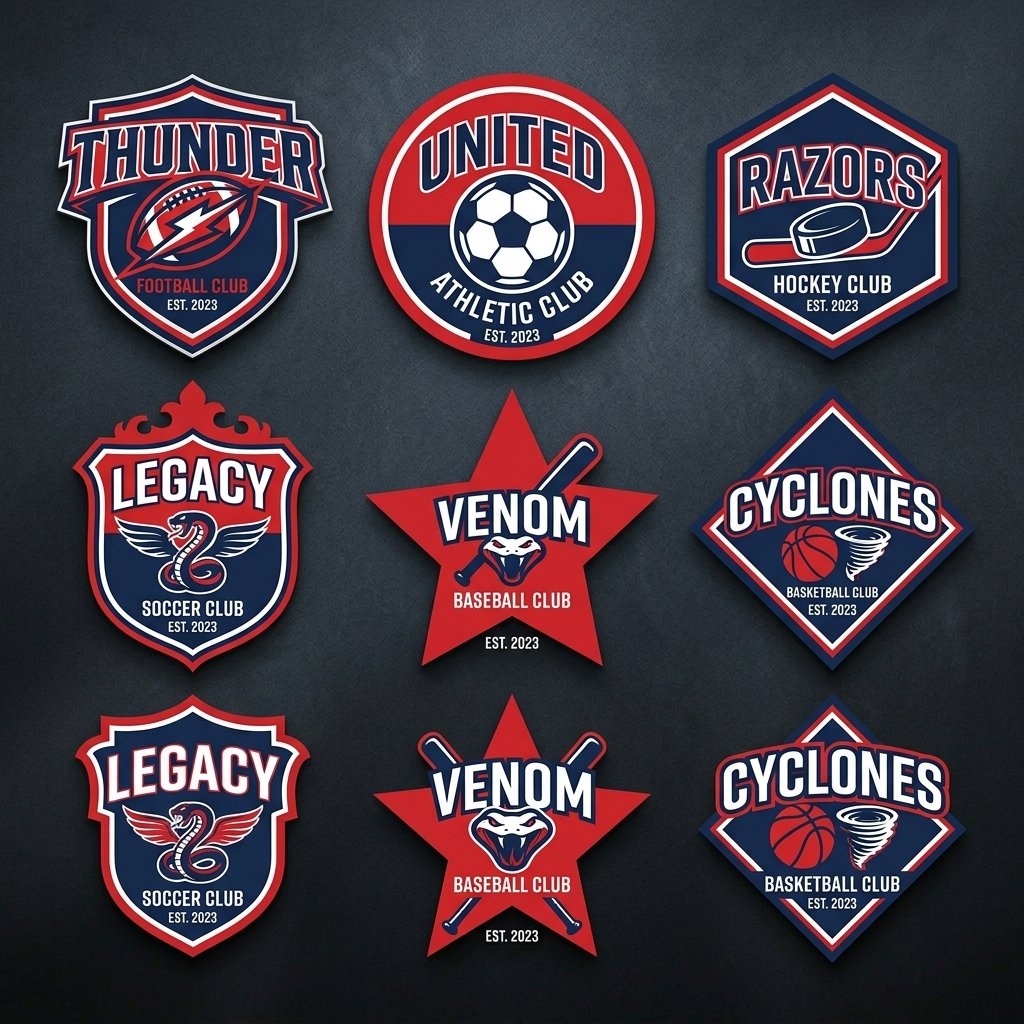
Whether you are building a competitive squad for virtual leagues or establishing a professional identity for a real-world club, your visual brand is the heartbeat of your organization. Sports team emblem creators have revolutionized how managers and enthusiasts approach branding, offering accessible tools to craft logos that command respect on the field and in the arena. A well-designed crest does more than look good; it embodies the spirit of your squad, creates a sense of unity, and leaves a lasting impression on your opponents.
In this guide, we will explore the best digital tools for crafting custom emblems, from AI-driven generators to professional-grade design software. You will learn how to align your visual identity with your managerial sports strategies and ensure your logo remains recognizable across every platform, from jerseys to social media. Discover how to transform simple concepts into iconic symbols that define your legacy and elevate your team’s presence in every competition you enter.
1. Selecting the Best Sports Team Emblem Creators for Your Branding Strategy
Establishing a professional identity is a critical step in building a lasting legacy for your club. Whether you are prepping for tournament play or refining your mastering managerial sports strategies, the right emblem serves as the visual cornerstone of your brand. Selecting the best sports team emblem creators requires balancing your technical skill, budget, and the specific aesthetic needs of your organization.
1.1 Evaluating Popular Emblem Creation Methods
Today’s digital landscape offers a spectrum of tools, ranging from rapid AI-generated concepts to complex, manual design workflows. Choosing the right method depends on whether you need a quick placeholder or a permanent, trademark-ready asset.
1.1.1 Comparison of AI-driven Logo Generators for Rapid Prototyping
AI-driven generators are excellent for brainstorming. They allow you to input prompts and generate dozens of variations in seconds. While they are unmatched for speed, they often lack the nuance required for high-level sports branding, frequently resulting in generic icons that may struggle to stand out in a competitive field.
1.1.2 Benefits and Limitations of DIY Design Platforms Like Canva
DIY platforms provide user-friendly drag-and-drop interfaces with vast libraries of templates. These are highly accessible for those without formal design training. However, the limitation lies in originality; because many teams use the same template libraries, achieving a truly unique look that isn’t shared by dozens of other squads can be difficult.
1.1.3 When to Utilize Vector-based Professional Software
Professional software like Adobe Illustrator is the gold standard. You should move to these tools when you need complete control over every curve and node. This path is essential for creating high-end work that requires specific, custom-drawn mascot lines that automated software cannot replicate.
1.1.4 Outsourcing to Freelance Designers versus Specialized Sports Branding Agencies
If your budget permits, hiring an expert is often the best long-term investment. Freelancers offer personalized attention, while specialized branding agencies bring deep industry experience, ensuring your emblem adheres to modern sports marketing trends and technical printing requirements.
1.2 Essential Features to Look for in Emblem Creation Software
Not all design tools are built for the intensity of sports branding. Your chosen software must handle technical demands to ensure your logo looks sharp on a jersey, a screen, or a banner.
1.2.1 Importance of Vector Output for Print Scalability
Always prioritize software that exports in vector format. Unlike pixel-based images, vector files (like SVG or EPS) can be scaled to any size without losing resolution, which is non-negotiable for large-format printing on equipment or stadiums.
1.2.2 Access to Sports-specific Typography and Mascot Libraries
A great sports emblem needs a distinct, aggressive typeface. Look for software that provides access to bold, athletic-style fonts. Additionally, built-in mascot libraries can help you construct complex characters, such as fierce predators or stylized warriors, with greater ease.
1.2.3 Export Capabilities for Industry-standard File Formats like AI, EPS, and SVG
Your emblem will need to exist in many environments. Ensure your software supports industry-standard formats. Having the native file ensures that if a professional printer asks for your artwork in a specific color profile or layer format, you are prepared to provide it.
1.2.4 Usability and Learning Curves for Non-designers
If you are not a professional graphic artist, avoid software with an overly steep learning curve. The best tools offer robust features while remaining intuitive enough for you to experiment with layout and color theory without getting lost in technical settings.
1.3 Planning Your Visual Identity Before Using Creators
Before launching a design tool, you need a clear vision. Jumping into design software without a plan often leads to wasted time and a disjointed brand image.
1.3.1 Defining Core Team Values and Competitive Archetypes
Consider the personality of your team. Are you a high-energy, offensive squad or a slow, calculated defensive unit? Your mascot and emblem should reflect these core values, acting as an extension of your team’s competitive nature.
1.3.2 Selecting High-contrast Color Palettes for Maximum Visibility
Sports emblems need to be legible from a distance. Choose two or three core colors that offer high contrast. High-visibility palettes ensure that your logo remains recognizable even when reduced to the size of a small digital avatar on a leaderboard.
1.3.3 Balancing Mascot Imagery with Minimalist Crest Design
The best emblems strike a balance between flair and function. While a detailed mascot is exciting, a minimalist crest or icon is often more versatile. Think about how your design will look when embroidered on a cap versus printed on a website header, and simplify your elements to ensure clarity at every scale.
2. Executing and Maintaining High-Impact Team Branding
2.1 Anatomy of Professional Sports Emblems
2.1.1 Creating Dynamic Mascot Expressions for Increased Engagement
A memorable emblem often hinges on the character or mascot it features. To foster a sense of power and competitive spirit, focus on dynamic expressions rather than static, passive imagery. In sports branding, this often involves subtle details like angled brows, bared teeth, or an intense gaze that suggests action. These visual cues resonate with fans and gamers alike, building a psychological connection before the game even begins.
2.1.2 Best Practices for Custom Typography and Legible Lettering
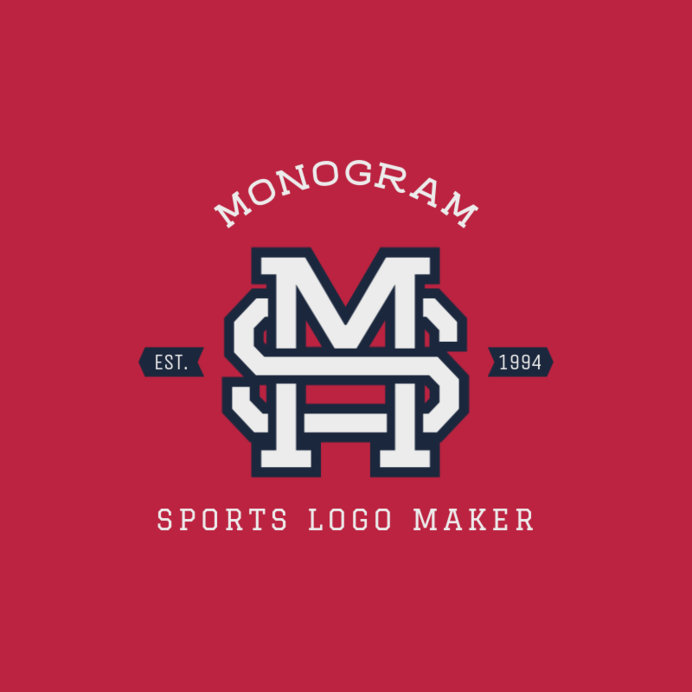
Your team’s typeface should complement the energy of your logo. While decorative fonts are tempting, legibility is the primary metric for professional branding. Avoid overly complex flourishes that disappear when scaled down for social media avatars or jersey patches. Instead, opt for strong, high-contrast, slab-serif or custom-built block lettering that maintains readability from a distance. Consistent typography across your branding assets helps solidify your identity during championship career modes where recognizable branding enhances player immersion.
2.1.3 Balancing Complexity for Embroidery, Screen Printing, and Digital Avatars
A common pitfall in emblem creation is over-detailing. You must design with the medium in mind; what looks crisp on a 4K monitor might become a blurred mess when embroidered onto a cap or screen-printed on a jersey. Stick to bold, clean line work and limited color palettes. A good rule of thumb is to ensure your design remains identifiable even when reduced to a 100×100 pixel social media icon.
2.2 Step-by-Step Emblem Development Workflow
2.2.1 Conceptualization and Sketching Initial Ideas
Start your process away from the computer. Sketching allows you to explore multiple shapes, such as shields, circles, or mascots, without the constraints of software. Focus on silhouette and shape language; a strong emblem should be recognizable by its outline alone.
2.2.2 Digitizing Hand-drawn Concepts into Clean Vector Paths
Once you have a solid sketch, digitize it using vector software. This is the crucial bridge between a concept and a professional asset. By utilizing anchor points and Bézier curves, you ensure that your design can be resized infinitely without losing quality.
2.2.3 Refining Negative Space and Line Weight for Professional Polish
Professionalism is often defined by the “polish” of your shapes. Use negative space—the area around and between your subject—to simplify your design. Consistent line weight is also essential; varying it too much can cause printing issues. Clean, uniform paths lead to a sharper, more authoritative aesthetic.
2.2.4 Finalizing Assets for Diverse Applications
Before you launch your brand, export your logo in multiple formats. You will need high-resolution vector files (EPS or AI) for physical branding and optimized PNGs or SVGs for digital use. Organizing your files into a brand kit ensures you are always prepared to update your team’s visual assets.
2.3 Post-design Implementation and Brand Protection
2.3.1 Maintaining Consistency Across Jerseys, Merch, and Social Media
Branding is only effective when it is consistent. Establish a clear “style guide” that dictates your team’s specific hex color codes and font usage. When every touchpoint, from your virtual jersey in sports games to your community discord icon, reflects the same design language, your team’s prestige grows.
2.3.2 Understanding Basic Trademark and Copyright Considerations
As your team grows, you must consider the legal implications of your visual identity. Ensure your mascot or logo concept is unique and does not infringe upon existing trademarks. Registering your logo can prevent others from using your intellectual property as your team gains recognition in the competitive landscape.
2.3.3 Strategies for Updating a Legacy Logo Without Alienating Fans
If your team needs a refresh, do not abandon your history entirely. Consider an “evolutionary” redesign, where you retain the core elements of your legacy logo—such as the primary color or the mascot’s stance—while modernizing the line work. This honors your team’s past while signaling a new chapter, ensuring fan loyalty remains intact during the transition.
Crafting a memorable brand identity is the cornerstone of any successful sports organization, whether you are managing a local club or building a virtual powerhouse. By utilizing the right sports team emblem creators, you can move from a simple concept to a professional-grade logo that resonates with fans and competitors alike. Remember, an effective emblem does more than look good; it acts as the face of your team, reflecting your values and competitive spirit across every jersey, banner, and digital profile.
As you refine your visual identity, remember that consistency is your greatest asset. Whether you are focusing on team formation sports games or professional club management, your emblem should scale seamlessly across all platforms, from high-resolution merchandise prints to small-scale social media avatars. Take the time to experiment with different tools, prioritize vector-based designs, and stay true to your team’s unique archetype. With a clear vision and the right design resources, you have all the tools necessary to create a legacy-defining look that stands the test of time.