There is an undeniable rush that comes from syncing your movements to a high-energy soundtrack, and dynamic tempo arcade games represent the pinnacle of this sensory experience. Unlike static rhythm titles, these games force you to adapt on the fly, constantly shifting beats and changing patterns that demand total immersion. Whether you are a casual player looking to test your reflexes or a competitive enthusiast aiming for perfection, mastering these titles requires more than just natural rhythm; it demands a deep understanding of how to interpret complex audio-visual cues. By refining your input precision, optimizing your hardware setup, and sharpening your cognitive processing, you can transform your gameplay from chaotic button-mashing into a seamless performance of skill and accuracy. In this guide, we will explore the essential mechanics, hardware adjustments, and psychological strategies you need to dominate the leaderboard in the world of rhythm music games.

1. Mastering Mechanics and Hardware for Dynamic Tempo Arcade Games
1.1 Foundational Rhythm Mechanics and Input Precision
1.1.1 Interpreting Visual Cues Versus Audio Synchronization
Successful play in dynamic tempo arcade games requires a dual-track cognitive approach. You must learn to balance visual cues—typically notes falling toward a judgment line—with the underlying beat of the music. While visual tracking allows for anticipation of note density, audio synchronization is what dictates your actual hit window. Relying solely on your eyes often leads to “late” ratings, as the human brain processes visual information slightly slower than auditory input. Training yourself to internalize the pulse of the song allows you to hit notes instinctively, which is critical for mastering visual rhythm sequencing during complex sequences.
1.1.2 Calibrating Hardware Latency for Millisecond Accuracy
Even the best players can struggle if their equipment introduces “input lag.” In high-speed rhythm titles, a discrepancy of even 20 milliseconds between your physical input and the game’s registration can turn a “Perfect” into a “Good.” Most modern arcade-style titles include an offset calibration tool. Use this feature to test your specific hardware environment, ensuring that the game’s timing window perfectly aligns with your monitor’s refresh rate and your controller’s response time.
1.1.3 The Role of Wired Audio in Eliminating Input Delay
Wireless headphones and Bluetooth speakers are the natural enemies of precise beat matching. Bluetooth technology introduces inherent latency that fluctuates based on interference, making consistent synchronization nearly impossible. To achieve true precision, always utilize a wired connection for your audio. Whether using high-quality studio headphones or a direct-line speaker setup, eliminating wireless bottlenecks ensures the sound reaches your ears exactly when the game intends, providing the reliable feedback necessary for elite-level play.
1.2 Optimizing Your Physical Interface and Environment
1.2.1 Selecting Responsive Touchscreens and Arcade Peripherals
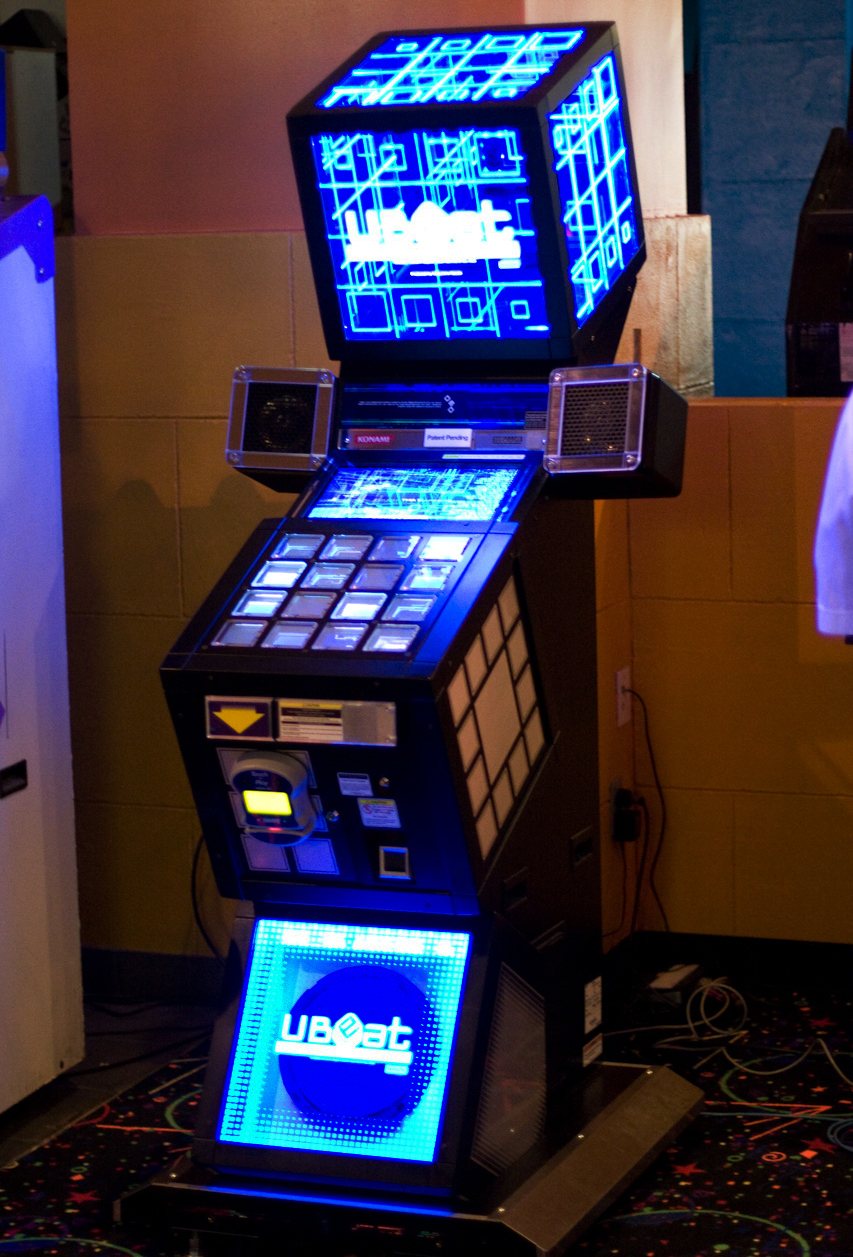
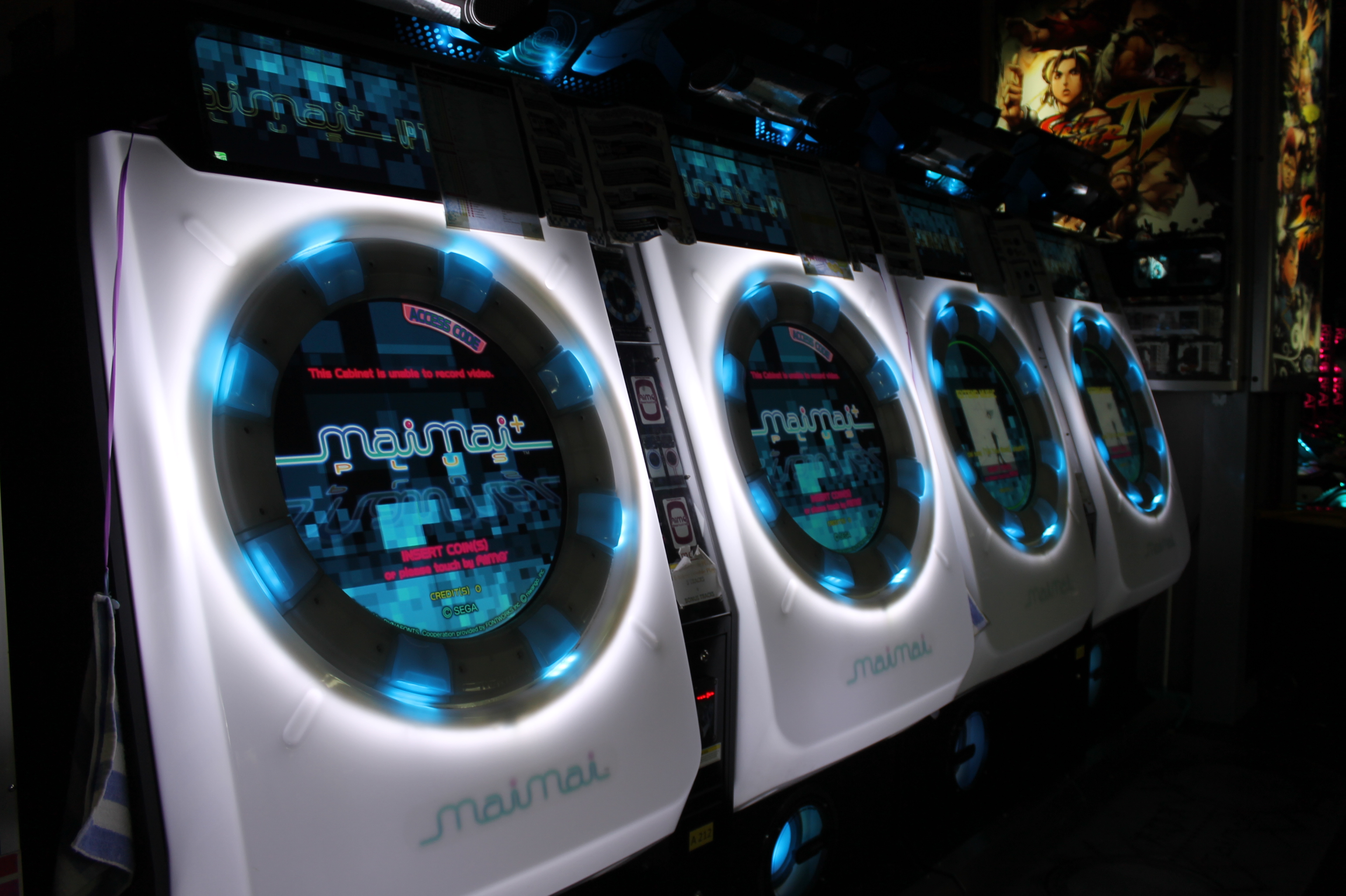
The hardware you use to interact with dynamic tempo arcade games defines your ceiling. For mobile-based arcade games, a screen with a high polling rate is essential to register rapid-fire multi-taps. If you prefer a cabinet or PC-based setup, dedicated rhythm controllers—such as mechanical button panels or specialized dance pads—offer tactile feedback that touchscreen surfaces lack. Choose peripherals that provide low-friction surfaces for sliding movements and responsive switches for high-density note streams.
1.2.2 Finger Placement Strategies for Sustained Speed
Avoid “two-finger” habits if you aim to master difficult beat-matching tap challenges. Advanced players often employ a multi-finger layout, assigning specific fingers to distinct zones on the screen or controller. By keeping your hands relaxed and positioned in a neutral “home” stance, you minimize the distance your fingers must travel. Practicing a light, rhythmic tapping style rather than pressing forcefully will conserve energy during endurance-based stages.
1.2.3 Ergonomic Best Practices to Prevent Fatigue and Strain
Rhythm gaming is a physically demanding hobby. To avoid wrist strain or repetitive stress injuries, maintain proper posture and keep your wrists at a neutral, floating angle. Take short breaks between intense sets to stretch your fingers, wrists, and forearms. If you find your muscles tensing up during fast sections, consciously focus on breathing, as muscular rigidity is the primary cause of both fatigue and decreased input accuracy.
1.3 Essential Setup Adjustments for Competitive Play
1.3.1 Customizing Note Speed Settings for Better Readability
Beginners often make the mistake of setting note speeds too low, which clusters notes together and makes reading dense patterns impossible. Increasing the “note speed” or “scroll speed” actually spreads notes further apart on the screen. This makes complex rhythms easier to read, as your brain has more time to process the individual gaps between notes. Experiment with higher speeds; you will likely find that your reaction time improves once the visual information is less cluttered.
1.3.2 Adjusting Global Offset to Match Individual Reaction Times
Every player has a unique reaction threshold. The “Global Offset” setting allows you to fine-tune the game to account for your personal physical response. If you find yourself consistently hitting notes slightly ahead of or behind the beat across all songs, adjust this setting by a few milliseconds at a time. This level of customization ensures that the game engine is perfectly synced to your specific reflexes, providing a fair and accurate experience during high-pressure sessions.
2. Advanced Strategies and Skill Development for Dynamic Tempo Arcade Games
2.1 Decoding Complex Beat Patterns and Note Density
Moving beyond basic rhythm music games requires a shift in how you process the screen. Managing rapid-fire stream patterns depends on your ability to visualize groupings rather than individual notes. Instead of tracking every single icon, focus your peripheral vision on the “note highway” to recognize recurring clusters or bursts. This holistic approach allows you to anticipate high-density sections before they hit the tap zone.
Developing finger independence is equally critical for multi-tap sequences where the screen demands simultaneous inputs. Practice isolating your fingers by playing lower-difficulty songs and focusing on specific digit assignments for different lanes. When you encounter sudden tempo shifts, resist the urge to panic; instead, anchor your rhythm to the underlying bass or percussion. By internalizing the track’s structure, you can maintain your flow even when the game speed fluctuates unexpectedly.
2.2 Training Routines and Cognitive Conditioning
To master dynamic tempo arcade games, you must move beyond casual play and implement structured practice. Progressive overload is a staple in professional training, where you incrementally increase the difficulty of your selected tracks to push your current limits. Do not jump straight to the hardest charts; focus on mastering high-accuracy clears on slightly slower tracks before tackling higher BPM (beats per minute) challenges.
Physical dexterity can be improved through daily warm-ups that focus on light tapping exercises to wake up your fine motor skills. More importantly, you should regularly analyze your gameplay via screen recordings. When you miss a note, review the footage to determine if your timing was consistently early or late. This diagnostic process is often more effective than hours of mindless grinding. For those looking to sharpen their overall precision, utilizing reaction speed test games can provide the cognitive conditioning necessary to keep up with the fastest note streams.
2.3 The Psychology of High Performance Rhythm Gaming
High-performance gaming is as much about mental stamina as it is about physical speed. During long endurance segments, your biggest enemy is often the “choke”—the moment anxiety causes your focus to fracture. To combat this, establish a consistent breathing rhythm that mirrors the track’s tempo, which helps stabilize your heart rate and keeps your movements fluid.
Pattern recognition training is your best tool for long-term improvement. By treating the music as a series of repeatable sequences, you can move from reactive gameplay to proactive execution. Consistency is key, so aim for short, intense practice cycles rather than marathon sessions that lead to fatigue. By maintaining a calm, analytical mindset, you can navigate rhythm-based boss battles and complex beat-matching tap challenges with the composure of a veteran player.
Mastering dynamic tempo arcade games is a journey that balances technical precision with deep sensory immersion. By refining your hardware setup, focusing on individual finger dexterity, and training your cognitive ability to process rapid audio-visual information, you can transform your gameplay from simple beat-matching into a high-performance pursuit. Whether you are tackling rhythm based boss battles or navigating complex note density streams, consistent practice and an analytical approach to your own performance remain the most reliable paths to improvement.
Remember that even the most seasoned players experience plateaus. The key to breaking through lies in diagnosing your specific timing errors and implementing structured training routines that favor long-term skill retention over immediate results. As you integrate these techniques into your play sessions, you will find that your ability to read and react to shifting beats becomes second nature.
For those looking to expand their expertise beyond the arcade, exploring mastering audio-visual sync puzzles can provide valuable transferable skills that sharpen your pattern recognition and timing accuracy. Keep experimenting with your settings, stay patient with your progress, and continue to push the boundaries of your rhythm gaming potential. Every session is an opportunity to sync closer to the beat and achieve a new personal high score.