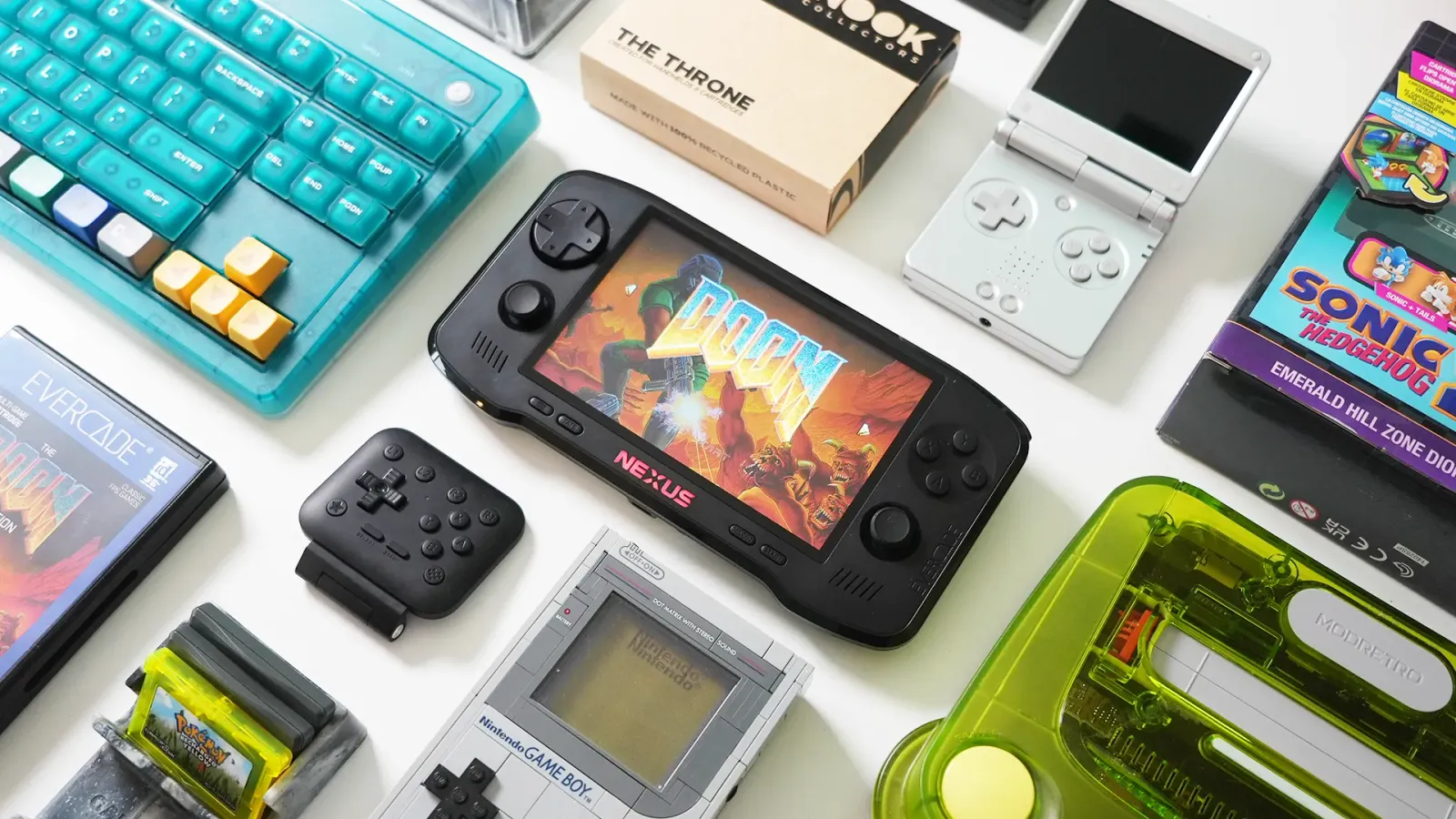
The retro gaming scene news landscape has shifted dramatically, evolving from a niche hobby for preservationists into a thriving pillar of the modern industry. Today, we are witnessing a genuine renaissance where the charm of 8-bit and 16-bit design meets the sophisticated mechanics of contemporary development. Whether you are a long-time enthusiast tracking the latest hardware releases or a newcomer curious about why pixel art remains a dominant aesthetic, the current environment offers more depth than ever before. From the resurgence of physical media and boutique publishing to the rise of grassroots indie studios pushing the boundaries of classic genres, the community is currently in a golden age of creativity and collection.
In this guide, we will explore the forces driving this nostalgia-fueled momentum, examine how developers are masterfully blending legacy aesthetics with modern physics, and identify the top indie hits that define today’s standards. If you are looking to stay updated on how the industry is evolving, you can check our developer studio announcements to see how legacy influence shapes upcoming project roadmaps. Join us as we navigate the essential trends, hardware ecosystems, and cultural movements currently shaping the way we play, collect, and celebrate the history of video games.
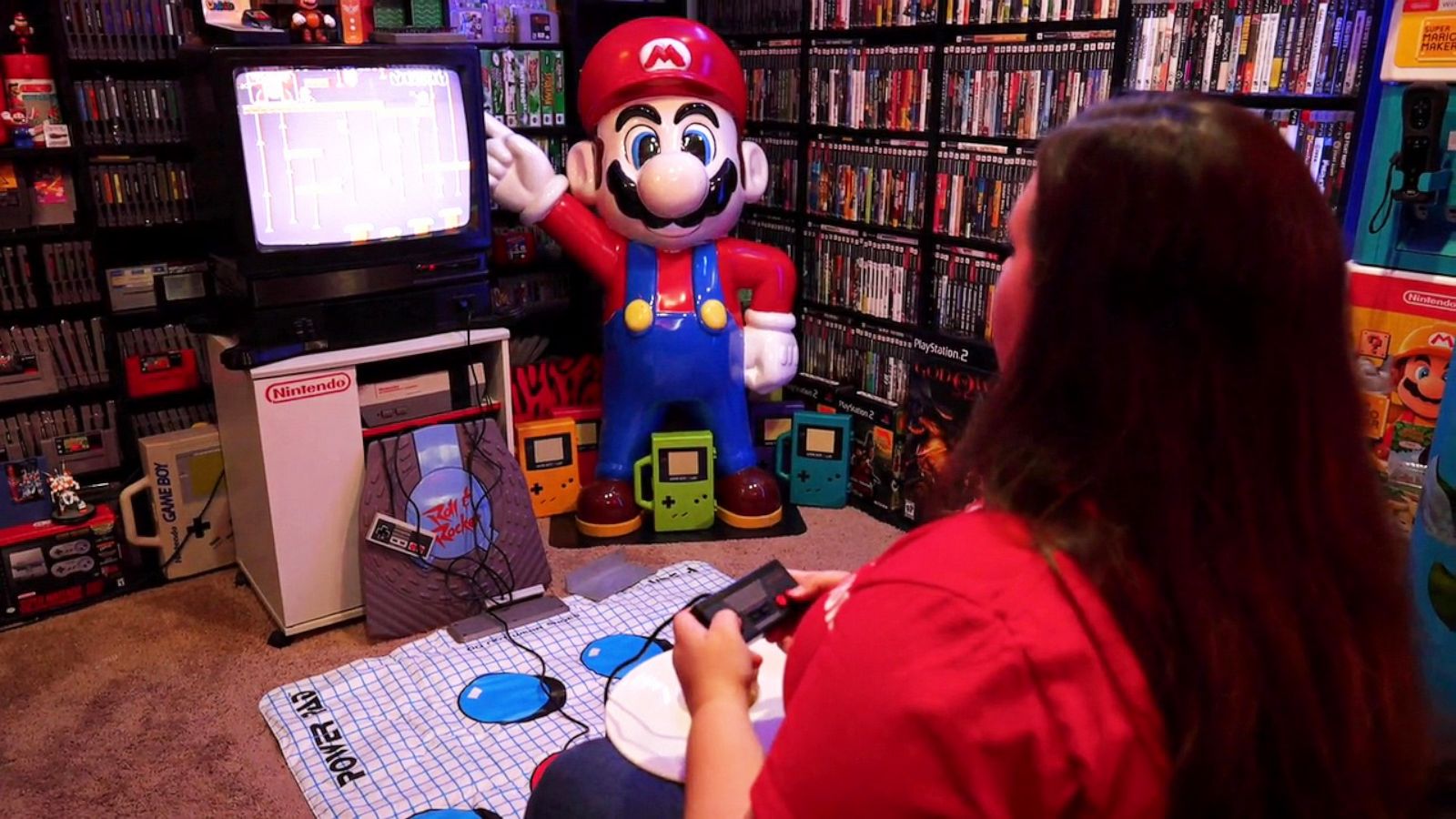
1. Navigating the Modern Retro Gaming Scene News and Indie Landscape
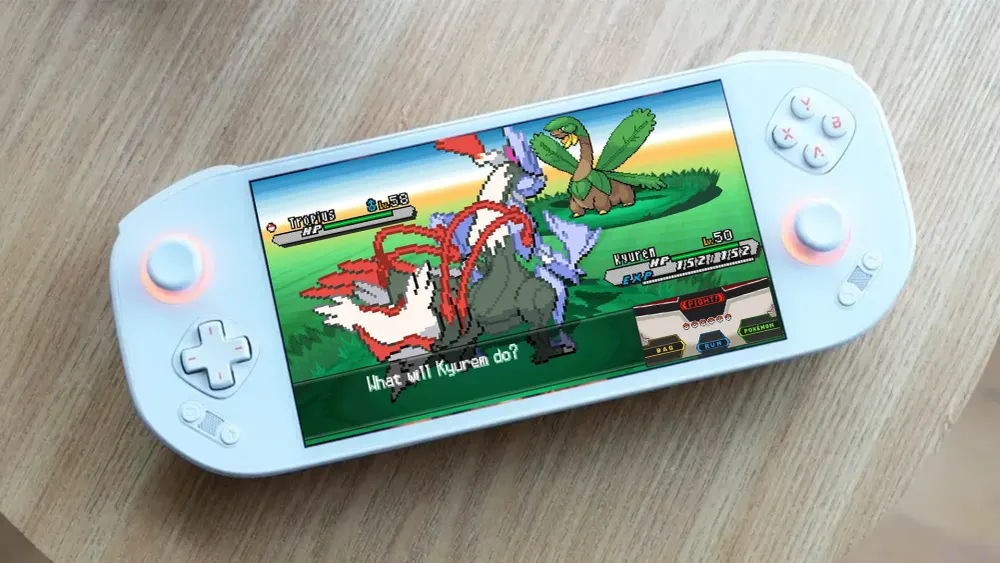
1.1 Understanding the Current Retro Renaissance
1.1.1 Why Nostalgia Drives Modern Game Development
The current retro gaming scene news is dominated by a powerful wave of nostalgia, but it is not merely a superficial attempt to replicate the past. For many developers who grew up in the 8-bit and 16-bit eras, recreating these experiences is an act of love and preservation. Players are increasingly seeking refuge from the overwhelming complexity of modern “live service” titles, finding comfort in the structured, high-stakes simplicity of classic design. This emotional connection creates a bridge between generational experiences, allowing veteran gamers to share their history with younger players through titles that feel both familiar and fresh.
1.1.2 The Distinction Between Authentic Emulation and Modern Reimagining
Navigating this space requires distinguishing between two primary approaches. Authentic emulation remains the gold standard for preservationists, focusing on hardware-accurate software that mimics the quirks of original consoles. Conversely, modern reimagining—a pillar of current indie game news—uses contemporary game engines to capture the “feel” of a retro game while removing its technical frustrations. While a pure port preserves the original artistic vision, a reimagining often enhances accessibility, offering refined hitboxes and save systems that align with modern player expectations without sacrificing the core aesthetic.
1.2 The Evolution of the Retro Aesthetic
1.2.1 Mastering Pixel Art and 16-Bit Design Principles
Modern developers have evolved far beyond basic pixel art, now utilizing advanced lighting, color grading, and dynamic shadow systems that were impossible on legacy hardware. Mastering the 16-bit aesthetic today involves respecting the limitations of classic color palettes while pushing technical boundaries. This creates a hyper-stylized look that honors the past while ensuring the game feels visually distinct in a crowded digital marketplace.
1.2.2 Leveraging Modern Engines for Classic Physics
One of the most important developments in game development is the use of robust engines to simulate classic physics with surgical precision. By decoupling game logic from frame rate, developers can maintain the tight, snappy controls expected of 90s platformers while running smoothly on modern displays. This balance is critical to game critique and analysis, as movement responsiveness is often the primary metric used to judge the quality of a retro-inspired release.
1.3 Top Indie Hits Defining the Year
1.3.1 Breaking Down Mechanics in Modern Roguelikes and Metroidvanias
The year’s top indie hits often find success by cross-pollinating genres. The resurgence of the Metroidvania is currently defined by non-linear exploration and ability-gated progression, while roguelikes have successfully integrated randomized generation into classic action loops. By blending these styles, developers ensure that even if a player dies, they retain permanent progression, effectively solving the “difficulty wall” that once defined classic, unforgiving retro titles.
1.3.2 Identifying Essential Platforms for Indie Discovery
Finding the best new releases requires looking beyond major storefronts. Dedicated indie-focused platforms and community-driven portals are essential for uncovering hidden gems that prioritize innovation over mainstream trends. Engaging with these communities provides early access to developers and a deeper understanding of how these projects evolve from initial concepts to final, polished releases.
2. Industry Trends and Ecosystems in Retro Gaming Scene News
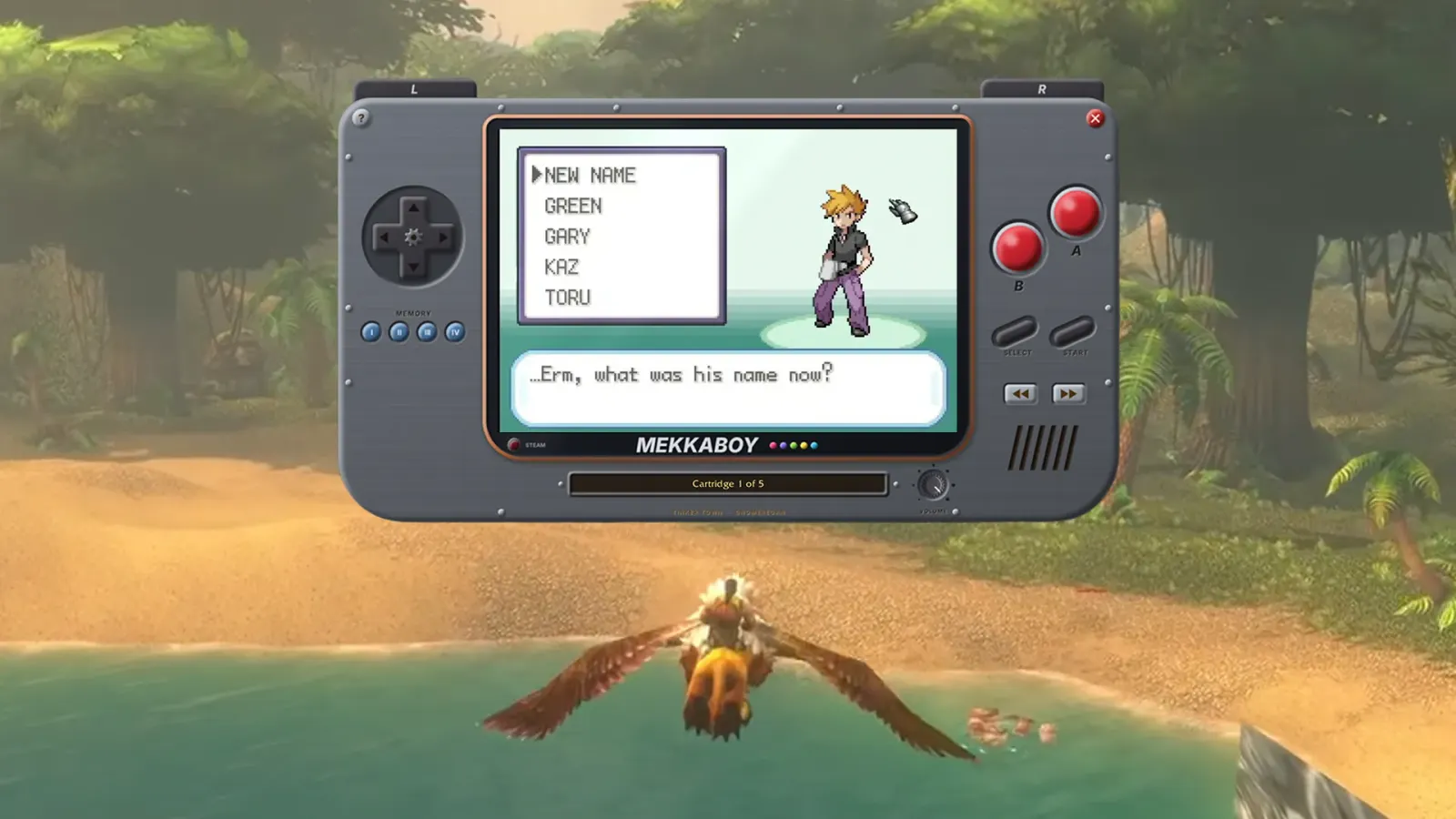
2.1 The Rise of Boutique Publishing and Physical Media
2.1.1 Why Collectors Demand Cartridges and Vinyl Soundtracks
The resurgence of the retro gaming scene news highlights a fascinating shift: a return to tangibility. For many enthusiasts, the digital-only landscape of modern gaming lacks the emotional weight of holding a physical product. Collectors are driving a booming market for premium physical releases, prioritizing high-quality box art, manuals, and cartridges that mirror the aesthetic of the 8-bit and 16-bit eras. Beyond the game itself, vinyl soundtracks have become essential artifacts, offering a way to celebrate the iconic chiptune scores that defined our formative gaming years. This demand reflects a desire for permanent ownership and a deeper, more personal connection to the media we consume.
2.1.2 The Role of Limited Run and Physical Preservation
Boutique publishers have stepped in to bridge the gap between niche indie developers and collectors. Companies that specialize in limited-run physical media ensure that beloved retro-inspired titles are not lost to the ether of server shutdowns or platform de-listings. By partnering with developers to produce small-batch physical copies, these publishers provide a crucial service in game preservation. This trend turns modern indie hits into instant collectors’ items, validating the artistic integrity of developers who embrace classic design philosophies.
2.2 Crowdfunding and the Preservation of Defunct Genres
2.2.1 How Kickstarter and BackerKit Sustain Niche Development
Crowdfunding has become the lifeblood of the retro movement, allowing developers to pursue projects that traditional publishers might deem too risky. By tapping into platforms like Kickstarter, creators can gauge community interest before a single line of code is written. This model is particularly effective for reviving defunct genres—such as isometric RPGs or side-scrolling shooters—that carry significant nostalgic value but lack mainstream appeal. When communities back these projects, they are essentially voting for the continuation of specific creative legacies.
2.2.2 The Intersection of Modding Communities and Official Releases
The boundary between amateur modding and official product development is increasingly blurred. Many contemporary retro hits find their roots in fan-made patches or “rom hacks” that gained massive community followings. Smart developers now engage directly with these modding communities, providing tools that encourage creators to iterate on original game engines. This collaborative ecosystem fosters innovation, as seen in gaming industry development reports, where fan feedback often shapes the future of modern-retro hybrid titles.
2.3 Essential Hardware and Resource Hub for Enthusiasts
2.3.1 Comparing FPGA Consoles to Software-Based Emulation
For the purist, the debate between FPGA (Field Programmable Gate Array) hardware and software emulation is a central topic in retro gaming scene news. FPGA systems offer a cycle-accurate reproduction of original hardware, eliminating the input lag often associated with software emulators. While software emulation is accessible and flexible, FPGA provides a high-fidelity experience that captures the distinct performance characteristics of classic consoles.
2.3.2 Selecting the Best Modern Handhelds for Retro Play
The hardware landscape has expanded to include a wide array of dedicated retro handhelds. These devices are designed specifically to handle the demands of emulation, offering responsive D-pads and crisp screens that make pixel art shine. Choosing the right device often comes down to balancing portability, software support, and build quality.
2.3.3 Ethical Practices for Supporting Original Developers
As we celebrate retro games, maintaining ethical standards remains vital. This means prioritizing official re-releases and retro-collections whenever possible, as these purchases directly support the original rights holders and developers. Engaging with the scene in a way that respects intellectual property ensures that the cycle of creativity can continue to thrive for future generations.
The retro gaming scene news highlights a landscape that is far more than a simple exercise in nostalgia. As we have explored, the current renaissance is driven by a unique synthesis of classic design philosophies and cutting-edge development tools. Whether you are a dedicated collector tracking down limited physical releases or a newcomer drawn to the tight, challenging mechanics of modern indie roguelikes and Metroidvanias, the community offers endless ways to engage with the medium’s rich history. By understanding the balance between authentic emulation and innovative reimaginings, players can better appreciate the craftsmanship required to keep these legacy styles relevant in a crowded market.
As the ecosystem continues to evolve, your role as an enthusiast remains vital. Supporting original developers and participating in community-driven events ensures that these niche genres continue to thrive rather than fade into obscurity. We encourage you to dive deeper into our library of community event highlights to stay connected with the latest gatherings and developer updates that define the spirit of retro gaming today. The future of gaming is deeply rooted in its past, and there has never been a more exciting time to be part of this enduring, creative, and passionate community.