
In the fast-paced world of modern gaming, success rarely comes down to individual skill alone. Whether you are navigating intense co-op online games or climbing the competitive ranking leaderboards, mastering team based objective matches requires a fundamental shift in perspective. Many players enter a match focused solely on their own performance or kill-death ratio, but the highest levels of play are defined by deliberate coordination, map control, and the shared pursuit of win conditions. This guide is designed to help you and your squad bridge the gap between casual play and professional-level synergy.
You will learn how to optimize your team composition, implement high-level communication protocols, and adopt a strategic mindset that prioritizes long-term victory over short-term gains. By moving away from lone-wolf tendencies and embracing the mechanics of objective-focused gameplay, you can transform your team into a cohesive unit capable of overcoming even the most daunting deficits. Whether you are a casual player looking to improve or a member of a serious squad aiming for top-tier play, these actionable insights will elevate your performance in every match you play.
1. Mastering Team Based Objective Matches Through Strategic Fundamentals

1.1 Developing an Objective-Oriented Mindset
1.1.1 Prioritizing Win Conditions Over Individual Kill Counts
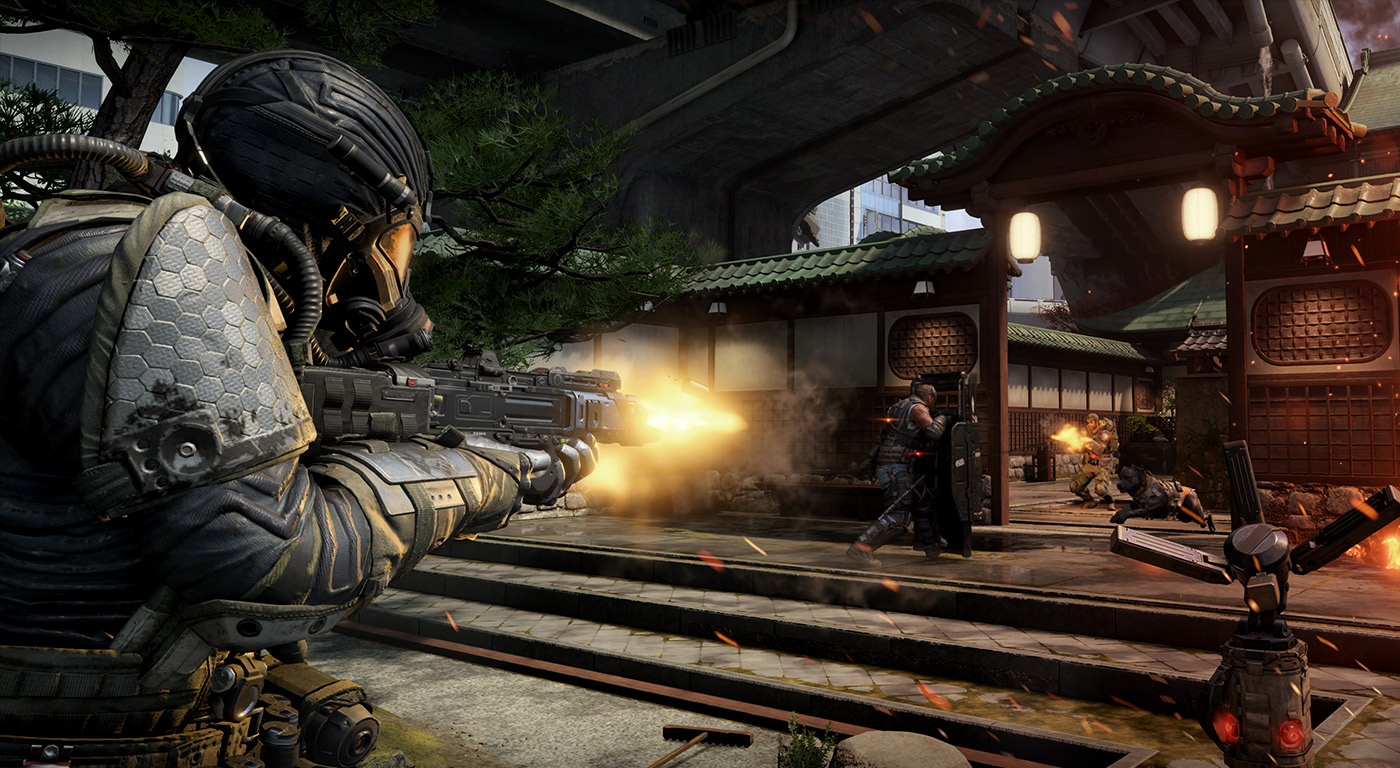
In many competitive settings, players often fixate on their K/D ratio, viewing high kill counts as the ultimate measure of success. However, in team based objective matches, kills are merely tools used to facilitate the primary win condition—whether that is capturing a zone, escorting a payload, or securing a point. An objective-oriented mindset requires shifting your focus from chasing enemies to maintaining pressure on the goal. When you prioritize positioning and area control over risky aggressive plays, you deny the opponent the space they need to progress, effectively winning the match through superior map presence rather than just raw firepower.
1.1.2 Controlling Map Tempo and Managing Choke Points
Controlling the flow of a match is about dictateing where and when engagements occur. High-level players understand the importance of choke points—those narrow corridors or high-traffic areas where movement is restricted. By locking down these bottlenecks, your team can force opponents into unfavorable positions, making it easier to hold objectives. Effective tempo management means knowing when to push aggressively to capitalize on a teammate’s distraction and when to pull back to reset and defend. Consistent map pressure prevents the enemy from grouping up, allowing you to pick off isolated targets while keeping your team synchronized.
1.1.3 Understanding Spawn Cycles and Objective Spawn Timings
Predicting the rhythm of a match is a hallmark of an expert player. Objective spawn timings are fixed or cyclic, meaning you can often forecast the next major engagement before it happens. By tracking spawn cycles, you can position your team near the next objective area seconds before it activates, securing a distinct advantage. Furthermore, understanding enemy spawn patterns allows you to predict where opponents will emerge, helping you set up defensive lines or intercept them before they can contest your progress. This tactical foresight turns the map into a predictable environment that your team can manipulate.
1.2 Building Team Composition and Role Specialization
1.2.1 Defining Core Roles: Support, Aggressor, Anchor, and Objective Specialist
Successful team-based play relies on well-defined roles that minimize confusion during chaotic moments. The Support provides essential healing or utility; the Aggressor creates space by drawing enemy fire; the Anchor holds down a strategic area or defensive line; and the Objective Specialist focuses primarily on interacting with the goal. When every player understands their specific mandate, the team functions as a cohesive unit. For those interested in improving their versatility, practicing squad-based action tactics is a vital step toward mastering these distinct, yet interconnected, roles.
1.2.2 Matching Player Strengths to Essential In-Game Responsibilities
Not every player excels in the same capacity. Identifying whether a teammate is better suited for high-mobility harassment or steadfast, defensive holding is crucial for overall performance. When players are allowed to focus on their natural strengths, the team’s efficiency increases significantly. If you are the team leader, observe your squad’s tendencies—do they prefer direct combat or utility usage? Assigning responsibilities based on these individual preferences fosters a more natural synergy, reducing the likelihood of hesitation during high-stakes objective captures.
1.2.3 Creating Flexible Loadouts to Counter Opponent Metas
No strategy is foolproof, and the best teams are those that adapt on the fly. Flexible loadouts allow you to counter dominant opponent strategies, such as switching to high-damage output gear when an enemy team is playing too passively. This adaptability prevents you from being locked into a single, predictable playstyle. By maintaining several loadout variations—some for quick movement, others for sustained defense—you ensure that your team can adjust its composition mid-match to exploit weaknesses in the enemy’s formation or equipment choices.
1.3 Implementing Advanced Communication Protocols
1.3.1 Establishing Standardized Call-Outs for Map Locations and Enemy Movements
Vague communication is the enemy of success in fast-paced games. Establishing a shared vocabulary for map locations and enemy behavior is essential for rapid information sharing. Standardized call-outs—such as naming specific buildings, corners, or entry points—allow teammates to instantly visualize the threat without needing descriptive sentences. Clear, concise, and consistent terminology removes the guesswork, ensuring that every member of the team can react to developments with a unified understanding of the battlefield layout.
1.3.2 Managing Information Density During High-Pressure Situations
In the heat of battle, communication can easily become cluttered with noise. Managing information density means prioritizing the most critical data points—enemy locations, low-health targets, and major ability cooldowns—while filtering out unnecessary panic. A good communication protocol dictates that only essential information should be transmitted during combat. By keeping channels clear for vital tactical updates, you enable your team to maintain focus, preventing the “information overload” that often leads to split-second decision errors under pressure.
1.3.3 Utilizing Pings and Non-Verbal Cues for Silent Coordination
Modern gaming offers robust non-verbal tools that can be as effective as voice chat. Pings, markers, and in-game signals are perfect for silent coordination, especially when players need to convey intent without speaking. Mastering these systems allows for high-level tactical communication even in matches where players lack microphones. By using pings to mark objective points, enemy positions, or requested support, you create a visual map that the whole team can follow. This silent language keeps the team synchronized while ensuring that no important information is lost to verbal confusion.
2. Optimizing Strategic Execution and Team Performance
2.1 Tactical Coordination and Combat Engagement Rules
2.1.1 Timing Objective Rotations to Maximize Resource Advantage
In high-level play, timing is everything. Effective teams do not simply rush the objective; they time their rotations to align with power spikes and map control. By securing map dominance before the objective activates, you force the enemy team to rotate into unfavorable positions. This requires constant tracking of respawn timers and ability cooldowns to ensure your team is at full strength when the fight occurs.
2.1.2 The Bodyguard Strategy: Protecting Players During Objective Interaction
Often, one player must divert their focus to interact with a terminal, bomb, or control point, leaving them vulnerable. The Bodyguard Strategy dictates that high-damage, mobile teammates must physically surround the interacting player, creating a perimeter. By prioritizing the survival of the objective specialist over chasing kills, you maintain pressure without risking a reset in progress.
2.1.3 Managing Ability Cooldowns and Ultimate Economy as a Collective Unit
Successful teams treat their collective abilities as a shared resource bank. Coordinating ultimate abilities ensures that you do not “over-invest” in a single fight. If your team is leading, consider holding ultimates to counter the enemy team’s potential comeback attempt. Mastering this economy is a hallmark of success in complex hero ability combat games, where one well-timed team-wipe can flip the momentum of the entire match.
2.2 Overcoming Psychological Barriers and Team Dysfunction
2.2.1 Mitigating Tilt and Maintaining Focus During Deficits
Tilt is the silent killer of competitive momentum. When a team falls behind, the tendency is to play recklessly, leading to compounded mistakes. Establishing a “reset ritual”—such as a quick tactical pause or a focused call-out—can help players shift from an emotional response back to a calculated, objective-focused mindset.
2.2.2 Deconstructing the Carry Mentality to Foster Cohesion
The “carry” mindset often leads to individual players overextending in search of highlights, which creates gaps in the defensive line. Fostering a team-first culture involves rewarding assists and objective time as highly as kill counts. When every member feels their role is vital to the win condition, they are less likely to abandon their position for individual glory.
2.2.3 Resolving Communication Breakdowns Under Stress
Under pressure, communication often descends into clutter or silence. Establish a strict hierarchy of call-outs during high-stakes moments, prioritizing enemy positions and health status over general commentary. If a breakdown occurs, acknowledge the error quickly and move on; post-match is the time for deep analysis, not in-game blame games.
2.3 Continuous Improvement and Post-Match Analysis
2.3.1 Effective Replay Review Techniques for Objective-Focused Errors
Watching replays is not just about spotting missed shots; it is about analyzing decision-making. Look specifically at moments where your team lost control of the objective and trace back the events that led to that failure. Often, a lost objective is the result of poor positioning two minutes prior.
2.3.2 Creating Constructive Feedback Loops Without Damaging Morale
Feedback should be specific, actionable, and directed at the process rather than the person. Instead of critiquing a teammate’s mechanical skill, focus on the coordination failure that led to their death. This objective approach keeps the team focused on collective growth.
2.3.3 Setting Measurable Team Milestones for Long-Term Growth
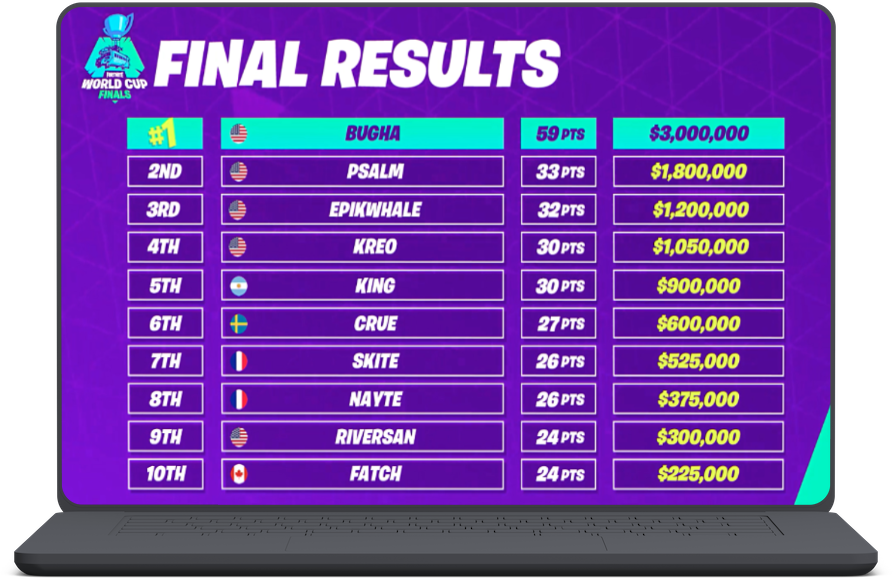
Improvement is incremental. Set tangible goals, such as improving average time-to-objective or reducing unnecessary deaths during spawn rotations. Regularly tracking these metrics provides a clear indicator of how well your team is evolving in competitive ranking leaderboards.
2.4 Frequently Asked Questions
2.4.1 How to Coordinate with Teammates Who Lack Microphones
Utilize the game’s built-in ping system to indicate threats, locations, and intentions. If you are playing with non-vocal teammates, take the lead by “pinking” your intended route so they can follow your lead and provide support, even without voice chat.
2.4.2 Strategies for Turning Around Matches While Behind in Score
When behind, play conservatively to force the leading team to make an aggressive mistake. Look for opportunities to isolate enemies who overextend, then capitalize on the sudden numbers advantage to contest the objective.
2.4.3 Establishing True Synergy Between New Teammates
Synergy is built through shared experience and defined expectations. Spend time in practice modes discussing roles and “if-then” scenarios to ensure every player understands how their teammates will likely react under pressure.
2.4.4 Identifying the Most Frequent Strategic Pitfalls in Competitive Play
The most common pitfall is the pursuit of kills at the expense of objectives. Many players become fixated on individual performance, which often leads to poor map coverage and lost matches despite having a positive kill-to-death ratio.
Mastering team based objective matches requires a shift in perspective, moving away from individual glory toward a unified vision of victory. As we have explored, success in these intense environments is rarely about who can pull off the most impressive solo play. Instead, it is built on the foundation of a shared objective-oriented mindset, disciplined communication, and a deep understanding of team composition. By prioritizing map control, managing your ultimate economy as a collective unit, and fostering a supportive team culture, you can consistently overcome even the most daunting deficits.
Remember that even the most seasoned squads experience friction. The true mark of a high-level competitor is the ability to deconstruct losses through constructive replay review and adapt to the ever-shifting meta of clan based strategy games. Whether you are climbing competitive ranking leaderboards or just looking to improve your synergy with friends, the strategies outlined here will provide a roadmap for your growth. If you are looking to further refine your collaborative skills in other areas of gaming, you might find our guide on mastering real time co-op raids helpful for building stronger team dynamics. Keep practicing, stay objective-focused, and your squad will undoubtedly climb to the top of the ranks.


Pingback: Competitive Ranking Leaderboards: How to Climb the Ranks - GameTurn
Pingback: Real-time Chat Enabled Gaming: Best Multiplayer Strategies - GameTurn