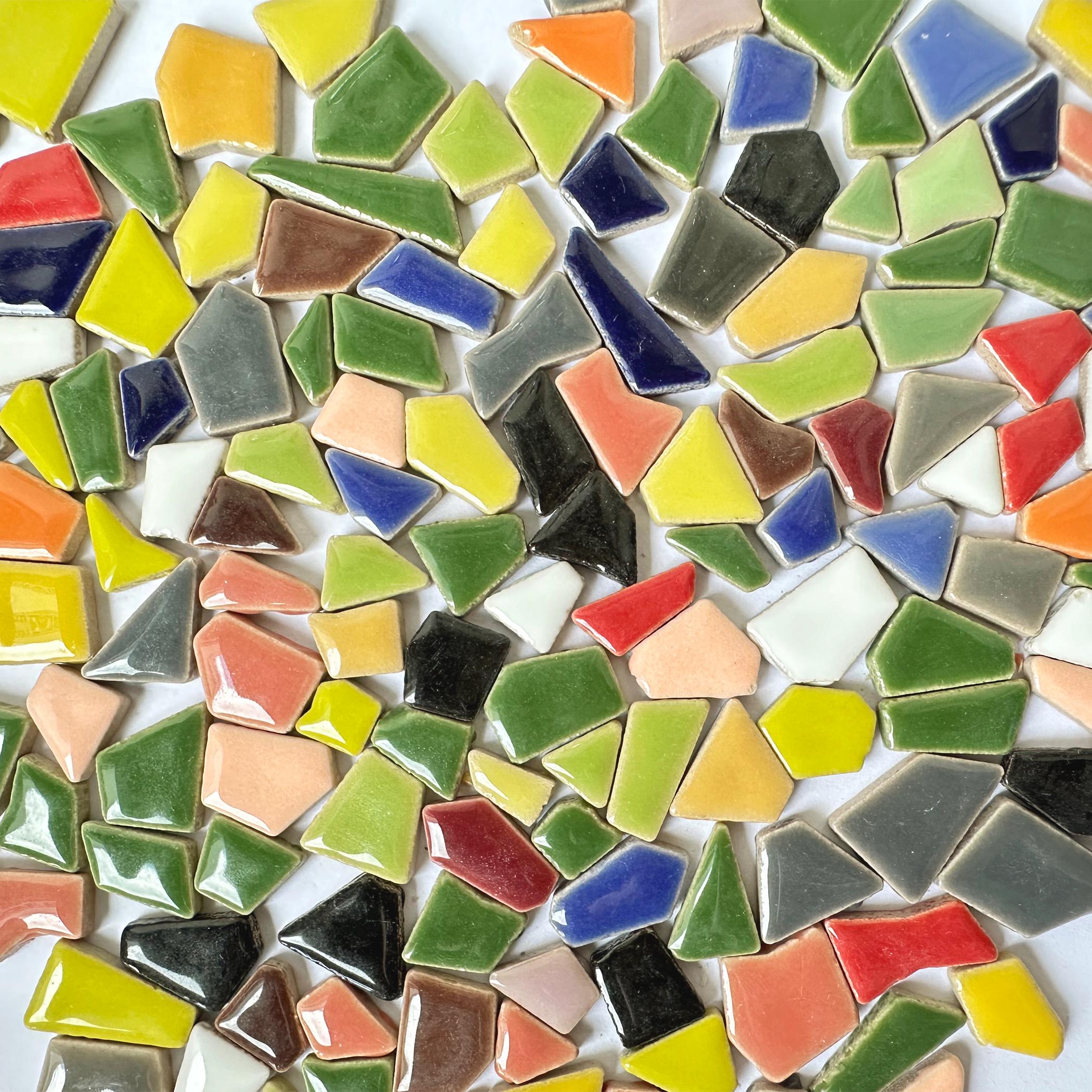
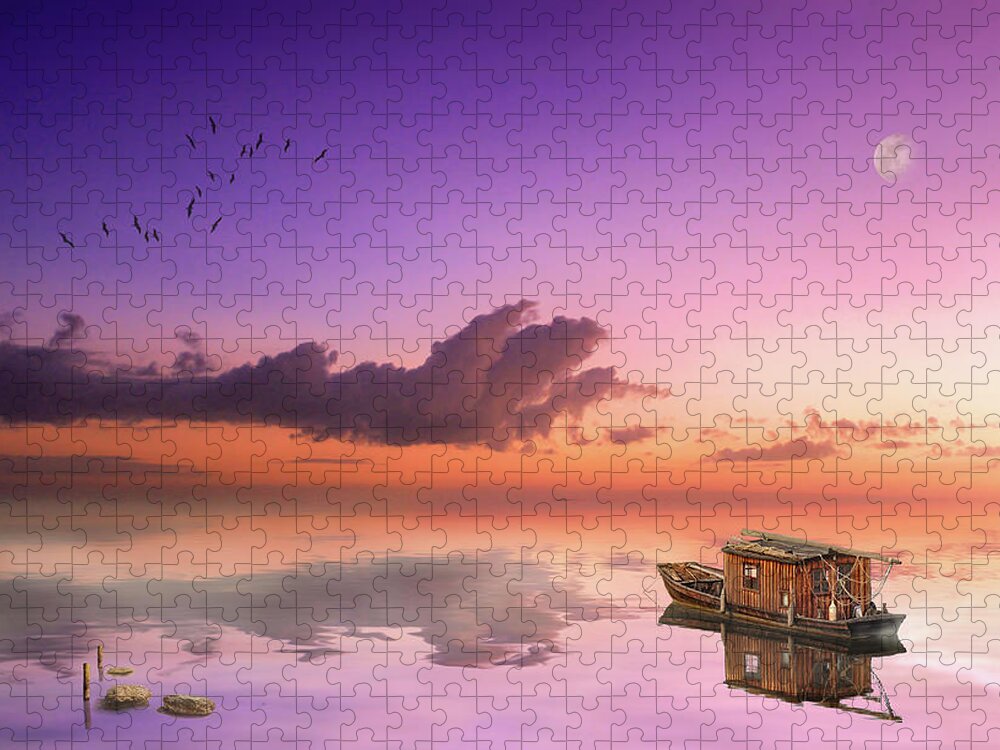
In the world of tabletop hobbies, the minimalist art jigsaw has emerged as a refined evolution for those who find beauty in restraint. Moving away from the cluttered, high-detail imagery of traditional puzzles, these sets embrace clean lines, bold color blocks, and intentional negative space. For enthusiasts who appreciate modern design, this genre offers a unique shift in focus, turning the assembly process into a meditative practice of patience and observation. Whether you are drawn to the precise structure of a geometric pattern jigsaw or the serene mood of landscape slice puzzles, these designs transform the familiar act of piece-matching into an exercise in high-end aesthetics. If you are looking to elevate your collection or find a sophisticated way to sharpen your spatial reasoning, you have come to the right place. In this guide, we will explore the nuances of selecting high-quality sets, mastering the assembly of sparse visuals, and integrating your finished, relaxing tile matching puzzles into your home’s decor for a gallery-worthy display.
1. Understanding the Design and Selection of the Minimalist Art Jigsaw
1.1 Defining Minimalist Aesthetics in Modern Puzzles
1.1.1 The Role of Geometric Simplicity and Negative Space
Minimalist art jigsaws represent a departure from the chaotic, detail-heavy imagery found in traditional puzzle designs. By stripping away visual clutter, these puzzles emphasize the beauty of geometric simplicity. Designers often utilize negative space—empty, intentional areas of color—to create a sense of balance and calm. This deliberate sparseness is not merely an aesthetic choice; it serves to focus the builder’s attention on the fundamental architecture of the image.
1.1.2 Evaluating Monochromatic Palettes vs. Color Gradients
When selecting a minimalist piece, you will often find two primary design schools: monochromatic palettes and smooth color gradients. Monochromatic designs rely heavily on subtle shifts in texture and slight variations in tone to guide the eye. Conversely, gradient puzzles use soft transitions between shades to create a soothing visual progression. Choosing between these depends on your personal preference for challenge; monochromatic sets often feel more sculptural and architectural, while gradients offer a more meditative, rhythmic experience.
1.1.3 Why Minimalism Shifts the Challenge to Shape Recognition
Because these puzzles lack complex imagery to use as a roadmap, the difficulty shifts from color-matching to precise shape recognition. You cannot rely on identifying a tree or a face to find a piece’s placement; instead, you must analyze the subtle protrusions and indentations of the cardboard. This forces the brain to engage with the puzzle’s mechanics, turning the act of assembly into a rigorous exercise in spatial reasoning. If you enjoy this type of tactile problem-solving, you might also appreciate exploring abstract strategy tile games, which similarly reward spatial awareness and logic.
1.2 Buyer Guide for High-Quality Minimalist Puzzles
1.2.1 Comparing Matte versus Glossy Finishes to Eliminate Glare
In the world of minimalist design, glare is the enemy of progress. A glossy finish can catch overhead lighting, creating bright spots that obscure the subtle color variations necessary to distinguish one piece from another. Opt for puzzles with a matte or linen finish, which scatter light and provide a softer, more premium tactile feel. This quality of finish is essential for maintaining focus during long assembly sessions.
1.2.2 Checking Board Thickness and Die-Cut Precision
Minimalism highlights imperfections. If your pieces are thin or the die-cut is imprecise, the resulting gaps between pieces will ruin the sleek, seamless aesthetic of the finished art. Look for high-density, multi-layer cardboard that provides a substantial weight and “snap” upon connection. A clean, laser-sharp cut ensures that the edges are crisp and that pieces fit flush without bulging.
1.2.3 Prioritizing Sustainable Materials and Ink Quality
Since these puzzles are often displayed as home decor, the longevity of the materials matters. Premium brands prioritize vegetable-based inks and recycled, acid-free backing boards. This not only makes the product more environmentally friendly but also ensures that the colors remain vibrant and resistant to fading over time, maintaining the integrity of the minimalist art piece on your wall.
1.3 The Psychological and Decorative Value of Modern Puzzles
1.3.1 Cultivating Mindfulness and Cognitive Focus Through Patternless Design
Engaging with a minimalist art jigsaw acts as a form of “slow living.” Because there are no distinct patterns or clear landmarks, the mind is forced to quiet its analytical chatter and enter a state of deep, singular focus. This is a powerful antidote to digital fatigue. By narrowing your world down to the shape of a single tile, you cultivate a sense of presence that mirrors the benefits of meditation.
1.3.2 Integrating Finished Puzzles into Modern Home Interior Decor
Once completed, these puzzles transcend their status as a mere game and become sophisticated art. The clean lines and bold geometry characteristic of the genre fit seamlessly into modern, Scandinavian, or industrial home interiors. Framed and displayed on a gallery wall, they serve as unique statement pieces that reflect an appreciation for refined, thoughtful design, proving that a puzzle can be both a mental challenge and a permanent element of your personal aesthetic.
2. Mastering Assembly and Display Techniques for Minimalist Art Jigsaw Sets
2.1 Advanced Strategies for Solving Puzzles with Limited Visual Cues
Solving a minimalist art jigsaw requires a shift in mindset. Because you cannot rely on complex imagery or distinct color changes to guide you, the challenge moves from visual recognition to tactile investigation. By focusing on the physical characteristics of the pieces, you can turn a frustrating experience into a meditative exercise in pattern recognition.
2.1.1 Organizing by Piece Geometry and Tab Configurations
When the palette is monochromatic or based on subtle geometric patterns, the shape of the puzzle piece becomes your primary reference point. Start by sorting pieces not by color, but by their tab-and-blank configuration. Grouping pieces by the number of protrusions and indentations allows you to quickly isolate “anchor” pieces. Often, minimalist puzzles use high-precision cutting, meaning consistent geometry is your most reliable tool for verifying that two pieces truly belong together.
2.1.2 Implementing Systematic Texture and Shade Analysis Under Varied Lighting
Minimalist art jigsaws often feature uniform fields of color where slight variations are only visible under specific conditions. Place your assembly area near a window for natural daylight, which reveals subtle variances in ink density or surface sheen that artificial overhead lights might wash out. If you are struggling with a vast expanse of a single color, move the pieces around to see how light hits them from different angles; often, the way a finish reflects light can hint at the piece’s orientation.
2.1.3 Managing Visual Fatigue Through Spacing and Structured Breaks
The intensity of focusing on a geometric pattern jigsaw can lead to “eye strain” or decision fatigue. Because these puzzles lack the visual feedback loop of a standard landscape, it is easy to become discouraged. Incorporate structured breaks into your session to maintain cognitive sharpness. Stepping away for fifteen minutes resets your focus, allowing you to return with fresh eyes to identify subtle textures you might have missed before. If you enjoy building your logical skills alongside your tactile ones, you might find that exploring top memory concentration builders for sharper focus helps keep your mind agile for these quiet, detail-oriented tasks.
2.2 Professional Methods for Preserving and Framing Puzzle Art
Once you have conquered the challenge, displaying your minimalist art jigsaw as a piece of interior decor is the natural final step. Because these puzzles often function as contemporary art, the mounting process should prioritize cleanliness and structural integrity.
2.2.1 Selecting the Correct Adhesive for Minimalist Surfaces
For minimalist designs, the finish is everything. Avoid cheap, thick glues that can puddle or alter the surface texture of matte prints. Opt for a high-quality archival puzzle adhesive applied with a squeegee to ensure a thin, even coat. This prevents warping and ensures that the finished piece remains flat, which is critical when there is no intricate image to distract the eye from surface imperfections.
2.2.2 Choosing Frame Styles and Mounts to Enhance Architectural Aesthetics
Minimalist puzzles thrive in frames that lean into architectural simplicity. Thin, metallic, or natural wood frames in neutral tones complement the clean lines of the puzzle. Consider a floating frame mount to give the artwork depth, allowing the edges of the puzzle to stand out against a contrasting background board, which highlights the precision of the die-cut.
2.2.3 Best Practices for Mounting Without Glass to Preserve Texture
To truly appreciate the tactile nature of a high-quality puzzle, many enthusiasts choose to frame their pieces without glass. Use a professional-grade UV-resistant spray sealant to protect the surface from dust and fading. Mounting the puzzle on a rigid acid-free foam board ensures it stays taut, providing a gallery-ready look that emphasizes the art’s texture over a reflective surface.
2.3 Frequently Asked Questions Regarding Minimalist Jigsaws
2.3.1 Distinguishing Difficulty Factors Between Traditional and Minimalist Puzzles
Traditional puzzles rely on image recognition, whereas minimalist puzzles demand spatial awareness. The difficulty in a minimalist set is intentional; it tests your patience and logical sequencing rather than your ability to map out a picture.
2.3.2 Managing Piece Tracking in Simple Color Schemes
The best way to track pieces in simple color schemes is to utilize a modular sorting tray system. Keep your sorted groups in distinct trays to prevent accidental mixing, and always keep the box lid or a reference sheet nearby to confirm that your groupings match the intended design.
2.3.3 Recommendations for Lighting Setups During Assembly
Use a task lamp with a high Color Rendering Index (CRI) rating to accurately distinguish between subtle shades of grey, white, or black. Adjustable, dimmable LED lights are ideal, as they allow you to change the angle of illumination to reveal the edges and textures of the interlocking pieces.
Embracing a minimalist art jigsaw is more than just a pastime; it is an invitation to slow down and appreciate the intentionality of design. By focusing on geometric precision, negative space, and disciplined color palettes, these puzzles transform the act of assembly into a meditative practice. Whether you are navigating the subtle nuances of a landscape slice puzzle or unraveling the complex tab configurations of a monochromatic set, the result is a rewarding experience that sharpens your cognitive focus and offers a refined piece of art for your home.
As you incorporate these modern puzzles into your daily routine, remember that the value lies as much in the process as in the final display. By selecting high-quality, sustainable materials and employing professional mounting techniques, you ensure that your hard work stands the test of time as a sophisticated decor element. If you are looking to expand your collection of brain-teasing challenges, be sure to explore our curated selection of abstract strategy tile games to further cultivate your love for pattern-based logic and aesthetic design.