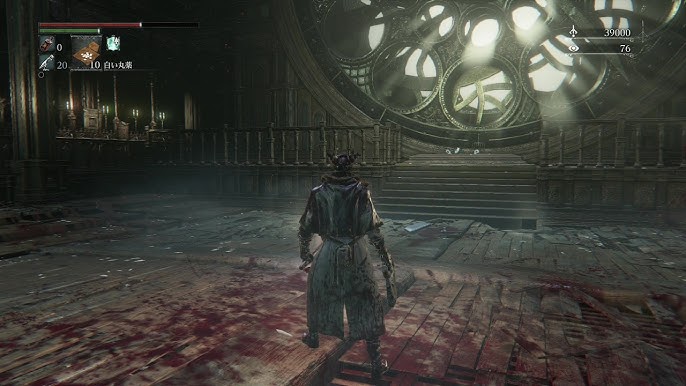
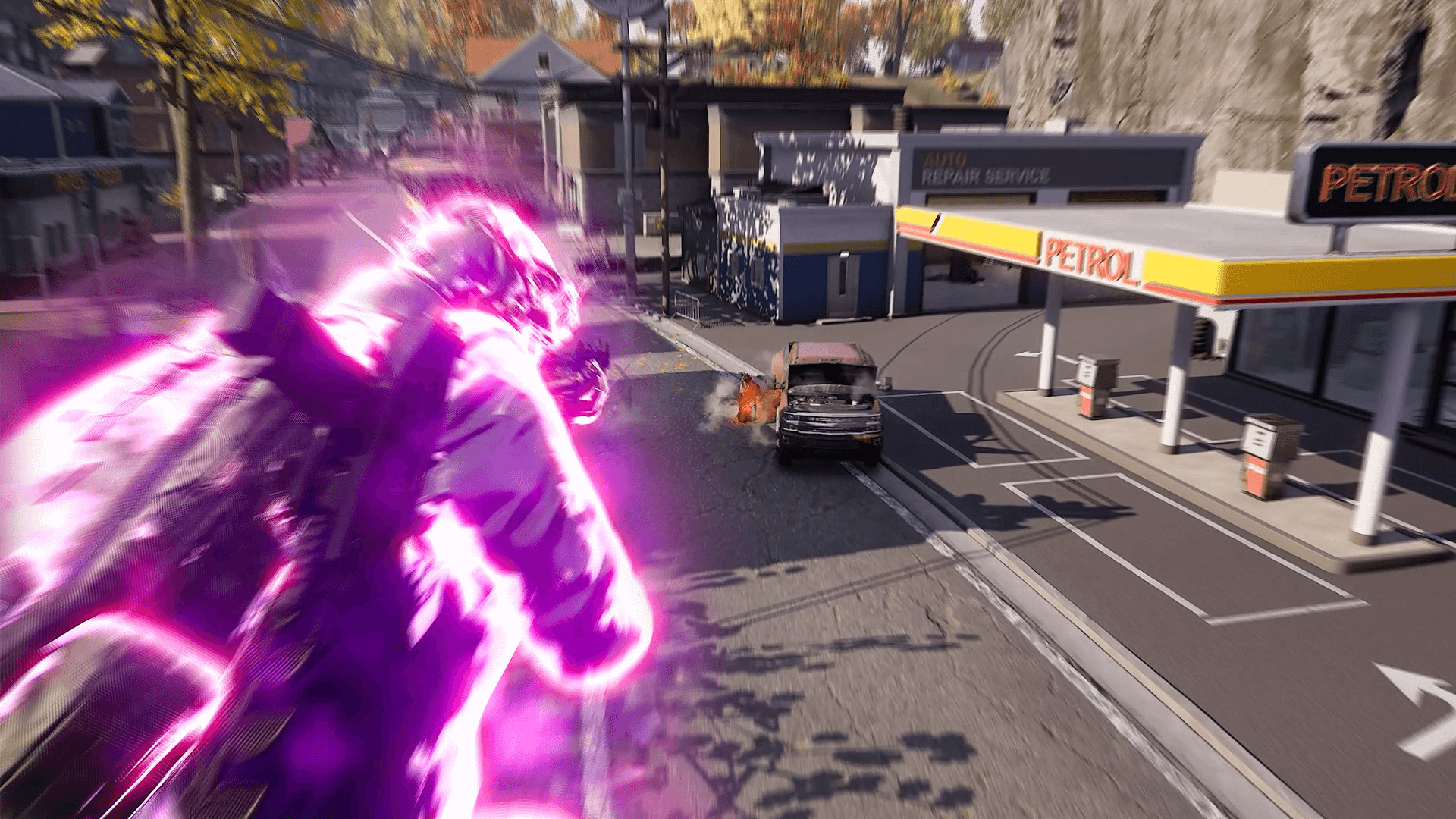
There is a unique adrenaline rush that comes with facing a towering enemy who seems designed specifically to crush your progress. Whether you are a casual player looking to push past a difficult gatekeeper or an enthusiast aiming for flawless runs, professional boss fight combat training is the secret to consistent victory. Success in these high-stakes encounters is rarely just about reflexes; it is about transforming raw inputs into a disciplined, analytical process. By moving beyond frantic button mashing, you can learn to dissect boss behavior, master your character’s move sets, and treat every defeat as a data point rather than a failure.
In this guide, we will break down the essential frameworks for achieving skill based combat mastery. You will learn how to read complex telegraphs, optimize your build for specific phase transitions, and cultivate the mental resilience required to conquer the game’s toughest trials. If you want to refine your approach to challenging encounters, check out our guide on best boss fight arena games: mastering skill-based combat. Let us sharpen your tactics and turn those frustrating game-over screens into triumphant victories.
1. Mastering Boss Fight Combat Training Fundamentals
To achieve true skill-based combat mastery, you must shift your perspective from simple button-mashing to a deep understanding of game architecture. Boss fights are not just chaotic hurdles; they are choreographed puzzles designed to test your mechanical precision and decision-making under pressure. By breaking down encounters into their core components—behavior, defense, and psychology—you can transform from a reactive player into a strategic combatant who dictates the flow of battle.
1.1 Deconstructing Boss Mechanics and Behavioral Patterns
1.1.1 Identifying Telegraphing Cues and Wind-up Animations
Every lethal strike usually begins with a tell. Before a boss executes a high-damage move, look for subtle animations like a shift in stance, a specific glow, or a twitch of a limb. Recognizing these wind-up frames early provides the split-second advantage needed to position yourself safely before the active hitbox arrives.
1.1.2 Mapping Rhythm Cycles and Attack Sequences
Bosses often operate on predictable loops. By treating combat like a rhythm game, you can map out when a boss is likely to use a long-range sweep versus a close-quarters bash. Once you internalize these sequences, you stop panicking during complex animations and start anticipating the boss’s next logical move.
1.1.3 Understanding Phase Transitions and Escalating Intensity
As boss health drops, their behavior often shifts, introducing faster attacks or new elemental hazards. Successful players use these phase transitions as a reset point to evaluate their remaining resources and adjust their tactics accordingly. Recognizing these shifts allows you to switch your playstyle from aggressive damage dealing to cautious survival when the intensity spikes.
1.2 Developing Essential Combat Proficiency
1.2.1 Mastering Defensive Core Mechanics: I-frames and Parries
Survival hinges on understanding your invincibility frames (I-frames) during dodge rolls or the precise timing required for parries. If you struggle with the timing, spend time in a low-stakes area practicing your defense against minor enemies to build the muscle memory required for critical boss encounters.
1.2.2 Managing Combat Resources: Stamina, Mana, and Cooldown Discipline
Resource management is the backbone of mastering combo sequence battle games. Avoid the temptation to dump all your resources at once. Instead, maintain a steady flow of attacks while keeping enough energy in reserve to dash away or block when the boss counters. Discipline in your cooldown management prevents you from being caught vulnerable during a boss’s prime attack window.
1.2.3 Spatial Awareness and Arena Positioning Strategies
The arena is part of your toolkit. Use pillars, elevation changes, or corners to break line-of-sight with projectiles or to corral a boss into a disadvantageous spot. Always be mindful of your distance; staying too close may trigger grab attacks, while staying too far might invite unavoidable closing-distance strikes.
1.3 Cultivating the High-Performance Mindset
1.3.1 Achieving Flow State During High-Stakes Encounters
Flow state occurs when your focus is so absolute that your reactions feel instinctual rather than conscious. To reach this state, quiet your mind, breathe steadily, and focus exclusively on the rhythm of the battle rather than the pressure of losing.
1.3.2 Mitigating Tilt and Managing Cognitive Overload
When you get frustrated, your decision-making degrades, leading to more mistakes. If you find yourself succumbing to tilt, step away for a moment. Managing your cognitive load means knowing when to stop forcing a difficult encounter and instead refocus your mental energy for a fresh, calm attempt.
1.3.3 Implementing the Iterative Improvement Loop for Death Analysis
View every death not as a failure, but as a data point. Ask yourself: “Did I die because I ran out of stamina, or because I misread a telegraph?” Use each defeat to refine your strategy, ensuring that the next attempt is an evolution rather than a repeat of the same mistake.
2. Advanced Boss Fight Combat Training Strategies for Pro Execution
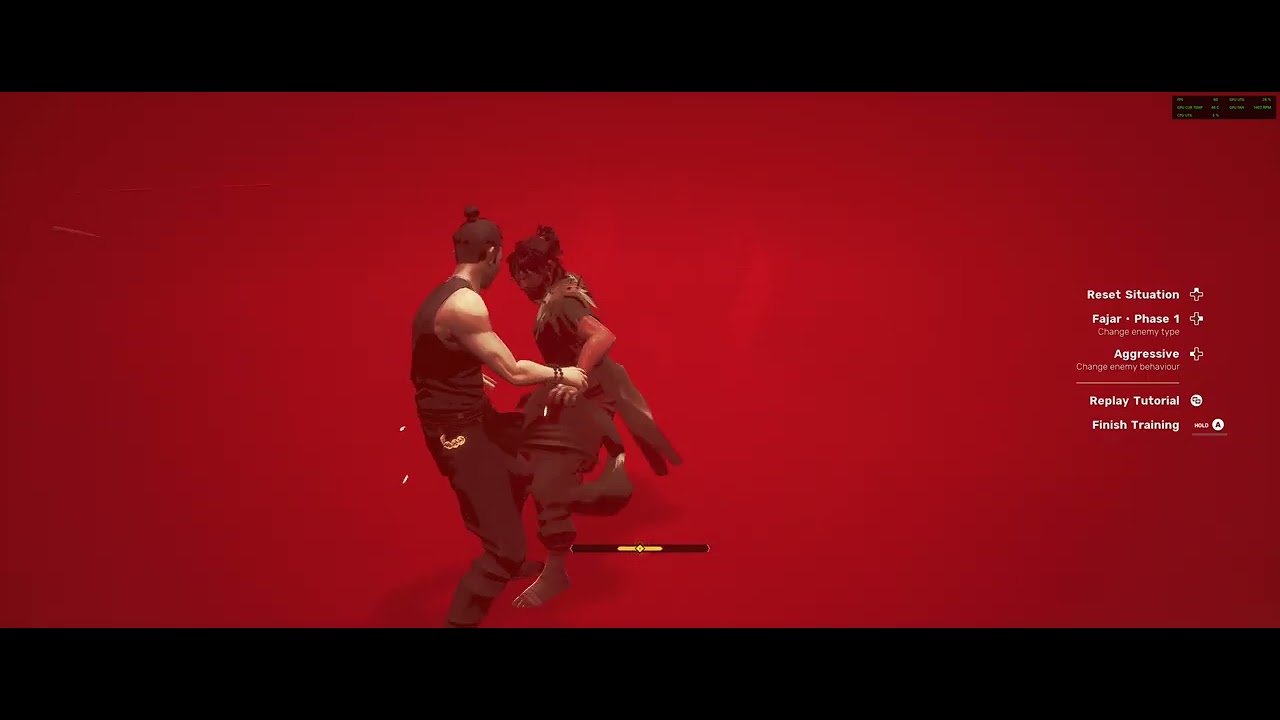
2.1 Engineering Synergistic Builds for Optimal Output
Achieving high-level performance in boss fight combat training requires more than just raw reflexes; it demands a deep understanding of meta-game optimization. Players must move beyond generic loadouts and begin tailoring their equipment for specific challenges.
2.1.1 Matching Weapon Affinity and Ability Sets to Elemental Weaknesses
Success often hinges on exploiting the specific elemental vulnerabilities coded into a boss’s armor or health pool. Whether you are engaging in weapon based melee combat or utilizing long-range magic, aligning your damage type—be it fire, frost, or lightning—to these weaknesses significantly reduces fight duration. Always inspect the boss’s bio or observe visual cues during early attempts to identify which elemental affinity yields the highest damage per hit.
2.1.2 Balancing DPS Ratios Against Survivability Requirements
A common mistake is chasing maximum damage output at the cost of essential defense. Pro players maintain a delicate balance, ensuring their build can survive at least one or two missteps. You should prioritize “sustain” stats or defensive passive abilities that trigger during phase transitions, allowing you to stay in the fray longer without retreating for healing.
2.1.3 Customizing Loadouts for Specific Boss Hitbox Vulnerabilities
Different bosses feature unique, often hidden, weak points. Some encounters require high-mobility weapons to reach elevated hitboxes, while others demand heavy, armor-piercing tools to break through shields. Swap your loadout based on the boss’s physical profile rather than relying on a “one size fits all” weapon set.
2.2 Tactical Exploitation and Offensive Efficiency
Offensive pressure is the most effective way to dictate the flow of an encounter. By understanding how the game’s AI perceives your movement, you can manipulate the fight to your advantage.
2.2.1 Baiting AI Behavior Through Proactive Positioning
Rather than reacting to boss attacks, you should attempt to bait specific, easy-to-punish animations. By positioning your character at a specific distance—the “sweet spot”—you can force the boss to trigger telegraphed attacks that leave it wide open for counter-attacks.
2.2.2 Maximizing Damage Windows During Stagger and Vulnerable States
Every boss eventually reaches a state of exhaustion or vulnerability. Mastering combo sequence battle games requires you to identify these windows instantly. When a boss enters a staggered state, prioritize your highest-damage abilities immediately, ignoring defense until the window closes.
2.2.3 Utilizing Frame Data for Precise Counter-Attack Timing
Advanced players look at the frame data of their own animations. By learning exactly how many frames it takes to execute a swing or a dodge, you can maximize your uptime. Precision here means squeezing in an extra hit right before a boss begins its next wind-up, turning narrow misses into devastating counter-blows.
2.3 Practical Training Drills and Skill Refinement
True mastery comes from isolating mechanics and practicing them in a controlled environment until they become muscle memory.
2.3.1 Shadowing Techniques for Reaction Time Conditioning
“Shadowing” involves entering a fight with no intention of winning. Instead, your only goal is to dodge or parry every attack for as long as possible. This removes the stress of the “win condition” and focuses your brain on pattern recognition and reaction speed.
2.3.2 Executing No-Damage Runs for Mechanical Consistency
The “no-damage” run is the gold standard of skill-based combat mastery. Even if you don’t aim for a perfect run in a real match, practicing one in training helps you identify which specific attacks are still causing you trouble. If you can beat a boss without taking a hit, you have officially mastered the encounter’s rhythm.
2.3.3 Theorycrafting and Testing Combat Efficiency in Controlled Environments
Use training dummies or low-stakes arenas to test new equipment combinations. Record your results, compare damage-per-second (DPS) stats, and adjust your build based on data rather than intuition. This scientific approach ensures that when you step into the real arena, your gear is optimized for peak performance.
Mastering boss fight combat training is a journey that transforms you from a button-masher into a tactical powerhouse. By internalizing the rhythm of boss animations, sharpening your mechanical execution, and refining your ability to adapt to complex phase transitions, you effectively bridge the gap between failure and consistent victory. Remember that even the most formidable opponents operate within predictable logic sets; your task is simply to decode those patterns and apply your skills with precision and patience.
Whether you are perfecting your defensive parries or optimizing your damage output through calculated gear synergies, the key lies in the iterative loop of analysis and application. Do not let a defeat discourage you; instead, treat each “Game Over” screen as a data point that brings you one step closer to absolute mastery. If you are looking to challenge your newfound abilities against different archetypes, feel free to explore our guide on best boss fight arena games to put your combat tactics to the test. Stay focused, maintain your composure during high-intensity moments, and keep refining your playstyle to dominate the toughest encounters in your favorite titles.