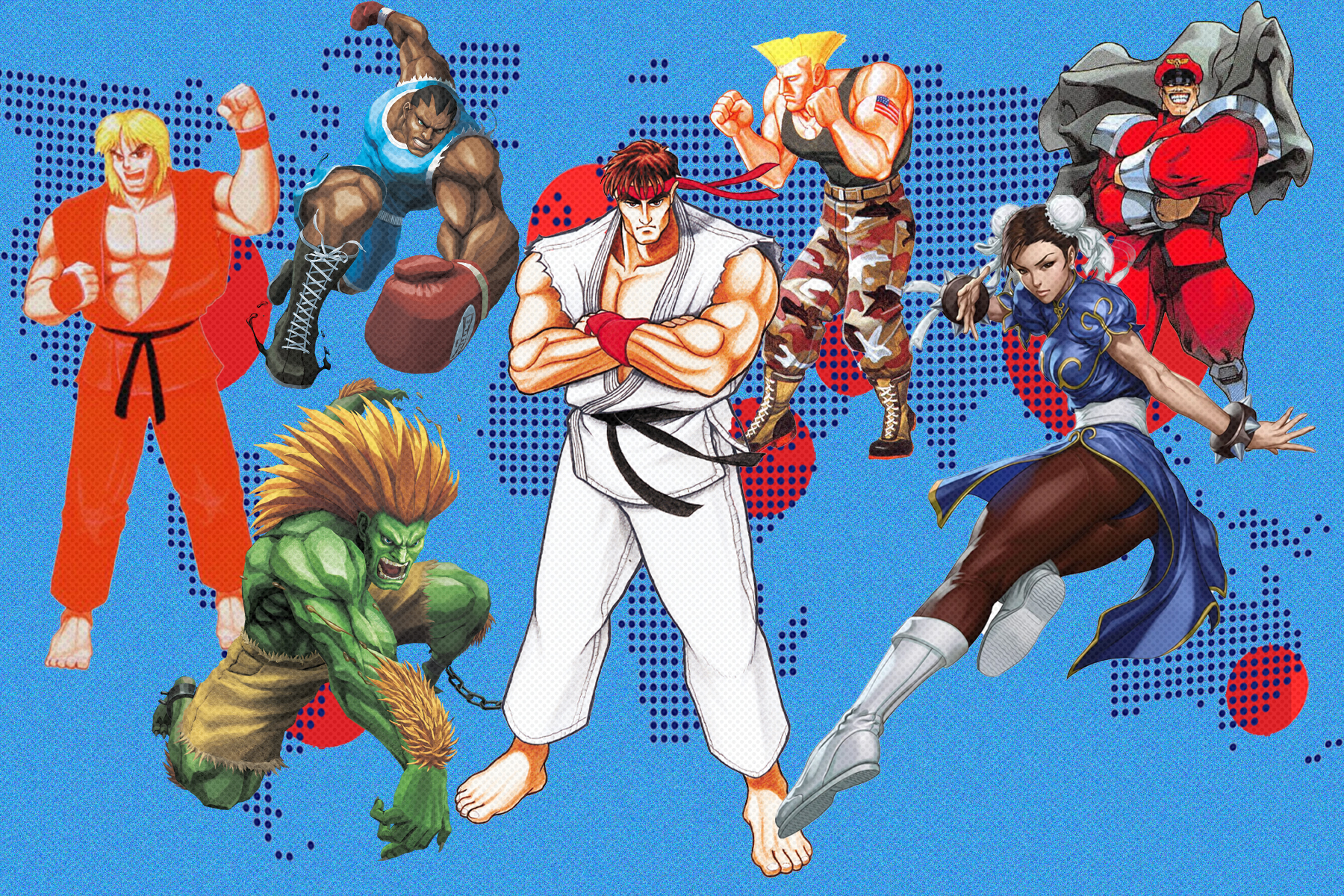
Stepping into the world of arena tournament fighters is more than just mashing buttons; it is a dedicated pursuit of precision, timing, and psychological edge. Whether you are climbing the ranks in a high-stakes competitive ladder or looking to refine your neutral game, the jump from casual play to tournament readiness requires a fundamental shift in how you approach every interaction. At its core, this genre demands a deep understanding of rhythm, spacing, and the ability to outthink your opponent under intense pressure.
In this guide, we will break down the essential components that separate amateur enthusiasts from seasoned competitors. You will learn how to sharpen your execution, master complex move sets, and implement advanced strategies that dictate the pace of a match. From navigating frame data to perfecting your combo sequence battle games, we provide the insights needed to transform your gameplay. Prepare to elevate your skills, refine your character management, and develop the mental fortitude required to dominate the arena stage.

1. Mastering Core Mechanics and Fundamentals for Arena Tournament Fighters

Achieving victory in competitive gaming requires more than just quick reflexes; it demands a deep understanding of the underlying systems that govern every match. For those looking to excel in arena tournament fighters, the path to success is paved by rigorous technical practice and a commitment to refining the core fundamentals of combat.
1.1 Developing Technical Proficiency in Competitive Combat
1.1.1 Mastering Input Accuracy and Timing for Optimal Combos
Precision is the hallmark of a high-level competitor. In combo sequence battle games, the difference between a successful strike and a whiffed attack often comes down to millisecond-perfect inputs. To achieve mastery, players should focus on building muscle memory through repetitive drills in training modes. Instead of attempting complex strings immediately, break them down into smaller segments. Consistent, accurate input execution ensures that your character performs the desired action exactly when needed, preventing the recovery frames that leave you vulnerable to counter-attacks.
1.1.2 Understanding Frame Data and Ability Priority Systems
Every movement and attack in a match has a specific start-up, active, and recovery frame count. By studying frame data, you can identify which of your abilities have higher priority, allowing you to “trade” hits effectively or interrupt an opponent’s onslaught. Understanding these invisible metrics transforms your gameplay from reactive to proactive, as you learn exactly which moves are safe to throw out in neutral and which should be reserved for punishing specific mistakes.
1.1.3 Refining Movement Techniques Including Dash-Canceling and Spacing
Movement is your primary form of defense. Techniques such as dash-canceling allow you to negate recovery animations, maintaining your mobility while constantly shifting your hitbox. Maintaining proper spacing—often called “footsies”—is essential to baiting out an opponent’s swing while keeping yourself just out of their reach. Mastery of these movement options creates a dynamic, unpredictable playstyle that is difficult for even veteran opponents to read.
1.2 Strategic Positioning and Environmental Control
1.2.1 Leveraging Arena Geometry for Line of Sight Manipulation
The arena itself is an extension of your toolkit. Smart players use pillars, walls, and elevation changes to break line of sight, forcing opponents to close the gap on your terms. By maneuvering around geometry, you can hide your ability indicators or avoid projectile spam, creating opportunities to reset the engagement in your favor.
1.2.2 Controlling Center Stage to Dictate Engagement Flow
While the perimeter offers safety, controlling the center stage grants you the most options. Occupying the middle of the arena forces your opponent to commit to a direction, which you can then punish. By holding the center, you dictate the pacing of the bout, often corralling the opponent toward hazards or limiting their escape routes.
1.2.3 Utilizing Dynamic Arena Hazards to Punish Over-Aggressive Opponents
Many battlegrounds feature dynamic hazards, such as floor traps or environmental obstacles. Learning to steer an aggressive opponent into these hazards is a high-level skill-based combat mastery technique. When an opponent overcommits, a well-timed shove or knockback into an environmental danger can deal significant chip damage and turn the tide of a round instantly.
1.3 Advanced Resource and Cooldown Management
1.3.1 Creating Cooldown Tracking Habits for Predictable Trading
Mental tracking of your opponent’s primary cooldowns is non-negotiable. If you know an opponent has burned their defensive escape or their high-damage burst ability, you have a temporary window of total dominance. Developing this habit allows you to trade resources efficiently, ensuring you only engage when the odds are stacked in your favor.
1.3.2 Optimizing Stamina and Mana Consumption During Sustained Bouts
Resource management is the backbone of longevity in extended matches. Whether it is stamina for dodging or mana for specialized attacks, spamming moves leads to exhaustion and vulnerability. Efficient players manage their resource pools by alternating between low-cost pokes and high-impact combinations, ensuring they have the fuel required to finish a fight strong.
1.3.3 Identifying Burst Windows to Maximize Damage Output
Every character has specific “burst windows”—moments where their abilities align for maximum damage output. Recognizing these windows requires knowing your character’s kit inside and out. For more on optimizing these tactical engagements, check out Mastering Combo Sequence Battle Games: Tips & Strategies to help integrate your damage potential into the broader flow of the tournament.
2. Advanced Tactical Strategies and Mental Conditioning for Arena Tournament Fighters
2.1 Decoding the Meta and Developing Counter-Strategies
To rise through the ranks in arena tournament fighters, you must look beyond your own inputs and analyze the broader competitive landscape. The meta represents the most efficient, high-win-rate playstyles currently dominating the game. Recognizing these patterns allows you to prepare specific answers before you ever step into the queue.
2.1.1 Analyzing Top-Tier Build Archetypes and Their Weaknesses
Every dominant archetype has a hidden vulnerability. Whether a build relies on high-burst assassin tactics or defensive turtle strategies, you must identify its specific failure points. Break down top-tier builds by their ability cooldowns and resource dependencies. If a dominant character relies on a long-duration ability to close distance, your counter-strategy should involve baiting that ability and punishing the user during their vulnerable recovery window.
2.1.2 Adapting Gear and Skill Sets Between Tournament Matches
Flexibility is a defining trait of champion-level players. In a tournament bracket, the ability to pivot your loadout between rounds can turn a potential loss into a convincing victory. Do not commit to a static gear configuration; instead, maintain a flexible kit that allows you to swap out utility skills or resistance stats based on your opponent’s character choice. If you notice an opponent repeatedly utilizing heavy crowd-control effects, swap to gear that boosts tenacity or CC-reduction to negate their primary advantage.
2.1.3 Practicing Defensive Adaptations Against Stalling or Kite-Heavy Opponents
Kite-heavy opponents thrive by dragging matches into long, drawn-out affairs that drain your patience. To counter this, you must master closing the gap without over-extending. Focus on patient, incremental movement rather than desperate lunges. Use environmental obstacles to cut off their escape routes and force them into corner scenarios where their mobility is severely restricted. When you successfully force a stale-mate fighter into a corner, use combo sequence battle games tactics to maximize damage before they can blink away.
2.2 Psychological Warfare and In-Match Decision Making
High-level play is as much about reading the person behind the screen as it is about hitting the right buttons. Emotional control often determines the winner in intense, high-stakes bouts.
2.2.1 Mastering Baiting Techniques to Force Opponent Mistakes
Baiting is the art of deception. By mimicking a specific, predictable behavior—such as stepping into a range that makes you look vulnerable—you can lure your opponent into committing to an attack. Once they commit, you are perfectly positioned to dodge, parry, or interrupt their animation. Effective baiting requires a firm grasp of your own character’s reach and the confidence to stand your ground until the exact moment of engagement.
2.2.2 Maintaining Emotional Regulation Under Tournament Pressure
Tournament environments generate significant pressure, which often leads to “tilt”—a state of frustration that causes players to ignore strategy and play impulsively. To avoid this, focus on maintaining a rhythmic breathing pattern between matches. Treat every loss as a data point rather than a failure of skill. By removing the ego from your performance, you can analyze your mistakes objectively and stay composed enough to execute complex strategies in the final round.
2.2.3 Breaking Patterns to Keep Opponents Off Balance
Predictability is the fastest way to lose a tournament. Even if you have a “go-to” combo, using it every time makes you easy to read. Intentionally vary your engagement patterns, even if it means slightly suboptimal damage output in the short term. By mixing up your approach—alternating between aggressive pressure and passive baiting—you force your opponent to guess your next move, significantly reducing their ability to land precise counters.
2.3 Post-Match Analysis and Long-Term Improvement
True skill-based combat mastery is built on continuous refinement and the willingness to learn from defeat.
2.3.1 Utilizing Replay Systems to Diagnose Personal Tactical Errors
Replays are your best tool for uncovering unconscious habits. When reviewing your footage, ignore the highlights and focus entirely on the moments where you took damage. Ask yourself why you were hit: Was it poor spacing, a wasted cooldown, or an incorrect read of your opponent’s intent? Identifying these microscopic errors allows you to correct them during your next practice session.
2.3.2 Establishing a Consistent Training Routine for Skill Retention
Consistency beats intensity. Instead of practicing for hours once a week, dedicate shorter, focused bursts of time daily to specific mechanics. Drill your muscle memory by repeating frame-perfect inputs until they become second nature. A structured training routine that cycles through offensive execution, defensive maneuvering, and character-specific setups ensures that your skills remain sharp regardless of how long you have been away from the arena.
2.3.3 Evaluating High-Level Professional Footage to Identify Emerging Trends
Professional players often pioneer the techniques that will become standard in the game weeks later. Regularly watch high-level tournament streams to observe how the pros handle current meta threats. Pay close attention to how they manage their stamina and mana pools during high-pressure situations, and look for subtle movement techs that might give you an edge. Emulating high-level strategies is the most effective way to accelerate your own growth as a tournament contender.
Mastering arena tournament fighters is a journey that transcends simple button-mashing, requiring a blend of technical precision, psychological resilience, and deep strategic foresight. By refining your understanding of frame data and movement, you elevate your gameplay from casual interaction to true skill-based combat mastery. Remember that every arena battle is an opportunity to learn; whether you are perfecting a complex combo sequence or adjusting your roster management for a specific matchup, the path to the top is paved with deliberate practice and constant tactical adaptation.
As you continue your climb through the ranks, prioritize consistent post-match analysis and maintain a focus on your emotional regulation. Recognizing your own patterns—and those of your opponents—will turn the tide in even the most grueling tournament settings. For those looking to further their expertise in competitive gaming mechanics, be sure to explore our comprehensive guide on mastering combo sequence battle games to sharpen your execution. With patience, rigorous training, and a sharp tactical mind, you can dominate the arena and solidify your reputation as a formidable competitor. Keep pushing your limits, stay observant of the evolving meta, and let every match serve as a stepping stone toward your ultimate tournament victory.