There is a unique thrill in perfectly executing a complex string of attacks that leaves your opponent completely defenseless. Whether you are a newcomer trying to land your first basic string or a veteran looking to shave milliseconds off your reaction time, mastering combo sequence battle games requires a blend of muscle memory, strategic foresight, and technical precision. These titles are more than just button-mashing exercises; they are rigorous tests of rhythm, timing, and mental fortitude that reward players who take the time to understand the underlying architecture of combat.
In this guide, we will break down the essential components of competitive play, from deciphering intricate frame data to building consistent, reliable muscle memory. You will learn how to optimize your hardware for lower latency, manage your character’s resources under pressure, and shift your mindset from reactive panic to intentional, strategic dominance. If you are looking to sharpen your overall cognitive focus and reaction speeds, consider exploring our guide on top memory concentration builders to help keep your mind primed for the fast-paced action ahead.

1. Fundamentals of Mastering Combo Sequence Battle Games
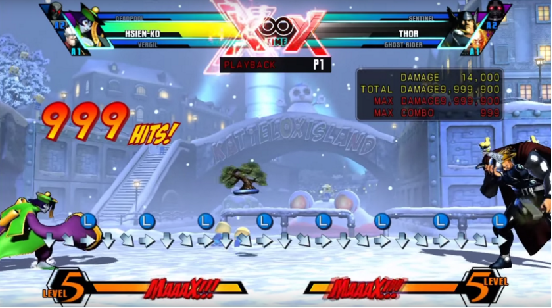
Achieving true skill based combat mastery in modern gaming requires more than just rapid button inputs. Whether you are navigating intense 1v1 arenas or complex role-playing encounters, understanding the core mechanical language of these titles is essential for elevating your gameplay from casual button-mashing to precise, calculated execution.
1.1 Deciphering Combat Mechanics and Input Systems
The foundation of any successful combat encounter lies in your ability to interpret how the game processes your commands. Success often hinges on your internal clock and your ability to read the screen in milliseconds.
1.1.1 Mastering Frame Data to Identify Opening Windows
Frame data is the heartbeat of competitive play. By learning how many frames an attack takes to start, how long the active hitbox persists, and the recovery period, you can identify safe windows to punish an opponent. Recognizing which moves leave your character vulnerable allows you to turn a defensive stance into a lethal counter-offensive.
1.1.2 Understanding Input Buffering for Fluid Execution
Modern engines often utilize input buffering, which allows you to register your next command before your current animation ends. Mastering this feature is the secret to fluid, string-based attacks. By inputting your sequence slightly ahead of time, you eliminate delays and ensure your hero transitions seamlessly from a basic strike to a devastating special move.
1.1.3 The Role of Hit Confirmation in Maintaining Offensive Pressure
Hit confirmation is the act of verifying that your initial attack has connected before committing to a long sequence. This prevents you from wasting resources or leaving yourself wide open when an opponent blocks your opening blow. Developing the reflex to “stutter-stop” your combo when you see a guard allows you to maintain pressure safely.
1.2 Structuring Effective Training Regimens
Raw talent only gets you so far; consistent boss fight combat training is what bridges the gap between frustration and victory. A structured approach to practice is the most reliable way to improve your reaction speed and decision-making.
1.2.1 Breaking Complex Sequences into Manageable Input Chunks
When faced with a high-damage combo that requires ten or more inputs, do not try to learn the whole string at once. Segment the combo into three-part chunks. Perfect the first sequence, then the second, and only once those are automatic, link them together into a fluid whole. This reduces mental fatigue and speeds up mastery.
1.2.2 The Ten Repetition Rule for Building Reliable Muscle Memory
Consistency is built through repetition, but quality matters more than quantity. Aim for ten successful, back-to-back executions of a specific sequence in a training environment. If you drop the combo, the count resets to zero. This practice forces your brain to treat the sequence as a single muscle memory event rather than a series of disparate button presses.
1.2.3 Utilizing Training Mode Tools for Counter-Hit and Wake-Up Simulations
Most advanced titles include robust training tools that let you simulate specific scenarios. Program your practice dummy to wake up with a quick strike or a defensive maneuver. By practicing your follow-ups against these specific AI behaviors, you prepare yourself for the unpredictable nature of live opponents.
1.3 Technical Optimization for Peak Performance
Your hardware setup should be an extension of your intent. Even with perfect reflexes, environmental factors can cause missed opportunities and dropped combos.
1.3.1 Minimizing Input Latency Through Hardware and Software Adjustments
Input lag is the primary enemy of precision. Check your display settings for a dedicated “Game Mode,” which bypasses unnecessary image processing that adds milliseconds of delay. If you are playing on a PC, ensure your drivers are updated to optimize frame delivery and reduce system-level latency.
1.3.2 Ergonomic Controller Calibration and Hand Placement
Hand strain is a common barrier to consistent performance. If your grip is too tight, your reaction times will suffer during high-pressure sequences. Explore different controller holds—such as using your index and middle fingers for shoulder buttons—to ensure you can access all command inputs without shifting your hand position mid-battle.
1.3.3 Synchronizing Timing with Audio and Visual Cues
Don’t rely solely on visual feedback. Most developers provide distinct audio cues, such as a sharp “clink” or grunt, that signal the exact moment a hit connects. If you struggle with timing, practice by muting the music and turning up the sound effects. For those looking to sharpen their overall cognitive speed, improving your general focus and memory can significantly help in tracking these subtle rhythmic cues during the chaos of combat.
2. Advanced Strategic Execution and Cognitive Gameplay
2.1 Decision-Making and Resource Management
2.1.1 Balancing Maximum Damage Output Against Sequence Safety
In combo sequence battle games, the temptation to go for the most visually impressive, high-damage string is often the quickest route to defeat. Advanced players learn that maximum damage output is worthless if the sequence leaves them vulnerable to a counter-attack. You must assess the risk-versus-reward of every engagement. If a high-damage combo puts you in a position where you cannot recover in time to block, it is often better to opt for a shorter, safer string that keeps you in a neutral position. Prioritizing safety ensures that even if you do not end the round instantly, you maintain control of the pace.
2.1.2 Strategic Meter Management for Offensive and Defensive Utility
Your meter is more than just a resource for ultimate moves; it is the heartbeat of your tactical flexibility. Mastering skill based combat mastery requires knowing when to hold your meter for a defensive burst or a life-saving recovery and when to expend it to extend a combo. Avoid the trap of “meter dumping” on low-health opponents. Instead, conserve your resources to break through an opponent’s guard or to escape a locked-in sequence that would otherwise drain your entire health bar.
2.1.3 Adapting Combo Strings Based on Opponent Health and Game State
Context-aware gameplay is what separates novices from masters. As an opponent’s health dwindles, your strategy should shift from raw damage to reliability. If a long, complex sequence has a higher drop rate, use a simplified, guaranteed damage path to close out the round. Furthermore, pay attention to the stage geometry and your proximity to walls or hazards. Adapting your inputs to utilize the environment can turn a standard hit into a game-changing momentum shift.
2.2 Developing Mental Discipline and Competitive Focus
2.2.1 Overcoming Performance Anxiety and Preventing Tilt
Combat games are emotionally taxing. “Tilt”—a state of frustration that leads to reckless decision-making—is the enemy of consistent performance. When you notice your heart rate rising or your inputs becoming erratic, take a breath. Remind yourself that every mistake is a data point for improvement. Focus on small, achievable goals, such as landing a specific counter or blocking a series of overheads, rather than obsessing over the overall win-loss record.
2.2.2 Analyzing Replays to Identify Dropped Inputs and Tactical Errors
The most effective tool for self-improvement is the replay feature. Watching your own matches allows you to step outside the heat of the moment and identify why your sequences failed. Look for patterns: do you consistently drop a combo when facing a specific character? Are you telegraphing your heavy attacks? By isolating these moments, you can return to the practice room with a clear objective to fix those specific flaws.
2.2.3 Transitioning from Pattern Memorization to Intentional Reactive Play
Memorization is the foundation, but reactive play is the ceiling. Once you have internalized your sequences, stop thinking about the buttons you are pressing and start watching your opponent. Intentional play means anticipating the opponent’s habits and choosing the right counter-strategy on the fly. This shift from “playing your character” to “playing the person sitting across from you” is the ultimate evolution in your competitive journey.
2.3 Differentiating Approaches Across Combo Game Genres
2.3.1 Adapting Execution Styles for 2D Fighters Versus Card-Based Battlers
Execution style varies wildly between sub-genres. In 2D fighters, the focus is on raw reflex and timing within a high-speed environment. Conversely, card-based battlers demand long-term foresight and probability management. While a 2D fighter requires rhythmic, twitch-based muscle memory, a card battler requires you to build a deck or sequence that anticipates future turns. Understand that the “tempo” of your decision-making must shift accordingly to match the mechanics of the specific title you are playing.
2.3.2 Scaling Practice Efforts for Long-Form Interaction Sequences
Some titles feature long-form interactions where inputs occur over several seconds rather than fractions of a second. In these games, the challenge lies in maintaining concentration over the entire duration of the animation. Break these long strings into thematic “chapters.” If the sequence has three phases, master each phase independently before trying to link them together. By scaling your practice, you avoid burnout and ensure that your performance remains flawless even during the most complex, drawn-out battle sequences.
Mastering combo sequence battle games is a journey that transforms you from a button-masher into a tactical player capable of executing complex maneuvers with precision. By focusing on the fundamentals of frame data, committing to structured training regimens, and honing your cognitive decision-making, you elevate your performance far beyond basic play. Remember that true mastery is not just about muscle memory; it is about intentional, reactive gameplay that adapts to your opponent in real-time.
Whether you are tackling intense boss fight combat training or refining your defensive tactics, consistency remains your greatest asset. Don’t be discouraged by dropped inputs or initial failures; they are merely stepping stones in your development. To continue building your cognitive edge, you might find our guide on the top memory concentration builders for sharper focus helpful for maintaining the mental clarity required at high levels of play.
As you apply these strategies, keep experimenting with different character archetypes to broaden your understanding of game systems. Skill-based combat mastery is a continuous process of evolution, so stay patient, keep analyzing your replays, and enjoy the satisfaction of seeing your combos land with perfect timing and strategic impact.