Whether you are preparing for high-stakes fashion week styling contests or simply looking to refine your creative vision in a virtual environment, mastering runway simulation styling requires a blend of artistic intuition and technical precision. In the digital age, styling is no longer just about picking a dress; it is about crafting a narrative that comes to life the moment a model hits the catwalk. From understanding how fabric flows under spotlight conditions to curating the perfect accessories, a professional approach can elevate a standard avatar into a high-fashion icon. If you are looking to organize your creative efforts, our guide to the best character lookbook creators provides the perfect foundation for tracking your evolving style. In this article, we will explore the essential mechanics, aesthetic trends, and expert tips that will help you dominate the virtual runway and deliver show-stopping presentations every single time.
1. Fundamentals of Professional Runway Simulation Styling

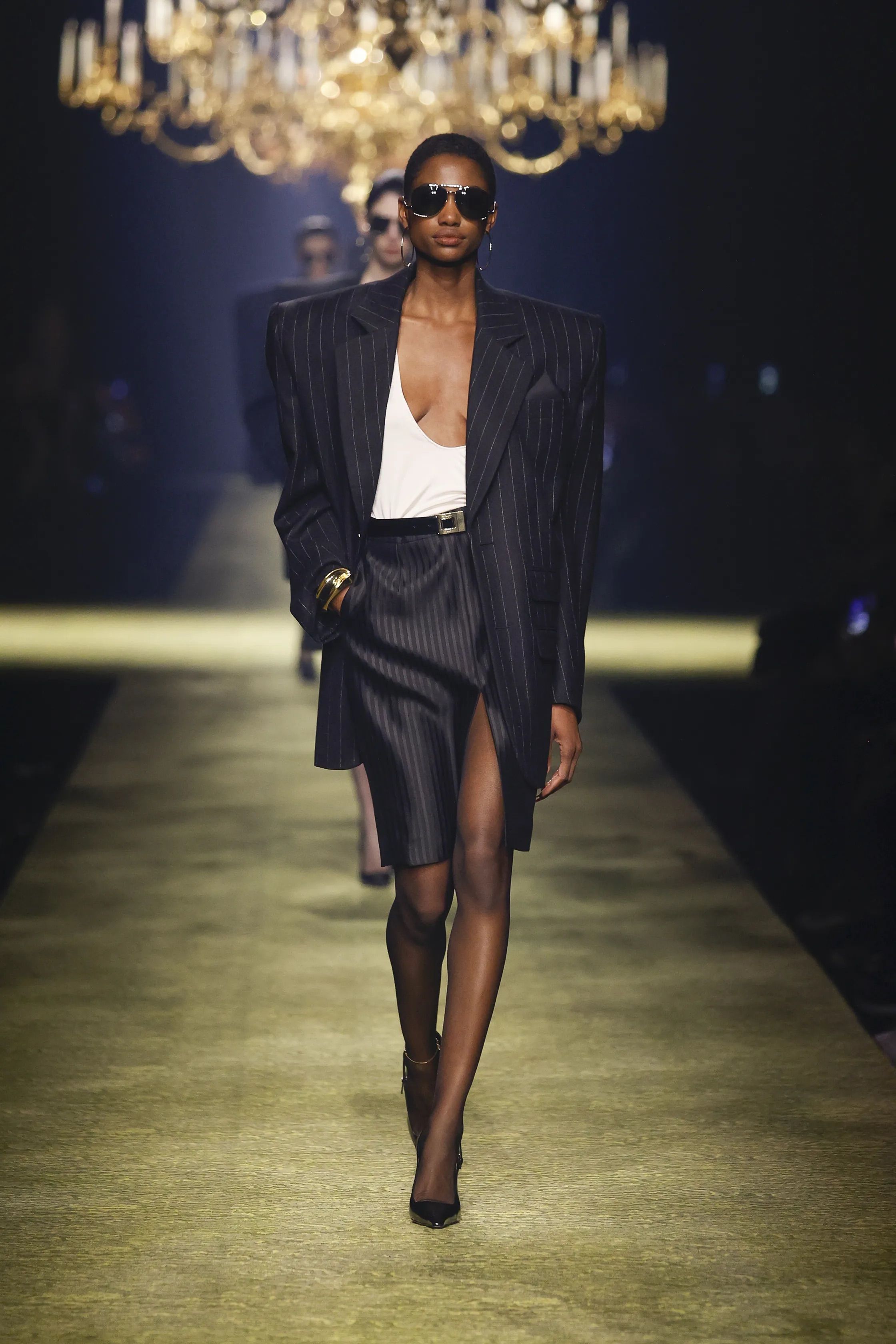
Professional runway simulation styling is more than just selecting a striking outfit; it is the art of embodying the garment’s narrative through precise physical movement. Whether you are participating in high-stakes fashion week styling contests or simply refining your digital avatar’s presence, understanding the mechanical connection between your body and the runway is essential for a commanding performance.
1.1 Biomechanics and Body Alignment for Runway Success
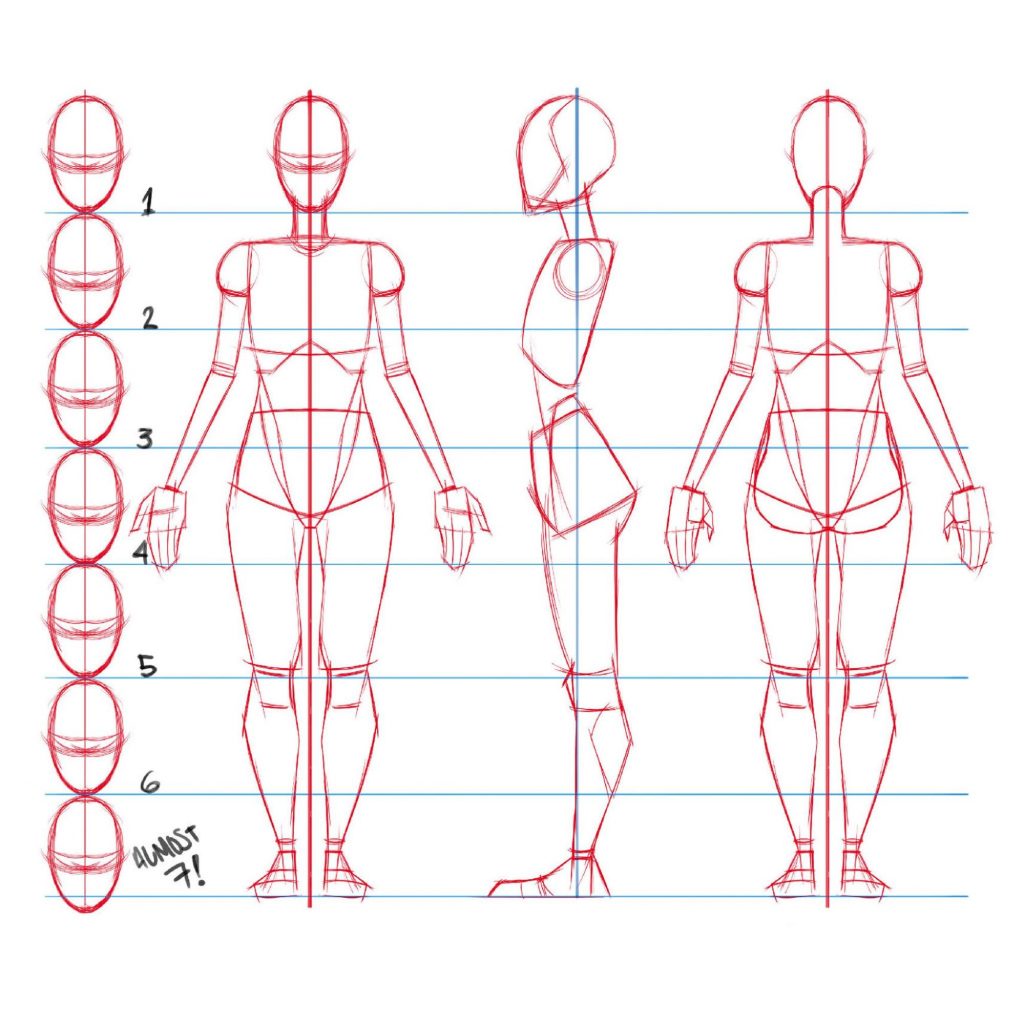
The foundation of any great runway walk lies in efficient biomechanics. Proper alignment creates the visual illusion of length and confidence that designers demand.
1.1.1 Core Engagement and Spine Neutrality
Maintaining a neutral spine is the cornerstone of a professional gait. Instead of arching your back, engage your transverse abdominis—the deep core muscles that act as your internal corset. By pulling your navel toward your spine and keeping your ribcage stacked over your pelvis, you create a stable center of gravity that prevents the wobbling often seen in amateur simulations.
1.1.2 Weight Distribution and Stride Mechanics
Effective runway movement requires a centered weight distribution. As you move, keep your weight slightly forward, allowing your momentum to carry you naturally. Your stride should be consistent and rhythmic, with legs brushing past each other rather than walking with a wide base. This creates a graceful, straight-line path that captures the camera’s attention.
1.1.3 Mastering the Heel-to-Toe Transition for Fluidity
Fluidity is achieved through the intentional roll of the foot. You should aim to place your heel down first, followed immediately by a smooth transfer of weight through the arch and finally pushing off from the ball of the foot. Avoiding a flat-footed “stomp” ensures your walk looks polished and effortless, regardless of the garment’s length.
1.2 Technical Aspects of Runway Presence
Runway presence is the marriage of internal focus and external projection. It is about commanding the space from the moment you step onto the platform until you exit.
1.2.1 Managing Focal Points and Gaze Control
Your eyes communicate your confidence. Fix your gaze on a static focal point at eye level across the room. Avoid scanning the audience, as this breaks the professional detachment required for high-fashion presentations. A steady, purposeful gaze keeps the audience locked into your performance.
1.2.2 The Pivot: Executing Smooth Turns in High-Fashion Footwear
The pivot is the ultimate test of control. To execute a smooth turn, plant your leading foot and use your core to rotate your body in one fluid motion. Keep your weight centered; shifting too far to the outside will cause you to lose balance. Practice this in your rehearsal space until the transition feels like a seamless extension of your stride.
1.2.3 Entry and Exit Navigation Techniques
Navigating the runway requires spatial awareness. Your entry should be decisive—pause for a beat to allow the audience to register your look before beginning your walk. On your exit, maintain your posture until you are completely off-stage; the performance only ends when you are out of the frame.
1.3 Footwear Mastery and Injury Prevention
Because footwear dramatically alters your center of gravity, mastery requires proactive maintenance and physical conditioning.
1.3.1 Selecting Stable Shoes for Runway Simulation
Prioritize shoes that provide adequate heel support. If you are simulating a high-fashion look, ensure the heel is positioned directly under the center of your calcaneus (heel bone). Straps or ankle support can provide extra security during complex turns, minimizing the risk of slips.
1.3.2 Breaking In Procedures for Performance Longevity
Never wear new shoes on the runway. Wear them around your home for 15-minute intervals to soften the materials. Focus on walking on different surfaces to prepare your feet for the varying textures and stability levels of a real-world show environment.
1.3.3 Exercises to Strengthen Ankles and Arches for High Heels
Daily conditioning is non-negotiable. Incorporate calf raises and ankle circles into your routine to increase joint stability. Standing on one leg while brushing your teeth is a simple, effective way to improve your proprioception and strengthen the tiny stabilizing muscles that prevent ankle rolls in high-fashion footwear.
2. Advanced Runway Simulation Styling and Current Industry Trends
2.1 Stylistic Adaptations for Garment Dynamics
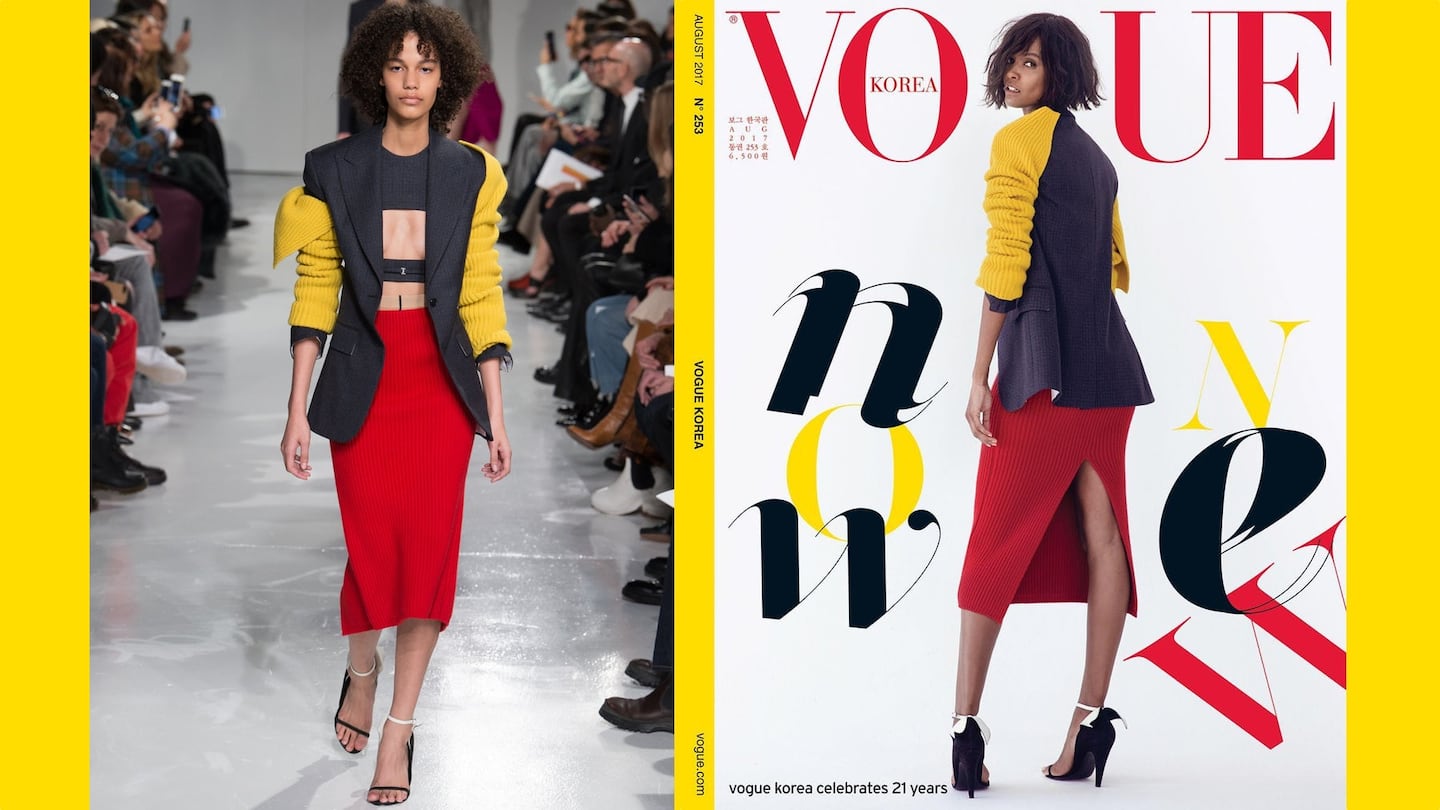
Modern runway simulation styling requires more than just a sharp walk; it demands a deep understanding of how clothing moves in space. To truly excel, you must adapt your movement to the specific silhouette and weight of the fabric. A voluminous, heavy brocade gown requires a grounded, deliberate stride, whereas a lightweight, ethereal silk piece calls for a lighter, more floating presence that allows the material to catch the air.
Beyond the garments, effective styling involves balancing the brand’s core narrative with your individual model personality. While you represent the designer’s vision, injecting a hint of personal flair—through a specific gaze or a subtle tilt of the head—prevents the presentation from feeling sterile. You can refine these choices by using character lookbook creators to experiment with various aesthetic combinations before committing to a physical simulation.
Finally, rhythm and pace are the invisible threads of a successful showcase. Your walk should intuitively mirror the tempo of the musical score. A high-energy, percussive track dictates a punchy, rapid-fire stride, while a slow, melodic piece provides room for elongation and dramatic pauses. Syncing your steps with the beat ensures your performance feels like a cohesive, singular piece of art rather than a disjointed collection of movements.
2.2 Evolving Trends in Professional Runway Presentation
The industry is currently shifting away from the hyper-stiff, robotic precision of the past toward a model of authentic, human-centric expression. Contemporary audiences and designers now favor a walk that feels like a natural extension of the model’s character, encouraging subtle imperfections that signal confidence rather than mechanical rehearsal.
This evolution is even more pronounced in the rise of digital and hybrid runway showcases. Transitioning to virtual platforms means that spatial awareness is no longer limited to a physical walkway. You must now master camera-aware posing, which involves understanding how your silhouette translates to a 2D screen. This requires exaggerated lines, precise angles, and a heightened awareness of where the lens is positioned, ensuring that your style retains its impact regardless of the viewing medium.
2.3 Troubleshooting and Performance Refinement
Even the most seasoned professionals face unexpected hurdles during a simulation. Whether it is a heel catching on a hem or a loose strap, the key to recovering from wardrobe malfunctions lies in your composure. The goal is to maintain your persona; a minor fix done with a purposeful, calm expression is often viewed by the audience as a bold, intentional style choice rather than a mistake.
Developing pre-show rituals is essential for managing the nerves that often lead to these slips. Deep breathing exercises, light stretching, or even a brief mental visualization of your walk can stabilize your adrenaline. To ensure continuous growth, never skip the post-simulation review. Utilizing video feedback allows you to analyze your gait, posture, and accessory coordination from a third-person perspective, highlighting nuances that you might miss while in the moment. Regularly comparing your progress against these recordings will accelerate your technical proficiency and overall style authority.
Mastering the art of runway simulation styling is a journey of continuous refinement, where technical precision meets your unique creative vision. Whether you are aiming to dominate in fashion week styling contests or simply want to elevate your digital avatar’s presence, success relies on the harmony between your model’s physicality and the curated aesthetic of the garment. By focusing on core biomechanics, intentional movement, and the subtle nuances of hair and makeup coordination, you transform a standard simulation into a captivating visual narrative. Remember that every detail—from your pivot technique to your choice of accessories—contributes to the overall impact of your presentation.
As you experiment with different themes and silhouettes, keep a record of your favorite looks and staging techniques to build your personal brand. Utilize video feedback to spot areas for improvement, and never underestimate the power of confidence when presenting your work. The world of digital fashion is constantly evolving, so stay curious about new trends and emerging tools that can help you stand out. By applying these expert tips, you are well on your way to creating unforgettable runway experiences that resonate with both judges and audiences alike. Keep practicing, trust your creative instincts, and continue pushing the boundaries of your signature style.