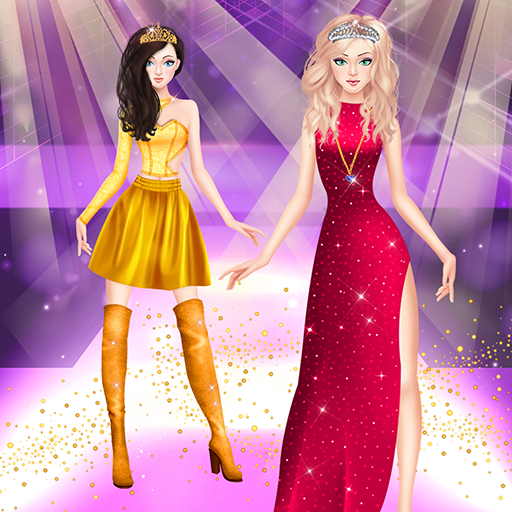
Whether you are a digital artist, a roleplayer, or someone passionate about building a cohesive visual identity for your original characters, finding the right character lookbook creators is a game-changer. Moving beyond simple paper dolls, modern digital styling tools allow you to craft intricate, high-fidelity visual representations of your character’s wardrobe and personality. From sourcing fantasy character attire to perfecting hairstyle and makeup styling, these platforms provide the structure needed to translate abstract ideas into a polished, professional-grade portfolio. If you are interested in exploring how these digital tools connect with interactive styling, you can learn more about outfit planning dress-up techniques to further refine your creative process.
In this guide, we will explore the best software for every skill level, helping you streamline your design workflow. You will learn how to evaluate feature sets, master the art of digital flat lays, and ultimately build a comprehensive lookbook that maintains visual consistency across every project.
1. Top Rated Character Lookbook Creators and Digital Styling Tools
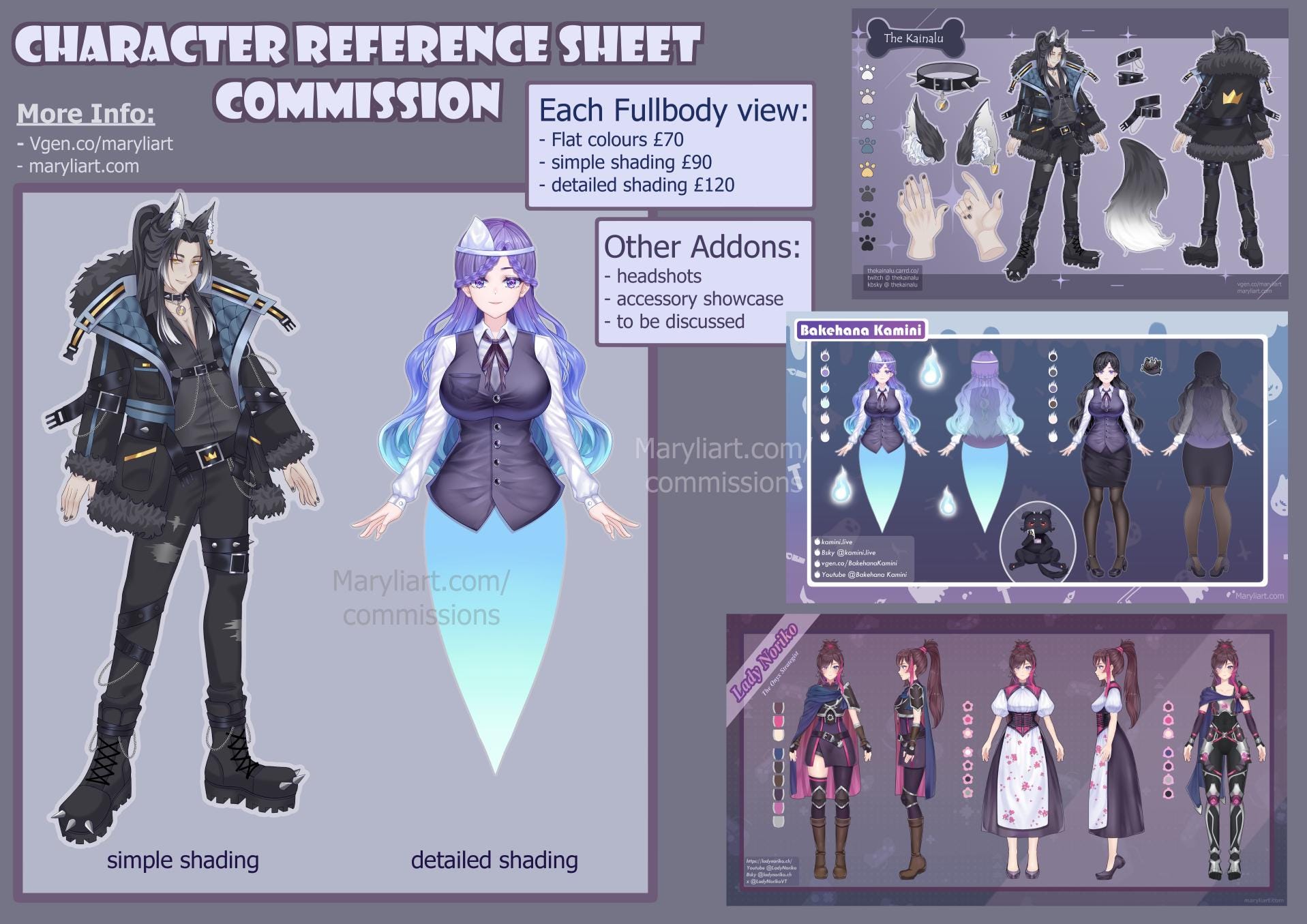
The landscape of digital fashion is rapidly evolving, moving beyond simple dress-up games toward sophisticated design environments. Whether you are a writer documenting character designs, a hobbyist exploring fantasy character attire, or a professional aiming to streamline your creative vision, choosing the right digital toolkit is the foundation of your success.
1.1 Selecting the Ideal Software for Your Skill Level
Your choice of platform should align with your specific creative goals and technical proficiency. It is helpful to categorize tools by their workflow complexity to ensure you do not get bogged down by unnecessary features.
1.1.1 Evaluating Beginner Friendly Drag and Drop Platforms
For those new to character design, web-based drag-and-drop tools are the best entry point. These platforms prioritize ease of use, often providing pre-rendered assets such as clothing pieces, hairstyles, and accessories. You can quickly assemble a visual concept without needing deep knowledge of graphic design software, making them perfect for rapid brainstorming and immediate visual feedback.
1.1.2 Assessing Professional Grade Design Suites for Advanced Customization
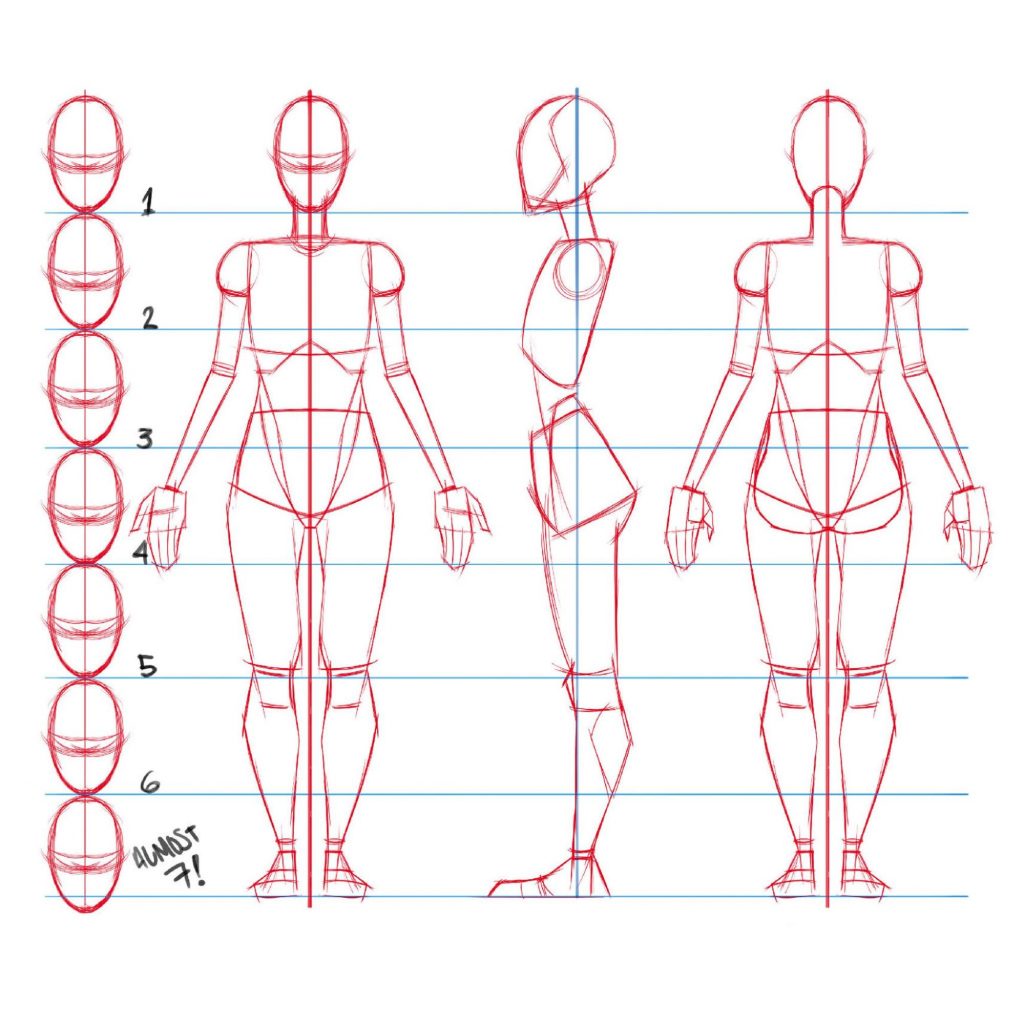
If you are working with cosplay costume designers or creating high-fidelity visual documentation, standard drag-and-drop games will eventually feel restrictive. Professional suites—such as vector-based illustration software or dedicated 3D character creators—allow for precise adjustments to fabric physics, custom textures, and anatomical proportions. These tools are essential when you need to move beyond preset assets to create entirely original, bespoke designs.
1.1.3 Leveraging Niche Digital Wardrobe Apps for Asset Management
Sometimes the challenge isn’t creating a design from scratch, but organizing an existing library of visual references. Niche digital wardrobe apps allow you to catalog digital items, manage your collections, and experiment with outfit combinations in a clean, data-driven environment. These tools are indispensable for maintaining consistency when you are managing complex, multi-part character inventories.
1.2 Comparative Analysis of Lookbook Creation Features
Not all creators offer the same utility, so understanding the underlying feature sets is vital before committing your time to a platform.
1.2.1 Subscription Models and Free Tier Capabilities
Many creators operate on a freemium model. While free tiers are excellent for initial exploration, they often restrict high-resolution exports or library storage. Evaluate whether the subscription cost is justified by advanced features, such as cloud synchronization or access to premium asset packs that could elevate your fantasy character attire concepts.
1.2.2 Collaborative Features for Team Based Styling
If you are part of a creative team, look for platforms that support real-time collaboration. The ability to share live boards, leave comments on specific design elements, and track version history can significantly reduce friction during the development phase of a project.
1.2.3 Export Options for Interactive and Static Media
Your end goal dictates your export requirements. For static mood boards, high-resolution PNG or PDF support is sufficient. However, if your lookbook needs to be interactive, prioritize tools that allow for HTML5 exports or embedded links, as these facilitate a dynamic presentation of your virtual closet styling choices.
1.3 Essential Elements of High Quality Character Documentation
A professional-grade lookbook does more than display clothing; it communicates the character’s narrative through visual cues.
1.3.1 Building Consistent Color Palettes and Mood Boards
Consistency is the hallmark of great character design. Use your styling tools to establish a strict color palette early in the process. Ensure that your mood boards reflect not just the clothing, but the overall atmosphere of the character, incorporating inspiration from textures, environments, and lighting to ground your design in a cohesive aesthetic.
1.3.2 Defining the Difference Between Aesthetic Curation and Functional Inventory
It is important to distinguish between a purely aesthetic mood board—which focuses on the “vibe” and color harmony—and a functional inventory. A functional inventory is an organized database of specific items, complete with technical specifications or notes on materials. Balancing both in your lookbook ensures that your character design is both visually compelling and logistically sound.
2. Strategic Workflow for Professional Character Lookbook Development
2.1 Phase One: Conceptualization and Persona Research
Before you dive into digital tools, success starts with a clear vision. Defining the character narrative and style archetypes is the foundation of any cohesive lookbook. Whether you are building a persona for an interactive game or designing elaborate fantasy character attire, you must first establish the “who” and “why.” Ask yourself what the character’s history, personality, and environment dictate about their visual presentation. This narrative arc prevents disjointed styling and ensures that every piece of clothing or accessory tells a part of the character’s story.
Once the narrative is set, start sourcing visual assets. Digital flat lays—collections of items arranged to show a complete outfit—are excellent for visualizing how textures and colors interact before you commit them to your final layout. Focus on gathering high-quality references that reflect the character’s core aesthetic. By curating a library of inspiration early, you save time during the construction phase and ensure your final product feels intentional rather than haphazardly assembled.
2.2 Phase Two: Technical Design and Layout Execution
Transitioning from concept to a polished lookbook requires a sharp eye for design principles. Implementing grid systems and maintaining visual hierarchy are essential for creating a professional layout that guides the viewer’s eye through your collection. By organizing your elements—such as hairstyle and makeup styling, wardrobe pieces, and equipment—on a structured grid, you prevent the page from feeling cluttered. This approach is particularly helpful when managing complex sets where every visual detail needs to be accounted for.
Mastering typography and color theory is equally important. Your choice of fonts should reflect the character’s mood, while a consistent color palette ensures visual harmony. When finalizing your design, prioritize maintaining high-resolution standards. This is vital for cross-device viewing, as your audience may be accessing your work on everything from mobile phones to high-definition monitors. If your images lose clarity when resized, the impact of your styling choices will diminish significantly.
2.3 Phase Three: Optimization and Final Distribution
A great lookbook is more than a static image; it is an experience. To improve engagement, implement interactive elements and clickable links that allow users to explore specific items in greater depth. For those creating content for fans of hobbyist design, you might consider outfit planning dress-up techniques to showcase how layers work in motion. Ensure that these interactive components function smoothly across different platforms and browsers.
Distribution is an ongoing process rather than a one-time event. As fashion trends evolve and your character’s narrative shifts, you should plan for periodic updates to your digital collections. Finally, do not overlook accessibility guidelines. Adding alt text to your images, using high-contrast color schemes, and ensuring your site is navigable via keyboard will make your character lookbook inclusive for a wider audience. By following these professional standards, you ensure that your creative documentation is not only beautiful but also accessible and easy to manage long-term.
Developing character lookbook creators is an evolving blend of digital artistry and strategic organization. Whether you are crafting intricate fantasy character attire for personal projects or managing high-fidelity assets for collaborative professional design, the tools available today offer unprecedented control over every visual element. By mastering your workflow—from initial persona research to the technical finalization of your digital collections—you can elevate simple dress-up concepts into cohesive, high-quality visual narratives. Remember that the true value of these platforms lies in their ability to streamline your creativity, allowing you to focus on the storytelling behind the style.
As you refine your process, consider how consistent color palettes and thoughtful accessory choices contribute to a more professional outcome. If you are looking to further hone your design skills, you can explore our expert styling tips for accessory coordination to ensure every detail of your character’s ensemble feels intentional. The journey from a rough concept to a polished, exportable lookbook is deeply rewarding for any creator. Start experimenting with these tools today, embrace the iterative nature of design, and watch as your digital characters truly come to life with the perfect look.