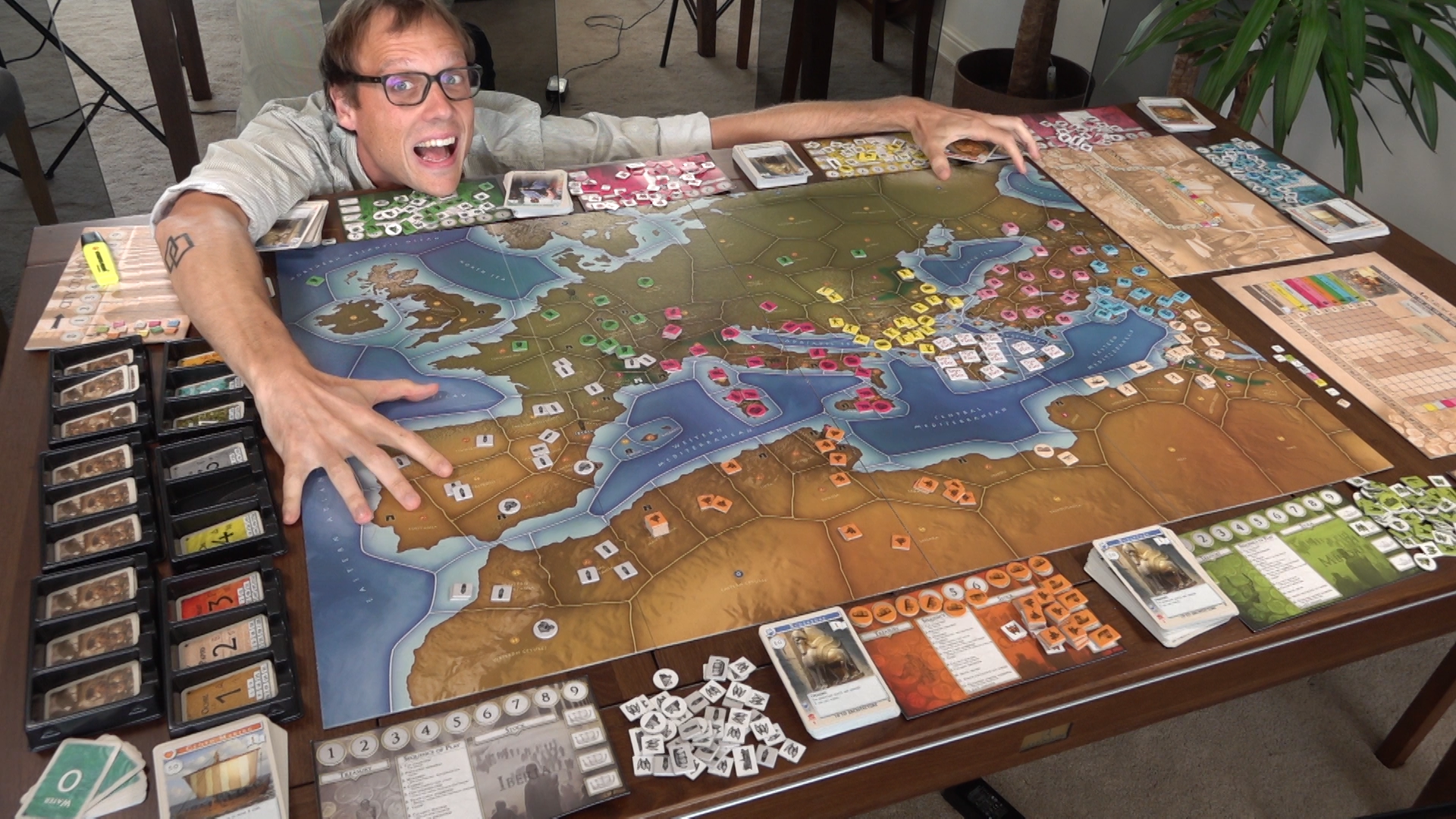
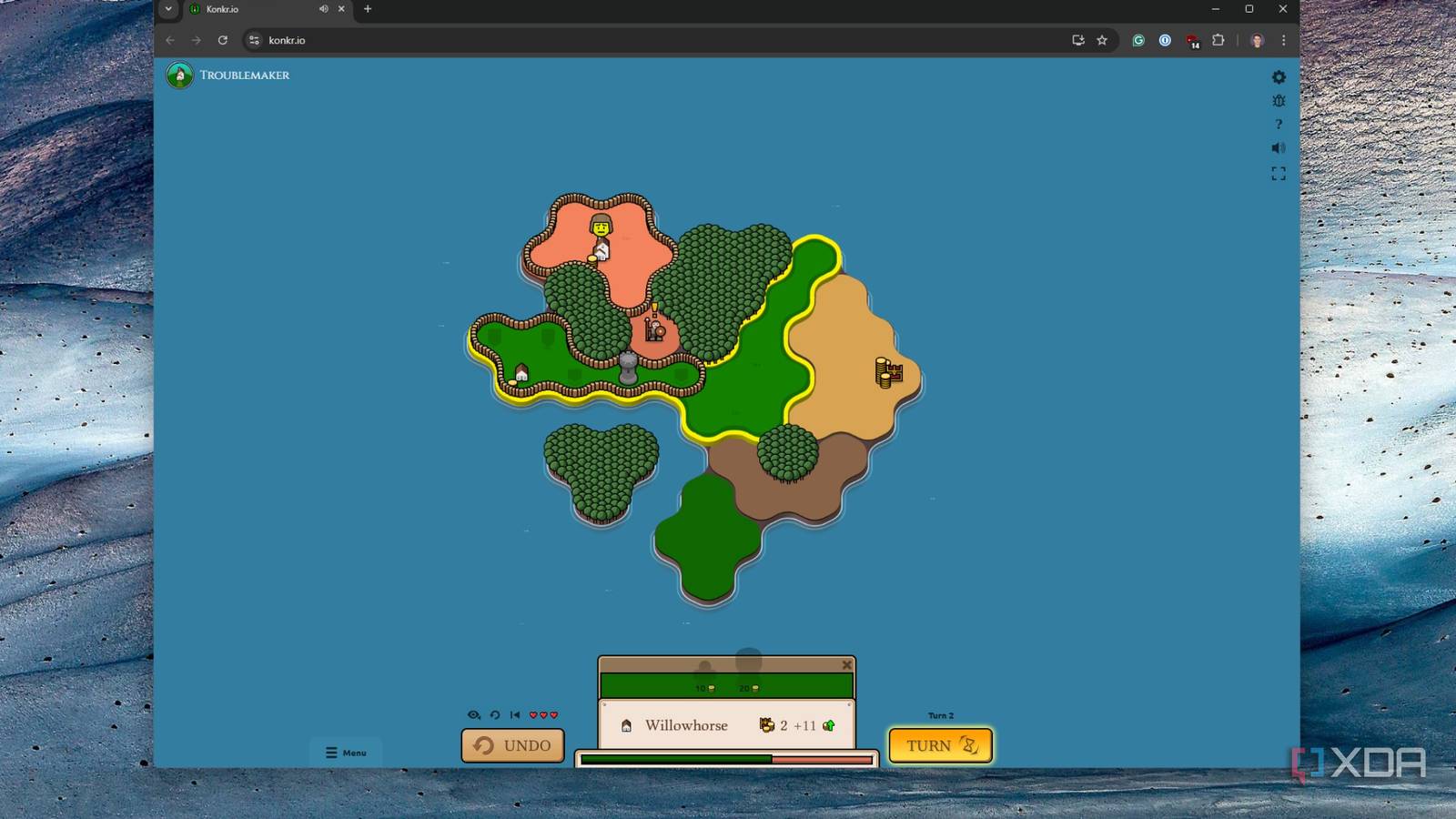
Whether you are orchestrating a massive campaign across an entire continent or managing the fragile logistics of a single platoon, war strategy games offer a unique mental challenge that few other genres can replicate. These titles demand more than just quick reflexes; they require foresight, patience, and the ability to adapt to an ever-changing battlefield. From the high-stakes tension of real time strategy titles to the deeply methodical pace of turn based strategy games, the genre caters to every type of tactical thinker. In this guide, we will explore how to sharpen your decision-making skills, navigate complex turn-based war diplomacy, and master the intricate resource management games that underpin every great victory. Whether you are a newcomer looking to understand the fundamentals or a veteran commander seeking to optimize your playstyle, we will break down the mechanics and principles necessary to dominate your opponents and secure a lasting strategic legacy.
1. Mastering the Mechanics of Top-Tier War Strategy Games
To truly excel in war strategy games, you must move beyond basic unit movement and understand the underlying systems that dictate victory. These titles are not merely about clicking buttons; they are complex simulations of logistics, planning, and mental agility. By mastering the core mechanics, you shift your role from a casual player to a battlefield commander capable of outmaneuvering even the most prepared opponents.
1.1 Classifying War Strategy Games by Tactical Depth
Understanding how a game processes information is the first step toward mastery. Strategy titles generally fall into distinct categories that dictate your pacing and decision-making requirements.
1.1.1 Evaluating Turn-Based Strategy for Precision Planning
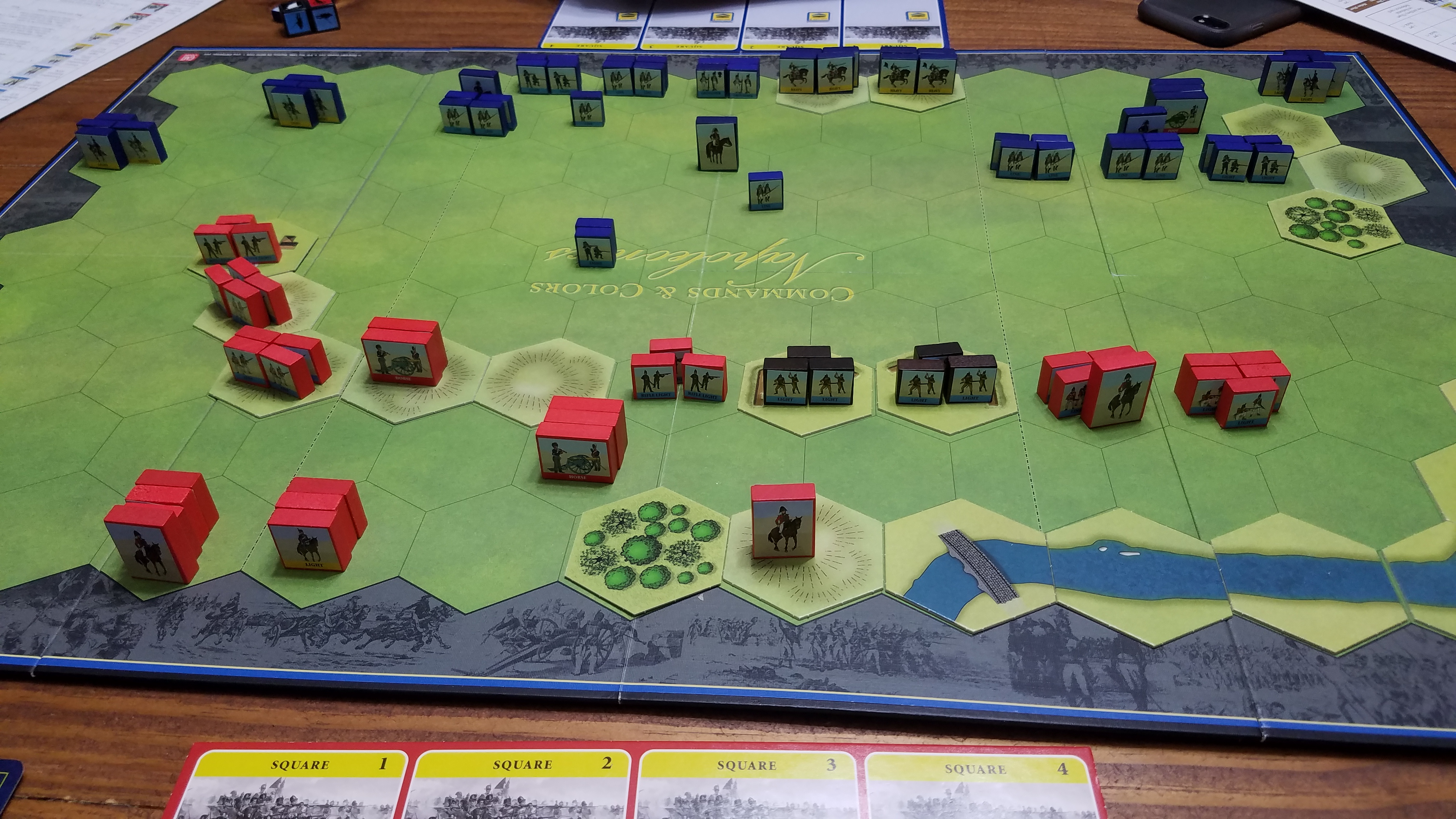
Turn-based strategy games provide the luxury of time, allowing you to calculate moves without the pressure of an immediate clock. This genre rewards foresight and analytical thinking. Whether you are positioning artillery in a hex-grid map or navigating complex political landscapes, the primary challenge is anticipating the opponent’s next two or three moves. Success here is measured by your ability to execute a perfect, multi-layered plan without error.
1.1.2 Assessing Real-Time Strategy for Reflexes and Resource Management
Real-time strategy (RTS) titles demand a different set of skills. While precision remains important, the environment is fluid and unforgiving. You must balance combat micro-management—such as positioning individual units—with macro-level resource management games that keep your economy afloat. The ability to multitask effectively under pressure is the hallmark of a skilled RTS player, as split-second decisions regarding unit production and positioning often determine the outcome of a skirmish.
1.1.3 Comparing 4X and Grand Strategy for Empire-Scale Logistics
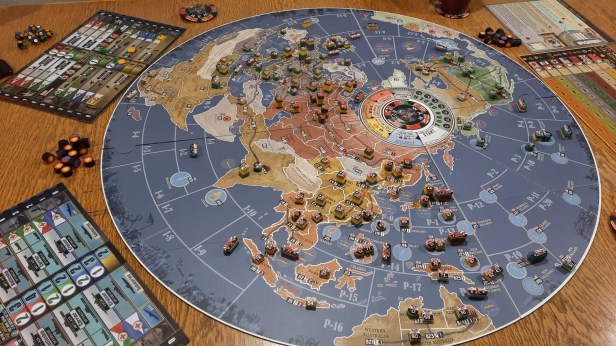
4X games—which focus on eXplore, eXpand, eXploit, and eXterminate—and grand strategy titles operate on an entirely different scope. Here, the focus shifts to long-term national growth and empire-wide logistics. You are not just managing a squad; you are managing a civilization or a state. Success requires an intimate knowledge of supply chains, research progression, and nuanced turn-based war diplomacy, where the relationships you build with neighboring factions are just as vital as the strength of your standing army.
1.2 Selecting the Right War Strategy Games for Your Playstyle
Choosing the right title is essential for long-term engagement and skill development. If you struggle with high-intensity clicks, an RTS might feel overwhelming, while a turn-based game might feel too slow for those who crave adrenaline.
1.2.1 Choosing Games Based on Tactical Squad Control
If you prefer the “boots on the ground” experience, look for titles that emphasize granular squad management. These games allow you to leverage cover, flanking maneuvers, and specific unit abilities, often echoing the complexity found in best war defense games. The satisfaction comes from pulling off a perfect ambush or holding a chokepoint against overwhelming odds using clever tactical positioning.
1.2.2 Identifying Titles with Deep Economic and Production Cycles
For players who find joy in industry and optimization, focus on games with robust production cycles. Mastering the flow of raw materials into finished military assets is often the decisive factor in long-form campaigns. Understanding when to pivot from a civilian economy to a war footing is a critical skill for any aspiring general.
1.2.3 Balancing Historical Authenticity Against Sci-Fi Fantasy Mechanics
Finally, consider the setting. Historical titles often demand an understanding of real-world tactical limitations, such as supply line lengths or communication delays. In contrast, sci-fi and fantasy strategy games may introduce non-linear tech trees or supernatural abilities. Deciding whether you want to simulate real-world warfare or explore hypothetical tactical scenarios will dictate which games provide the most satisfying experience for your personal playstyle.
2. Advanced Tactical Principles and Strategic Execution
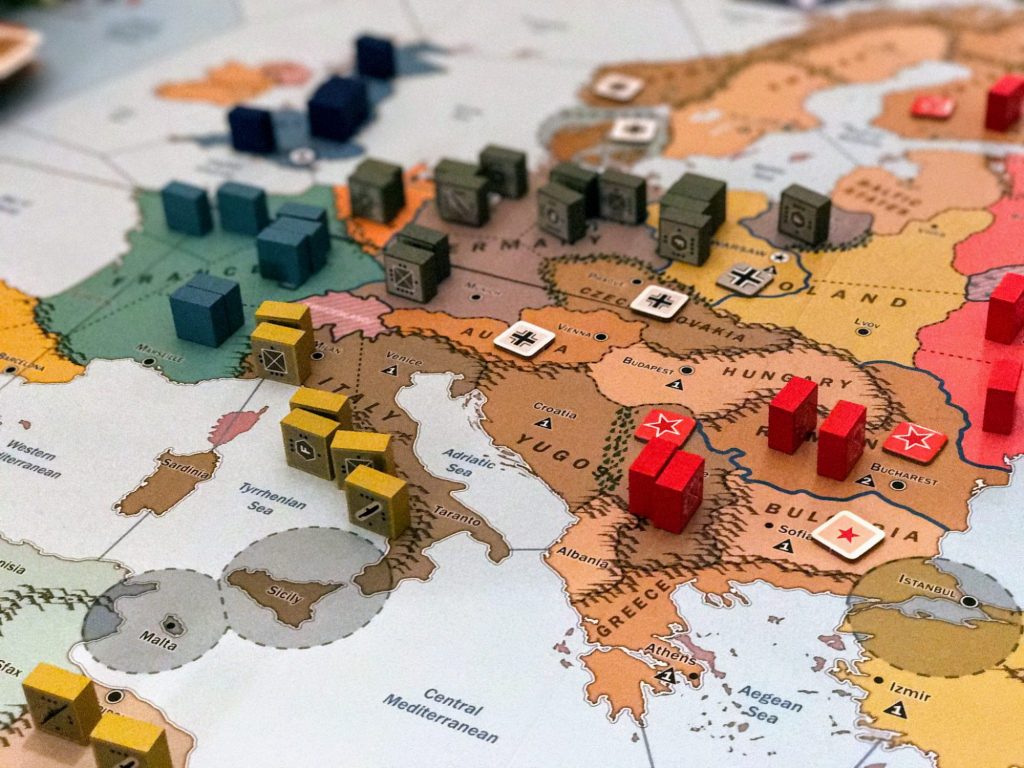
2.1 Bridging the Skill Gap from Novice to Expert Commander
Transitioning from a casual player to a high-level strategist requires moving beyond basic unit production. To master the best war strategy games, you must shift your focus toward information gathering and long-term planning.
2.1.1 Enhancing Situational Awareness and Fog of War Management
In almost every tactical title, the “Fog of War” is your greatest enemy. Beginners often move units blindly, but experts treat information as a resource more valuable than gold. Utilizing scouts, radar outposts, or light cavalry to maintain vision of critical map sectors prevents ambush scenarios. By predicting enemy movement before it occurs, you create a buffer that allows for reactive defense and proactive strikes, effectively neutralizing your opponent’s ability to surprise you.
2.1.2 Optimizing Multi-Front Warfare and Supply Chain Logistics
True strategic superiority is found in your ability to manage multiple conflicts simultaneously. If you focus all your attention on a single skirmish, you leave your periphery vulnerable to collapse. Successful commanders delegate attention by setting up defensive layers or automated patrol routes. Furthermore, integrating robust resource management games mechanics into your war effort—ensuring your supply lines are secure and your production hubs are balanced—is vital for sustaining extended campaigns without running out of critical assets.
2.1.3 Utilizing Replay Analysis to Refine Decision Making
The most effective way to improve is to objectively review your own failures. Most modern strategy titles include replay functionality. Watch your past matches to identify “panic moments” where you over-spent resources or failed to respond to a shift in enemy tactics. Learning from these micro-mistakes transforms your gameplay from reactive to calculated, allowing you to build a more resilient mental playbook for future encounters.
2.2 Refining the Technical Toolkit for Strategic Superiority
Once you understand the flow of the game, you must optimize your execution to ensure you are operating at peak efficiency against tough AI or skilled human opponents.
2.2.1 Managing the Action Economy in Competitive Play
In both real time strategy and turn based strategy environments, your success is often determined by the value you extract from every action. In RTS games, this is referred to as “Actions Per Minute,” but it is more about meaningful inputs than speed alone. Prioritize commands that have the highest impact, such as positioning your army before an engagement rather than micromanaging individual unit attacks during the heat of battle.
2.2.2 Exploiting Terrain and Chokepoints Against Superior Forces
You do not always need a larger army to win. Savvy commanders use the environment to amplify their strength. By drawing enemy forces into narrow chokepoints, you limit their ability to leverage their numerical advantage. Similarly, using high ground or dense cover can provide defensive bonuses that turn a disadvantageous battle into a decisive victory. Mastering these map elements is essential when you find yourself outnumbered.
2.2.3 Leveraging Diplomacy and Tech Trees for Optimal Win Conditions
War is rarely fought in a vacuum. Engaging in turn-based war diplomacy allows you to form alliances that prevent two-front wars, keeping your borders secure while you focus your main force elsewhere. Simultaneously, you must navigate your tech tree with specific win conditions in mind. Whether you are aiming for economic dominance or technological supremacy, your research path should always support your overarching military goal, ensuring you never invest in upgrades that do not directly facilitate your path to victory.
Mastering war strategy games is a journey that balances the immediate tension of the battlefield with the long-term vision of an empire builder. Whether you are leaning into the frantic pace of real time strategy or the cerebral, methodical planning required for turn based strategy, the true essence of these games lies in your ability to adapt. Success is rarely about a single powerful unit; it is about how effectively you manage your resources, execute your supply chain logistics, and leverage turn-based war diplomacy to outmaneuver your opponents.
As you refine your approach, remember that every loss is a data point. Analyzing your defeats, understanding your failures in economic production, and learning to read the fog of war are the hallmarks of a veteran commander. For those looking to expand their strategic horizons beyond global conflicts, our guide to the best war defense games offers further insight into specialized tactical combat. Ultimately, the best strategy is the one that evolves with you. Keep experimenting with different tech trees, exploit the terrain to your advantage, and continue sharpening your decision-making skills. The digital battlefield is always changing, and your next great campaign is just one tactical decision away.