There is a unique thrill to the patience and precision required in the best sniper shooting games. Unlike the chaotic, run-and-gun pace of many modern shooters, these titles demand a cooler head, steady aim, and a deep understanding of the environment. Whether you are accounting for windage in a hyper-realistic simulation or executing a perfectly timed stealth takedown from a distant ridge, the appeal lies in the transformation from a frantic player into a calculated operator. For those who enjoy testing their patience and strategic foresight, these games offer some of the most rewarding moments in digital entertainment.
In this guide, we will explore the landscape of long-range gaming, from the most immersive simulations to fast-paced multiplayer tactical ops. You will learn how to master complex ballistics, refine your loadouts, and sharpen your reflexes to dominate the leaderboard. If you are looking to elevate your gameplay, you might also be interested in how to refine your skills in other genres, such as our guide on best one on one fighters, to build a more well-rounded gaming experience.
1. Top Rated Sniper Shooting Games and Tactical Classifications
The landscape of sniper shooting games is vast, ranging from high-fidelity military simulations to fast-paced arcade shooters. Understanding where a game falls on this spectrum is the first step toward mastering the genre. While many titles fall under the broad category of first person shooters, true sniper games require a specialized mindset that prioritizes patience, environmental awareness, and precise execution over twitch reflexes.
1.1 Realism Focused Sniper Simulation Titles
Simulation titles are designed for players who crave authenticity. These games often strip away helpful UI elements, forcing you to rely on your own judgment and mechanical skill to land a shot from hundreds of meters away.
1.1.1 Mastering Complex Ballistics and Environmental Variables
In a realistic tactical shooting game, pulling the trigger is the final step in a long, complex process. You must account for gravity, which creates bullet drop, and windage, which pushes your projectile off course. Advanced simulations often incorporate barrel heat, muzzle velocity, and even the Coriolis effect. Mastering these variables requires you to utilize the in-game rangefinder, adjust your scope elevation, and synchronize your shot with your character’s heart rate. It is a slow, methodical process that rewards those who take the time to calculate the perfect engagement window.
1.1.2 Evaluating Popular Series like Sniper Elite and Sniper Ghost Warrior
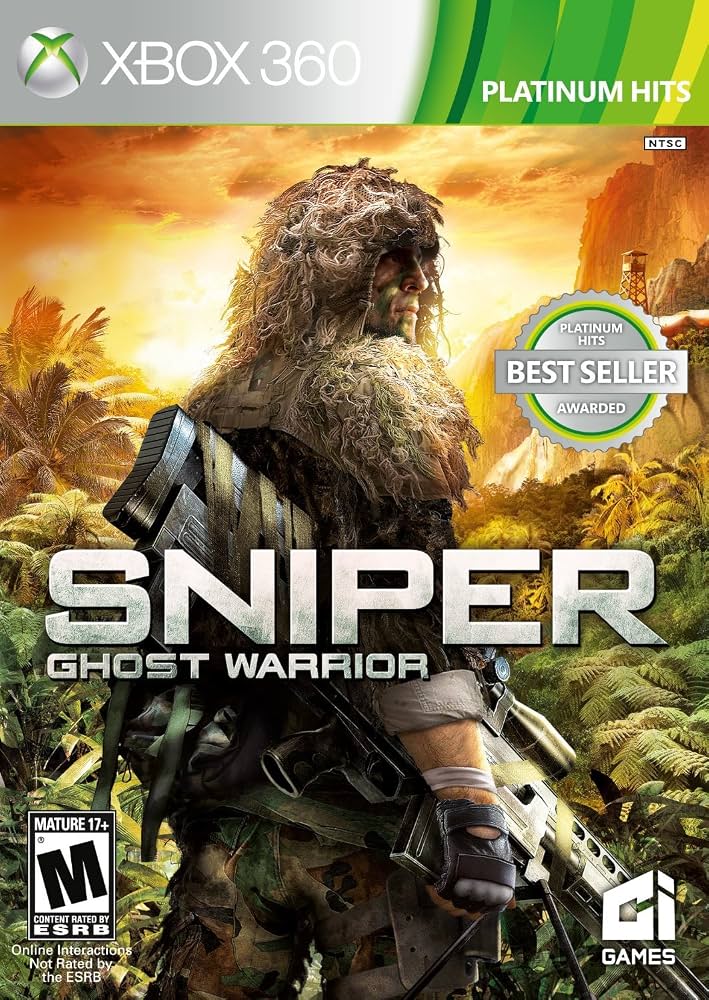
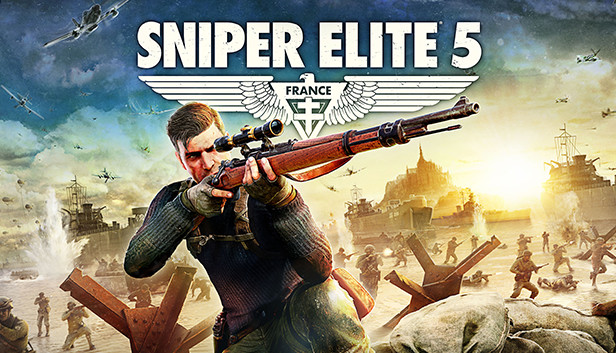
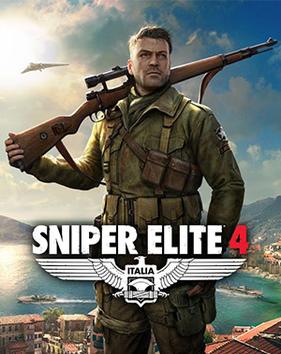
The Sniper Elite series has become a gold standard for its blend of tactical planning and visceral feedback. It excels by allowing players to observe and tag enemies before choosing their preferred approach. On the other hand, the Sniper Ghost Warrior franchise leans heavily into the “ghost” aspect, often demanding extreme stealth and precise navigation through hazardous terrain. Both series provide a unique look at how modern developers translate real-world ballistics into engaging, rewarding gameplay.
1.2 Narrative Driven Sniper Experiences and Stealth Gameplay
Not every sniper experience is purely about the shot; many players prefer games that weave long-range precision into a compelling story. These experiences prioritize the “stalking” phase of the hunt, where every move you make could compromise your position.
1.2.1 Balancing Mission Objectives with Long Range Precision
In narrative-driven titles, you are often working against a ticking clock or complex mission parameters. You must decide whether to neutralize a target from a distance or infiltrate a facility to gather intelligence. This balancing act tests your discipline, as taking the “easy” shot might alert the entire map. Players who enjoy these games often find that mastering the art of movement is just as important as mastering their scope settings.
1.2.2 The Importance of Cinematic Killcams and Stealth Mechanics
Cinematic killcams provide an immediate, satisfying reward for a well-calculated shot, reinforcing the player’s expertise. However, true immersion comes from the underlying stealth mechanics. Games that emphasize sound propagation, cover shadows, and enemy patrol AI create a much more tense experience. If you enjoy the strategic depth of planning your next move, you might also appreciate the careful logic required in best match 3 puzzle games, where anticipating the outcome of your choices is paramount.
1.3 Competitive Multiplayer Sniper Games for Skill Development
Multiplayer tactical ops represent the ultimate test of a sniper’s capabilities. Here, you are not fighting static AI, but human opponents who are actively looking for the glint of your scope.
1.3.1 Positioning and Map Knowledge in Fast Paced Environments
In competitive environments, your position is your most valuable asset. The best players move frequently, understanding that every shot fired is a beacon revealing their location. Map knowledge allows you to identify high-traffic lanes and natural “choke points” where you can pick off opponents while remaining near an escape route. Survival in these modes depends on your ability to predict enemy movement rather than just reacting to it.
1.3.2 Optimizing Loadouts for Reaction Time and Engagement Distance
Multiplayer loadouts require a focus on versatility. While a long-range scope is essential for big maps, you must balance it with secondary weapons or gear that can handle close-quarters threats. Finding the right magnification setting—or choosing optics that allow for rapid target acquisition—is key to maintaining a high kill-death ratio when the pace of the match accelerates.
2. Advanced Tactical Strategies and Precision Shooting Techniques
2.1 Essential Mechanics for Accurate Long Range Engagements
Mastering sniper shooting games requires more than a steady hand; it demands a deep understanding of ballistics. In high-fidelity titles, your scope is not merely a tool for magnification, but a device that requires constant calibration.
2.1.1 Calculating Bullet Drop and Adjusting Scope Elevation
As a projectile travels, gravity inevitably pulls it toward the ground. To land a hit at extreme distances, you must adjust your scope’s elevation—often referred to as ‘zeroing.’ If you are firing at a target 500 meters away, a standard zero will lead to a miss. You must compensate by aiming higher or adjusting your vertical reticle settings based on the weapon’s specific drop rate.
2.1.2 Compensating for Windage and Muzzle Velocity
Advanced tactical shooting games simulate environmental variables like wind speed and direction. Crosswinds can push a bullet significantly off-course at long ranges. Always check the wind indicator in your HUD, and adjust your horizontal aim accordingly. Remember that muzzle velocity also dictates how quickly your bullet reaches the target; higher velocity rounds experience less flight time, leaving less room for environmental interference.
2.1.3 Utilizing Breath Control and Heart Rate Management Systems
Sniping is as much about patience as it is about accuracy. Most realistic shooters feature a stamina or heart rate mechanic. Sprinting before an engagement will increase your character’s heart rate, causing your crosshairs to sway erratically. Practicing proper breath control—often triggered by a specific button input—stabilizes the weapon for a few critical seconds. Learning to manage these systems is the difference between a clean kill and a missed shot that alerts the entire map.
2.2 Pro Level Strategies for Tactical Dominance
2.2.1 Selecting Optimal Optics and Suppressor Configurations
Your loadout should always be dictated by your engagement range. A high-zoom scope provides precision for long distances but creates tunnel vision in close quarters. Similarly, suppressors are vital for stealth, but they often reduce your muzzle velocity. If you are playing in multiplayer tactical ops, finding the right balance between noise suppression and projectile speed is essential to staying hidden while maintaining lethality.
2.2.2 Target Prioritization and Threat Assessment in Multi Enemy Scenarios
In complex missions, you cannot shoot every enemy you see. Practice triage: identify targets that pose an immediate risk to your position or those who act as squad leaders. By eliminating the most dangerous threats first, you control the pace of the engagement. If you are playing, consider how strategy and logic can apply to your target selection process, treating each encounter as a puzzle to solve efficiently.
2.2.3 Developing Effective Infiltration and Exfiltration Route Planning
The best snipers are ghosts. Before firing, scout your entry and exit points. Never rely on a single position for more than a few shots; once you fire, your position is compromised. Plan an exfiltration route that keeps you behind hard cover, allowing you to reposition and strike from an unexpected angle.
2.3 Hardware Optimization and Aiming Drills
2.3.1 Calibrating Sensitivity and Controller Deadzone Settings
Consistency is the bedrock of precision. High sensitivity may feel faster, but it often leads to over-aiming. Lower your sensitivity until you can track targets smoothly without jitter. Additionally, fine-tuning your controller deadzone ensures that your reticle remains centered the moment you stop moving your thumbstick, preventing accidental drift during tense moments.
2.3.2 Training Tracking versus Flicking for Moving Targets
You need two distinct skill sets: tracking and flicking. Tracking involves following a moving target smoothly, which is necessary for long-range shots where targets move predictably across your field of view. Flicking is the ability to snap your crosshairs onto a target instantly, essential for rapid reaction in first person shooters. Spend time in practice ranges focusing on both techniques.
2.3.3 Knowing When to Choose Center Mass over Headshots
The ego-driven desire for a headshot has cost many players the mission. A headshot is a guaranteed kill, but a center-mass shot is significantly easier to land. When a target is sprinting or obscured by cover, prioritize hitting the largest part of the body. Securing the hit is always better than chasing a highlight-reel shot and missing entirely.
Mastering sniper shooting games is a journey that balances technical precision with high-level tactical thinking. Whether you are leaning into the hyper-realistic simulations that force you to account for windage and bullet drop, or diving into the adrenaline-fueled intensity of multiplayer tactical ops, success always comes down to patience, positioning, and practice. By honing your ability to assess threats, manage your hardware settings, and execute clean, efficient shots, you elevate your gameplay from basic survival to true tactical dominance.
Remember that even the best shooters started by learning the fundamentals of breath control and target acquisition. Take the time to experiment with different loadouts and optics to find what feels most natural for your playstyle. If you find yourself needing a break from the high-stakes pressure of the virtual battlefield, try your hand at some fun web games to keep your reflexes sharp in a more relaxed setting. With consistent practice and a commitment to refining your strategy, you will consistently land that perfect shot every time you pick up the controller.