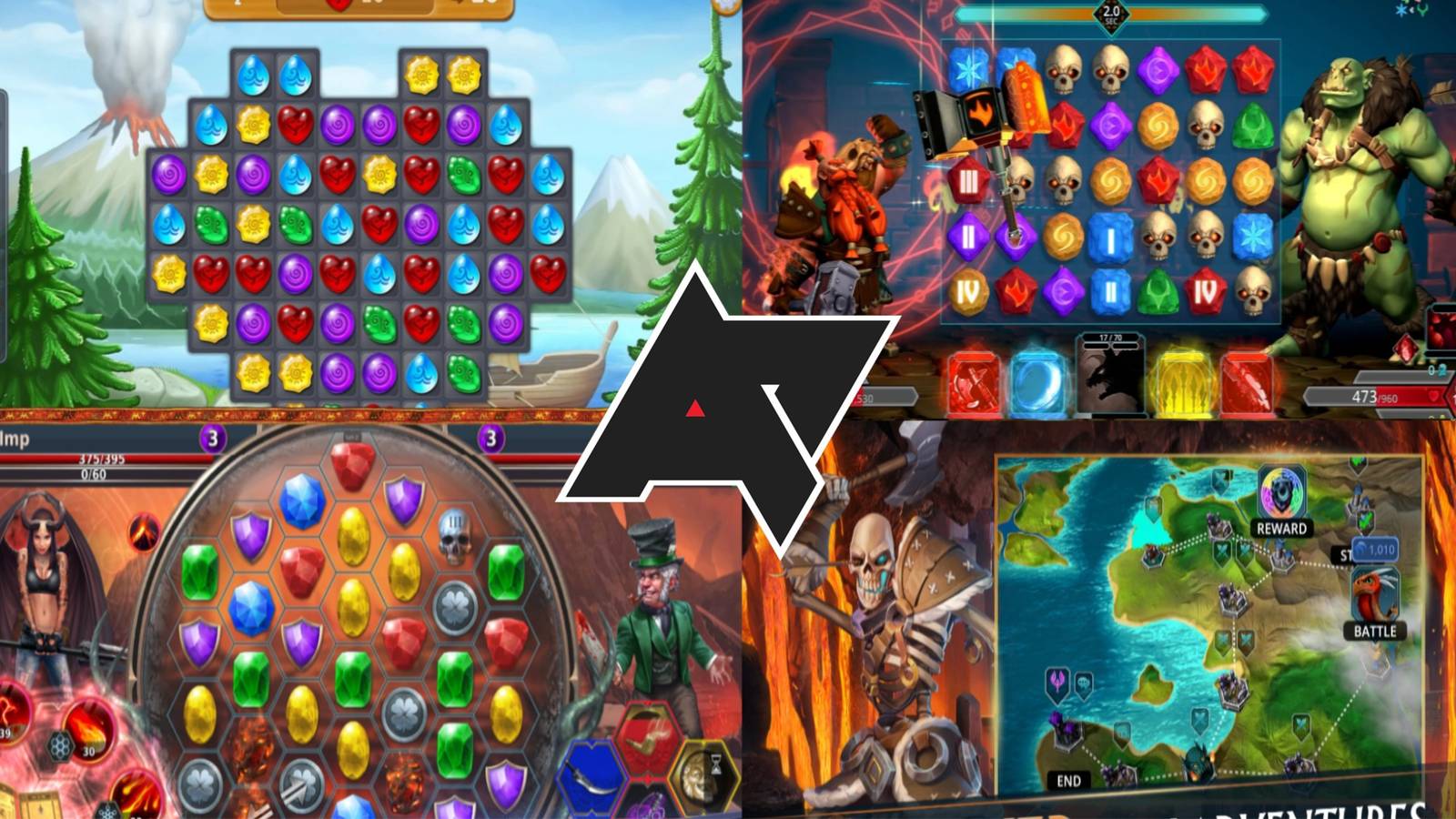
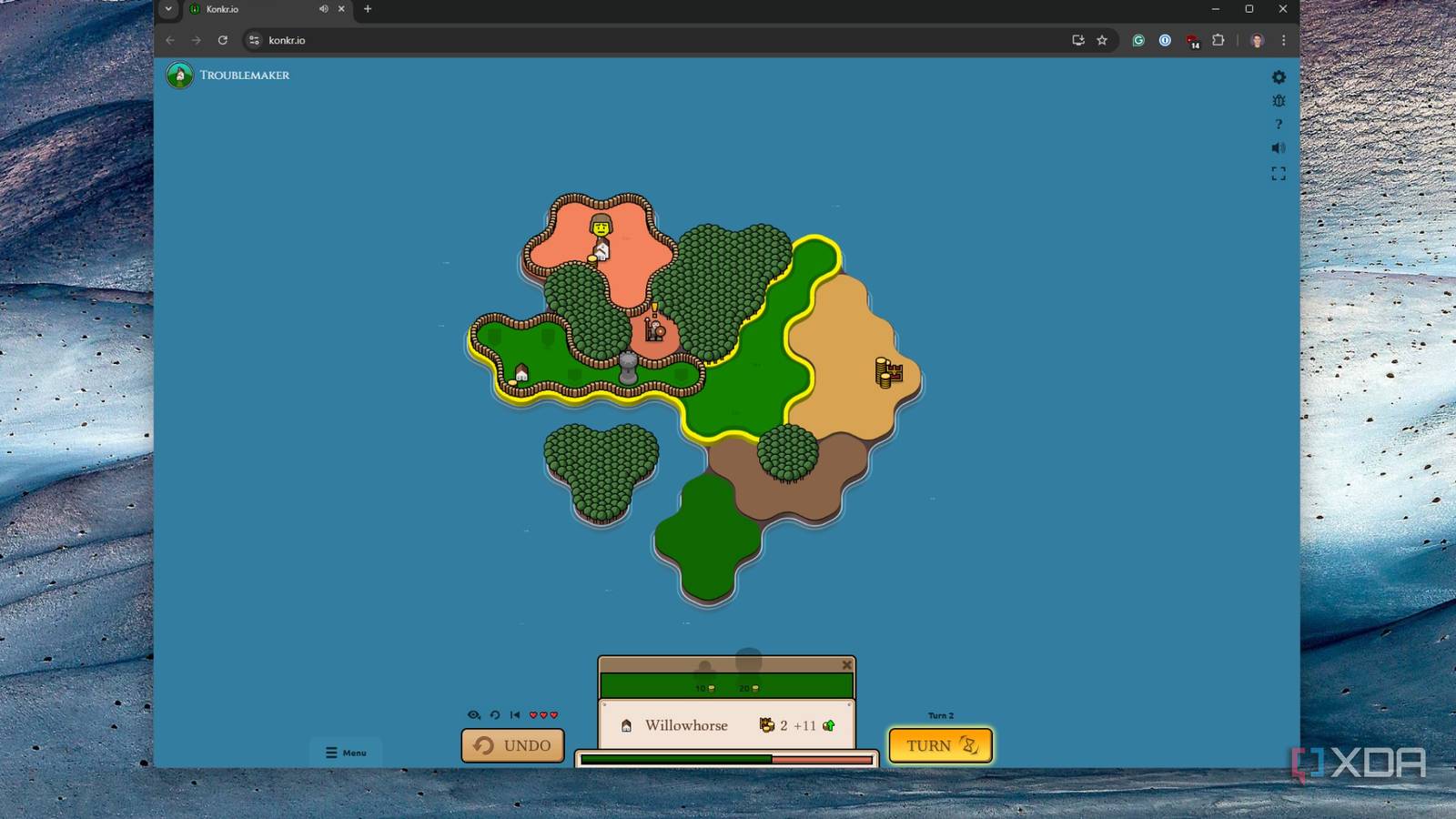
For millions of mobile and casual gamers, match 3 puzzle games serve as the perfect intersection of relaxation and mental sharpness. While the core concept of aligning three identical items to clear them from a board sounds straightforward, modern titles have transformed this genre into a sophisticated experience that demands genuine cognitive effort. Whether you are looking to decompress after a long day or want to sharpen your problem-solving skills, these games offer much more than just mindless tapping.
In this guide, we explore the depth behind the most popular entries in the genre, moving beyond the surface-level mechanics. You will learn how to master advanced board management, understand the role of physics in complex layouts, and navigate the increasingly common hybrid gameplay styles that blend RPG elements with puzzle logic. If you are interested in exploring other ways to challenge your mind, you can also check out our guide on the best math learning games. By understanding the underlying mechanics and strategy, you can elevate your playstyle, conquer difficult levels, and truly master your favorite match 3 puzzle games.

1. Mastering Mechanics and Strategic Play in Match 3 Puzzle Games
1.1 The Evolution of Match 3 Board Dynamics
The landscape of match 3 puzzle games has evolved significantly from the static, uniform grids of early titles. Today, developers emphasize spatial awareness and grid flexibility to challenge long-time players. Understanding how these structural changes impact your move economy is the first step toward mastering the genre.
1.1.1 Navigating Non-Linear and Hexagonal Grid Layouts
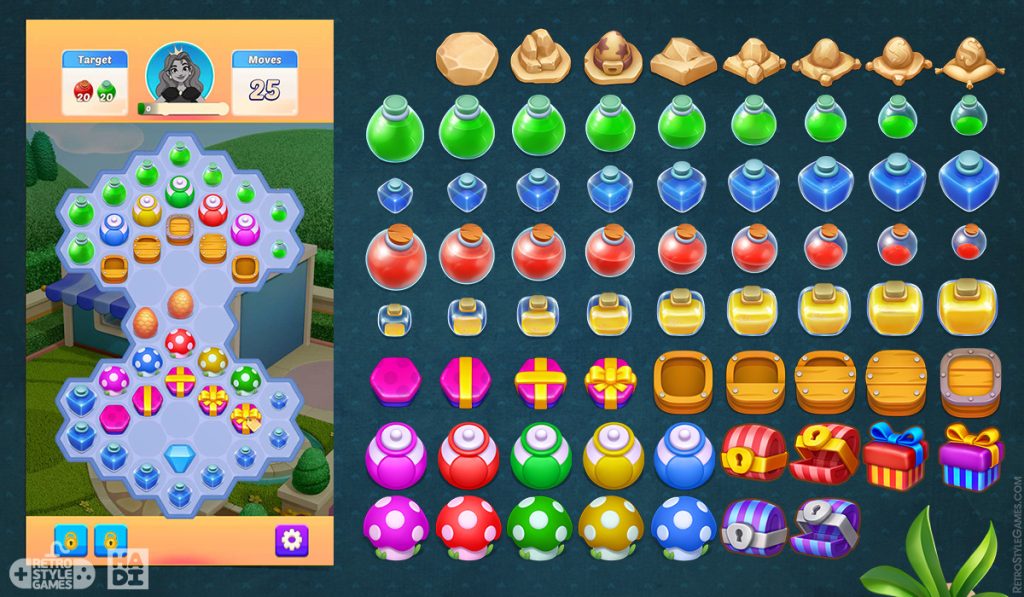
Modern titles often break away from the traditional square grid, introducing hexagonal layouts or non-linear, fragmented board designs. A hexagonal grid changes the geometry of matching; instead of four potential directional alignments, you must account for six. This requires a shift in how you scan the board, as matches can often be formed in wider, more fluid patterns that standard rectangular layouts do not support. Navigating these spaces demands that you prioritize the center of the board, where the most potential connections exist.
1.1.2 Understanding Tile Physics and Chain Reaction Cascades
Unlike simple color-sorting games, many modern entries incorporate physics puzzle games elements. In these designs, tiles do not just disappear; they obey gravitational rules, rolling into gaps or sliding along curved paths when a match clears. Developing an eye for these cascading reactions is essential for clearing levels efficiently. By predicting how the board will settle after a move, you can trigger massive combos that clear entire sections, turning a simple board wipe into a high-scoring chain reaction.
1.2 Developing High-Level Strategic Proficiency
1.2.1 Predictive Board Management and Three-Move Planning
The hallmark of an expert player is the ability to look beyond the immediate match. Predictive board management involves scanning the field for potential power-up setups while simultaneously clearing required objectives. Aim to keep a three-move horizon, identifying which moves will disrupt the board in your favor and which will simply waste an action. By focusing on the bottom rows of the grid, you maximize the likelihood of incidental matches, which often clear the board automatically and save your move count.
1.2.2 Optimizing Power-up Combinations for Maximum Impact
Strategic play relies heavily on the intelligent deployment of special tiles. Rather than using power-ups as soon as they appear, hold them for moments where they can be combined. Merging two powerful pieces, such as line-clearing rockets or board-wiping bombs, creates a synergy effect that vastly exceeds the value of using them individually. These combinations are often the only way to overcome high-difficulty stages that require massive board clearance in a limited number of moves.
1.2.3 Mastering Resource Conservation and Board Reset Timing
Resource management is a quiet, essential component of high-level play. If a level presents a layout that seems impossible, look for opportunities to trigger minor matches that shift the board, effectively resetting the distribution of tiles. This is particularly useful when you are stuck in a cycle of useless moves. Much like how one might refine their approach in various online puzzle games, knowing when to spend your limited resources—like shuffle boosters—versus when to force a board reset is the difference between success and failure.
1.3 Analyzing the Integration of Hybrid Genres
1.3.1 Balancing Match 3 Logic with RPG Combat Systems
The integration of RPG mechanics has transformed the genre into a tactical experience. In these games, specific color matches often correspond to character abilities or attacks. You are no longer just matching to clear space; you are managing a “cooldown” for your team’s skills. Strategic success here involves balancing the need for raw damage with the necessity of charging specific hero powers, forcing you to prioritize certain colors based on the enemy’s current health and armor status.
1.3.2 Integrating Resource Management and Meta-Progression Elements
Many contemporary titles now pair match 3 levels with meta-progression, such as base building, garden restoration, or narrative exploration. Often, these games include hidden object discovery segments that break up the repetition of the core matching cycle. These hybrid elements provide context for your puzzle-solving efforts. By successfully navigating the matching grid, you earn the resources needed to progress the story or expand your territory, creating a satisfying loop of short-term puzzle satisfaction and long-term achievement.
2. Evaluating and Selecting the Best Match 3 Puzzle Games
2.1 Assessing Game Design and Monetization Models
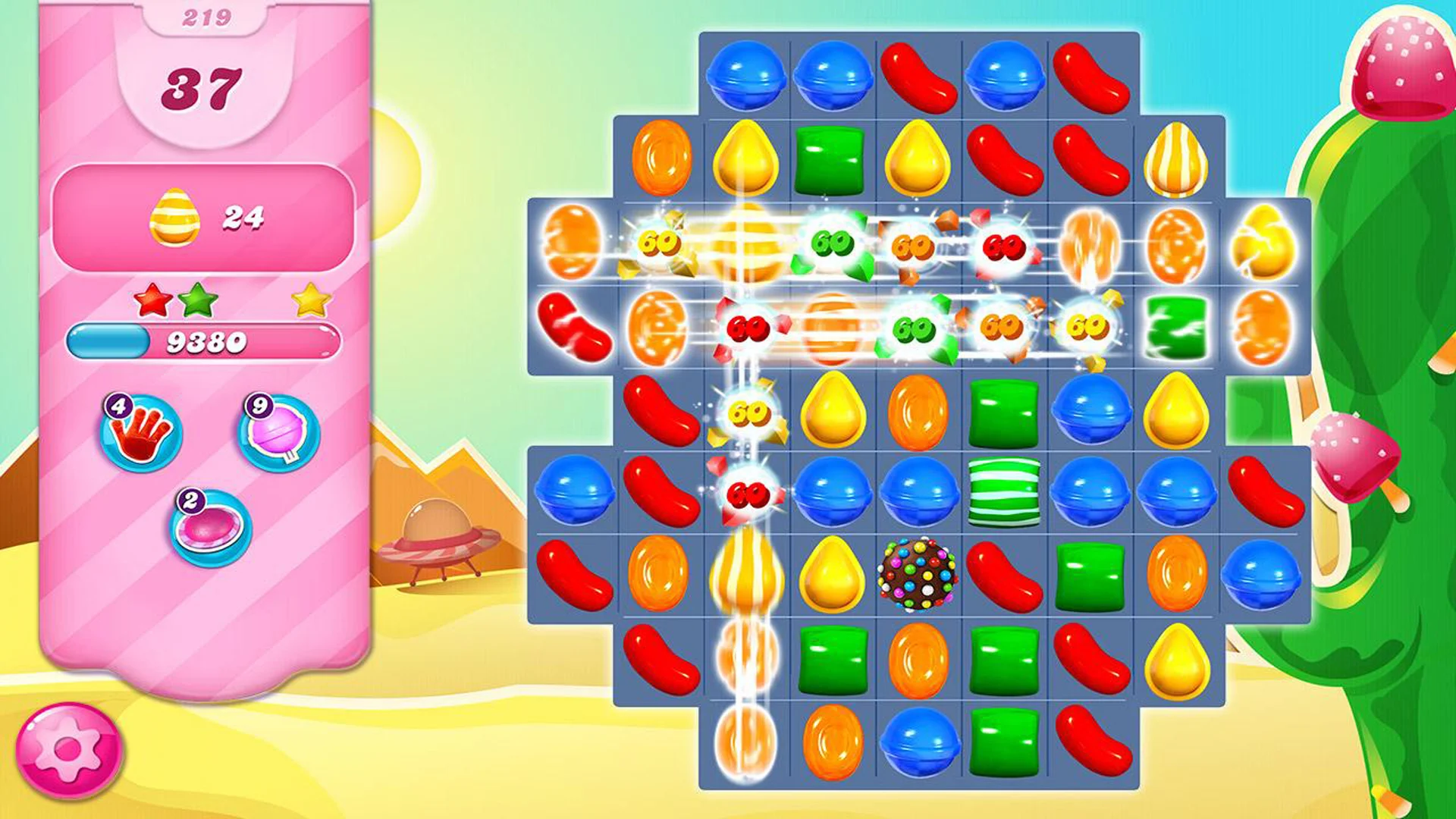
When you are looking for the best match 3 puzzle games, the underlying business model can significantly impact your enjoyment. The most satisfying titles prioritize fair play, where your progression is dictated by skill and strategic board management rather than the size of your wallet. A well-designed game respects your time while providing a satisfying challenge that feels earned.
2.1.1 Identifying Fair Play Systems Versus Pay-to-Win Mechanics
The hallmark of a quality title is a fair difficulty curve. Avoid games that create intentional progression walls designed solely to force microtransactions. Instead, look for developers who offer various ways to earn boosters through gameplay milestones or daily events. Authentic fair-play systems ensure that even the most difficult levels can be conquered through pattern recognition and patience, rather than requiring paid power-ups.
2.1.2 Balancing Energy Systems with Session Time Commitment
Modern mobile gaming often employs energy systems to limit play sessions. While these can prevent burnout, they can also become a frustration if the regeneration rate is too slow. The best titles allow you to accumulate enough energy to engage in meaningful play, often providing opportunities to earn unlimited play windows as rewards. If you prefer a more consistent experience, look for games that emphasize long-term goals and meta-progression, which often feel less restrictive than those relying on aggressive energy gating.
2.2 Choosing Based on Player Style and Technical Features
Finding the right game often comes down to your personal play style. Whether you are looking to wind down after a long day or seeking a mental challenge, the market is vast enough to cater to specific needs.
2.2.1 Selecting Between Zen Puzzles and Competitive PvP Matchers
If you play to relax, look for “Zen” style games. These titles often remove move limits or timers, allowing you to focus on the aesthetics and the soothing satisfaction of clearing tiles. Conversely, if you crave intensity, competitive PvP matchers bring a high-stakes environment where your speed and decision-making are pitted directly against other players. You can explore how some best casual online games offer similar low-stress engagement if you prefer browser-based experiences.
2.2.2 The Importance of Accessibility and Offline Functionality
For players who travel or have limited data, offline functionality is essential. Many top-tier puzzle games offer offline modes that cache your progress and sync once you are back online. Additionally, look for accessibility features like color-blind modes or high-contrast tile settings, which ensure the game remains playable and inclusive for everyone.
2.2.3 Evaluating Developer Support and Content Update Frequency
Longevity is key in the puzzle genre. A great match 3 game is constantly evolving with seasonal content, new level packs, and community events. Check the game’s update history in the app store; frequent updates from the developers are a strong indicator that the game is well-supported and will continue to provide fresh challenges.
2.3 Common Questions About Modern Match 3 Titles
2.3.1 Distinguishing Between Match 3 and Merge Genre Mechanics
While both genres involve combining items, match 3 relies on clearing rows or columns through rapid identification of patterns. Merge games, by contrast, focus on the evolution of items by grouping three or more of the same type to create a higher-tier object. Understanding this distinction helps you choose whether you want the fast-paced action of clearing grids or the slow-burn satisfaction of item discovery.
2.3.2 Assessing the Cognitive Benefits of Puzzle Gaming
Many players turn to logic puzzle games to sharpen their minds. These games act as a form of mental exercise, encouraging executive functions like working memory, rapid visual processing, and planning. Engaging with complex grids provides a tangible cognitive workout that can improve your ability to handle multiple tasks in real-world scenarios.
2.3.3 Techniques for Beating Difficult Levels Without Microtransactions
To bypass difficult levels without spending money, start by focusing on the bottom of the board. This strategy maximizes the potential for chain reactions, which are vital for clearing obstacles. Practice predictive board management by scanning for potential matches before making a move, and save your most powerful boosters for situations where the board is nearly unrecoverable. Patience is your most effective tool.
Whether you are looking for a quick mental break or a deep-dive into complex board management, the world of match 3 puzzle games offers something for every type of player. We have explored how modern titles have evolved far beyond simple grid layouts, incorporating intricate tile physics, strategic chain reactions, and immersive hybrid elements that demand both foresight and careful planning. By mastering the balance between long-term progression and immediate, short-term board optimization, you can elevate your gameplay from casual tapping to a truly skillful experience.
When selecting your next digital challenge, remember to prioritize the game mechanics that align with your personal goals, whether that means finding a relaxing zen experience or a competitive environment that tests your logic under pressure. If you are interested in exploring more ways to sharpen your mind through play, you might also enjoy discovering our top picks for math-based cognitive challenges. Ultimately, the best match 3 puzzle games are those that respect your time while providing a satisfying sense of achievement with every successful clear. By staying mindful of monetization and energy systems, you can ensure your gaming habits remain both enjoyable and sustainable for the long run.