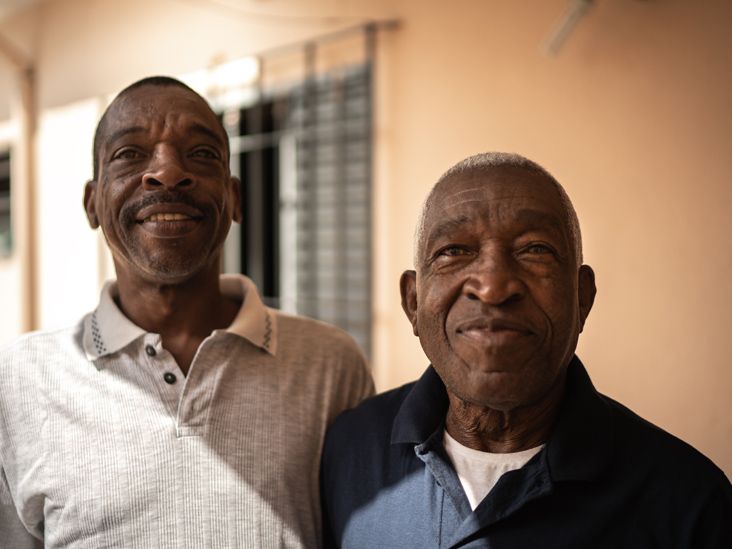

Prostate cancer is a serious health concern for all men, but the statistics tell a particularly urgent story for African American men. Black men in the United States are diagnosed with prostate cancer at substantially higher rates than White men and are more than twice as likely to die from the disease. That is not a small statistical footnote hiding in the back of a medical textbook. It is a major health disparity that deserves a loud, clear conversation.
The good news is that knowledge, earlier risk discussions, appropriate prostate cancer screening, and access to high-quality care can change the story. Prostate cancer often grows quietly, and many early tumors cause no obvious symptoms. In other words, waiting for your prostate to send a dramatic memo marked “URGENT” is not a reliable health strategy.
Understanding African American men and prostate cancer risks means looking at age, ancestry, genetics, family history, screening barriers, access to treatment, and the complicated realities of the American health care system. Here is what Black men and their families should know.
Why Is Prostate Cancer Risk Higher for African American Men?
Recent American Cancer Society statistics show that Black men have a prostate cancer incidence rate about 67% higher than White men. They are also more than twice as likely to die from the disease. National Cancer Institute data likewise show a markedly higher rate of new prostate cancer cases among Black men.
Researchers have spent years asking why. The honest answer is that there is no single culprit wearing a tiny villain cape. Instead, the disparity appears to involve a combination of inherited risk, tumor biology, environmental and social factors, differences in early detection, and unequal access to timely, high-quality cancer care.
African Ancestry and Inherited Risk
African ancestry is a recognized risk factor for prostate cancer. Genetic research suggests that men of African ancestry may inherit combinations of genetic variants that raise their average prostate cancer risk. Prostate cancer itself also has a strong hereditary component compared with many other cancers.
However, race should not be treated as a simple biological switch. “Black” includes people with diverse family histories, ancestry patterns, environments, and lived experiences. Researchers are still studying how specific inherited variants interact with social and environmental exposures.
Certain inherited gene mutations, including changes involving BRCA1, BRCA2, and other DNA repair genes, may increase prostate cancer risk or the likelihood of aggressive disease. A personal or family history of prostate, breast, ovarian, pancreatic, or certain other cancers may therefore be important when assessing inherited cancer risk.
Family History Can Raise Risk Even Further
Having a father or brother with prostate cancer increases a man’s risk. The concern becomes greater when a close relative was diagnosed at a younger age or when several relatives have had prostate cancer.
For an African American man with a strong family history, risk factors can stack up like bills after an unexpected home repair. This does not guarantee cancer, but it does strengthen the argument for an early conversation with a health care professional.
Do not rely on relatives to volunteer family medical history at Thanksgiving dinner. Ask directly. Find out which relatives had cancer, what type they had, and approximately how old they were at diagnosis. “Granddad had some kind of man problem” is unfortunately not a medically detailed family history.
Differences in Diagnosis and Stage Matter
CDC information notes that African American men may develop prostate cancer at younger ages and are more likely to have advanced disease when cancer is detected. Late-stage disease is generally harder to treat than cancer confined to the prostate.
This is one reason early detection discussions matter. A man can feel healthy, exercise every morning, mow the lawn with unreasonable enthusiasm, and still have early prostate cancer. Lack of symptoms does not mean lack of disease.
Health Disparities Are Part of the Prostate Cancer Story
It would be misleading to blame the entire prostate cancer gap on genetics. Access to care, health insurance, transportation, medical mistrust, differences in treatment, provider availability, and economic pressures can all influence cancer outcomes.
Research involving the Veterans Health Administration has provided an especially important clue. Studies of men receiving care in more equal-access settings have found that racial differences in prostate cancer mortality may narrow substantially or disappear. Some studies have even reported similar or slightly better outcomes among Black men receiving comparable care.
That does not prove biology is irrelevant. It does suggest that prostate cancer disparities among African American men are not inevitable.
Delays in Screening and Follow-Up Can Be Dangerous
A PSA test is only useful if abnormal results receive appropriate follow-up. A man may have a blood test, hear that his PSA is “a little high,” and then disappear into the Bermuda Triangle of referrals, insurance approvals, work schedules, transportation issues, and unanswered phone messages.
Months can pass.
Health systems need to do more than simply tell Black men to get screened. Effective cancer prevention also requires convenient testing, understandable education, affordable diagnostic care, rapid follow-up, and access to experienced prostate cancer specialists.
Medical Mistrust Is Real
Historical abuses and ongoing experiences of discrimination have contributed to medical mistrust in many Black communities. Dismissing that mistrust as ignorance is both unfair and spectacularly unhelpful.
Community-based prostate cancer education programs have increasingly partnered with churches, barbershops, local leaders, survivors, and trusted organizations. Research from U.S. medical centers suggests culturally relevant education can help address myths and make screening discussions more approachable.
A trusted pastor, barber, friend, or prostate cancer survivor is not a replacement for a urologist. But he may be the person who convinces another man to finally call one.
When Should African American Men Discuss Prostate Cancer Screening?
Screening recommendations are not identical across every U.S. medical organization. That is why shared decision-making with a health care professional is important.
Current American Urological Association guidance recommends offering prostate cancer screening beginning around ages 40 to 45 for people at increased risk, including Black men, people with certain inherited mutations, and those with a strong family history.
The American Cancer Society recommends discussing screening at age 45 for African American men and other men at high risk. Men at even higher risk because multiple close relatives developed prostate cancer at an early age may need to begin the discussion around age 40.
The practical takeaway is simple: African American men should not automatically wait until their 50s to ask about prostate cancer risk. Starting a conversation around age 40 to 45 may be appropriate, with timing personalized to family history, health, and individual preferences.
What Is a PSA Test?
The prostate-specific antigen, or PSA test, is a blood test that measures the level of PSA in the bloodstream. Prostate cells make PSA, and an elevated level can sometimes be associated with prostate cancer.
However, PSA is not a cancer verdict. Think of it more like a smoke alarm. An alarm tells you to investigate; it does not prove the entire kitchen is on fire.
PSA levels may rise because of benign prostate enlargement, inflammation, infection, and other factors. Age and changes in PSA over time may also affect how a doctor interprets the result.
If PSA is elevated, a clinician may recommend repeating the test, reviewing previous PSA measurements, performing additional blood or urine tests, considering prostate MRI, or discussing biopsy. The next step depends on the individual’s overall risk.
Does Screening Automatically Mean a Rectal Exam?
Fear of a digital rectal examination has probably fueled more bad locker-room jokes than anyone can count. It has also discouraged some men from discussing prostate screening at all.
A PSA blood test is a major component of modern prostate cancer screening. A digital rectal examination may sometimes provide additional clinical information, but practices and recommendations vary. Men should not assume that talking about screening automatically commits them to every possible examination before they have even finished saying hello to the doctor.
Ask what tests are being recommended and why.
Prostate Cancer Symptoms African American Men Should Know
Early prostate cancer frequently causes no symptoms. This point cannot be repeated enough because many men assume cancer will announce itself through pain or obvious urinary problems.
When prostate cancer does cause symptoms, possible signs may include difficulty starting urination, a weak urine stream, frequent urination, blood in the urine or semen, discomfort with urination, or persistent pain in the back, hips, or pelvis.
These symptoms do not automatically mean prostate cancer. Benign prostatic hyperplasia, infections, and other urinary conditions may produce similar problems.
Still, unexplained symptoms deserve medical evaluation. Dr. Internet may offer 47 diagnoses before breakfast, but it cannot examine you, review your laboratory results, or order appropriate imaging.
Can Lifestyle Lower Prostate Cancer Risk?
No food, vitamin, workout, or secret smoothie has been proven to erase the increased prostate cancer risk associated with African ancestry. Anyone promising that broccoli alone can make prostate cancer impossible should probably not be allowed near your credit card.
Still, overall health matters. Maintaining a healthy weight, exercising regularly, avoiding tobacco, and eating a balanced diet rich in vegetables, fruits, whole grains, and other nutrient-dense foods can support cardiovascular and metabolic health. These habits may also help men tolerate cancer treatment better if treatment becomes necessary.
Weight and Physical Activity
Obesity has been studied in relation to aggressive prostate cancer and poorer cancer outcomes. Regular physical activity can help with weight management, blood pressure, diabetes risk, and heart health.
This matters because prostate cancer treatment decisions do not happen in a vacuum. A person’s cardiovascular health, life expectancy, mobility, and other medical conditions may influence which treatments are appropriate.
Be Careful With Supplements
Prostate health supplements often arrive in bottles decorated with enough leaves and mountain scenery to make them look practically ordained by nature. Unfortunately, “natural” does not mean proven, harmless, or necessary.
Some supplements can interact with medications or affect laboratory tests. Discuss vitamins and herbal products with a health care professional, particularly during cancer evaluation or treatment.
What Happens After an Abnormal PSA Result?
An abnormal PSA result does not automatically lead directly to surgery or radiation. Modern prostate cancer evaluation is increasingly focused on identifying clinically significant cancers while reducing unnecessary procedures.
A clinician may repeat the PSA test or consider factors such as PSA trend, age, prostate size, family history, and inherited risk. Additional biomarker tests may sometimes be used. Multiparametric MRI can help identify suspicious areas of the prostate and may assist with decisions about biopsy.
If a biopsy is recommended, tissue samples are examined by a pathologist. The results help determine whether cancer is present and, if so, how aggressive it appears.
Not Every Prostate Cancer Needs Immediate Treatment
Some prostate cancers grow very slowly. Men with carefully selected low-risk disease may be offered active surveillance, which involves scheduled monitoring with PSA tests and other evaluations rather than immediate treatment.
Active surveillance is not the same as ignoring cancer. It is organized monitoring designed to identify signs that treatment may be becoming necessary.
For higher-risk or more advanced cancer, treatment may involve surgery, radiation therapy, hormone therapy, newer targeted treatments, or combinations of therapies. The best plan depends on cancer stage, tumor characteristics, genetics, age, general health, and patient preferences.
Why Getting High-Quality Prostate Cancer Care Matters
For African American men, finding prostate cancer is only part of the challenge. Receiving timely, guideline-based treatment from experienced health professionals is equally important.
Men should feel comfortable asking a doctor how aggressive the cancer appears, whether additional imaging is needed, what treatment options exist, and how each option could affect urinary control, sexual function, and quality of life.
A second opinion can be valuable, particularly for higher-risk disease or when major treatment decisions are involved. Seeking another expert opinion is not an insult to the first doctor. Good physicians generally understand that cancer decisions are complicated.
Ask Specific Questions
Useful questions include: What is my PSA trend? What does my biopsy grade mean? Is my cancer confined to the prostate? Am I a candidate for active surveillance? Should I consider genetic testing? What are the risks of surgery or radiation? How quickly do I need to decide?
Bring a family member or trusted friend to important appointments when possible. Cancer appointments can produce an impressive amount of medical vocabulary in a remarkably short period. A second set of ears helps.
Talking About Prostate Cancer in Black Families
Prostate cancer risk is a family conversation. When one man is diagnosed, brothers, sons, and other relatives may need to learn more about their own risk.
Men do not need to share every private detail of treatment. But saying, “I was diagnosed with prostate cancer at 54, so please tell your doctor,” may provide health information that changes a relative’s screening plan.
Normalize prostate health discussions. Talk about PSA testing at family gatherings, community events, men’s groups, and barbershops. Yes, the conversation may briefly interrupt an argument about football. The football argument will survive.
Experiences Related to African American Men and Prostate Cancer Risks
Experiences surrounding prostate cancer risk are deeply personal, but several patterns appear repeatedly in patient education, community outreach, and cancer care. The following composite examples illustrate situations many African American men and families may recognize. They are not presented as stories of specific named patients.
The Healthy Man Who Thought Screening Was Only for Symptoms
Consider a 44-year-old Black man who exercises three times a week, rarely misses work, and has no urinary symptoms. At his annual physical, his doctor mentions his higher prostate cancer risk and asks about family history.
He laughs and says, “Doc, everything works fine.”
That response is understandable. Many people associate medical testing with feeling sick. But his doctor explains that prostate cancer screening is designed to look for possible disease before symptoms develop. The conversation changes when he remembers that an uncle had “cancer down there” in his early 50s.
Instead of making a rushed decision, he asks his relatives for more information and returns to discuss a baseline PSA test. The important experience here is not that a test magically guarantees safety. It is that a basic risk conversation reveals information he had never connected to his own health.
The Man Whose Elevated PSA Did Not Mean Instant Cancer
Another common experience begins with an elevated PSA result and several nights of terrible sleep. A man sees the laboratory number in an online patient portal before speaking with his doctor. Within 20 minutes, he has mentally planned his funeral, divided his tools among his nephews, and decided the internet is an evil invention.
At the follow-up appointment, his physician explains that PSA can rise for multiple reasons. The test is repeated and his previous PSA results are reviewed. An MRI is later recommended to better assess the prostate.
This kind of experience highlights an important lesson: an abnormal screening result is the beginning of an evaluation, not necessarily a cancer diagnosis. Clear communication can reduce fear and help patients stay engaged with follow-up instead of avoiding care.
The Family That Finally Shared Its Cancer History
In another scenario, a Black man in his early 50s is diagnosed with prostate cancer. During a family conversation, his older brother casually mentions having had an elevated PSA several years earlier. Their father died many years ago, and the family recalls that he had experienced urinary problems, although no one knows whether prostate cancer was ever diagnosed.
The diagnosis prompts the brothers and adult sons to build a simple family cancer history. They learn that a female cousin had ovarian cancer and an aunt had breast cancer at a relatively young age.
That broader pattern gives the medical team additional information to consider when discussing genetic counseling and testing. The experience demonstrates why family cancer history should include cancers affecting both men and women. Inherited cancer risk does not politely remain inside one organ system.
The Survivor Who Became the Friend Everyone Called
Prostate cancer survivors often describe becoming informal health educators in their social circles. A man who once avoided discussing PSA testing may become the person who reminds his friends to schedule physicals.
His conversations may be blunt: “I felt fine. They found mine early. Talk to your doctor.”
That simple message can be powerful because it comes from someone trusted. Community support is particularly important when medical mistrust, fear of treatment side effects, or myths about screening discourage men from seeking care.
The survivor cannot determine another man’s screening schedule or interpret his PSA. What he can do is challenge the idea that ignoring prostate cancer risk is somehow a sign of toughness.
The Experience of Asking for Better Care
Some African American men report feeling that their concerns are rushed or inadequately explained. A patient may leave an appointment knowing his PSA is elevated but not understanding what happens next.
One practical response is to become more deliberate during medical visits. Write down questions. Request copies of results. Ask when follow-up should occur. Clarify who will call with imaging or biopsy results. Seek a second opinion when a major decision remains unclear.
Patient self-advocacy should never be used as an excuse for failures in the health care system. Hospitals and clinics carry responsibility for equitable, understandable, timely care. Still, knowing how to ask direct questions can help individuals navigate an imperfect system.
Across these experiences, one message keeps returning: prostate cancer risk is easier to address when men know their risk before a crisis. A conversation at age 40 or 45 may feel inconvenient. So does changing the oil in a car. Most people eventually learn that preventive attention is usually less stressful than discovering a major problem after warning lights have been blinking for months.
Conclusion: Turn Prostate Cancer Risk Into Action
African American men and prostate cancer risks are closely linked in U.S. cancer statistics, but higher risk should lead to informed action rather than fatalism. Black men face substantially higher prostate cancer incidence and mortality, and the causes involve a complicated mix of ancestry, inherited risk, family history, detection, social conditions, and access to high-quality medical care.
For many African American men, discussing prostate cancer screening between ages 40 and 45 is reasonable, especially when there is a strong family history or known inherited cancer risk. Screening decisions should be individualized because PSA testing has both potential benefits and possible harms, including false alarms, additional procedures, and detection of cancers that might never become dangerous.
The most useful first step is often surprisingly ordinary: schedule an appointment and start the conversation. Know your family cancer history. Ask about PSA testing. Follow up on abnormal results. Get clear explanations. Seek experienced care when cancer is diagnosed.
Prostate cancer has already taken an unequal toll on Black communities. Silence does not need to help it.
Note: This article is for general educational purposes and is not a substitute for personalized medical advice, diagnosis, or treatment. Screening recommendations can vary according to age, health, family history, genetic risk, and evolving clinical guidance. The experience examples above are composites created to illustrate common situations and do not represent specific patients.