
Reading is one of those rare habits that feels delightfully simple yet quietly changes almost everything. You open a book, article, essay, poem, guide, or even a very dramatic cereal box, and suddenly your brain is doing push-ups in a velvet armchair. Unlike many “self-improvement” activities, reading does not require matching workout clothes, a monthly subscription, or pretending kale tastes like happiness. It only asks for attention, curiosity, and a little time.
The benefits of reading reach far beyond entertainment. Regular reading supports vocabulary, comprehension, memory, focus, empathy, stress relief, lifelong learning, and even healthier aging. It can help children build language skills, adults stay mentally sharp, and families create warm routines that do not involve arguing over who lost the TV remote. Whether you prefer novels, biographies, science writing, poetry, history, business books, or practical how-to guides, reading gives the mind a richer map of the world.
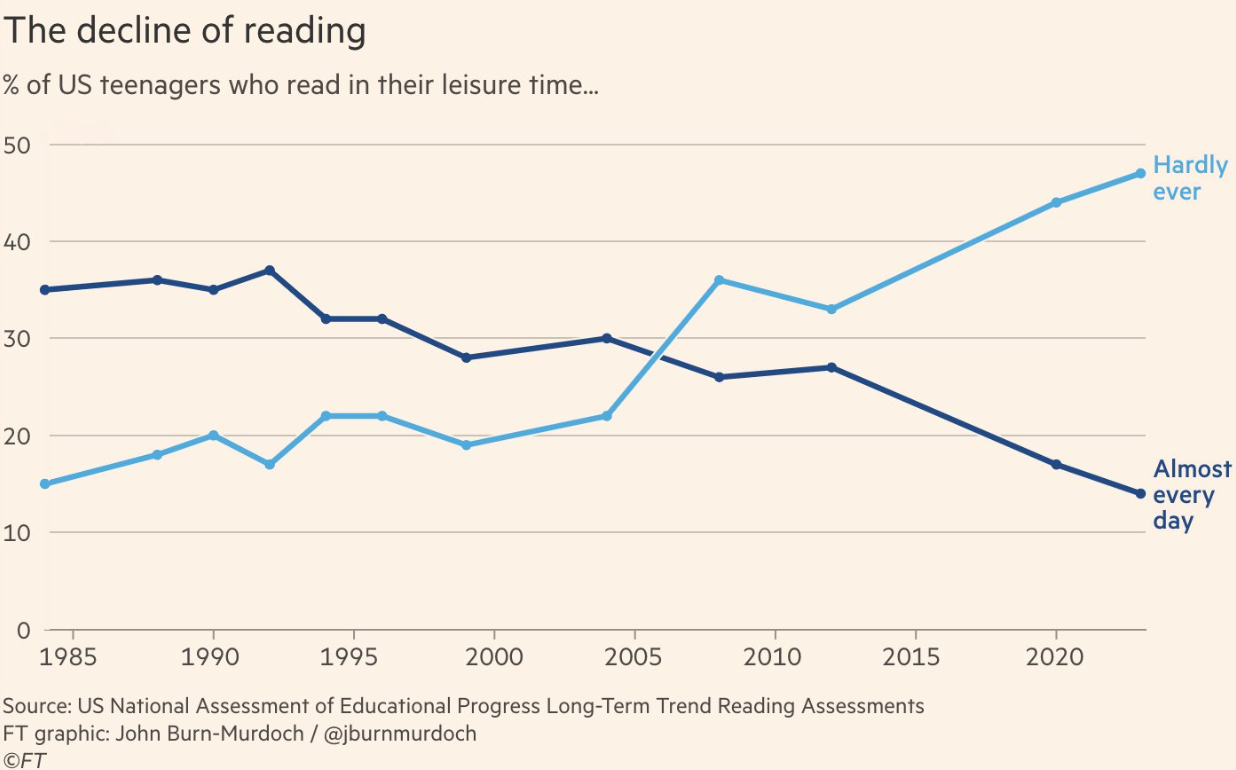
In a noisy digital age, reading is not old-fashioned. It is a quiet superpower. It slows the scroll, deepens thought, and reminds us that not every idea has to arrive in twelve seconds with background music.
Why Reading Still Matters in a Fast-Scrolling World
We live in an era of alerts, clips, feeds, notifications, and headlines that elbow each other for attention like shoppers on Black Friday. Reading offers something different: depth. When you read, especially longer-form writing, your mind has to follow a sequence of ideas, remember details, interpret meaning, and connect new information with what you already know.
This is why reading remains essential for both education and everyday life. It strengthens the ability to understand instructions, compare viewpoints, evaluate information, and make thoughtful decisions. A person who reads widely is not automatically wise, of course. We have all met someone who owns shelves of books and still cannot load a dishwasher correctly. But reading gives wisdom more raw material to work with.
Reading also protects attention. Unlike quick videos or scattered social posts, a book asks you to stay with one thought long enough for it to develop. That practice matters. Focus is not just a school skill; it is a life skill. It helps at work, in relationships, in problem-solving, and in resisting the urge to check your phone every time your brain feels one second of silence.
The Cognitive Benefits of Reading
Reading Exercises the Brain
Reading is mental exercise, but thankfully without burpees. When you read, the brain processes language, visual symbols, memory, imagination, emotion, and reasoning at the same time. A novel may look peaceful on the outside, but inside your head, entire departments are having meetings.
Research on reading and cognitive health suggests that frequent reading can help support brain function across the lifespan. Mentally stimulating activities, including reading, are often associated with cognitive engagement and may help older adults maintain sharper thinking skills. Reading does not make the brain invincible, but it gives it regular practice in attention, memory, and interpretation.
Reading Builds Vocabulary and Comprehension
One of the clearest benefits of reading is vocabulary growth. Readers meet words in context, which is far more powerful than memorizing lonely word lists that look like they escaped from a standardized test. When you encounter a word inside a sentence, story, or argument, you learn not only what it means but how it behaves.
Vocabulary and reading comprehension feed each other. The more words you know, the easier it is to understand complex texts. The more you read, the more words you learn. It is a beautiful cycle, like a merry-go-round, except useful.
For children, this is especially important. Reading aloud, repeated story exposure, and conversations about books can help children develop language, print awareness, and early literacy skills. For adults, reading across different topics expands professional language, cultural knowledge, and the ability to express ideas clearly.
Reading Improves Concentration
Reading trains sustained attention. A good book does not reveal its full meaning in one glance. You must track characters, arguments, evidence, scenes, or instructions. That effort builds patience and concentration.
This benefit is especially valuable because modern attention is under constant attack. Reading gives the mind a single road instead of a traffic circle. Even 15 to 30 minutes of daily reading can become a reset button for scattered thinking.
Reading and Emotional Intelligence
Books Help Us Practice Empathy
Fiction, memoir, biography, and narrative nonfiction allow readers to step into lives different from their own. You may enter the mind of a teenager in a new country, a doctor in an emergency room, a farmer during a drought, a president under pressure, or a fictional wizard who seriously needs better adult supervision.
This imaginative experience can strengthen empathy and perspective-taking. Reading does not simply tell us what people do; it often shows why they do it. A story can reveal motives, fears, hopes, mistakes, and contradictions. In real life, people rarely come with footnotes explaining their emotional history. Books offer practice in noticing complexity.
Reading Helps Us Understand Ourselves
Sometimes a book explains us to ourselves. A sentence can name a feeling we have carried around for years like an unlabeled suitcase. A character’s struggle can make our own problems feel less lonely. A memoir can show that confusion, grief, ambition, embarrassment, and reinvention are all part of being human.
This is one reason reading can be emotionally comforting. The right book at the right time can feel like a conversation with someone who has been there before and brought a flashlight.
Reading as Stress Relief
Reading can create a calming pause in a busy day. When you settle into a story or thoughtful nonfiction, your breathing may slow, your attention shifts, and your mind gets a break from replaying unfinished emails, unpaid bills, and that one awkward thing you said in 2014.
Reading is not a cure-all for stress, anxiety, or depression, and it should never replace professional support when that support is needed. But as a daily habit, it can be a healthy form of relaxation. A book offers structure without pressure, escape without chaos, and stimulation without the emotional roller coaster of doomscrolling.
For many people, bedtime reading is especially useful. A calm reading routine can signal that the day is ending. Print books or non-glowing e-readers may be better choices at night than bright screens, which can tempt readers into “just one more notification” and then somehow it is tomorrow.
The Benefits of Reading for Children
Reading Aloud Builds Language and Connection
Reading with children is one of the simplest and most powerful family habits. Babies and young children benefit from hearing voices, rhythms, sounds, and repeated words. They learn that books contain stories, pictures carry meaning, and language can be playful.
Even more importantly, shared reading builds relationships. When a parent, grandparent, caregiver, or sibling reads aloud, the child receives attention, warmth, and interaction. The book becomes more than paper. It becomes a small bridge between people.
Books Create Better Questions
Children are already world-class question machines. Books give them better material. Why did the bear run away? What does “enormous” mean? Could a caterpillar really eat that much? Why does this dragon have no job?
These conversations build vocabulary, reasoning, and curiosity. They also teach children that learning is not just something that happens at school. It happens on couches, at bedtime, in libraries, in waiting rooms, and in the back seat during road trips when everyone has already asked “Are we there yet?” 400 times.
Reading and Lifelong Learning
Reading makes self-education possible. Want to understand personal finance, gardening, leadership, history, nutrition, psychology, coding, architecture, cooking, or how not to kill a houseplant within three business days? There is a book for that.
In professional life, reading helps people stay adaptable. Industries change quickly, and the workers who keep learning have an advantage. Reading business books, trade publications, research summaries, technical guides, and thoughtful essays can sharpen decision-making and creativity.
Reading also helps people become better communicators. Good writing teaches rhythm, structure, tone, and clarity. The more quality writing you absorb, the more naturally you begin to recognize what works. This is useful whether you are writing a report, pitching a client, sending an email, or texting someone without accidentally sounding like a courtroom transcript.
Reading Strengthens Imagination and Creativity
Unlike movies or videos, books make readers co-create the experience. The author gives words; the reader supplies images, voices, textures, and emotional color. That mental participation strengthens imagination.
Creativity often comes from connecting unexpected ideas. Reading widely gives the brain more dots to connect. A designer may find inspiration in a history book. A teacher may borrow a strategy from a sports biography. An entrepreneur may discover a marketing lesson in a novel. A chef may read a travel memoir and suddenly decide soup deserves a passport.
Reading across genres is especially powerful. Fiction develops imagination and empathy. Nonfiction builds knowledge. Poetry sharpens attention to language. Essays teach argument. Memoirs reveal lived experience. Practical guides turn confusion into action. Together, they make the mind more flexible.
How to Build a Reading Habit That Actually Lasts
Start Small
The easiest way to read more is not to begin with a heroic plan involving 75 books, a leather chair, and a personality transplant. Start with ten pages a day. Or five. Or one chapter. Small habits survive because they do not scare the calendar.
Read What You Enjoy
Some people stop reading because they think “real reading” must feel like homework wearing a necktie. Not true. Read mysteries, romance, science, history, fantasy, essays, biographies, graphic novels, or practical guides. Enjoyment is not the enemy of intelligence. In fact, it is often the engine.
Keep Books Visible
Put a book beside your bed, on your desk, in your bag, or near your favorite chair. The fewer steps between you and reading, the better. A visible book is a polite little reminder. A phone, by contrast, is a tiny carnival barker yelling, “Come see seven apps and forget why you opened me!”
Use Libraries and Audiobooks
Libraries make reading affordable and adventurous. Audiobooks also count, especially for busy people, commuters, walkers, and anyone folding laundry Mount Everest. While the experience differs from print reading, listening to a well-written book still builds knowledge, imagination, and language exposure.
Common Myths About Reading
Myth 1: You Must Finish Every Book
No, you do not. Life is short, and some books are not your books. Give a book a fair chance, but do not turn reading into a hostage situation. Quitting the wrong book can make room for the right one.
Myth 2: Reading Slowly Means You Are Bad at Reading
Slow reading can be deep reading. Speed is useful sometimes, but comprehension matters more. Nobody wins a prize for racing through a paragraph and remembering nothing except that there was probably a comma.
Myth 3: Fiction Is Less Useful Than Nonfiction
Fiction teaches human behavior, emotional complexity, language, culture, and imagination. Nonfiction teaches facts, frameworks, and practical knowledge. A healthy reading life can include both. Think of them as vegetables and dessert, except both can be dessert if the writing is good.
Personal Experiences and Reflections on the Benefits of Reading
One of the most rewarding experiences related to reading is discovering that books often arrive before we know we need them. A person may pick up a novel simply because the cover looks interesting, then find a character wrestling with the same kind of fear, ambition, loneliness, or hope they have been carrying quietly. That recognition can be surprisingly powerful. It says, “You are not the only one.” In a world where many people look confident on the outside and confused on the inside, that message is worth a great deal.
Reading also changes ordinary days. A lunch break with a book feels different from a lunch break spent scrolling through arguments between strangers. Ten pages of a thoughtful essay can leave the mind cleaner, as if someone opened a window. A chapter before bed can create a gentle boundary between the demands of the day and the rest the body needs. Reading does not remove responsibilities, but it can return a sense of control. For a little while, the reader chooses the pace, the subject, and the world they enter.
Another experience many readers share is the slow accumulation of confidence. At first, challenging books may feel intimidating. The sentences are longer, the ideas denser, and the vocabulary less familiar. But with practice, the mind adapts. Difficult pages become manageable. New words become old friends. Complex arguments become easier to follow. This growth is quiet, but it is real. Reading teaches persistence without making a speech about it.
Reading can also improve conversation. People who read widely often have more examples, stories, and questions available. They can talk about history, science, travel, culture, ethics, food, business, or the suspicious behavior of fictional detectives. More importantly, reading can make people better listeners. After spending time inside different perspectives, it becomes easier to remember that every person has an inner life we cannot fully see.
Family reading experiences can be especially memorable. A child asking for the same bedtime story for the fifteenth night in a row may test adult patience, but repetition builds comfort and learning. The child knows what is coming and still delights in it. Adults do this too, though we call it “rereading a classic” to sound sophisticated. Returning to a favorite book can feel like visiting an old neighborhood where the lights are still on.
There is also practical magic in reading. A cookbook can rescue dinner. A repair guide can save money. A financial book can change habits. A biography can offer courage. A poem can make a hard day more bearable. A history book can make the present feel less random. Reading turns other people’s knowledge and experience into something we can carry with us.
Perhaps the best personal benefit of reading is that it expands time. One human life is limited, but through books we can enter different centuries, professions, cultures, disasters, inventions, romances, mistakes, and triumphs. We can learn from people we will never meet and visit places we may never physically go. That is not a small thing. It is one of the most generous arrangements civilization has produced: someone thinks deeply, writes carefully, and years later another person opens the page and receives the gift.
Conclusion: Reading Is a Small Habit With a Large Shadow
The benefits of reading are intellectual, emotional, social, and practical. Reading builds vocabulary, strengthens comprehension, supports focus, encourages empathy, reduces stress, nurtures children, fuels lifelong learning, and keeps imagination alive. It is both useful and pleasurable, both private and deeply connected to community.
You do not need to become a perfect reader. You do not need a marble fireplace, a tweed jacket, or opinions about 19th-century punctuation. You only need a book, a little time, and the willingness to begin. Read what interests you. Read a little every day. Read to learn, rest, laugh, question, grow, and remember that the world is larger than the screen in your hand.
In the end, reading is not merely about finishing pages. It is about becoming more awake to life, one sentence at a time.