
There are backyard tools, and then there are backyard legends. The One-Touch Kettle Grill belongs in the second group, somewhere between the lawn chair that never folds correctly and the cooler everyone mysteriously gathers around. Simple, round, charcoal-powered, and wonderfully practical, this kettle-style grill has become a favorite for people who want real barbecue flavor without turning their patio into a NASA launchpad.
At its heart, the One-Touch Kettle Grill is about control. You control the fire with charcoal. You control the heat with dampers. You control cleanup with a clever ash-sweeping system that pushes debris into a catcher instead of leaving you to perform archaeology in a pile of gray dust. It is not trying to be a robot chef, a Wi-Fi smoker, or a stainless-steel spaceship. It is trying to cook burgers, chicken, ribs, vegetables, steaks, fish, and weekend memories extremely well.
That is why this classic charcoal grill continues to matter. It is affordable compared with many outdoor cooking systems, versatile enough for quick weeknight dinners, and capable of low-and-slow smoking when you learn how to manage airflow. In other words, it is the grill equivalent of a reliable friend: not flashy, not fussy, and always willing to help you feed people.
What Is a One-Touch Kettle Grill?
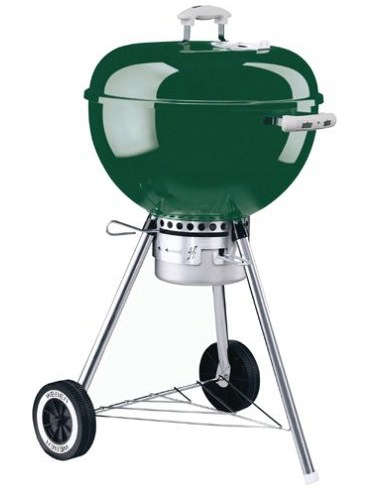
A One-Touch Kettle Grill is a round charcoal grill built around a bowl-shaped cooking chamber, a domed lid, adjustable air vents, a charcoal grate, a cooking grate, and a built-in ash-cleaning mechanism. The “one-touch” idea refers to the ash-control system: a handle moves internal blades across the bottom of the bowl, sweeping ash into a removable catcher below the grill.
The design is famous because it solves one of charcoal grilling’s least glamorous problems: cleanup. Charcoal makes food taste fantastic, but nobody writes love songs about cold ash. The One-Touch system keeps the grill easier to maintain, helps airflow stay clear, and lets users spend more time cooking instead of poking at debris with a tool that looks suspiciously like it came from a fireplace.
Most shoppers associate the One-Touch design with Weber’s kettle charcoal grills, especially the 22-inch Original Kettle and Original Kettle Premium models. These grills typically feature a porcelain-enameled lid and bowl, adjustable dampers for temperature control, plated steel cooking grates, durable wheels, and enough cooking space for a family meal or small gathering.
Why the Kettle Shape Works So Well
The kettle shape is not just cute geometry. It is functional. The rounded bowl holds charcoal below the food, while the domed lid traps heat and smoke around the cooking grate. When the lid is closed, the grill behaves more like an outdoor oven. That means you can do more than sear burgers over direct heat; you can roast a whole chicken, cook thick pork chops indirectly, smoke ribs, bake pizza, or gently finish steaks after a hot sear.
The curved shape also helps heat circulate. With the right charcoal arrangement, one side of the grill can become a high-heat searing zone while the other side stays cooler for indirect cooking. This two-zone setup is one of the most important skills in charcoal grilling. It gives you a safety net. If the flames get too excited, you move the food away from the fire instead of waving tongs like you are conducting an orchestra in panic.
Key Features of a One-Touch Kettle Grill
One-Touch Cleaning System
The signature feature is the ash-sweeping system. After the grill cools completely, you move the handle back and forth to sweep ash from the bottom of the bowl into the ash catcher. This helps keep the lower vents clear, which matters because charcoal needs oxygen to burn properly. Better airflow means better temperature control, easier lighting, and fewer moments where you stare at the coals wondering whether dinner has resigned.
Porcelain-Enameled Lid and Bowl
A quality kettle grill often uses a porcelain-enameled lid and bowl because the finish helps retain heat and resist rust, peeling, and high temperatures. This is one reason kettle grills can last for years with basic care. The exterior may collect a few battle scars from weather, storage, and enthusiastic spatula handling, but the core design is built for repeated heat cycles.
Adjustable Dampers
The dampers are the grill’s breathing system. Opening the vents increases oxygen flow and raises heat. Closing them partially reduces airflow and lowers temperature. Closing them fully helps extinguish charcoal after cooking. Once you understand the vents, the grill becomes much easier to manage. It is less “mystical barbecue wizardry” and more “fire needs air, and you are now the air traffic controller.”
22-Inch Cooking Area
The 22-inch kettle is popular because it hits a sweet spot. It is large enough for burgers, chicken pieces, vegetables, and indirect cooking, yet compact enough for patios, driveways, and small yards. A common 22-inch kettle provides about 363 square inches of cooking area, which is enough room for a practical family cookout without requiring a dedicated parking space.
Lid Hook and Wheels
Small features matter. A lid hook keeps the hot lid off the ground, which is useful when you need to flip food, adjust charcoal, or rescue a runaway hot dog. Wheels make the grill easier to move, especially when you need to roll it away from storage or reposition it for safer outdoor cooking. The best grill is the one you actually use, and convenience makes that more likely.
One-Touch Kettle Grill vs. Gas Grill
The biggest difference is flavor and convenience. A gas grill is fast, predictable, and easy to start. Turn a knob, press an igniter, and you are cooking. A charcoal kettle requires more time and attention, but it rewards you with deeper smoky flavor, higher searing heat, and a more hands-on cooking experience.
For quick weekday meals, gas wins on speed. For flavor, flexibility, and the joy of managing a real fire, the One-Touch Kettle Grill has the edge. It can grill directly over hot coals, cook indirectly like an oven, and smoke food with wood chunks. A gas grill can do some of those things, but a charcoal kettle does them with more character. Think of gas as a sedan with automatic transmission and charcoal as a stick-shift convertible: slightly more work, much more personality.
Best Foods to Cook on a One-Touch Kettle Grill
The One-Touch Kettle Grill is more versatile than many beginners expect. Burgers and hot dogs are obvious, but they are only the opening act. Steaks benefit from a hot direct-heat sear. Bone-in chicken cooks beautifully when started over indirect heat and finished near the coals. Pork chops stay juicier when cooked with a two-zone setup. Corn, peppers, zucchini, onions, mushrooms, and asparagus develop sweetness and char in minutes.
For weekend cooking, the kettle can handle ribs, pork shoulder, turkey breast, whole chicken, and even pizza with the right setup. Add wood chunks to the coals, place the meat away from direct heat, keep the lid closed, and use the dampers to maintain a steady temperature. It is not as insulated as a ceramic kamado, but it is surprisingly capable when used correctly.
How to Use a One-Touch Kettle Grill
Step 1: Place the Grill Safely
Use the grill outdoors only, on a stable surface, away from anything combustible. Keep it clear of walls, railings, overhangs, dry leaves, and the kind of patio furniture that looks innocent until heat gets involved. Charcoal grills produce carbon monoxide and should never be used indoors, in garages, tents, vehicles, or enclosed spaces.
Step 2: Light Charcoal Properly
A chimney starter is one of the best accessories for a charcoal kettle. It lights coals evenly without soaking them in lighter fluid. Place charcoal in the chimney, light the starter material below, and wait until the top coals begin to ash over. Then pour the hot coals carefully onto the charcoal grate. Wear heat-resistant gloves and use long-handled tools.
Step 3: Build Heat Zones
For direct grilling, spread lit coals evenly across the charcoal grate. This is best for thin steaks, burgers, hot dogs, shrimp, and quick vegetables. For indirect grilling, pile coals on one side and leave the other side empty. Food placed over the cooler side cooks more gently with the lid closed. For larger foods, this method helps prevent the outside from burning before the inside is done.
Step 4: Control Temperature With Vents
Open vents create hotter fires. Partially closed vents slow the burn. The lower vent affects oxygen entering the grill, while the lid damper releases heat and smoke. A common beginner mistake is constantly opening the lid to check food. Every peek dumps heat. Trust the process, use a thermometer, and let the grill do its round little job.
Step 5: Cook to Safe Temperatures
Good grill marks are beautiful, but they are not a food safety plan. Use a food thermometer. Cook poultry to 165°F, ground meats to 160°F, and whole cuts of beef, pork, lamb, or veal to 145°F followed by a rest time. Color alone can be misleading, especially with burgers and chicken.
Cleaning and Maintenance Tips
Let the grill cool completely before cleaning. Once the charcoal and ash are fully extinguished, move the One-Touch handle back and forth to sweep ash into the catcher. Empty the ash catcher safely into a metal container when everything is cold. Never dump hot charcoal or warm ash into plastic bins, paper bags, dry grass, or anything that could catch fire.
Brush the cooking grate while it is still warm after cooking, or clean it before the next session as the grill preheats. A clean grate helps prevent sticking and reduces old residue. Occasionally remove the grates and scrape the inside of the bowl gently. The black flaky material inside the lid is usually carbonized grease and smoke residue, not peeling paint. Still, it is smart to clean it so it does not fall onto food like seasoning nobody invited.
Use a grill cover if the kettle lives outside. Store accessories indoors when possible. Check the ash system, legs, wheels, handles, and dampers from time to time. Replacement parts are widely available for many kettle models, which is one reason these grills can remain useful for many seasons.
Common Mistakes Beginners Make
The first mistake is using too much lighter fluid. It can create unpleasant flavors and safety risks. A chimney starter is cleaner and more reliable. The second mistake is cooking everything directly over the coals. Direct heat is great for searing, but indirect heat is your best friend for thicker cuts.
The third mistake is ignoring airflow. If the lower vents clog with ash, the fire struggles. If the lid vent is closed too much, smoke and heat cannot move properly. The fourth mistake is moving food too often. Let burgers sear. Let chicken cook. Let vegetables char. The grill is not a slot machine; you do not win by pulling the handle every ten seconds.
Who Should Buy a One-Touch Kettle Grill?
A One-Touch Kettle Grill is ideal for beginners who want to learn charcoal grilling without spending a fortune. It is also excellent for experienced cooks who appreciate simplicity, durability, and versatility. If you want one grill that can sear steaks, cook burgers, smoke ribs, roast chicken, and handle vegetables, this design is hard to beat.
It may not be perfect for someone who wants instant startup, digital controls, or hands-off cooking. Charcoal requires patience. You need to light coals, manage vents, and clean ash. But for many grillers, those steps are part of the fun. Fire, smoke, timing, and instinct turn dinner into an event.
Original Kettle vs. Premium Kettle
The basic Original Kettle offers the core experience: classic kettle shape, porcelain-enameled bowl and lid, dampers, plated steel cooking grate, lid hook, wheels, and One-Touch ash cleanup. The Premium version often adds conveniences such as a hinged cooking grate, enclosed high-capacity ash catcher, built-in lid thermometer, and tool hooks. Both can cook excellent food.
If budget matters most, the standard model is a strong choice. If you grill often, the Premium model’s ash catcher and hinged grate can be worth the upgrade. The hinged grate is especially useful for longer cooks because you can add charcoal without lifting the entire grate and disturbing the food. That may not sound exciting until you are halfway through ribs and realize the fire needs help.
Accessories That Make It Better
A chimney starter should be first on the list. It makes lighting charcoal easier and cleaner. A good instant-read thermometer is equally important because it removes guesswork from food safety and doneness. Long tongs, heat-resistant gloves, a grate brush, and a charcoal rake also make grilling smoother.
For more advanced cooking, charcoal baskets help organize coals for indirect heat. Wood chunks add smoke flavor. A grill cover protects the kettle from weather. A side table, even a simple folding table, gives you room for trays, sauces, seasonings, and the ceremonial plate of cheese that somehow appears at every cookout.
Real-World Cooking Example: Burgers and Chicken on the Same Grill
Imagine you are cooking burgers and bone-in chicken thighs. The burgers want direct heat. The chicken wants a gentler approach. On a One-Touch Kettle Grill, you can pile the coals on one side and leave the other side cooler. Start the chicken on the indirect side with the lid closed. Once it is close to its safe internal temperature, move it briefly over the hot side to crisp the skin. Then grill burgers directly over the coals.
This is where the kettle shines. You are not locked into one cooking style. You can switch between searing, roasting, warming, and smoking with nothing more than charcoal placement and vent adjustments. It is low-tech, but not low-skill. The more you use it, the more it teaches you.
Is the One-Touch Kettle Grill Worth It?
Yes, for most charcoal fans, it is absolutely worth it. The One-Touch Kettle Grill offers a rare mix of price, durability, flavor, and flexibility. It is simple enough for beginners but capable enough for serious backyard cooks. It does not need electricity, apps, pellets, propane tanks, or software updates. It needs charcoal, airflow, and someone hungry enough to learn.
Its biggest strengths are heat control, easy ash management, and classic charcoal flavor. Its weaknesses are the normal charcoal trade-offs: longer startup time, more cleanup than gas, and a learning curve. But once you understand direct and indirect heat, vent control, and safe temperatures, the kettle becomes one of the most rewarding grills you can own.
Extra Experience: Living With a One-Touch Kettle Grill
The best way to understand a One-Touch Kettle Grill is not by staring at the product photo. It is by using one on a slightly windy Saturday when everyone says they are “not that hungry” and then somehow eats twelve burgers, four ears of corn, and half a tray of grilled onions. This grill has a way of turning ordinary meals into small backyard events.
In day-to-day use, the first thing you notice is how approachable it feels. There are no intimidating control panels. There is no touchscreen asking for your Wi-Fi password while your chicken waits in confusion. You open the lid, light the charcoal, arrange the coals, and cook. That simplicity is refreshing. It makes grilling feel physical and direct, like you are actually involved in the meal rather than supervising a machine.
The One-Touch cleaning system becomes more valuable the more often you grill. After a few cooks, ash buildup can choke airflow and make the fire harder to control. Sweeping ash into the catcher keeps the bowl cleaner and makes the next cook easier. It is not magic; you still need to empty the catcher safely and clean the grate. But compared with scooping ash manually, it feels like a tiny engineering miracle wearing a barbecue apron.
Another real-life advantage is how quickly you learn heat management. At first, many people run the grill too hot. They open every vent, dump in a mountain of charcoal, and create a fire worthy of a medieval blacksmith. After a few sessions, they learn restraint. A smaller amount of charcoal, arranged properly, can cook more evenly. Closing the vents halfway can calm the fire. Moving food to the indirect side can save dinner. These little lessons build confidence.
The kettle also encourages experimentation. One weekend you may cook classic cheeseburgers. The next, you might try chicken wings with a chunk of applewood, then pork tenderloin, then grilled pineapple, then pizza. The round grate becomes a playground. Some experiments will be better than others. A few vegetables may become “extra caramelized,” which is a polite way of saying they briefly visited the sun. But the grill is forgiving enough that you keep trying.
For families and small gatherings, the 22-inch size feels especially practical. It is big enough to cook in batches without feeling cramped, but not so large that it wastes charcoal for a simple dinner. You can grill four steaks, a pile of vegetables, or enough burgers for guests without needing an outdoor kitchen the size of a restaurant patio.
Storage is manageable too. The grill rolls easily, fits under many covers, and does not dominate a yard. Because the design is so common, accessories and replacement parts are easy to find. That matters. A grill that can be maintained is a grill that stays in use. And a grill that stays in use becomes part of your routine: summer dinners, game-day food, holiday ribs, quick Sunday chicken, and the occasional “we should grill because the weather is too nice not to.”
The most satisfying part is flavor. Charcoal adds a depth that is difficult to duplicate indoors. Smoke clings lightly to meat and vegetables. Fat dripping onto hot coals creates aroma. The lid traps heat and turns simple ingredients into something that tastes like effort, even when the recipe is just salt, pepper, and patience. That is the charm of the One-Touch Kettle Grill: it makes basic food feel special without making the cook feel overwhelmed.
After enough cooks, the grill becomes familiar. You know where the hot spot forms. You know how far to close the vents for chicken. You know when the coals are ready by sight. You know that opening the lid too often is usually a bad idea, even though curiosity is powerful and smells like ribs. In that way, the One-Touch Kettle Grill is not just equipment. It is a teacher, a weekend companion, and occasionally the reason neighbors suddenly become very friendly.
Conclusion
The One-Touch Kettle Grill remains one of the most useful charcoal grills because it balances tradition with practical design. Its kettle shape supports direct grilling, indirect roasting, and backyard smoking. Its dampers give cooks real heat control. Its porcelain-enameled construction promotes durability. And its One-Touch cleaning system makes ash management far less annoying than the charcoal-grill stereotype suggests.
For beginners, it is a smart entry point into charcoal cooking. For experienced grillers, it is a dependable classic that can handle far more than burgers. With safe setup, good charcoal habits, a thermometer, and a little patience, this grill can turn ordinary ingredients into memorable meals. It may not have a digital brain, but it has something better: fire, flavor, and a design that has earned its place in American backyards.