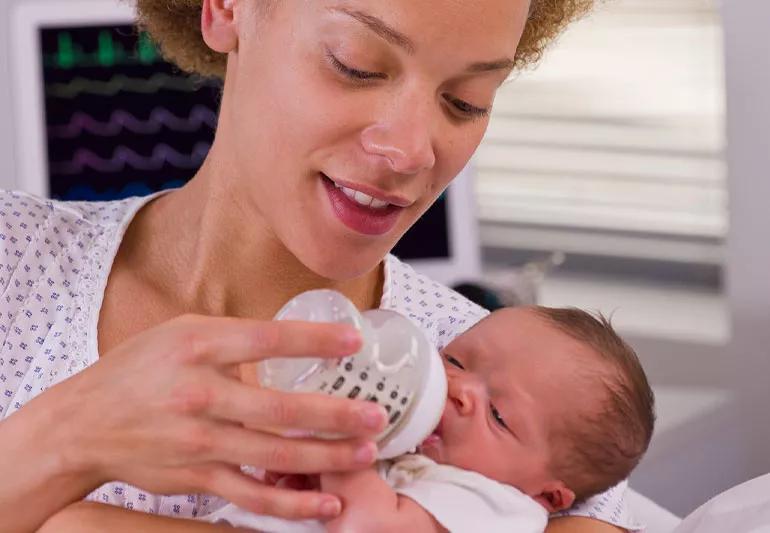

Why can’t babies have water? It sounds like a trick question. Water is healthy, right? Adults are constantly told to drink more of it, carry a giant bottle everywhere, and pretend we enjoy refilling it for the eighth time before lunch. So when a baby looks warm, fussy, or extra tiny and dramatic, it may seem natural to offer a few sips of water.
But for healthy babies under 6 months old, plain water is usually not recommended unless a pediatrician specifically says otherwise. The reason is not that water is “bad.” The reason is that a young baby’s body is built for breast milk or properly prepared infant formula. Those two options provide hydration, calories, minerals, and nutrients in the right balance. Plain water, on the other hand, can fill a baby’s small stomach, reduce nutrient intake, and in larger amounts may disturb the baby’s delicate sodium balance.
This guide explains why babies should not drink water too early, when water becomes safe, how much is reasonable after 6 months, and what parents can do when they worry their baby is thirsty, hot, constipated, or sick.
Can Babies Drink Water Before 6 Months?
In most cases, babies younger than 6 months should not be given plain water. During this stage, breast milk or correctly mixed infant formula gives them the fluid they need. That may surprise new parents because adults separate “food” and “drink” into different categories. Babies do not. For them, milk is dinner, hydration, comfort, and tiny-room-service all in one bottle or breastfeed.
Breast milk and infant formula already contain a high percentage of water. They are designed to hydrate while also providing calories, fat, protein, vitamins, and minerals. When a baby drinks plain water instead, it takes up space in the stomach without providing the nutrition needed for rapid growth.
There are exceptions. A pediatrician may recommend a specific fluid plan for a baby with a medical condition, dehydration risk, or feeding issue. But parents should not start water, dilute formula, or use homemade feeding mixtures without medical guidance.
Why Water Can Be Risky for Young Babies
1. A Baby’s Stomach Is Very Small
A newborn’s stomach is tiny. Even as babies grow during the first months, their stomach capacity remains limited. If water fills that small space, the baby may drink less breast milk or formula. That means fewer calories and fewer nutrients.
For adults, water with zero calories is often a benefit. For babies, zero-calorie fluid can be a problem. Babies need energy for brain development, weight gain, immune function, and the daily workout of kicking their legs like they are training for a cycling race no one signed them up for.
2. Water Can Dilute Important Minerals
The biggest medical concern is called water intoxication. This happens when too much water lowers the concentration of sodium and other electrolytes in the bloodstream. Sodium helps regulate fluid balance, nerve function, and muscle activity. When sodium drops too low, the body can become seriously unbalanced.
Young babies are more vulnerable because their kidneys are still developing. They cannot handle extra water the way an older child or adult can. Even well-meaning choices, such as giving bottles of water in hot weather or stretching formula with extra water, can create risk.
3. Diluted Formula Can Cause Nutrition Problems
Formula should always be mixed exactly according to the label unless a healthcare professional gives different instructions. Adding extra water does not make formula “lighter” in a helpful way. It makes it less nutritious and may disturb the baby’s fluid and mineral balance.
On the other side, using too little water can also be harmful because overly concentrated formula may lead to dehydration or digestive discomfort. Formula preparation is one of those parenting tasks where creativity should take the day off. Follow the scoop, follow the line, and let the measuring marks live their best life.
What About Hot Weather?
Hot weather is one of the most common reasons parents ask, “Can I give my baby water?” The instinct makes sense. If adults are sweating, babies must be thirsty too, right?
For babies under 6 months, the usual answer is still breast milk or formula, not plain water. In warm weather, babies may want to feed more often. Breastfed babies may nurse more frequently, and formula-fed babies may take their normal amount on a slightly different schedule. Parents should keep babies cool with shade, breathable clothing, and a comfortable indoor temperature.
If a baby seems unusually sleepy, has fewer wet diapers, has a dry mouth, is not feeding well, or the parent is worried about dehydration, the safest move is to call a pediatrician. Water is not a do-it-yourself fix for a young infant who may be dehydrated.
What If a Baby Is Constipated?
Constipation can make parents desperate. A tiny baby grunting like a weightlifter can send the whole household into detective mode. But for babies under 6 months, plain water should not be used as a constipation remedy unless a pediatrician recommends it.
It is also important to know what constipation actually looks like. Some babies strain, turn red, or make dramatic sound effects while still passing soft stool. That may be normal. True constipation usually involves hard, dry stools or clear discomfort.
Parents should talk with the baby’s doctor before giving water, juice, herbal products, or “gripe” remedies. Many infant digestive concerns can be managed by checking feeding technique, formula mixing, burping, tummy time, or medical causes if symptoms continue.
What If a Baby Is Sick?
Vomiting, diarrhea, fever, and poor feeding can increase dehydration risk. However, plain water is not always the right solution for infants. Babies need fluids that support both hydration and electrolyte balance.
For young babies, healthcare professionals commonly recommend continuing breast milk or formula when possible. In some cases, a pediatrician may recommend an oral rehydration solution. Parents should ask for guidance, especially for babies under 6 months, premature babies, babies with medical conditions, or any baby showing signs of dehydration.
Call a healthcare professional promptly if a baby has very few wet diapers, cannot keep feeds down, seems unusually drowsy, has persistent diarrhea or vomiting, or simply seems “not right.” Parents know their babies. When the internal alarm bell rings, it deserves attention.
When Can Babies Start Drinking Water?
Most babies can begin having small amounts of water around 6 months, usually when solid foods are introduced. At this stage, water is practice, not the main event. Breast milk or formula should still provide most hydration and nutrition during the first year.
A practical approach is to offer small sips of water with meals from an open cup, straw cup, or training cup. The goal is to help the baby learn the skill of drinking water and to build healthy beverage habits. The first attempts may involve chewing the cup, spilling most of it, and looking personally offended by the concept. That is normal.
For babies 6 to 12 months old, many pediatric nutrition guidelines suggest small daily amounts, often around 4 to 8 ounces total per day. Some babies drink less, especially if they are still feeding well. Water should not replace breast milk or formula during this period.
How Much Water Is Too Much After 6 Months?
After 6 months, water becomes safer, but moderation still matters. A baby does not need a giant water bottle, a hydration challenge, or a motivational sticker that says “chug life.” Small sips with meals are enough for most babies starting solids.
Too much water can still crowd out nutrition. If a baby fills up on water, they may take less breast milk, formula, or food. Parents should think of water as a supporting character until after the first birthday. Helpful? Yes. The star? Not yet.
By 12 months, water becomes a more regular part of a child’s diet, along with appropriate foods and, in many cases, whole cow’s milk or another pediatrician-approved option. Sugary drinks, sweet teas, soda, and juice should be limited or avoided, especially for babies and toddlers.
Safe Formula Preparation: The Water Rule That Matters
There is one situation where babies under 6 months do receive water: water used to prepare powdered or concentrated infant formula. But this is very different from giving plain water to drink.
Formula water should come from a safe source. Parents may use safe tap water or bottled water depending on local water quality, pediatrician advice, and emergency conditions. If the safety of tap water is uncertain because of a water main break, flood, hurricane, or other contamination concern, families should follow public health instructions. In some cases, bottled water or ready-to-feed formula may be recommended.
The most important rule is to measure accurately. Add the exact amount of water stated on the formula label, then add the correct amount of powder or concentrate. Do not add extra water to “stretch” formula. Do not use less water to “boost calories” unless a doctor has given a specific recipe for a medical reason.
Common Myths About Babies and Water
Myth 1: “A little water can’t hurt.”
A tiny accidental sip during a bath or from a cup is usually not the same as regularly feeding water. Still, routine water for babies under 6 months is not recommended. The risk increases when water is given in larger amounts or used to dilute formula.
Myth 2: “Breastfed babies need water in summer.”
Breast milk supplies hydration and nutrition. In hot weather, a breastfed baby may nurse more often. Parents can help by keeping the baby cool and watching diaper output, but plain water is usually unnecessary before 6 months.
Myth 3: “Formula-fed babies need extra water.”
Properly mixed formula already contains the water babies need. Extra water can reduce nutrition and increase risk. If a formula-fed baby seems thirsty, constipated, or uncomfortable, parents should check formula preparation and contact a pediatrician.
Myth 4: “Juice is better than water for babies.”
Juice is not recommended for infants under 12 months unless a clinician gives a specific reason. Juice can add sugar without the fiber and nutrition of whole fruit. For babies starting solids, water with meals is a better habit than sweet drinks.
Signs a Baby May Need Medical Advice About Hydration
Parents should seek medical guidance if they notice signs that may suggest dehydration or illness. These can include fewer wet diapers than usual, very dark urine, a dry mouth, no tears when crying, unusual sleepiness, poor feeding, repeated vomiting, diarrhea, fever, or a sunken soft spot on the head.
This does not mean parents should panic every time a diaper is lighter than expected. Babies vary. But hydration concerns in young infants should be taken seriously, and the solution should come from a pediatric professional, not a random internet comment from “AuntLinda1974” who insists every baby needs chamomile water because “it worked in 1986.”
Practical Tips for Parents
For babies under 6 months
Offer breast milk or properly prepared infant formula. Do not give plain water unless the pediatrician recommends it. Do not dilute formula. During hot weather, offer feeds as needed and keep the baby cool.
For babies 6 to 12 months
Introduce small sips of water with meals once solids begin. Keep breast milk or formula as the main drink. Use water as cup practice and a healthy habit builder, not as a meal replacement.
For babies around 12 months and older
Water can become a normal daily drink. Continue to avoid sugary beverages. Talk with a pediatrician about milk choices, nutrition, and any feeding concerns.
Real-Life Parent Experiences: What This Looks Like at Home
Many parents first hear “no water for babies” and react with total disbelief. One common experience happens during the first summer with a newborn. The family goes for a short walk, the baby’s cheeks look warm, and someone says, “Poor thing, give the baby water.” This advice usually comes from love. It may come from grandparents, neighbors, or that one person at a picnic who becomes a baby expert after holding the stroller for eleven seconds. The parent then feels stuck between respecting family wisdom and following modern pediatric guidance.
In that situation, a calm explanation helps: “The baby gets hydration from milk right now. We’ll feed more often and keep them cool.” This keeps the conversation simple and avoids turning a family barbecue into a medical conference with potato salad.
Another common experience happens with formula. Formula is expensive, and parents may feel pressure when supplies run low. Some may wonder whether adding a little extra water could make the container last longer. This is understandable from a budget standpoint, but it is not safe. Diluting formula changes the nutrition and mineral balance a baby receives. Families struggling to afford formula should contact their pediatrician, local WIC office, food assistance program, or community health clinic rather than changing the recipe.
Parents also run into confusion when babies begin solids. At around 6 months, a baby may sit in a high chair, smear sweet potato into their eyebrow, and take a heroic two drops of water from a cup. That counts as progress. The point is not to make the baby drink a full cup. The point is practice. Babies learn the taste of plain water, the feel of a cup, and the rhythm of meals. Some babies love water immediately. Others act as if the cup has personally betrayed them. Both reactions can be normal.
Illness creates another stressful moment. When a baby vomits or has diarrhea, parents naturally worry about dehydration. The instinct to give water comes from wanting to help quickly. But for young babies, the safer response is to call the pediatrician and ask what fluid plan fits the baby’s age and symptoms. Sometimes the answer is more frequent breast milk or formula. Sometimes an oral rehydration solution is recommended. The key is not guessing.
Finally, many parents learn that baby feeding advice changes over generations. A grandparent may say, “We gave you water and you survived.” That may be true, and it may also be true that current guidance is safer and based on better understanding of infant development. Parents do not need to shame older relatives. A simple answer works: “Our pediatrician recommends milk only until 6 months, then small sips of water with food.” Short, kind, and firm usually wins.
Conclusion
So, why can’t babies have water? Because before 6 months, babies are not just tiny adults with tiny socks. Their stomachs are small, their kidneys are still developing, and their nutrition depends on the precise balance found in breast milk or correctly prepared formula. Plain water can fill them up without feeding them, and too much can disturb sodium levels in a dangerous way.
Water becomes appropriate later, usually around the time solid foods begin. From 6 to 12 months, small sips with meals can help babies learn healthy drinking habits. Until then, parents can focus on safe feeding, accurate formula preparation, frequent milk feeds when needed, and pediatric advice whenever dehydration or illness is a concern.
In parenting, the safest answer is not always the most obvious one. Water is wonderful. Babies are wonderful. But for the first few months, they do not need to be wonderful together.